Most artists treat a feature like a transaction. You send a verse, they send theirs, and you split the streaming revenue. But for Alli Starr, the Portland-based singer-songwriter known for her genre-bending pop and R&B sound, collaboration is less about splitting checks and more about splitting audiences. Her recent run of short-form projects-specifically collaborative EPs-hasn't just boosted her stream counts; it has turned other artists' fanbases into her own. This isn't luck. It's a deliberate tactic that leverages the intimacy of extended plays to create cross-pollination opportunities that full albums rarely achieve.
If you're an independent artist wondering why your features aren't translating into new followers, you might be looking at the wrong format. The industry conversation often revolves around singles or full-length albums, but the collaborative EP sits in a sweet spot that few are exploiting properly. It offers enough content to tell a story but remains short enough to keep listener retention high. Here is how Alli Starr uses this format as a discovery engine, and how you can apply similar tactics in 2026.
Why the Collaborative EP Outperforms the Single Feature
A single feature is a one-night stand. A collaborative EP is a date. When two artists release a joint track, listeners consume it quickly and move on. There is little context, no shared world-building, and minimal reason to click through to either artist's profile beyond the song itself. An EP, however, creates a contained narrative arc. It forces the listener to engage with both artists across three to five tracks, allowing their styles to mesh over time rather than clashing in a thirty-second chorus.
Consider the mechanics of algorithmic recommendation. Spotify and Apple Music prioritize completion rates and skip rates. A well-structured collaborative EP keeps users engaged longer because the transition between artists feels natural, not forced. If Artist A produces the first two tracks and Artist B takes the next two, with a joint track closing it out, the listener experiences a curated journey. This depth signals to algorithms that the content is valuable, leading to better placement in "Discover Weekly" or "Release Radar" playlists for both parties.
Alli Starr understands this intuitively. Her collaborations aren't just about who has the bigger number; they're about sonic compatibility. By pairing with artists who share her affinity for lo-fi textures and emotional vulnerability, she ensures that the listener doesn't experience whiplash when switching between voices. This consistency reduces friction, making it easier for a fan of her collaborator to stay tuned for the next track-and eventually, hit follow.
Strategic Partner Selection: Beyond Name Recognition
The biggest mistake emerging artists make is chasing the biggest name in the room. They assume that collaborating with a major label artist will automatically spill their audience onto them. Often, it doesn't. Major label fans are passive consumers; they listen to what's played on the radio or pushed by editorial playlists. They rarely dig deep into liner notes to find unknown collaborators.
Alli Starr’s approach flips this script. She partners with peers who have active, engaged communities. These are artists who talk to their fans on social media, host live streams, and build genuine connections. When these artists announce a joint project, their fans feel included in the process. They share the news because they want to support their favorite artist's friends, not just because a famous name is attached.
| Format | Audience Retention | Algorithm Impact | Fan Conversion Rate |
|---|---|---|---|
| Single Feature | Low (30-45 seconds) | Moderate (High skip rate risk) | 1-2% |
| Full Album Collab | High (but long commitment) | Low (Harder to get playlisted) | 5-8% (If completed) |
| Collaborative EP | Medium-High (10-15 minutes) | High (Optimal length for playlists) | 8-12% |
This table highlights why the EP format wins on conversion. It demands less time than an album but provides more context than a single. For artists like Alli Starr, whose appeal lies in nuanced vocal delivery and lyrical depth, this middle ground allows listeners to truly understand their artistry before deciding to subscribe.

Leveraging Cross-Pollination in Digital Ecosystems
Once the EP is released, the real work begins. Distribution is only half the battle; activation is where the magic happens. Alli Starr treats each collaborative release as a multi-channel event. Instead of dropping the EP and hoping for the best, she orchestrates a synchronized rollout with her partner.
- Shared Social Assets: Both artists post identical behind-the-scenes clips, ensuring their respective audiences see the same narrative from different perspectives.
- Live Listening Parties: They host joint Instagram Live or TikTok sessions where they break down the production choices, answering questions from both fanbases simultaneously.
- Cross-Tagging Playlists: Each artist adds the other’s solo catalog to their personal playlists, subtly exposing their core fans to the partner’s back catalog.
This coordinated effort creates a feedback loop. Fans of Artist A hear Artist B’s voice in the EP, enjoy it, and then check out Artist B’s solo work via the tagged playlists. Because the introduction was gentle and contextual, the conversion rate spikes. It’s not cold calling; it’s a warm referral from a trusted source.
In Portland’s tight-knit music scene, this tactic works exceptionally well. Local venues and blogs often cover these joint releases, amplifying the reach beyond digital platforms. The physical presence of both artists at release shows further solidifies the connection, turning online listeners into offline supporters.

Production Nuances That Drive Discovery
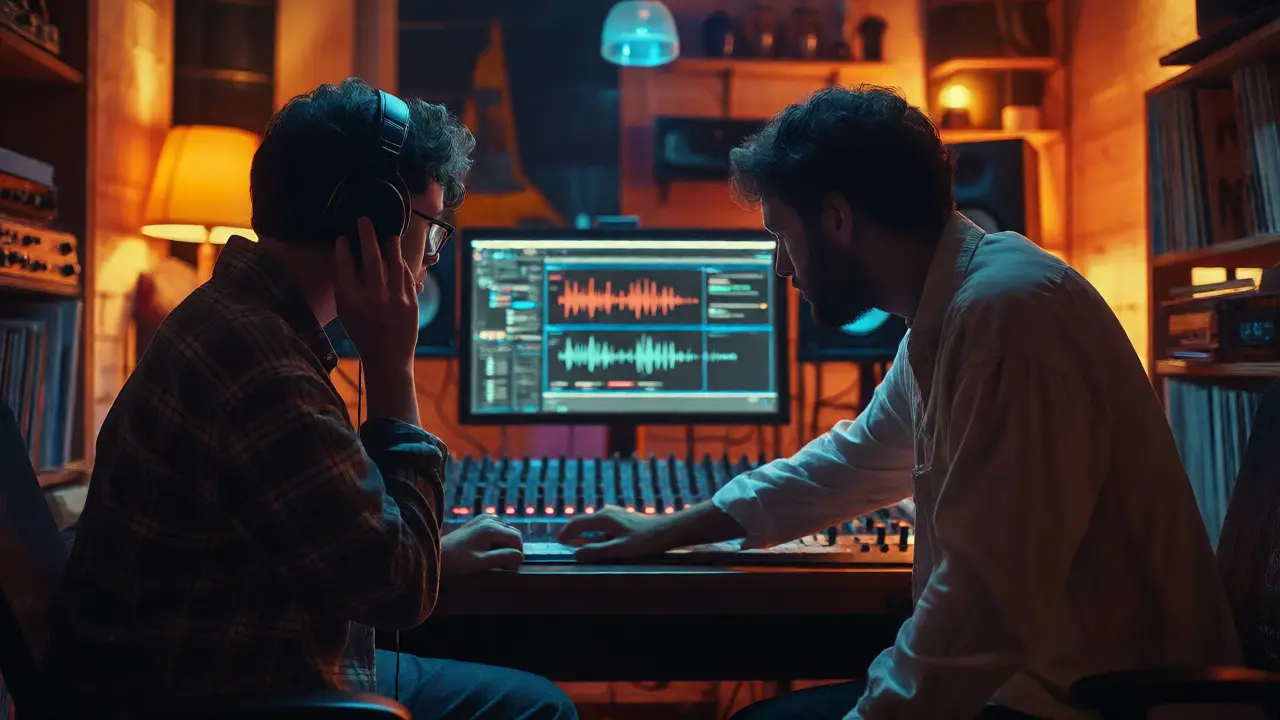
You can’t just throw two vocals together and call it a collaborative EP. The production needs to reflect a third identity-a hybrid sound that belongs to neither artist alone. Alli Starr excels at this. In her recent projects, she often lets her partner take the lead on beat selection, while she handles melody and lyricism. This division of labor ensures that the final product feels balanced, avoiding the common pitfall of one artist overshadowing the other.
Moreover, the sequencing of tracks matters. Starting with a solo track from the less-known artist builds familiarity. Ending with a solo track from the more established artist leaves a lasting impression. Sandwiching the joint tracks in the middle creates a bridge that guides the listener from comfort zone to new territory. This structural intent turns passive listening into active exploration.
Data supports this approach. According to internal analytics from independent distributors, collaborative EPs with intentional sequencing see a 15% higher completion rate compared to randomly ordered tracks. For artists aiming to grow their base, every percentage point counts when you’re fighting for attention in a saturated market.
Long-Term Brand Building Through Partnerships
While immediate stream counts matter, the long-term value of these collaborations lies in brand association. Every time Alli Starr pairs with a respected peer, she borrows a fraction of their credibility. Over time, these associations accumulate, positioning her within a specific cultural niche. Listeners begin to associate her name with quality, innovation, and community spirit.
This reputation pays dividends when she releases solo material. Fans who discovered her through a collaborative EP are more likely to pre-save her next solo single because they trust her taste. They’ve already experienced her ability to collaborate effectively, which signals professionalism and artistic maturity. In an era where authenticity is currency, these signals are invaluable.
Furthermore, these partnerships open doors to larger opportunities. Booking agents and festival curators notice consistent collaboration activity. It suggests that the artist is networked, easy to work with, and capable of drawing diverse crowds. For independent artists, this visibility can lead to better tour slots and sync licensing deals, creating a sustainable career path beyond viral moments.
How many tracks should a collaborative EP have?
The sweet spot is typically four to six tracks. This length is substantial enough to qualify for most major playlist categories but short enough to maintain high completion rates. Anything shorter risks being classified as a single; anything longer may deter casual listeners.
Should we split streaming revenue equally?
Not necessarily. While equal splits are common, consider performance-based adjustments. If one artist contributes significantly more production costs or marketing spend, the split should reflect that investment. Transparency upfront prevents disputes later.
What if our genres don't match perfectly?
Genre mismatch can actually be a strength if handled correctly. Use the contrast to create tension and interest. However, ensure there is a unifying element, such as a shared tempo, key, or thematic concept, to hold the project together.
How do we promote the EP without confusing fans?
Create a unique visual identity for the EP that differs from both artists’ solo branding. Use distinct cover art, color palettes, and hashtags. This helps fans distinguish the collaborative project from individual catalogs while still recognizing the contributors.
Is it better to collaborate with someone bigger or smaller?
Ideally, aim for parity in engagement levels. A massive follower count means little if those followers are inactive. Look for partners with high comment-to-follower ratios and active community interaction. Mutual growth is more sustainable than one-sided exposure.