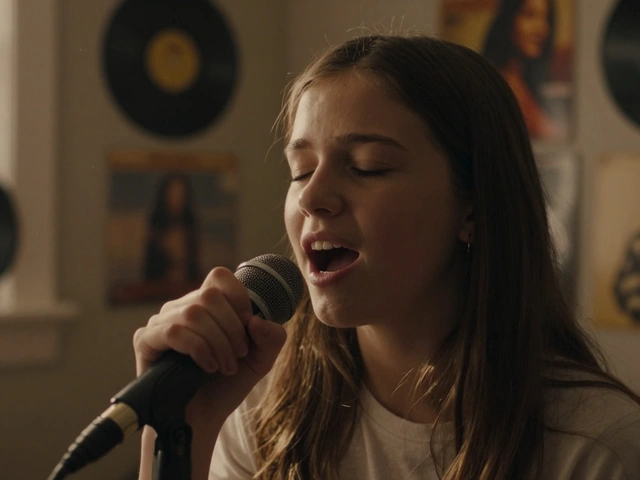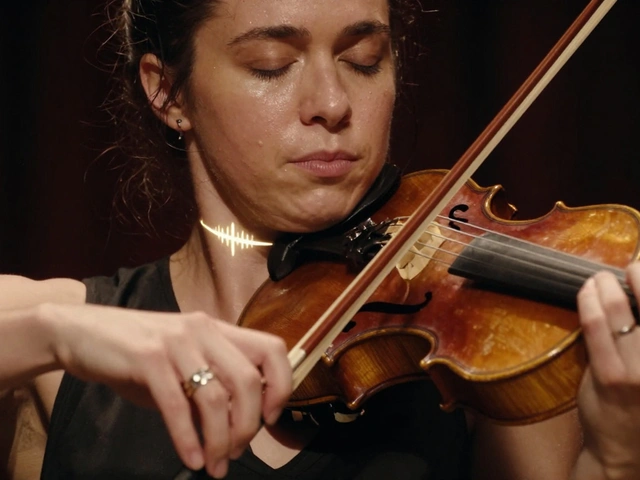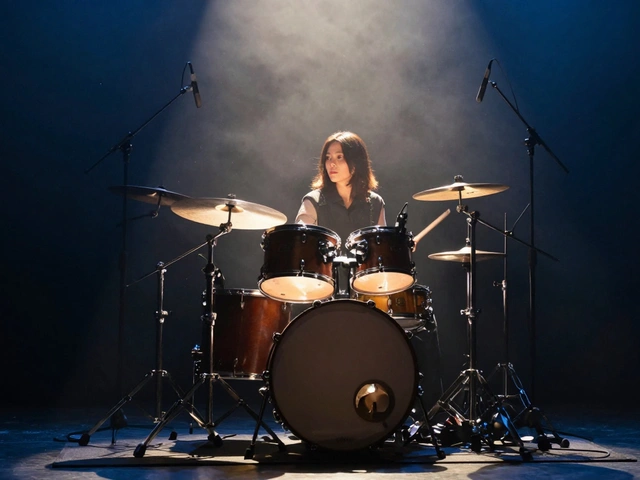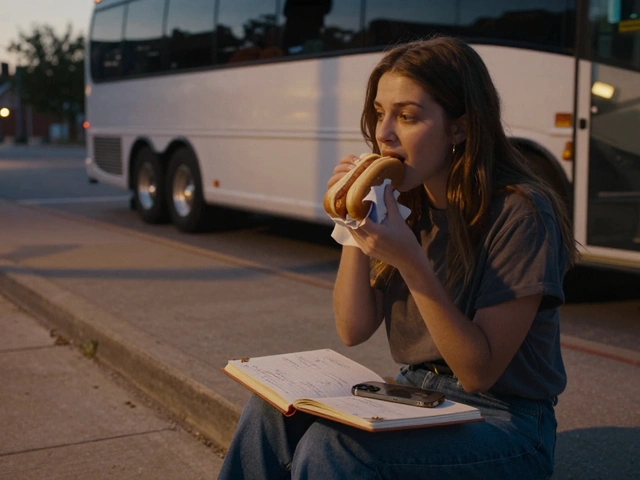
You’ve probably seen a performer who looks like they’re reciting lines from a script. Their technique is perfect, their pitch is on point, but you feel absolutely nothing. Then there are artists like Alli Starr, who seem to pull the audience into a shared space where time stops and real life crashes into the music. It’s not magic. It’s not just talent. It’s a deliberate choice to anchor every note in something bigger than the song itself.
If you’re an artist struggling to connect with crowds, or a fan wondering why some shows hit harder than others, you need to understand how performers keep their work grounded. This isn’t about being “deep” for the sake of it. It’s about survival. When you treat a performance as just another gig, you burn out. When you treat it as a conversation about what it means to be alive, you stay hungry. Here is how that shift happens, and how you can apply it to your own craft.
The Trap of Technical Perfectionism
Most musicians start by chasing technical perfection. You learn scales, you memorize lyrics, you practice until your fingers bleed. But here’s the problem: audiences don’t connect with perfection. They connect with vulnerability. If you spend all your mental energy worrying about hitting the high note, you have no bandwidth left to feel the emotion behind it.
Think about the last concert you attended. Did you remember the singer’s flawless vibrato? Or did you remember the moment their voice cracked because they were genuinely moved? That crack wasn’t a mistake; it was proof of humanity. Live performance is the act of sharing unfiltered human experience in real-time. When you strip away the polish, you leave room for truth. And truth is what keeps a show grounded.
This doesn’t mean you should ignore skill. It means you stop letting skill dictate the vibe. You use your technique as a tool to deliver feeling, not as a shield to hide behind. The goal isn’t to prove you can play the instrument. The goal is to make the instrument disappear so only the message remains.
Finding Your Core Narrative
To keep performances grounded, you need a narrative. Not a story about your album sales or your tour bus mishaps, but a thematic through-line that ties your setlist together. What question are you trying to answer tonight? Is it about loss? About hope? About the confusion of modern dating?
Artists who thrive often operate from a central philosophical stance. For instance, if your core theme is resilience, every song choice, transition, and spoken word segment should reinforce that idea. You aren’t just playing songs; you’re building an argument. This gives the audience a reason to care beyond the melody. They become invested in the journey, not just the destination.
| Feature | Technical Focus | Narrative Focus |
|---|---|---|
| Audience Reaction | Impressed but detached | Emotionally engaged and present |
| Artist Energy | Anxious about mistakes | Confident in expression |
| Longevity | Burnout risk high | Sustainable creative growth |
| Memorability | Forgotten after exit | Lingers for days or weeks |
The Power of Silence and Space
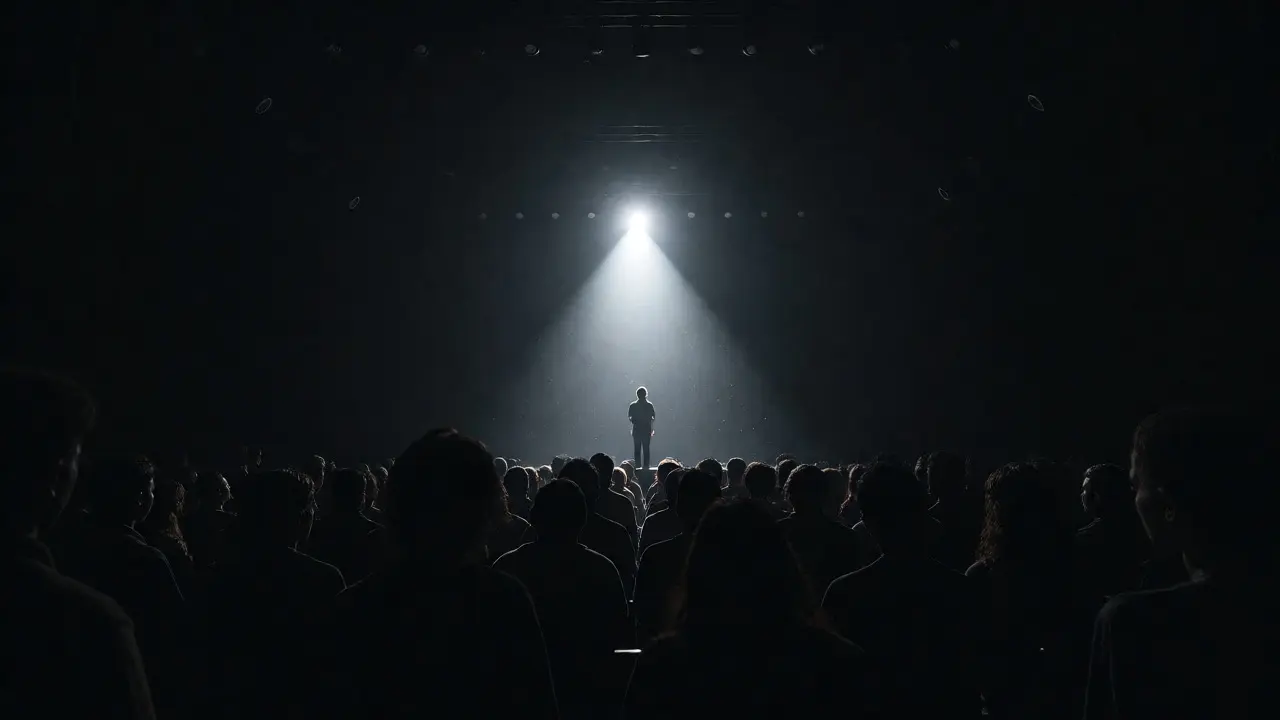
One of the biggest mistakes emerging artists make is filling every second with noise. They rush between songs. They talk too much. They fear silence. But silence is where the audience processes what they just heard. It’s where the “big questions” land.
Consider the pacing of a great film. The most impactful scenes often happen when characters stop talking and just look at each other. Live music works the same way. After a heavy ballad, give the crowd ten seconds of quiet before the next track starts. Let them breathe. Let them reflect. This creates a rhythm that feels organic rather than mechanical.
This approach requires confidence. You have to trust that your presence alone holds the room. If you feel the urge to fill the gap with chatter, ask yourself: Am I nervous, or am I respecting the moment? Usually, it’s the former. Learning to sit in the discomfort of silence is a superpower. It signals to the audience that you are comfortable with ambiguity, which invites them to do the same.
Connecting Lyrics to Lived Experience
Generic lyrics get generic reactions. To keep a performance grounded, you must bridge the gap between abstract words and concrete reality. This doesn’t mean telling a long story before every song. It means curating your repertoire so that each piece reflects a genuine part of your life or worldview.
When you sing about heartbreak, don’t just rely on clichés. Dig into the specific details. The smell of the coffee shop where you broke up. The sound of the key turning in the lock one last time. Specificity breeds universality. Paradoxically, the more personal and detailed you get, the more relatable the song becomes. Everyone has experienced a breakup, but few have articulated the exact texture of that specific Tuesday afternoon. By naming it, you validate their experience.
This also applies to how you speak between songs. Avoid the standard “Thank you, we’re so happy to be here.” Instead, share a brief, honest thought. Maybe mention why this song matters to you right now. Maybe admit you’re tired. Authenticity resonates because it breaks the fourth wall. It reminds the audience that you are a person, not a product.
Physical Presence as Emotional Anchor
Your body speaks louder than your voice. If you’re stiff, the audience feels tense. If you’re closed off, they feel distant. Keeping performances grounded requires physical awareness. You need to inhabit the space, not just stand in it.
Eye contact is the most underrated tool in a performer’s kit. Scanning the crowd randomly is easy. Locking eyes with someone for three seconds is hard. Do it anyway. Find a face in the front row, then the middle, then the back. Connect with them. You’ll see their posture change. You’ll see them lean in. This feedback loop fuels your energy. You aren’t performing *at* them; you’re performing *with* them.
Movement should serve the emotion, not distract from it. If a song is introspective, stay still. Let the lyrics do the work. If it’s explosive, move with intention. Don’t jump around just to look active. Every gesture should have a purpose. When your physical state matches the emotional tone of the music, the illusion of separation between artist and audience dissolves.

Managing Ego and Expectation
Ego kills grounding. When you worry about how many people are watching, or whether the venue likes you, you lose touch with the music. You start playing for approval instead of expression. This creates a subtle tension that audiences pick up on immediately.
To combat this, shift your focus outward. Instead of asking, “Do they like me?”, ask, “What do they need to hear?” This reframes the performance as a service. You are providing an outlet for their emotions. You are giving them permission to feel. When you adopt this mindset, pressure drops. You become less concerned with perfection and more concerned with connection.
Remember that failure is part of the process. A missed note, a forgotten lyric, a bad sound check-these things happen. How you handle them defines your professionalism. Laugh it off. Own it. Show them that you’re human. Vulnerability builds trust faster than any polished solo ever could.
Practical Steps to Stay Grounded
You don’t need to overhaul your entire act overnight. Small changes can yield big results. Start with these actionable steps:
- Pre-show ritual: Spend five minutes before going on stage identifying one specific emotion you want to convey. Write it down if you have to.
- Setlist curation: Review your setlist. Does it tell a coherent story? Remove any song that feels like filler or doesn’t fit the night’s theme.
- Microphone discipline: Practice speaking softly into the mic. Intimacy draws people in. Shouting pushes them away.
- Post-show reflection: After the gig, write down one moment where you felt truly connected. Analyze what caused it. Repeat that behavior next time.
Consistency is key. You won’t nail this every night. Some nights you’ll be distracted, tired, or disconnected. That’s okay. The goal is progress, not perfection. Over time, these habits rewire your brain to prioritize meaning over mechanics.
Why This Matters Beyond the Stage
Keeping performances grounded isn’t just about better reviews or bigger crowds. It’s about mental health. Artists who detach from the human element often suffer from imposter syndrome and burnout. When you view your art as a vehicle for exploring life’s big questions, you find deeper satisfaction in the process.
You start enjoying the grind because it feeds your curiosity. You stop seeing rehearsals as chores and start seeing them as experiments. This shift protects your passion. It ensures that even if fame never comes, you still love what you do. And honestly, that’s the only success metric that really lasts.
How do I stop being nervous during live performances?
Shift your focus from internal anxiety to external connection. Instead of worrying about your own mistakes, concentrate on delivering value to the audience. Engage with individual faces in the crowd to create a sense of dialogue rather than monologue. This reduces self-consciousness and grounds you in the present moment.
What does it mean to keep a performance 'grounded'?
It means anchoring your artistic expression in authentic human experience rather than technical display alone. A grounded performance prioritizes emotional truth, thematic coherence, and genuine connection with the audience over flawless execution or spectacle.
Can technical skills hinder emotional connection?
Yes, if you obsess over them. When mental energy is consumed by monitoring pitch, timing, or finger placement, there is little capacity left for emotional expression. Technical skill should serve the emotion, not dominate it. Mastery allows you to forget the technique and focus on the feeling.
How important is eye contact with the audience?
Crucial. Eye contact creates intimacy and accountability. It transforms a passive viewing experience into an active exchange. Brief, intentional locks with different audience members help distribute energy and make individuals feel seen, enhancing overall engagement.
Should I share personal stories between songs?
Briefly, yes. Sharing short, relevant anecdotes provides context and deepens the listener's investment in the lyrics. However, avoid rambling. Keep stories concise and emotionally resonant to maintain momentum while adding depth to the musical narrative.