Releasing a new song in 2026 is no longer just about dropping audio on streaming platforms. It’s about creating a visual moment that stops the scroll. For indie pop artist Alli Starr is an independent musician known for blending synth-pop with lyrical storytelling, currently focusing on short-form video distribution to build her audience, the strategy has shifted from "posting a clip" to engineering a specific type of engagement. The core problem? Algorithms on TikTok and Instagram Reels reward watch time and interaction over passive listening. If your video doesn’t hook the viewer in the first 1.5 seconds, you’re invisible.
The Core Shift: From Audio to Visual Narrative
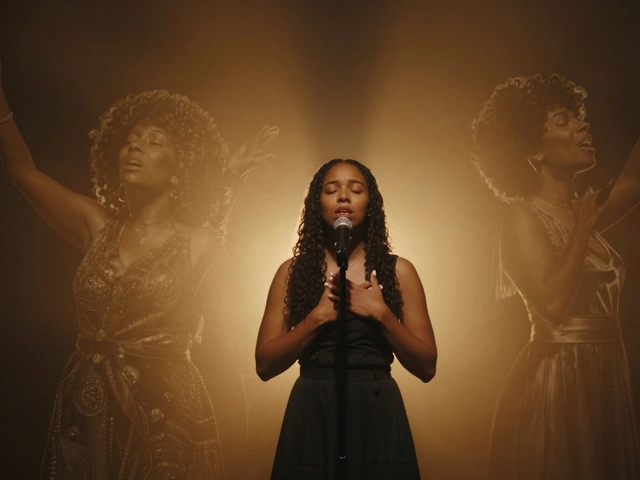
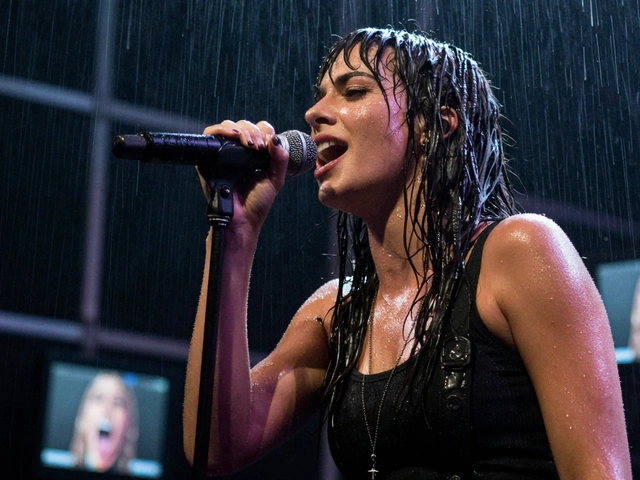
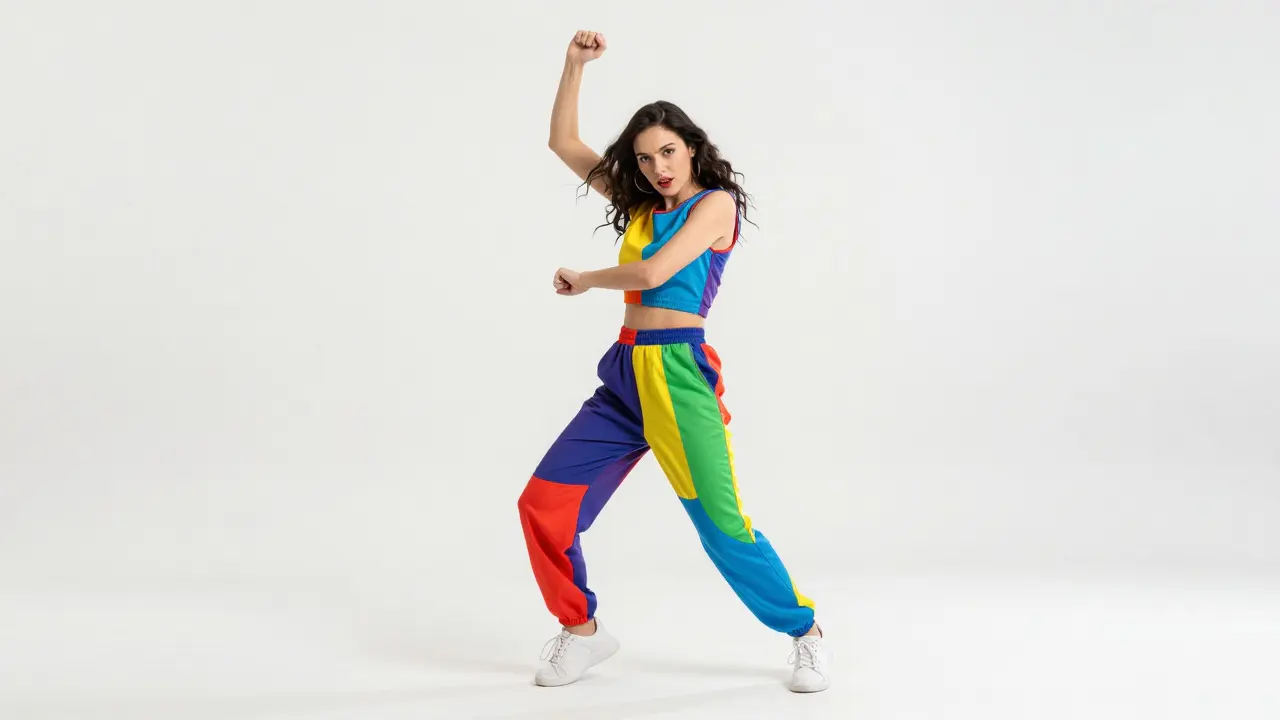
Many artists still treat short-form video as a trailer for their music. They post a static image of the album cover with the chorus playing. This rarely works anymore. Starr’s approach treats every 15-to-30-second clip as a standalone narrative unit. She doesn’t just show herself singing; she shows the *emotion* behind the lyrics. In her recent single rollout, she used a technique called "contextual layering." Instead of one generic performance shot, she created three distinct videos for the same track: one showing the raw demo recording in her bedroom, one featuring a choreographed dance routine set to the beat drop, and one telling a micro-story related to the song’s theme using text overlays and b-roll footage.
- Contextual Layering: Creating multiple angles for one asset to test what resonates.
- Hook-First Editing: Placing the most visually striking or emotionally charged frame at the very start, not the title card.
- Audio Sync Precision: Ensuring cuts happen exactly on the snare hit or bass drop to maximize satisfaction.
This method acknowledges that users on these platforms are multitasking. They aren't sitting down to listen to an album; they are looking for entertainment, relatability, or aesthetic inspiration. By providing different entry points into the same song, Starr increases the probability that at least one version will find its niche audience.
Platform-Specific Nuances: TikTok vs. Reels
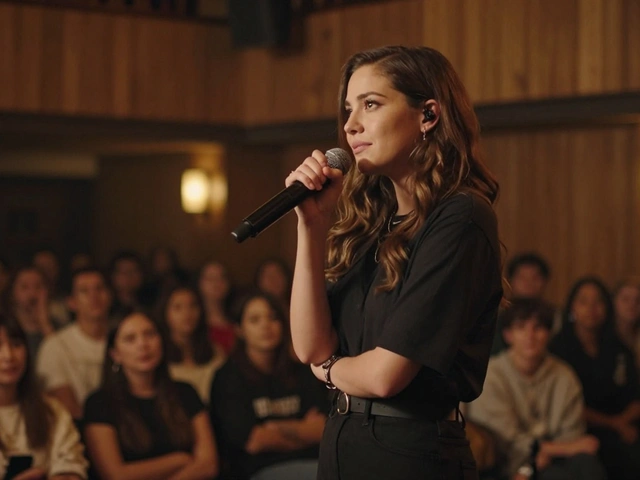
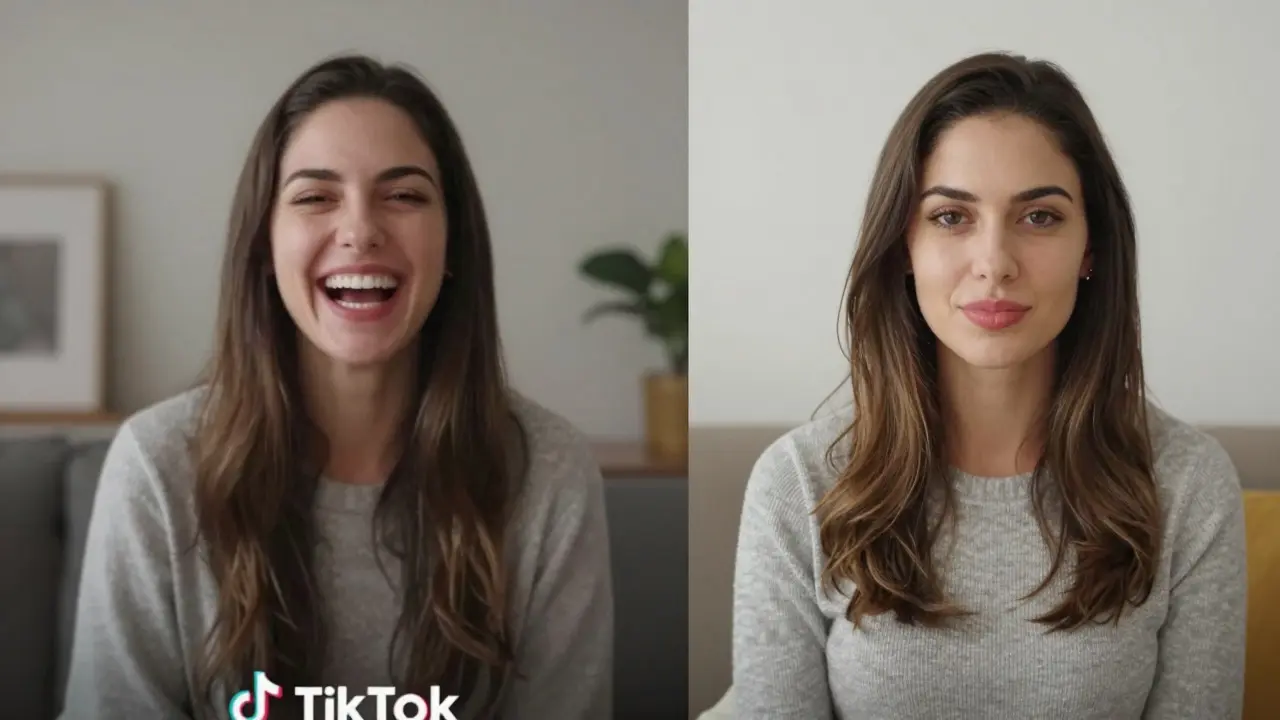
While the content often overlaps, the behavioral patterns on TikTok and Instagram Reels differ significantly. TikTok remains the discovery engine. Users here are more tolerant of raw, unpolished content if it feels authentic. A shaky phone video of Starr laughing while trying to get the vocal take right often outperforms a professionally produced studio clip because it signals "real person," which builds trust faster.
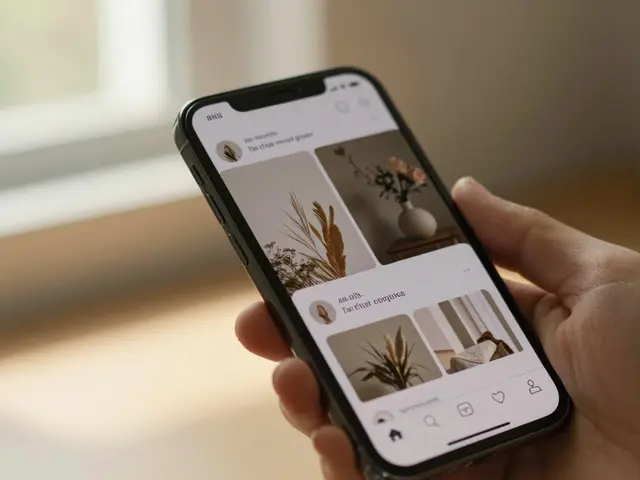
Instagram Reels, however, leans heavily into aesthetics and brand consistency. The audience here tends to be slightly older and more invested in visual cohesion. For Reels, Starr focuses on higher production value-better lighting, consistent color grading, and seamless transitions. The goal on Reels isn't just viral reach; it's converting viewers into followers who will engage with her other content, such as Stories or carousel posts. Think of TikTok as the wide net for new listeners and Reels as the funnel for community building.
The 3-Second Rule and Hook Engineering
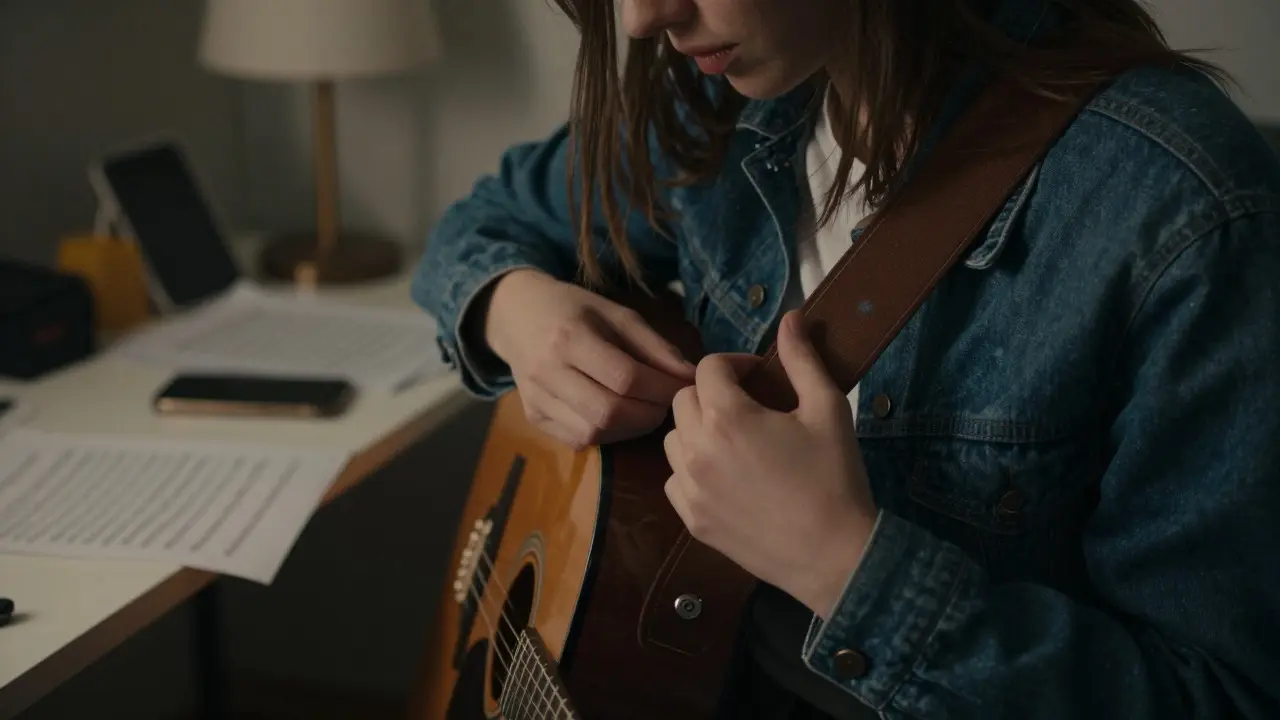
Attention spans on short-form platforms are brutal. You have roughly three seconds to convince a user not to swipe away. Starr uses a framework she calls "Visual Tension." Before the music even starts, there must be movement or a question implied by the visual. For example, instead of starting with her face, she might start with a close-up of her hands adjusting a guitar strap, or a quick pan across a messy desk covered in lyric sheets. This creates a curiosity gap. The brain wants to resolve the tension, so it stays to see what happens next.
Text overlays play a critical role here. On TikTok, text should appear within the first second. It shouldn't just be the song title. It should be a relatable statement or a direct address to the viewer. Examples include "POV: You finally wrote the song you've been stuck on for months" or "Wait for the drop..." These textual hooks anchor the visual experience and guide the viewer's emotional expectation. If the text promises a payoff, the viewer is more likely to stay through the bridge to hear the chorus.
Leveraging Trends Without Losing Identity
One of the biggest fears for musicians is that jumping on a trend will make them look like a copycat. But ignoring trends means becoming invisible. Starr’s solution is "Thematic Bridging." She identifies a trending audio or format and finds a way to connect it to her specific artistic identity. If a trending sound involves a specific hand gesture, she incorporates it into her choreography but keeps her signature wardrobe or setting recognizable. If a meme format is popular, she adapts the structure but changes the punchline to relate to the song's lyrics. This allows her to ride the algorithmic wave without diluting her brand. It’s about borrowing the mechanics of the trend while keeping the soul of the art intact.
Measuring Success Beyond Views
Views are vanity metrics. A million views with zero saves or shares means the content was entertaining but didn't resonate deeply. To measure the true effectiveness of her short-form strategy, Starr tracks three key indicators: Save Rate, Share Rate, and Profile Clicks. A high save rate indicates the song is worth revisiting. A high share rate suggests the content evokes a strong emotional reaction that people want to pass along. Profile clicks are the ultimate conversion metric-they show that the viewer wanted to know more about the artist, not just the song. If a video gets 50k views but only 10 profile clicks, the hook worked, but the connection failed. Adjusting the call-to-action or the ending frame can fix this disconnect.
Building a Consistent Release Cadence
Consistency beats intensity. Posting five videos in one week and then disappearing for a month confuses the algorithm and the audience. Starr maintains a steady rhythm of two to three short-form clips per week during a release cycle. This keeps her name in the feed without overwhelming fans. Each clip serves a different purpose: one for hype, one for behind-the-scenes, and one for pure entertainment. This variety ensures that even if one style flops, another might strike a chord. Over time, this cadence trains the algorithm to recognize her content as relevant to her target demographic, leading to better organic reach for subsequent releases.
Common Pitfalls to Avoid
Even with a solid strategy, small mistakes can derail a campaign. One common error is relying too heavily on external links. Both TikTok and Instagram suppress reach when you put clickable links in captions. Keep the link in the bio and use verbal or text cues to direct traffic there. Another mistake is ignoring comments. Replying to comments in the first hour after posting boosts engagement signals. Finally, don't delete underperforming videos immediately. Sometimes a video takes 48 hours to find its audience. Deleting it resets the clock and kills potential momentum. Let the data run before making drastic changes.
How long should my short-form music videos be?
For TikTok, aim for 7 to 15 seconds to encourage looping, which boosts watch time. For Instagram Reels, 15 to 30 seconds is ideal to allow for a brief narrative arc and a clear call to action. The exact length depends on the complexity of the hook and the song section featured.
Do I need professional equipment to succeed on TikTok?
No. In fact, overly polished content can sometimes perform worse on TikTok because it lacks authenticity. A good smartphone camera with natural lighting is sufficient. Focus on lighting and audio clarity rather than expensive gear. The human element matters more than technical perfection.
Which platform should I prioritize for a new artist?
Prioritize TikTok for initial discovery and viral potential. Its algorithm is more open to new creators without existing follower bases. Use Instagram Reels simultaneously to capture those who prefer a more curated aesthetic, but expect slower growth compared to TikTok's explosive potential.
How do I handle comments from non-fans?
Engage positively with everyone. Non-fans who comment are potential future fans. A friendly reply can convert skepticism into interest. Avoid arguing or deleting neutral comments unless they are toxic. High engagement volume, regardless of sentiment, signals to the algorithm that the content is interesting.
Can I reuse the same video on both platforms?
Yes, but tailor the caption and hashtags for each. Remove watermarks from TikTok videos before posting to Reels, as Instagram may penalize native-looking content with third-party logos. Slightly adjust the aspect ratio if necessary, though both support vertical 9:16 formats natively.