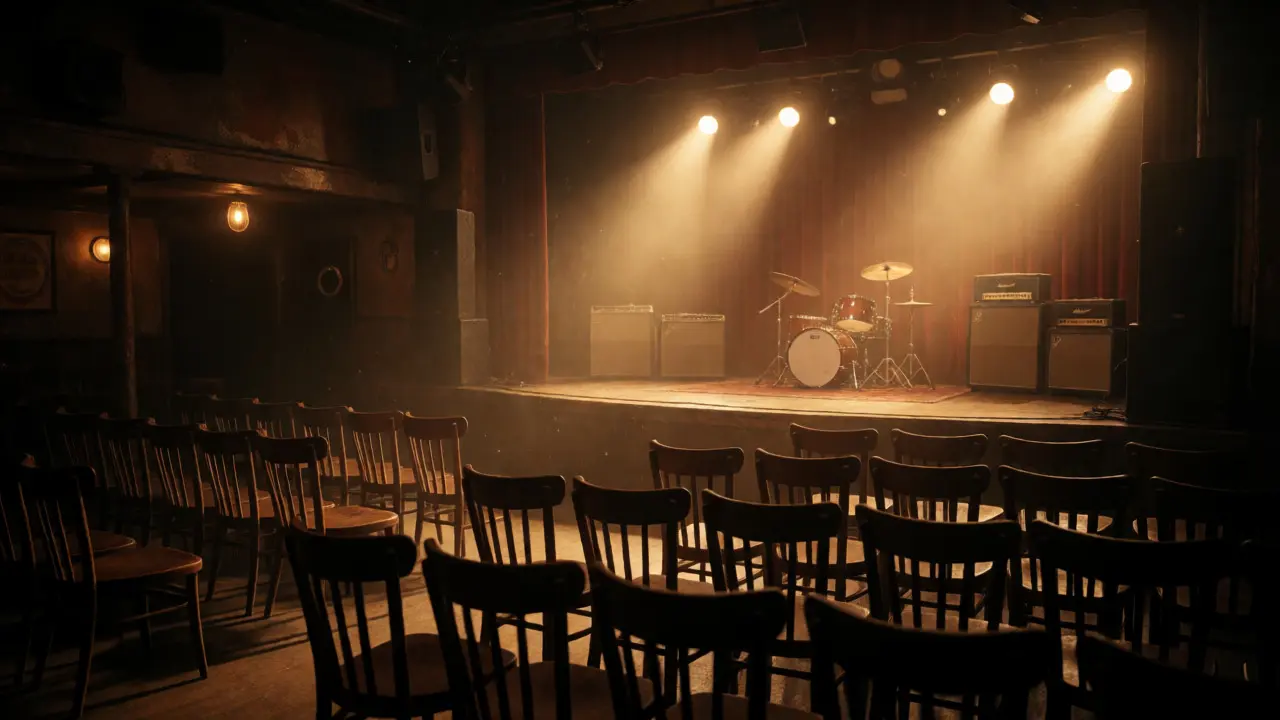
You’ve booked the venue. You’ve secured a killer cover band that nails every guitar solo from Led Zeppelin to Fleetwood Mac. But when you look at the box office numbers two weeks before showtime, the seats are still empty. This is the nightmare scenario for any promoter or tribute act manager. It’s not just about having good music; it’s about selling an experience that feels authentic enough to justify the price of admission.
Enter Alli Starr, a marketing strategist who has cracked the code on filling venues for tribute shows. Her approach isn’t about blasting ads everywhere; it’s about tapping into deep-seated nostalgia and community identity. If you’re struggling to get butts in seats for your next classic rock homage, here is how her strategy works-and why it might be exactly what your local venue needs right now.
The Psychology Behind Tribute Show Success
Why do people pay $50 to see someone else play "Hotel California" instead of listening to the Eagles on Spotify? The answer lies in emotional connection. A Tribute Band is a musical group that performs covers of another artist's work with high fidelity to the original sound and style. Unlike generic cover bands, tribute acts sell a specific memory. They promise a time travel experience.
Alli Starr’s core insight is that you aren’t selling tickets to a concert; you’re selling access to a shared cultural moment. When fans buy a ticket to a Classic Rock tribute, they are buying into their own youth, their college years, or the road trips they took with friends decades ago. Your marketing must speak to this emotion, not just the technical skill of the musicians.
- Nostalgia as Currency: Use imagery and copy that evoke the era, not just the band name.
- Community Validation: Show that other locals are going. People hate being the only ones at a show.
- Authenticity Checks: Highlight the accuracy of costumes, instruments, and vocal tones.
Building the Narrative Before the First Note
Most promoters make the mistake of announcing the date and hoping for the best. Starr argues that the story starts months in advance. For her campaigns, she focuses on the "why." Why this band? Why now? Why this city?
Consider the difference between these two social media posts: 1. "Queen Tribute Night at The Crystal Ball! Tickets available now." 2. "Remember the first time you heard 'Bohemian Rhapsody'? Relive that electric feeling with Portland’s most accurate Queen tribute. No backing tracks. Just raw energy and Freddie Mercury’s spirit. Limited seats."
The second option creates urgency and emotional resonance. It positions the event as a rare opportunity rather than a routine gig. This narrative framing is crucial for converting casual browsers into ticket buyers. It transforms the Live Performance from a commodity into an event.
Leveraging Local Partnerships and Cross-Promotion
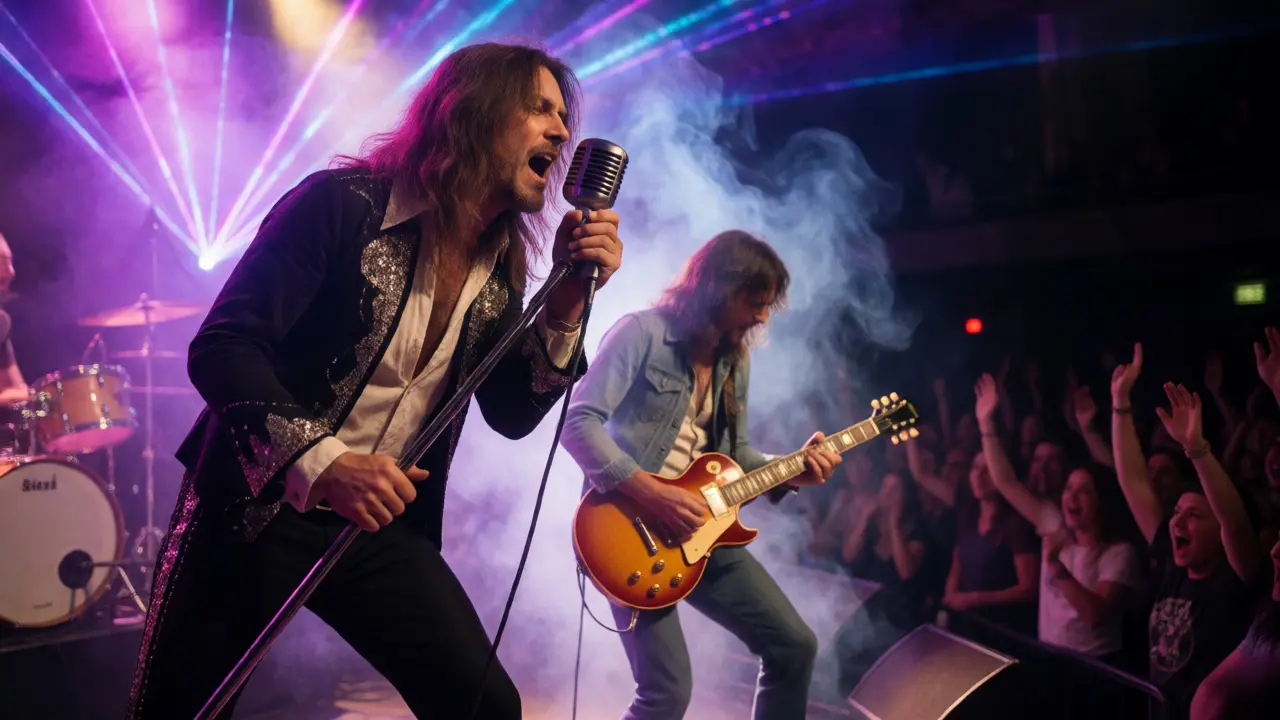
In a city like Portland, Oregon, community ties matter more than national ad buys. Starr’s strategy heavily relies on hyper-local partnerships. She doesn’t just ask radio stations to play the song; she asks them to host contests where listeners win backstage passes or meet-and-greets with the tribute artists.
But it goes beyond media. Think about the ecosystem around your audience. Who else is spending money on experiences? Breweries, vintage clothing stores, record shops, and even car dealerships (especially those selling classic cars) are prime partners. A partnership with a local brewery could mean a special "Led Zeppelin Lager" served exclusively at the show. This adds value to the ticket and gives the partner a reason to promote the event to their own customer base.
| Feature | Traditional Promotion | Alliance-Driven Strategy |
|---|---|---|
| Primary Channel | Radio/Flyers | Social Proof/Partnerships |
| Audience Engagement | Passive Listening | Active Participation (Contests) |
| Cost Efficiency | High Cost per Impression | Shared Resources/Low Cost |
| Conversion Driver | Awareness | FOMO (Fear Of Missing Out) |
Creating Scarcity and FOMO
Nothing sells tickets faster than the fear of missing out. If your venue holds 500 people and you have sold 400, tell people there are only 100 left. Even if you haven’t sold that many yet, create tiers. Early bird pricing ends soon. VIP packages include a signed setlist. These tactics create artificial scarcity that drives action.
Alli Starr often uses "limited release" models for merchandise tied to the event. Maybe the tribute band releases a limited-edition vinyl pressing of their live album, available only at the door. This turns the concert into a collector’s item. Fans aren’t just coming to hear music; they’re coming to acquire a piece of the experience.
The Role of Visual Identity and Authenticity
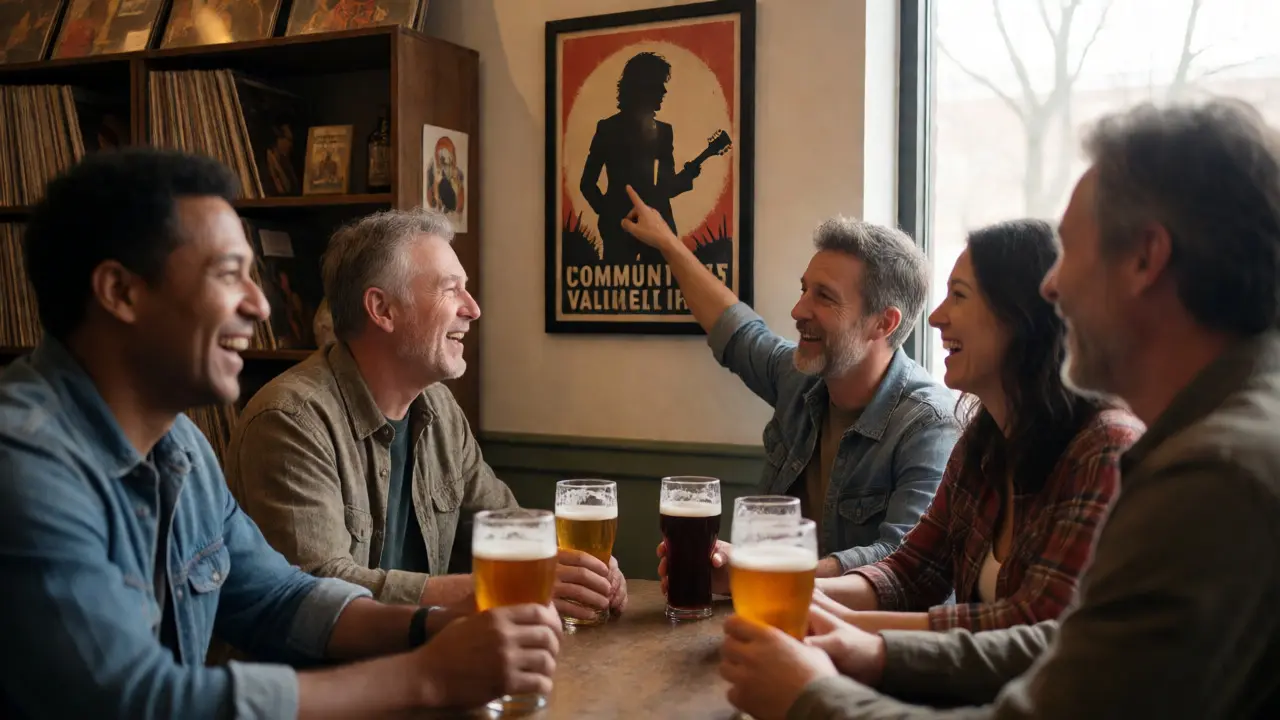
In the age of Instagram, visual appeal is non-negotiable. Your tribute band needs to look the part. If you’re promoting a Pink Floyd tribute, the lighting rig matters as much as the bassline. Invest in professional photography and video teasers that highlight the visual spectacle.
Starr advises creating short-form video content-Reels, TikToks, Shorts-that showcases the most impressive moments. A 15-second clip of the lead singer hitting a perfect high note while wearing the iconic outfit can generate more engagement than a month of static image posts. Ensure your Social Media Marketing is the use of social media platforms to connect with your audience to build your brand, increase sales, and drive website traffic focused on shareable, high-quality visuals.
Post-Event Engagement: Turning Attendees into Ambassadors
The sale doesn’t end when the lights go up. What happens after the show determines your success for the next one. Encourage attendees to post photos and videos using a specific hashtag. Repost user-generated content immediately. This provides free advertising and validates the experience for future buyers.
Send a follow-up email within 24 hours thanking them for attending. Include links to purchase official merchandise or sign up for early access to the next show. This keeps the momentum going and builds a database of engaged fans who are likely to return.
How far in advance should I start marketing a tribute show?
Start at least 6-8 weeks out. Initial awareness campaigns begin 8 weeks prior, with targeted ads and partnership announcements ramping up 4 weeks before the event. Last-minute pushes focus on scarcity and remaining inventory.
Do tribute bands need different marketing than original acts?
Yes. Original acts market novelty and new artistry. Tribute bands market familiarity and comfort. Your messaging should emphasize accuracy, nostalgia, and the communal joy of hearing familiar hits live, rather than trying to convince people to discover something new.
What is the biggest mistake promoters make with tribute shows?
Treating them as generic cover bands. Failing to differentiate the tribute act by highlighting their specific dedication to authenticity, costume, and stage presence leads to lower perceived value and weaker ticket sales.
How important are local partnerships?
Critical. Local businesses provide cross-promotion opportunities that expand your reach without increasing your ad budget significantly. They lend credibility and integrate the event into the local cultural fabric.
Can digital ads replace traditional flyers for tribute shows?
Digital ads offer better targeting and tracking, but physical presence still matters in local communities. A hybrid approach works best: use digital for precise targeting and conversion, and physical materials for broad local awareness and tangible reminders.