Walk into any theater or film set, and you might not notice the clothes at first. But if you look closer, you’ll see that every stitch and strand of hair is doing heavy lifting. Alli Starr is a costume designer and stylist who uses wardrobe and hair to establish character power dynamics without a single line of dialogue. Her work doesn’t just dress characters; it tells you who holds the room. In her projects, a simple change in silhouette or texture can shift the audience’s perception of a character’s status within seconds. This isn’t magic-it’s intentional visual grammar.
The Language of Fabric and Form
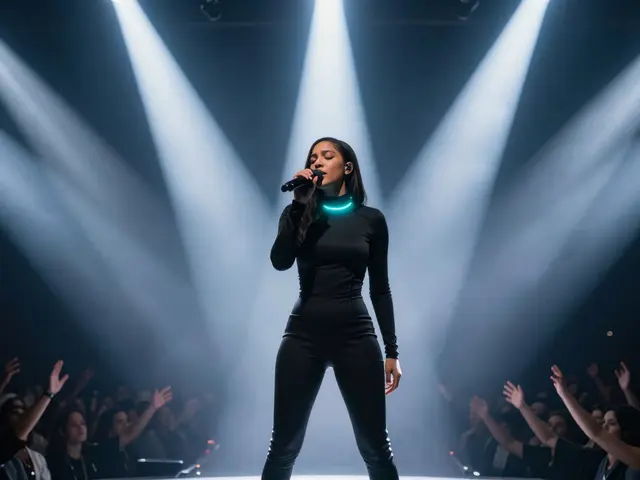
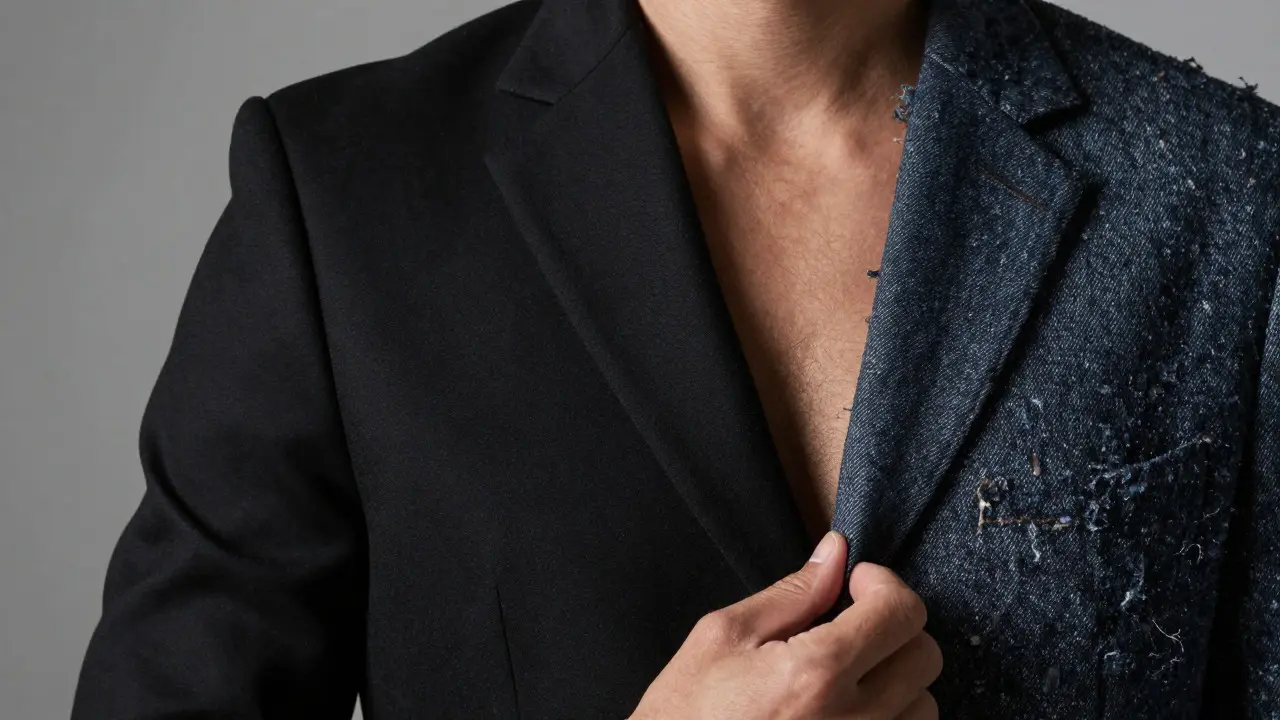
When we talk about narrative authority, we’re talking about how a viewer instantly understands who is in charge. Alli Starr treats clothing as a non-verbal language. She relies on three core elements: structure, texture, and color saturation. Structure refers to the rigidity of the garment. A tailored blazer with sharp shoulders signals control and professionalism. Think of a CEO walking into a boardroom. The fabric holds its shape because the person inside expects to be respected. Texture adds emotional weight. Rough, unpolished fabrics like raw denim or wool tweed suggest vulnerability or working-class grit. Smooth silk or satin, by contrast, implies wealth and ease. Color saturation dictates visibility. High-saturation reds and blues draw the eye immediately, marking the character as the focal point of the scene. Muted tones push the character into the background, signaling subservience or observation rather than action.
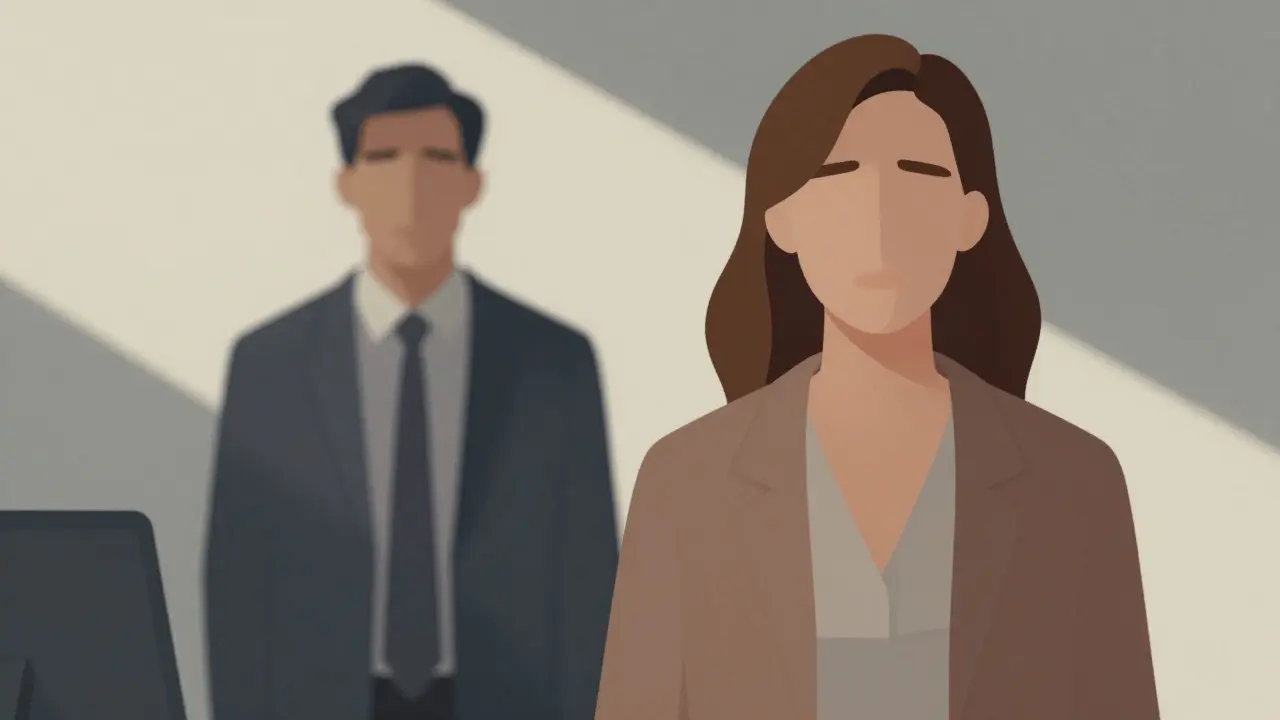
Starr often uses these elements in combination. For example, a character might wear a muted grey suit (low saturation) but with extremely sharp tailoring (high structure). This creates a tension: the character is powerful but hidden. They are watching, not yet acting. This subtle layering allows the audience to feel the character’s internal state before they even speak.
Hair as a Dynamic Indicator
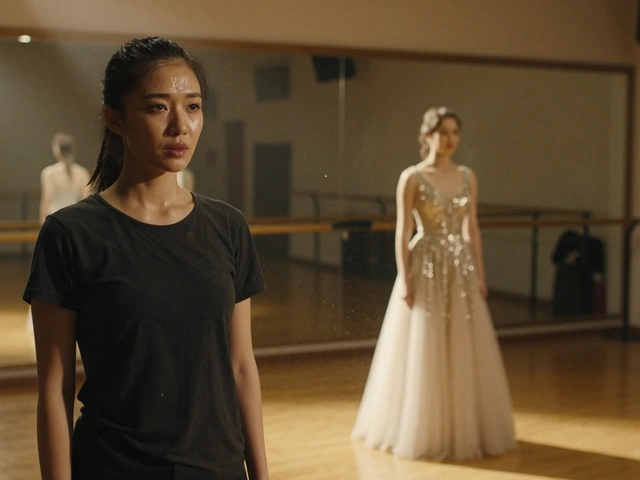
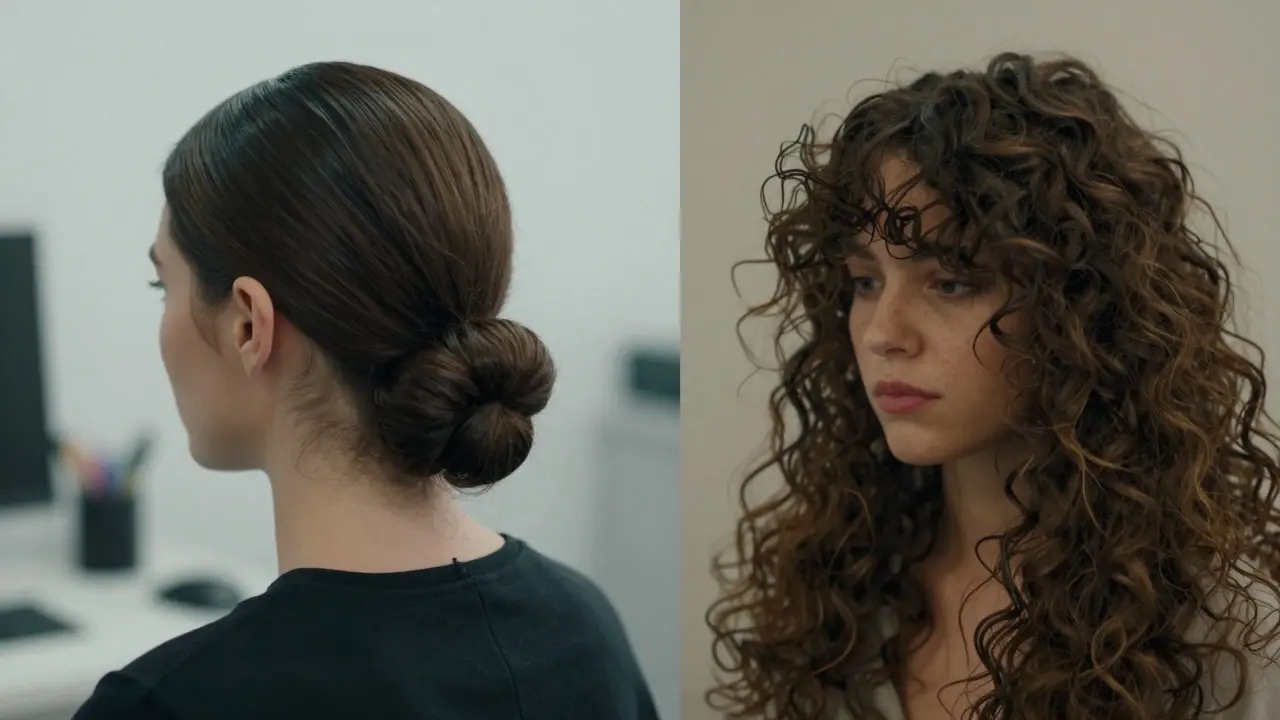
If costume sets the baseline for authority, hair provides the real-time updates. Hair is one of the few aspects of a character’s appearance that can change quickly between scenes. It reflects immediate emotional states and shifts in power. Starr categorizes hair signals into two main groups: containment and release. Contained hair-tied back tightly, slicked down, or covered by a hat-signals focus, discipline, and readiness for action. It suggests the character has their thoughts in order. Released hair-loose waves, messy buns, or wild curls-signals chaos, creativity, or loss of control. When a character transitions from contained to released hair, the audience reads it as a breakdown of composure or a shift from professional duty to personal emotion.
Consider a courtroom drama. The prosecutor starts the day with hair pulled back in a severe bun. As the trial drags on and stress mounts, strands begin to escape. By the final argument, the hair is loose and disheveled. No words are needed to show that the pressure is breaking through the facade. This technique keeps the visual storytelling tight and efficient.
Case Study: The Power Shift in "The Glass House"
In the 2024 indie film *The Glass House*, Alli Starr designed the costumes for two rival executives, Elena and Marcus. At the start of the film, Elena wears structured black suits with minimal jewelry. Her hair is always in a sleek low ponytail. This signals that she is rigid, controlled, and perhaps cold. Marcus, meanwhile, wears softer fabrics like cashmere and linen. His hair is slightly tousled. He appears approachable and relaxed. The audience naturally sides with Marcus, assuming he is the human element and Elena is the antagonist.
However, halfway through the film, the dynamic flips. After a corporate scandal, Elena begins wearing open-collar shirts under blazers. Her hair is let down in soft waves. These changes signal that she is dropping her armor. She is becoming vulnerable. Meanwhile, Marcus starts wearing tighter, more restrictive clothing. His hair becomes neatly combed. He is losing his freedom. The audience realizes that the rigid character was actually the prisoner, while the relaxed character was the jailer. This reversal demonstrates how costume and hair can subvert expectations and reveal deeper truths about power structures.
Practical Applications for Creators
You don’t need a Hollywood budget to use these techniques. Whether you are writing a novel, directing a short film, or designing a brand identity, you can apply these principles. Start by defining your character’s initial power level. Do they hold the room, or do they seek approval? Choose a base silhouette that matches this status. If they are authoritative, go for structure. If they are seeking connection, go for flow. Next, plan your hair arc. How does their hair change when they win? When they lose? When they are alone versus in public? Map these changes to key plot points. Finally, consider the color palette. Are you using bright colors to highlight their journey, or muted tones to show their isolation? These small decisions accumulate to create a cohesive visual narrative.
Common Pitfalls to Avoid
One common mistake is over-dressing the authority. If every character looks like a CEO, no one stands out. Contrast is key. You need low-authority visuals to make high-authority ones pop. Another pitfall is ignoring context. A leather jacket signals rebellion in a punk rock movie, but it signals toughness in a police procedural. Always align your visual cues with the genre and setting. Lastly, don’t forget the movement. How the character moves in the clothes matters as much as the clothes themselves. A confident stride in a loose dress can signal more authority than a slouched posture in a tailored suit.
Frequently Asked Questions
What is narrative authority in visual storytelling?
Narrative authority refers to the visual cues that tell the audience who holds power or control in a scene. It includes costume, hair, posture, and color choices that signal status and dominance without verbal explanation.
How does hair style affect character perception?
Hair acts as a dynamic indicator of a character's mental state. Contained styles like buns or slicked-back hair suggest discipline and control, while loose or messy hair suggests vulnerability, chaos, or emotional release.
Can costume design change a character's perceived gender role?
Yes, by subverting traditional expectations. For example, a female character wearing sharp, structured menswear can signal authority typically associated with male roles, while a male character in soft, flowing fabrics can signal vulnerability or openness.
What is the role of color saturation in signaling status?
High saturation colors like bright reds and blues draw attention and mark a character as the focal point of the scene, often indicating high status or active agency. Muted tones push characters into the background, suggesting lower status or passive observation.
How can writers use these visual cues in prose?
Writers can describe specific details of clothing and hair to imply character traits. Instead of saying a character is confident, describe them standing tall in a structured coat with hair pulled back tightly. This shows the reader the authority rather than telling them directly.