Most artists think of touring as a way to sell tickets and clear the tour van. But for Alli Starr, a contemporary folk artist known for blending acoustic guitar with electronic textures, international residencies have been the real engine of her creative growth. While short-term tours keep the lights on, long stays in foreign cities force a musician to listen differently. They strip away the familiar safety net of home routines and replace it with the raw, unfiltered sounds of a new culture. This shift doesn't just change where you play; it changes how you compose, arrange, and even sing.
The core of this transformation lies in the concept of musical vocabulary. Think of it not as a dictionary of songs, but as the set of tools an artist uses to express emotion. When you stay in one place, your tools tend to get polished but rarely expanded. You refine what you already know. However, when you live abroad for weeks or months, you are exposed to new rhythmic patterns, harmonic structures, and vocal techniques that challenge your existing habits. For Starr, this meant moving beyond standard Western pop progressions into more complex modal frameworks inspired by her time in Europe and Asia.
The Difference Between Touring and Residing
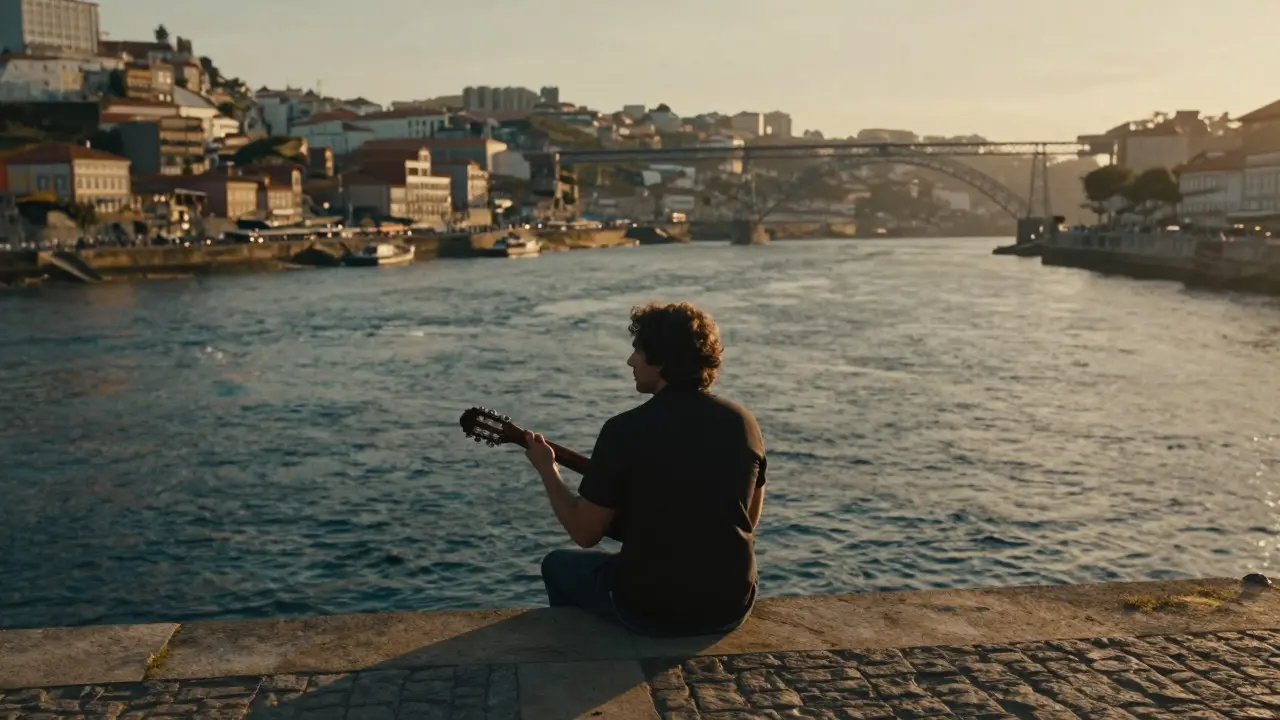
There is a distinct line between a global tour and a residency. A tour is transient. You arrive, perform, pack up, and leave. Your brain is in survival mode, focused on logistics: visa paperwork, flight delays, and soundcheck times. There is little room for deep artistic absorption. In contrast, a residency implies a temporary home base. It allows for the slow burn of cultural integration. During her 2024 residency in Lisbon, Starr spent three months living in a small apartment near the river. She wasn't just playing clubs; she was attending local fado gatherings, cooking with neighbors, and learning the specific lilt of Portuguese speech. This immersion allowed her to absorb the melancholic, minor-key aesthetics of fado music naturally, rather than trying to force them into a song written in a studio back in Portland.
This distinction matters because creativity requires low stress and high curiosity. Tours are high-stress environments. Residencies offer the stability needed for experimentation. When Starr returned from Lisbon, her album Tides of Stone featured a track called "River Bend" that utilized a non-standard time signature of 7/8. This rhythm didn't come from a theory book; it came from watching the flow of the Tagus River during her daily walks. The connection between environment and output is direct and tangible.
Specific Cultural Influences on Her Sound
Starr’s work demonstrates clear evidence of cross-pollination from her time abroad. One of the most notable shifts is in her use of microtonal intervals. In traditional Western music, we stick to the twelve-tone equal temperament system. However, during her residency in Istanbul, she spent time with local musicians who used the Maqam system, a melodic mode system based on scales and ornamentation. Instead of avoiding these subtle pitch variations, Starr began incorporating them into her vocal delivery. This gave her voice a shimmering quality that listeners often describe as "haunting" or "ethereal." It’s a technical detail, but the emotional impact is significant. It adds a layer of complexity that resonates with audiences who feel that standard pop harmonies can sometimes be too predictable.
Beyond melody, rhythm has also evolved. Before her overseas experiences, Starr’s drumming and percussion were rooted in standard 4/4 rock and folk beats. After spending two months in a rural community in Japan, she became fascinated by the concept of Ma, which refers to negative space or silence in Japanese aesthetics. She started leaving longer pauses between phrases in her songs. These silences aren't empty; they are active components of the composition. In her recent single "Quiet Storm," there is a four-second gap before the final chorus. This pause forces the listener to lean in, creating a moment of intense anticipation. It’s a structural choice born directly from observing how Japanese theater and music treat silence as a tool for emphasis.

The Role of Language and Lyrics
Language plays a huge role in expanding a musician's vocabulary, even if the audience doesn't understand every word. When Starr lived in Paris, she attended poetry slams and jazz cafés where French was spoken rapidly and with intricate vowel sounds. She started writing lyrics that prioritized phonetics over literal meaning. This approach allows her to convey emotion through the texture of the words themselves. For example, in the song "Paris Rain," the lyrics use hard consonants to mimic the sound of rain hitting pavement, while soft vowels create a sense of mist. This technique, known as onomatopoeic lyricism, adds another layer of sensory experience to her music. It shows that listening to a language closely can change how you write, even if you never speak it fluently.
Furthermore, living abroad forces an artist to confront their own cultural biases. In the US, there is a strong emphasis on individual expression and linear storytelling. In many other cultures, music is communal and cyclical. During her time in West Africa, Starr participated in village drum circles where the focus was on group cohesion rather than solo virtuosity. This experience humbled her and shifted her perspective on collaboration. She now writes songs with built-in call-and-response sections, inviting the audience to participate. This isn't just a gimmick; it reflects a deeper understanding of music as a social bond rather than just a performance product.
Practical Challenges of Long-Term Immersion
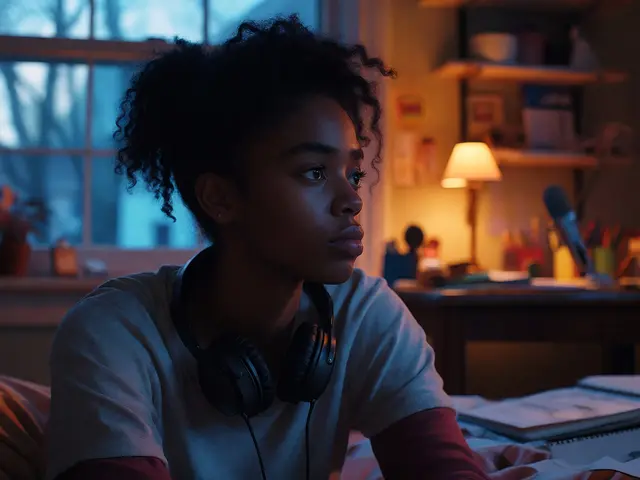
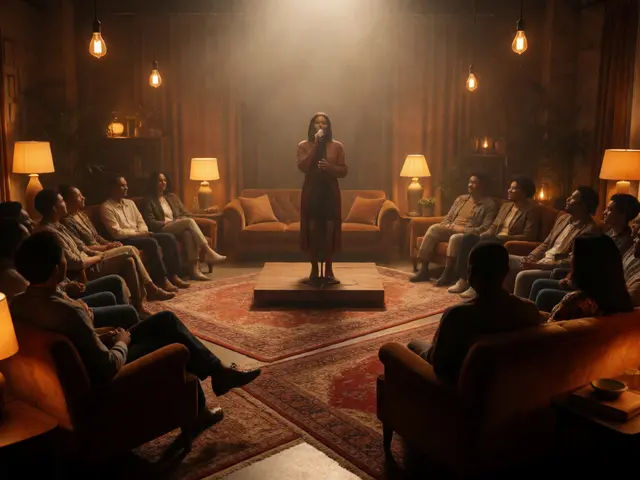
It isn't all inspiration and epiphany. Expanding your musical vocabulary through residency comes with practical hurdles. The biggest challenge is isolation. Being far from your support network can lead to creative blocks. Starr admits that her first month in London was difficult. She missed her friends and struggled to find motivation. To combat this, she established a routine of daily journaling and local meetups. She joined a choir in her neighborhood, which helped her connect with locals and maintain her vocal health. This social anchoring is crucial. Without it, the residency can become lonely rather than liberating.
Another challenge is financial planning. Residencies require a stable income source or substantial savings. Unlike tours, which generate revenue per show, residencies often have fixed stipends or rely on grant funding. Artists need to budget carefully, accounting for rent, food, and travel costs within the host country. Currency fluctuations can also eat into profits. For instance, when the Euro strengthened against the Dollar in 2025, Starr had to adjust her pricing for merchandise sales in Europe to maintain her profit margins. These logistical details don't make headlines, but they determine whether an artist can actually afford to take the time to grow.

How Fans Perceive the Change
Does the audience notice? Absolutely. Long-time fans of Starr often comment on the "depth" of her newer material. They might not know the term "Maqam" or "Ma," but they feel the difference. Reviews of her post-residency albums frequently mention a sense of "space" and "texture" that was absent in her earlier work. This perception validates the effort. It shows that taking the risk to live abroad pays off in terms of artistic credibility and fan loyalty. People can tell when an artist is genuinely influenced by something versus when they are just copying trends. The authenticity of the experience shines through in the music.
Moreover, the diversity of her influences attracts new audiences. Listeners who appreciate world music or experimental folk are drawn to her work because it bridges genres. This cross-pollination helps her reach markets that might have ignored her if she had stayed strictly within the American indie-folk scene. By expanding her vocabulary, she expanded her audience. It’s a win-win scenario that proves the value of stepping out of one's comfort zone.
Lessons for Other Musicians
If you’re considering an overseas residency, here are a few key takeaways from Starr’s journey. First, go with intention. Don’t just pick a city because it’s famous. Choose a place where the music scene aligns with your goals. If you want to explore electronic music, Berlin might be better than a quiet village in Italy. Second, learn basic phrases in the local language. Even rudimentary skills show respect and open doors. Third, document everything. Keep a notebook of rhythms you hear, melodies you like, and conversations you have. These notes will fuel your songwriting later. Finally, give yourself time. Real change doesn’t happen in a week. It takes months of consistent exposure to truly internalize new sounds.
Ultimately, Alli Starr’s story illustrates that musical vocabulary is not static. It grows through experience, observation, and courage. By choosing to live abroad, she didn’t just add new songs to her catalog; she added new ways of thinking about music itself. For any artist looking to break through a creative plateau, the answer might not be a new piece of gear or a different producer. It might be a plane ticket to a place where you don’t belong yet.
What is the main difference between a tour and a residency?
A tour is short-term and focused on performance logistics, while a residency is a longer stay that allows for cultural immersion and creative experimentation. Residencies provide the stability needed for deep artistic growth, whereas tours are primarily about reaching new audiences quickly.
How did living in Istanbul affect Alli Starr’s vocal style?
Living in Istanbul exposed Starr to the Maqam system, which uses microtonal intervals. She began incorporating these subtle pitch variations into her singing, giving her voice a more ethereal and haunting quality compared to her previous standard Western tuning.
What is 'Ma' in the context of music?
Ma is a Japanese aesthetic concept referring to negative space or silence. In music, it involves using strategic pauses to create tension and emphasis. Starr learned this during her residency in Japan and now uses longer gaps between phrases to engage listeners more deeply.
Are overseas residencies financially viable for independent artists?
They can be, but they require careful planning. Unlike tours, residencies may not generate immediate revenue per show. Artists often rely on grants, fixed stipends, or savings. Budgeting for living expenses and currency fluctuations is essential to ensure the residency remains sustainable without draining resources.
Do fans notice changes in an artist's music after they live abroad?
Yes, fans often perceive a greater depth and texture in the music. While they may not identify specific technical changes like time signatures or scales, they recognize the increased complexity and authenticity. This can also attract new audiences who appreciate world music or experimental styles.