You probably heard that voice. It’s the one that screams "Mortal Kombat" over a trap beat so heavy it rattles your car windows. But who is Alli Starr and why does her story feel less like a standard pop biography and more like a case study in psychological resilience? Most artists talk about their influences or their gear. Alli talks about survival. Her journey from a quiet kid in New Jersey to a global streaming sensation isn’t just about talent; it’s about maintaining a specific kind of fearlessness that started long before she ever stepped into a recording booth.
The Origin of Fearlessness
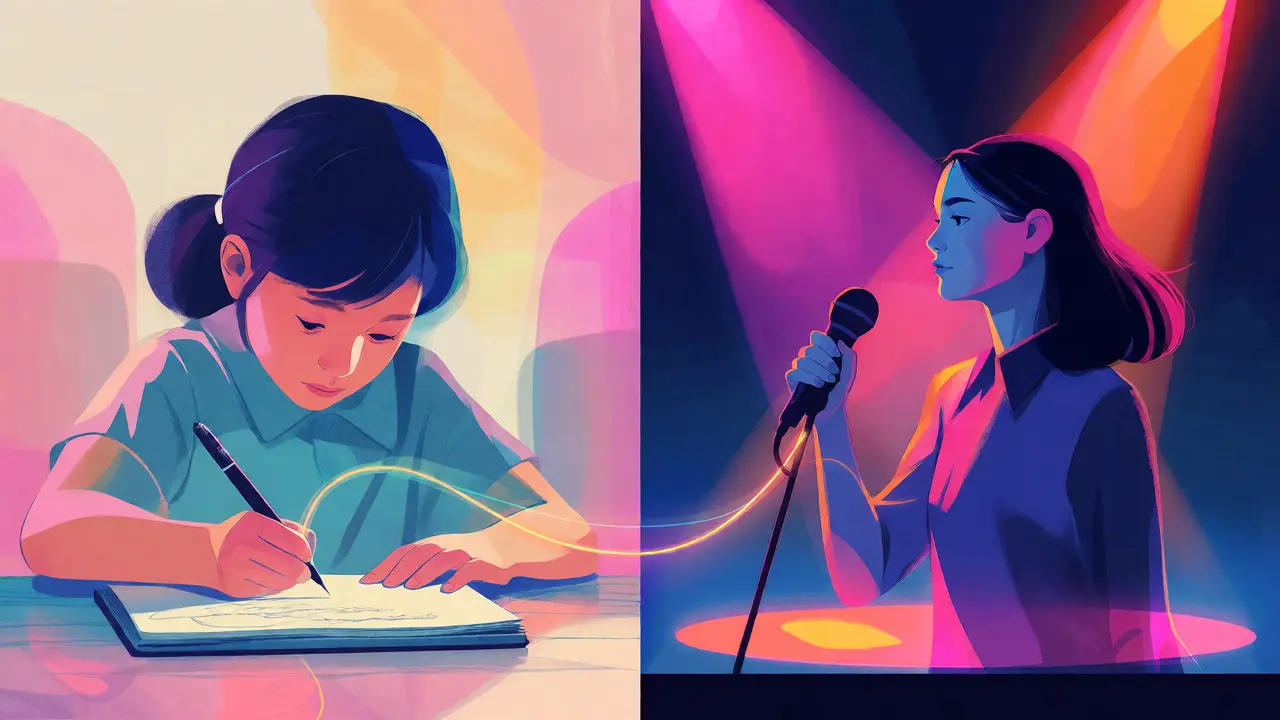
Let’s get one thing straight: fearlessness isn’t the absence of fear. If you think Alli Starr was born without anxiety, you’re missing the point. The concept of "fearlessness" in her narrative is actually about action despite discomfort. Growing up, she wasn’t the loudest person in the room. She was an observer. This trait is crucial for understanding her later work. Many successful creatives share this background-they watch, they absorb, and then they explode onto the scene with a perspective others missed. For Alli, this meant turning inward when the world got too loud, using music as a container for emotions that didn’t have words yet.
This early phase of her life established what psychologists might call "psychological continuity." That’s a fancy term for something simple: keeping your core self intact while your external circumstances change wildly. When you go from posting snippets on SoundCloud to performing at major festivals, most people crack under the pressure. They try to become someone else. Alli didn’t. She doubled down on the raw, unpolished honesty that defined her childhood expressions. This consistency is rare in the music industry, where reinvention is often mistaken for growth.
Musical Identity and Genre Fluidity
So, how did this internal stability translate into sound? Alli Starr doesn’t fit neatly into a box, and that’s by design. Her music blends elements of R&B, Hip-Hop, and Pop. Critics sometimes struggle to categorize her, but fans don’t care about labels. They care about feeling. Tracks like "Freak" or "I Don’t Wanna Be Alone" showcase a vocal style that is both vulnerable and aggressive. This duality mirrors the "fearless child" archetype-someone who can be shy one moment and fiercely protective the next.
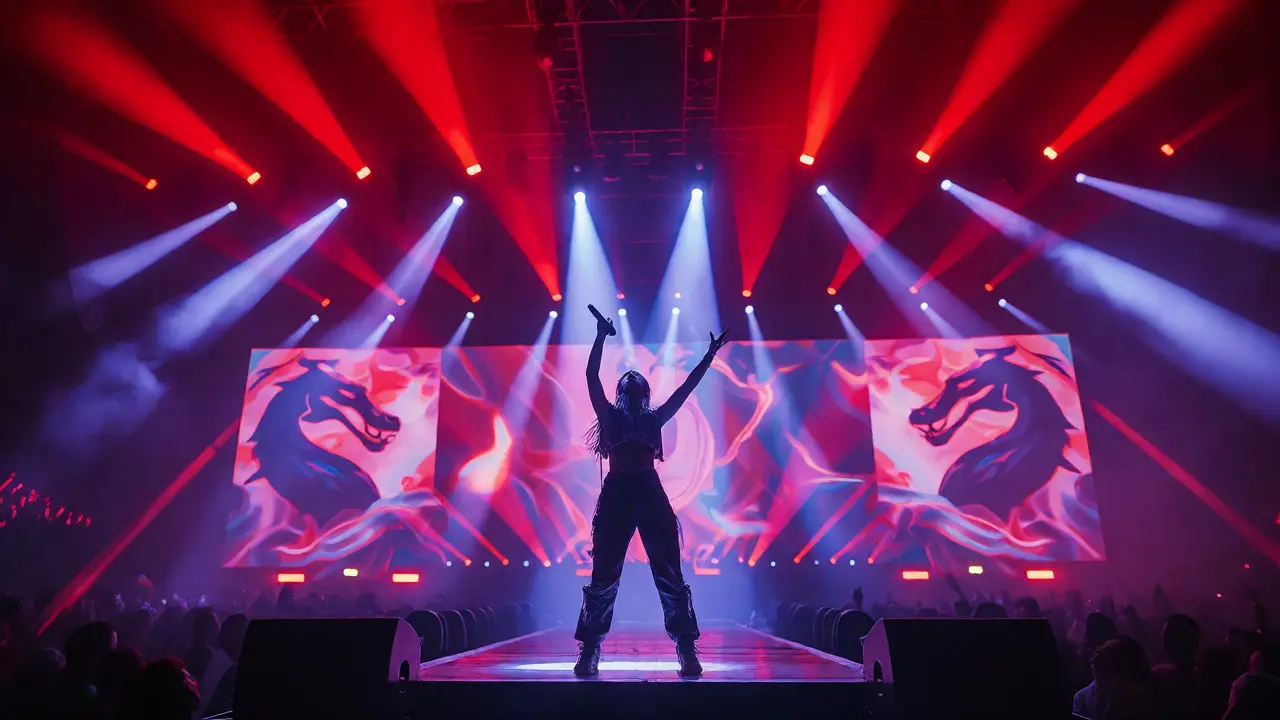
Consider her collaboration on the Mortal Kombat soundtrack. This wasn’t just a gig; it was a cultural crossover. By contributing to a franchise known for its visceral intensity, Alli aligned herself with themes of combat, survival, and power. Yet, she brought her signature melodic softness to the table. This juxtaposition is key to her appeal. She proves that strength doesn’t have to look hard or cold. It can sound like a whisper that eventually becomes a roar.
| Psychological Trait | Childhood Manifestation | Artistic Expression |
|---|---|---|
| Observational Nature | Quietly watching social dynamics | Detailed storytelling in lyrics |
| Emotional Sensitivity | Feeling deeply, sometimes overwhelmed | Raw, emotive vocal delivery |
| Resilience | Navigating family changes | Consistent output despite industry pressure |
| Ambition | Imagining bigger worlds | Pursuing global collaborations |
The Digital Bridge: Social Media as Therapy
Before she had a record deal, Alli had Instagram and SoundCloud. These platforms weren’t just marketing tools; they were therapeutic outlets. Posting content allowed her to test which parts of her personality resonated with others. This feedback loop helped solidify her identity. She learned that being "weird" or "too much" was actually a selling point. In a way, social media validated her inner world. It told her that the feelings she thought were private were actually universal.
This digital intimacy created a parasocial bond with fans that feels unusually genuine. People don’t just listen to Alli Starr; they feel seen by her. This connection is powerful because it bypasses the typical celebrity distance. When she shares struggles with mental health or self-doubt, fans respond with empathy rather than judgment. This dynamic reinforces her psychological continuity. The girl who felt different online became the woman who celebrated difference on stage.
Collaborations as Validation
Working with other artists often tests an artist’s boundaries. For Alli, collaborations with figures like GloRilla or Tyla served as external validations of her instinct. Each partnership required adapting her style while keeping her core voice intact. Did she lose herself in the process? No. Instead, she expanded her toolkit. She learned to navigate different production styles and lyrical approaches without compromising her emotional truth.
These interactions highlight a critical aspect of professional maturity: knowing when to yield and when to stand firm. In the studio, Alli listens first. She absorbs the vibe of the track before imposing her own ideas. This approach stems from her observational roots. She understands that music is a conversation, not a monologue. This humility makes her a desirable collaborator, even as her star rises.
Sustaining Momentum in a Volatile Industry
The music business is notorious for burning out young talent. The pressure to produce hits, maintain relevance, and manage public perception can erode any sense of self. How has Alli managed to stay grounded? Part of it is her team. Surrounding yourself with people who knew you before the fame helps anchor your reality. But mostly, it comes back to that initial spark of fearlessness. She treats her career like a marathon, not a sprint. She releases music when it feels right, not just when the algorithm demands it.
This pacing allows for deeper creative exploration. It also protects mental health. By prioritizing authenticity over volume, she builds a catalog that ages well. Listeners return to her songs years later because they capture a specific emotional state that remains relevant. This longevity is the ultimate proof of psychological continuity. The artist hasn’t changed; the audience has simply grown alongside her.
What This Means for Aspiring Artists
If you’re trying to break into the industry, Alli Starr’s path offers a blueprint. You don’t need to invent a new persona. You need to uncover the one that already exists within you. Start small. Share your work imperfectly. Listen to feedback but filter it through your own values. Build connections based on shared emotion, not just networking transactions.
Fearlessness is a practice. It’s choosing to hit "post" when you’re scared. It’s singing off-key in a demo and leaving it in because it sounds real. It’s trusting that your unique perspective has value, even if it doesn’t match the current trend. Alli Starr didn’t become a fearless artist by accident. She became one by refusing to let fear dictate her choices.
Who is Alli Starr?
Alli Starr is an American singer-songwriter and rapper known for her genre-blending style that mixes R&B, hip-hop, and pop. She gained widespread recognition through social media platforms like TikTok and SoundCloud before securing major label deals and high-profile collaborations.
What does "fearless child" refer to in Alli Starr's story?
The term refers to her childhood tendency to observe and feel deeply without letting societal expectations suppress her true self. It highlights her ability to act authentically despite potential social discomfort, a trait she carried into her professional career.
How did social media impact Alli Starr's career?
Social media served as both a testing ground for her music and a therapeutic outlet. It allowed her to build a direct, intimate connection with fans who resonated with her vulnerability, helping to validate her artistic identity before traditional industry support.
Why is psychological continuity important for artists?
It ensures that an artist maintains their core identity and values despite changing fame levels and market pressures. This consistency helps prevent burnout and keeps the art authentic, fostering long-term loyalty from listeners.
What are some notable collaborations by Alli Starr?
She has collaborated with various artists across genres, including contributions to the Mortal Kombat soundtrack and partnerships with prominent figures in the hip-hop and R&B scenes, showcasing her versatility.