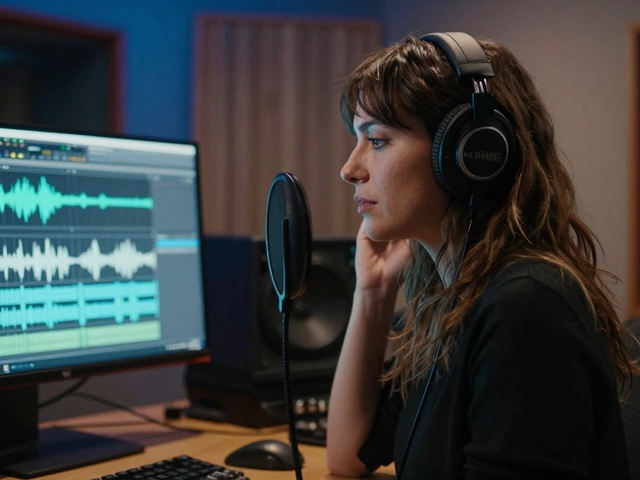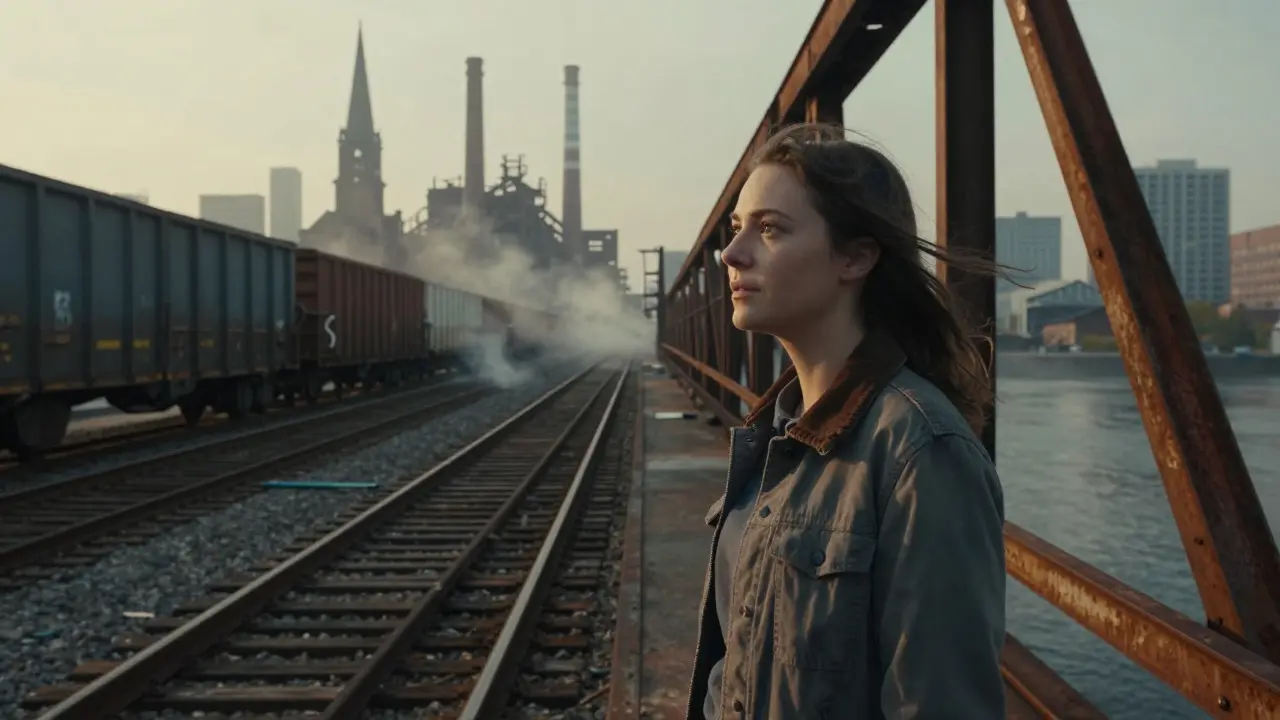
East Chicago isn’t just a zip code on a map; it’s a sonic fingerprint. For Alli Starr, an emerging R&B vocalist known for blending soulful textures with modern production, the city served as both a classroom and a crucible. Growing up in this industrial hub on the Indiana side of the Chicago metro area didn’t just give her a place to live-it gave her a specific way of hearing music. The clatter of freight trains mixed with gospel harmonies from local churches created a unique auditory landscape that defined her early years. This environment taught her that resilience is a musical trait, not just a personal one.
The Sound of Industry: Living in the Shadow of Steel
East Chicago has long been associated with manufacturing, particularly steel and automotive parts. For a young musician, this background might seem counterintuitive to the polished world of pop or R&B. However, Starr’s early exposure to the rhythmic patterns of industrial work influenced her sense of timing. She often cites the steady, unyielding beat of factory machinery as a metaphor for the groove she seeks in her vocals. It’s not about chaos; it’s about precision within repetition.
- Rhythmic Discipline: Industrial environments demand consistency. Starr learned to hold notes with similar stability, avoiding unnecessary vibrato where clarity was needed.
- Durability: Just like the infrastructure of the city, her vocal style prioritizes longevity over flashiness. Her tone is built to last through long sets without fatigue.
- Texture: The metallic sounds of the city translated into a preference for crisp, bright timbres in her recordings, contrasting with the darker, smokier tones often found in traditional blues.
Gospel Roots and Community Echoes
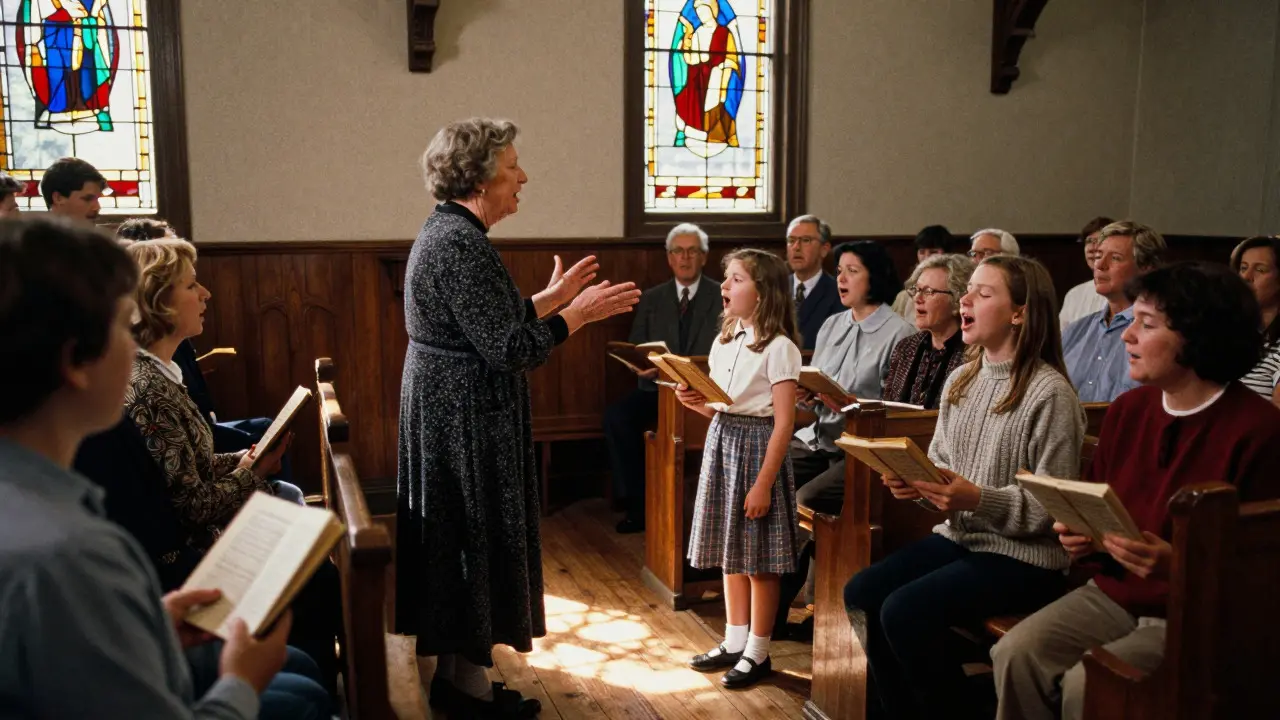
You can’t talk about East Chicago’s musical heritage without mentioning its deep roots in Gospel. Many families in the region attended church services that doubled as community gatherings. For Starr, these Sunday mornings were less about strict religious observance and more about communal expression. The call-and-response patterns used in worship became the foundation for her interaction with audiences later in her career.
Her grandmother, a choir director at a local congregation, played a pivotal role. Under her guidance, Starr learned how to project voice without amplification-a skill that remains central to her live performances. This training emphasized breath control and emotional authenticity over technical perfection. If you listen closely to her early demos, you can hear the raw, unpolished emotion that characterizes Gospel singing, stripped of studio effects but full of intent.
Navigating the Metro Periphery
Living in East Chicago meant being close enough to Chicago’s vibrant music scene to be inspired by it, yet far enough to develop a distinct identity. The commute to the city center exposed her to diverse genres, from house music in South Side clubs to jazz in Lincoln Park lounges. But returning home each night reminded her of who she was. This duality allowed her to absorb influences without losing her core sound. She didn’t try to sound like a Chicago artist; she sounded like an East Chicago artist who understood Chicago.
| Influence Source | Key Attribute | Impact on Vocal Style |
|---|---|---|
| Industrial Environment | Rhythmic Consistency | Precise timing, stable tone |
| Gospel Church Choirs | Emotional Projection | Breath control, authentic delivery |
| Chicago Urban Scene | Genre Diversity | Fusion of R&B, House, and Jazz elements |
The Role of Local Mentors and Peers
Starr’s development wasn’t solitary. In East Chicago, mentorship often happens through informal networks rather than formal academies. She credits several local musicians who ran open mic nights in small venues along Center Avenue. These spaces were gritty, low-budget, and incredibly honest. There was no hiding behind expensive production. If your voice wasn’t strong, the room would let you know. This feedback loop accelerated her growth significantly. She learned to read a room, adjust her setlist based on energy levels, and connect with listeners on a human level before worrying about chart positions.
One notable peer was a saxophonist who introduced her to the concept of "space" in music. He taught her that silence is as important as sound. This lesson transformed her approach to songwriting. Instead of filling every second with lyrics, she began leaving gaps for the listener to breathe. This minimalist approach, born from necessity in cramped rehearsal spaces, became a signature element of her artistic identity.

From Neighborhood to National Stage
As Alli Starr gained traction online, questions arose about whether her background would limit her appeal. Critics suggested that East Chicago’s reputation might hinder her crossover success. However, her fans embraced her origins. They saw her story as proof that musical excellence doesn’t require a privileged upbringing. Her early identity, forged in the intersection of industry and faith, provided a narrative depth that purely commercial artists often lack. Listeners connected with her vulnerability because it felt earned, not manufactured.
Today, when she performs, you can still hear the echoes of her hometown. The resilience of the steel mills, the warmth of the church choirs, and the diversity of the metro area all converge in her voice. East Chicago didn’t just shape her early musical identity; it anchored it. As she continues to evolve, that anchor ensures she never drifts too far from the source of her strength.
Frequently Asked Questions
What specific genre does Alli Starr perform?
Alli Starr primarily performs R&B, but her style incorporates elements of Soul, Gospel, and Neo-Soul. Her sound is characterized by smooth vocal lines and emotionally resonant lyrics that reflect her East Chicago upbringing.
How did living in East Chicago affect her vocal technique?
Growing up in an industrial area taught her rhythmic discipline and durability. Additionally, training in local Gospel choirs helped her master breath control and projection without relying heavily on microphones, resulting in a powerful and consistent live performance style.
Did she attend a formal music school?
No, Alli Starr did not attend a traditional conservatory. Her education came from family mentorship, local church choirs, and informal open mic experiences in East Chicago. This grassroots approach allowed her to develop a unique, unfiltered artistic voice.
What is the significance of the "industrial rhythm" in her music?
The term refers to the steady, repetitive beats she absorbed from the surrounding factories during her childhood. This influence manifests in her precise timing and stable tonal quality, giving her songs a grounded, mechanical yet organic feel that distinguishes them from smoother, less structured R&B productions.
How does her background compare to other artists from similar regions?
Unlike many artists from major metropolitan centers who focus on trend-driven sounds, Starr’s background in a peripheral industrial city gave her a stronger emphasis on authenticity and resilience. While artists from downtown Chicago might lean into high-energy club sounds, Starr’s work often prioritizes emotional depth and lyrical storytelling rooted in community experience.