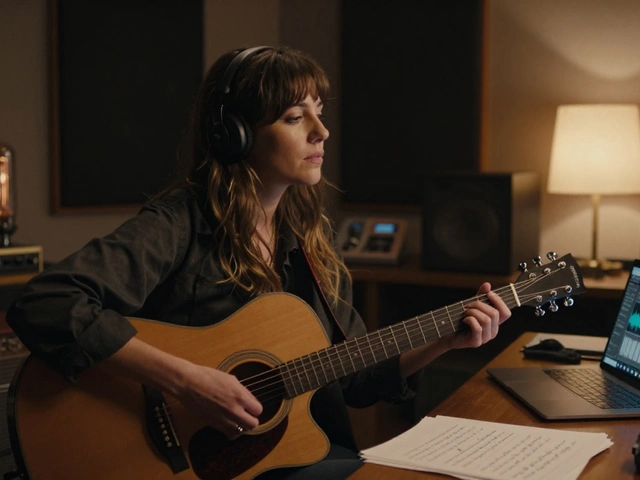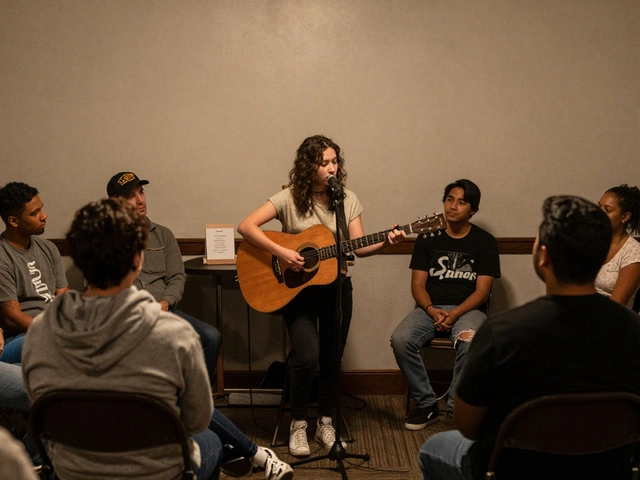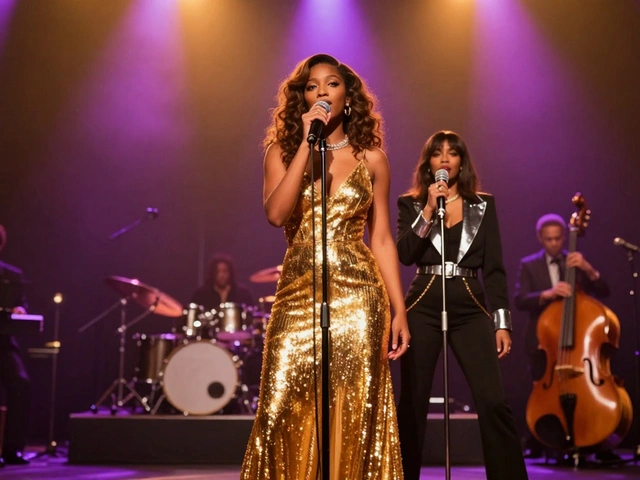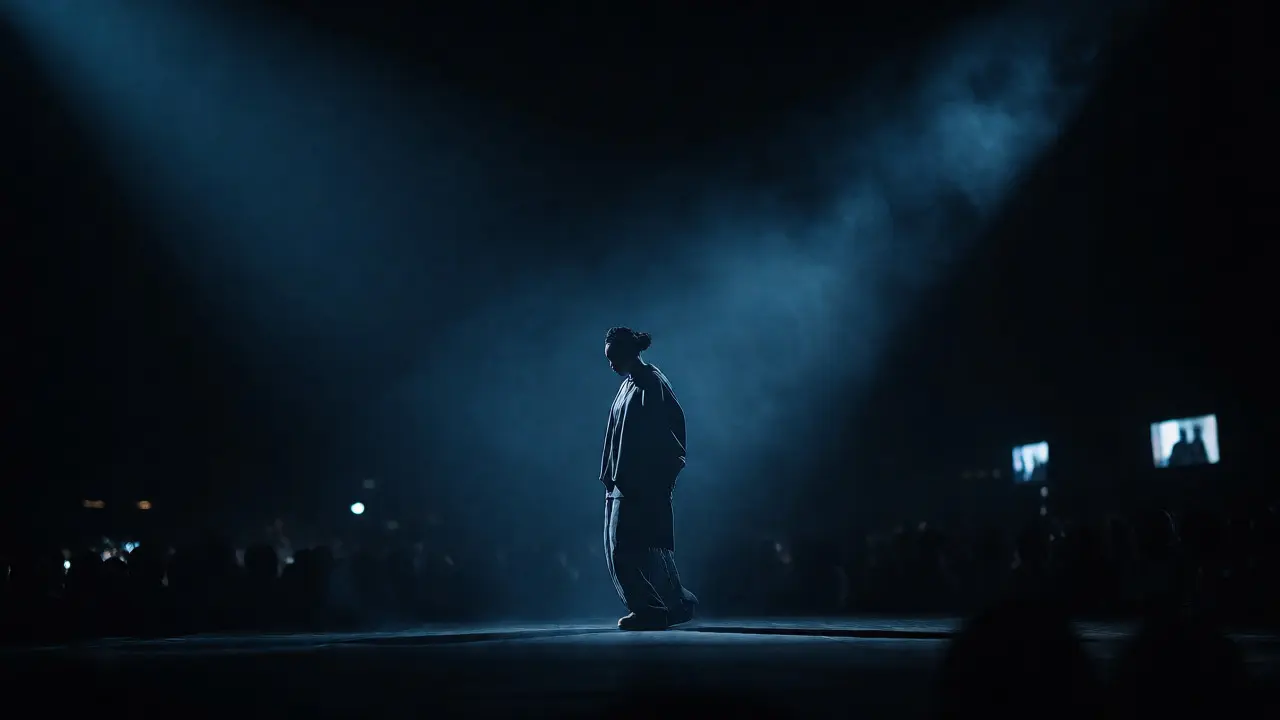
You walk into a venue expecting to hear songs. Instead, you get a movie. That is the Alli Starr experience. The San Francisco-based artist has built a reputation not just for her silky vocals, but for turning every stage into a cinematic universe. If you have ever wondered why her concerts feel so different from standard R&B gigs, look no further than the neon-soaked history of Las Vegas entertainment.
Vegas did not just invent the "show." It perfected the art of holding an audience captive through spectacle, pacing, and sheer audacity. While many artists focus solely on vocal perfection, Alli Starr understands that modern R&B fans crave immersion. She borrows the structural DNA of Vegas cabaret-where every transition matters, where costumes are characters, and where silence is as loud as sound-to craft a narrative arc in real-time. This isn't about copying Elvis or Celine Dion; it's about applying their engineering principles to contemporary genre-bending pop and R&B.
The Vegas Blueprint: Spectacle Over Static Performance
Traditional R&B concerts often follow a predictable pattern: band sets up, singer enters, songs play back-to-back, encore happens. Vegas changed this decades ago by treating the stage as a living set piece. Think of the elaborate transitions between acts in classic Cirque du Soleil shows or the seamless costume changes of Liberace. These weren't distractions; they were story beats.
Alli Starr adopts this philosophy. Her performances rarely feature static standing positions. Instead, she utilizes movement, lighting shifts, and prop integration to signal emotional changes in the song. When she moves from a vulnerable ballad to an upbeat track, the change isn't just musical-it's visual. The lights drop, the tempo rises, and her physical posture shifts. This mirrors the Vegas technique of using technical cues to guide the audience's emotional journey without them realizing they are being directed.
Why does this matter? Because attention spans are shorter now. A fan scrolling through Instagram Reels during a boring interlude might miss the next big moment. By maintaining high visual engagement, Starr keeps the audience locked in, much like a headliner at the Sphere in Las Vegas who uses immersive visuals to prevent any lull in energy.
Narrative Arcs: Treating Sets Like Albums
In Vegas, a show is never just a list of songs. It is a three-act structure. Act One introduces the character or theme. Act Two builds tension and complexity. Act Three delivers the climax and resolution. Alli Starr applies this rigid structure to her fluid, experimental R&B sets.
Consider her recent tour dates. They don't open with her biggest hit. They open with atmosphere. Often, this involves a spoken word intro or a stripped-back acoustic segment that establishes intimacy. This is the "hook" phase. Once the audience feels connected, she escalates the production value. Mid-set tracks bring heavier bass, more complex choreography, and louder instrumentation. This is the rising action. The finale isn't just a song; it's a release of all the accumulated energy, often involving audience participation or a sudden shift in tone that leaves the crowd wanting more.
This approach requires meticulous planning. You can't just wing a Vegas-style narrative. Every song choice must serve the plot. If a track doesn't advance the story, it gets cut, even if it's a fan favorite. This discipline separates professional showmen from amateur performers.
Costume as Character Development
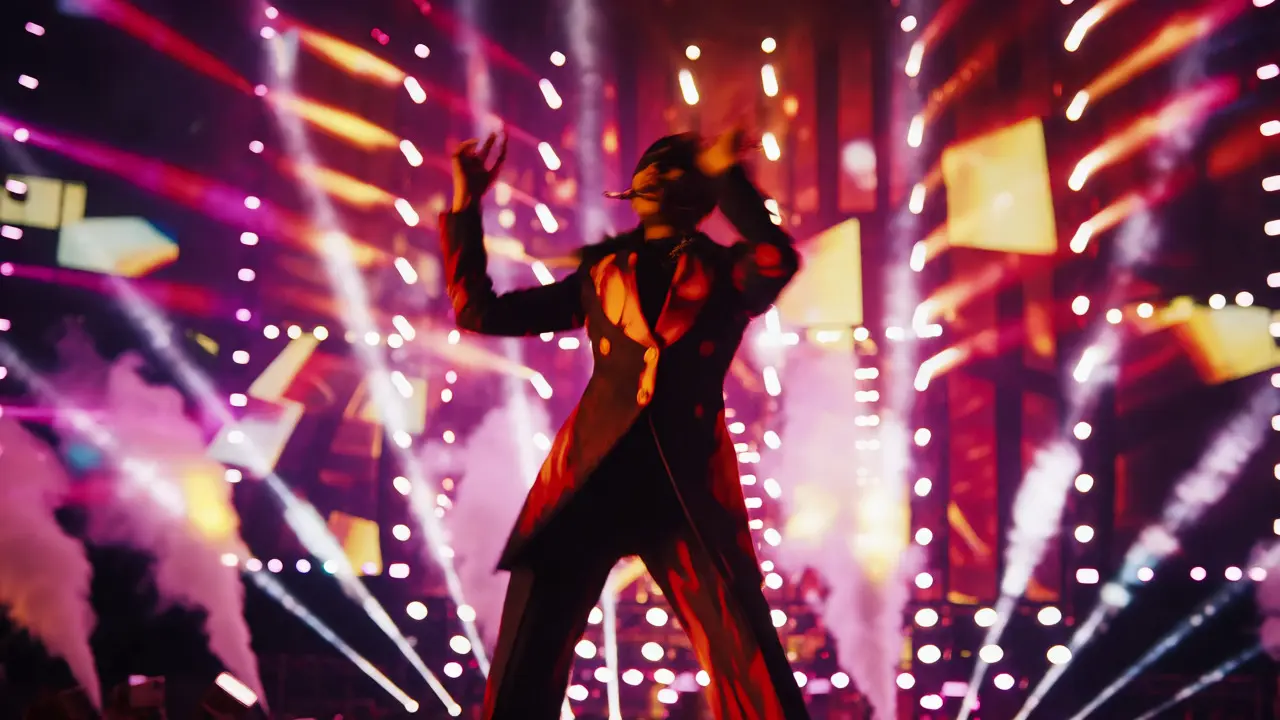
In Las Vegas, costumes are not clothing. They are armor. They tell you who the performer is in that specific scene. Elton John didn't just wear glasses; he wore personas. Alli Starr leverages fashion similarly, but with a modern, streetwear-infused twist that appeals to Gen Z audiences.
Her wardrobe choices are deliberate storytelling tools. A switch from oversized, comfortable layers to a sharp, tailored suit signals a shift from vulnerability to confidence. A change in color palette-from cool blues to fiery reds-mirrors the lyrical content. This visual consistency helps the audience decode the emotional subtext of the performance without needing lyrics to explain everything.
| Element | Traditional R&B Set | Vegas-Influenced (Starr Style) |
|---|---|---|
| Pacing | Linear, song-by-song | Cinematic, act-based arcs |
| Visuals | Static backdrop or simple LEDs | Dynamic lighting synced to mood |
| Wardrobe | Single outfit or minor changes | Costumes as narrative markers |
| Audience Role | Passive listeners | Active participants in the story |
Embracing Imperfection: The Human Element
Here is the paradox of Vegas showmanship: it looks flawless, but it relies on human error to feel real. In the old days, a broken string or a missed cue could ruin a show. Today, artists like Alli Starr use these moments to build authenticity. Vegas legends knew how to pivot gracefully when things went wrong, turning a mistake into a memorable anecdote.
Starr’s performances often include unscripted interactions with the crowd. She might stop mid-song to talk about the inspiration behind a lyric, breaking the fourth wall. This breaks the illusion of the "perfect star" and creates a genuine connection. It reminds the audience that there is a person behind the spectacle. This balance between high-production polish and raw human interaction is key to modern concert success.
It also reflects the current cultural shift away from overly curated social media images toward authentic, messy reality. Fans want to see the sweat, the laughter, and the occasional stumble. Vegas taught us to hide mistakes; modern R&B stars teach us to own them.

Technical Execution: Lighting and Sound Design
You cannot achieve Vegas-level storytelling without top-tier technical support. The magic isn't just in what the singer does; it's in what the crew does. Lighting designers work closely with performers to create "scenes." A spotlight isolates the artist during intimate verses. Strobe effects accompany high-energy choruses. Color gels shift to match the emotional temperature of the setlist.
Alli Starr’s team treats lighting as an instrument. Just as a drummer controls rhythm, the lighting director controls focus. When the lights dim, your eyes go to the center stage. When they flash, your adrenaline spikes. This subconscious manipulation is the core of effective showmanship. It ensures that even if the audio mix isn't perfect, the visual experience carries the narrative forward.
Sound design plays a similar role. Ambient sounds, pre-recorded intros, and reverb tails are used to bridge gaps between songs. There is rarely dead air. The transition from one track to another is seamless, keeping the audience immersed in the world the artist has created. This continuity is essential for maintaining the "movie-like" quality of the show.
Why This Matters for Emerging Artists
If you are an independent musician trying to break out, studying Vegas techniques is cheaper than hiring a full orchestra. You don't need a million-dollar budget to apply these principles. You need intentionality. Ask yourself: What is the story of my set? How do my clothes support that story? Am I guiding the audience's emotions, or just playing songs?
Alli Starr proves that you can blend niche genres like hyperpop and R&B with mainstream showmanship tactics. You don't have to choose between artistic integrity and commercial appeal. By adopting the structural rigor of Vegas entertainment, you elevate your live performance from a gig to an event. And in today's economy, events sell tickets. Gigs just fill seats.
What defines Vegas-style showmanship in modern music?
Vegas-style showmanship prioritizes narrative structure, visual spectacle, and precise pacing over simple song delivery. It treats a concert as a theatrical production with distinct acts, using lighting, costumes, and stage movement to guide the audience's emotional journey.
How does Alli Starr incorporate these elements into R&B?
Alli Starr uses dynamic lighting changes, strategic costume swaps, and a three-act setlist structure to transform her R&B performances into cinematic experiences. She balances high-production values with authentic audience interaction to maintain modern relevance.
Do emerging artists need big budgets to use Vegas techniques?
No. The core principles-intentional pacing, narrative coherence, and visual consistency-require planning rather than money. Small-scale lighting adjustments and thoughtful setlist ordering can significantly enhance a low-budget show.
Why is audience participation important in this style?
Audience participation breaks the fourth wall, creating a sense of shared experience. It transforms passive listeners into active participants, deepening their emotional investment in the performance and making the event more memorable.
How does costume choice affect concert storytelling?
Costumes serve as visual cues for character development and emotional shifts within the set. Changes in attire signal transitions between different moods or themes, helping the audience understand the narrative arc without explicit explanation.