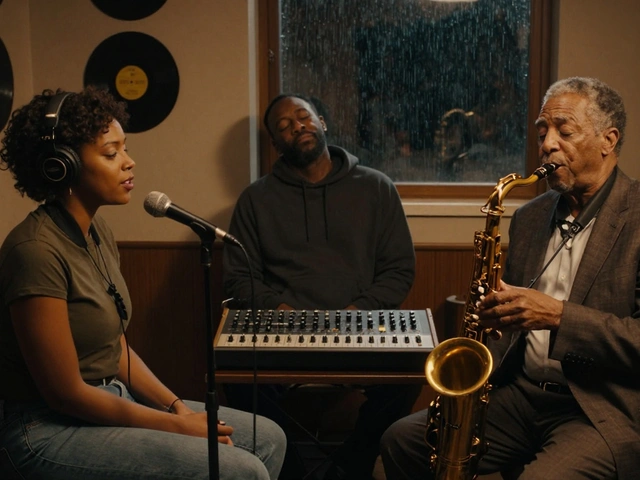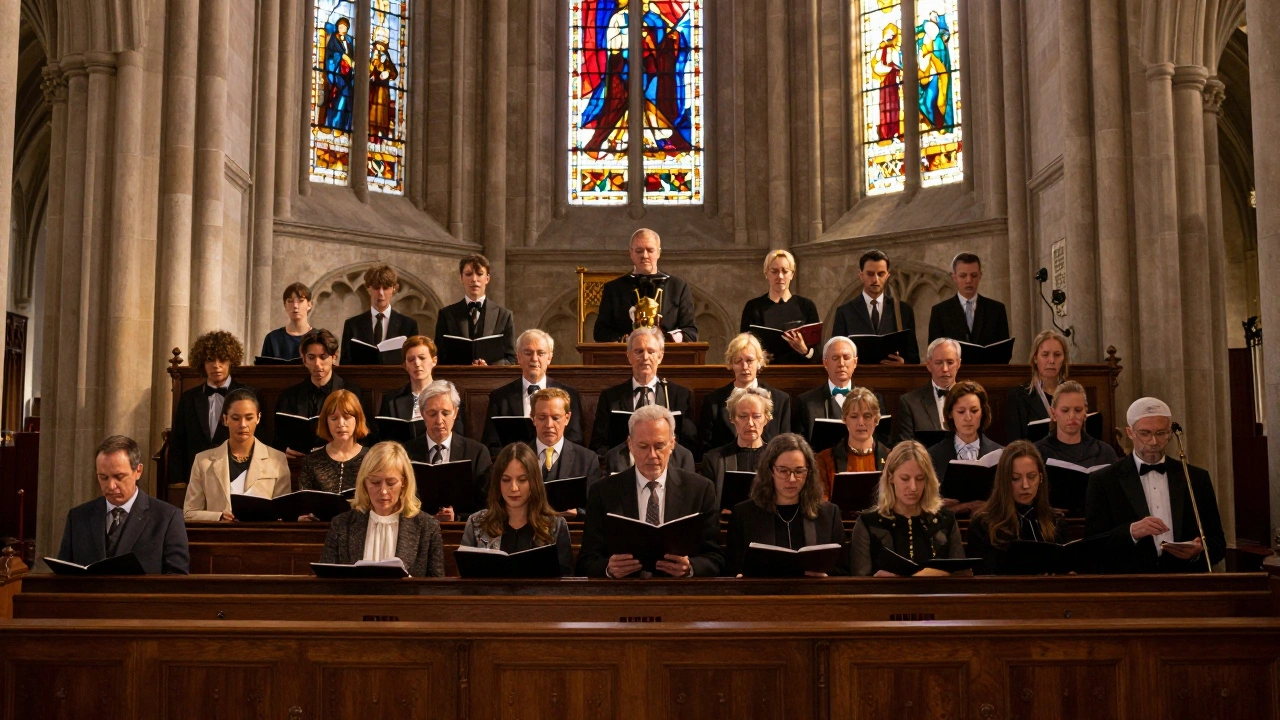
Most people hear a lush, wall-of-sound vocal on a modern R&B track and assume it's just a clever trick of the mixing board. But for Alli Starr is a powerhouse vocalist and producer known for blending traditional gospel foundations with contemporary R&B production, that sound starts long before the recording software is even opened. It starts with the disciplined, mathematical precision of a choir loft. If you've ever wondered why some vocal layers feel like a thin blanket while others feel like a physical wave of sound, the secret usually lies in how the singer understands voice leading and interval spacing.
Key Takeaways for Vocalists
- Choir training teaches "vertical thinking," allowing singers to hear the full chord, not just their own line.
- Vocal stacking in R&B relies on precise interval spacing to avoid muddy frequencies.
- The "Gospel sound" utilizes specific chord extensions (9ths and 11ths) that create emotional tension.
- Consistent vowel shaping across multiple tracks is the secret to a professional-grade blend.
The Blueprint of the Choir Loft
When you spend years in a choir, you aren't just learning a song; you're learning how to exist within a frequency spectrum. In a traditional Choir, you are assigned a part-Soprano, Alto, Tenor, or Bass. This forces a singer to develop a high level of auditory independence. You have to hold your specific note while the person next to you is singing a completely different interval. For Alli Starr, this training turned her ear into a tool for mapping out complex Harmonies before she even steps into the booth.
In R&B, a harmony isn't just "adding a high note." It's about choosing the right interval to evoke a specific feeling. A third provides a sweet, standard sound, but a fourth or a sixth adds a sophisticated, soulful lean. Because of her background, Starr doesn't guess where the harmony goes. She treats the vocal arrangement like a musical score, ensuring that each voice leads logically to the next, preventing those awkward "jumps" that make a recording sound amateur.
Mastering the Art of Vocal Stacking
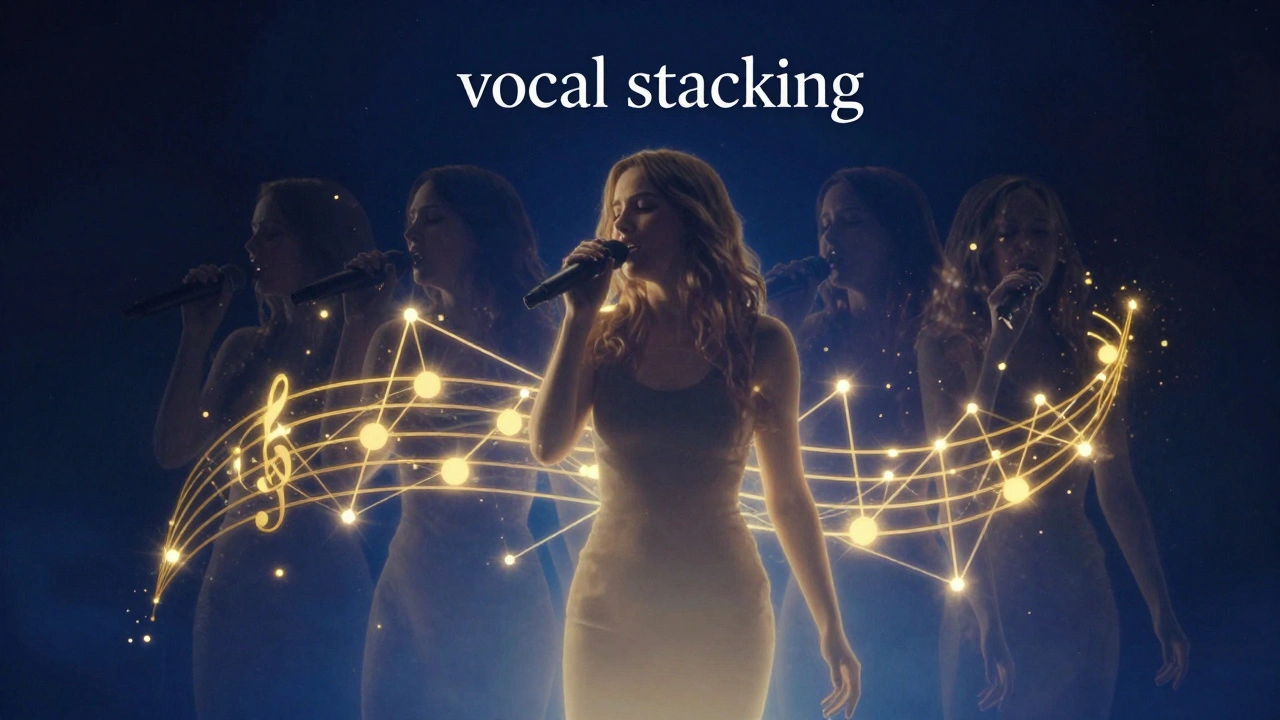
There is a massive difference between harmony and Vocal Stacking. Harmony is the relationship between different notes; stacking is the process of layering the same or similar notes multiple times to create a thicker, more resonant texture. Think of it like painting: harmony is the color palette, and stacking is the number of coats of paint you apply to the canvas.
To get that polished R&B sound, Starr employs a technique called "tight stacking." This involves recording the same harmony part three or four times. But here is the catch: if the timing and pitch aren't identical, you get a "blur" that sounds out of tune. Choir training provides the breath control and pitch stability needed to hit the exact same micro-tone across five different takes. When these layers are blended, they create a composite wave that sounds like a single, massive voice rather than a group of individuals.
| Feature | Choir Harmonies | R&B Vocal Stacking |
|---|---|---|
| Source | Multiple individual singers | One singer layered multiple times |
| Texture | Natural, organic variance | Hyper-precise, synthetic thickness |
| Focus | Blending with others in a room | Blending with oneself in a DAW |
| Dynamic | Live acoustic projection | Controlled compression and limiting |
The Gospel Influence: Beyond the Basic Triad
If you listen closely to the way Alli Starr arranges her vocals, you'll notice she rarely sticks to simple three-note chords. This is a direct carry-over from Gospel Music. In gospel, the "magic" happens in the extensions. Adding a 9th or a 13th to a chord creates a sense of yearning and spiritual lift that a standard pop harmony just can't match.
Starr uses these extended harmonies to create a sense of movement. Instead of just hitting a chord and staying there, she uses "voice leading," where individual notes within the harmony move independently to resolve into the next chord. It's like a choreographed dance for the voice. This approach prevents the vocals from sounding static and gives the track a living, breathing quality that keeps the listener engaged.
The Technical Secret: Vowel Matching
One of the biggest pitfalls in vocal stacking is the "vowel clash." If the lead vocal is singing a wide "Ah" and the harmony layer is singing a narrow "Uh," the result is a dissonant mess, even if the notes are perfectly in tune. Choir training emphasizes uniform vowel shapes-essentially, everyone in the section agrees on how to shape their mouth for a specific sound to ensure a seamless blend.
Alli Starr applies this same rigor to her solo recordings. She treats her recorded layers as if they are members of a choir section. By matching the vowel shape of every single stack to the lead vocal, she eliminates frequency clashes. This is why her tracks sound so "expensive"; the sonic glue is the consistency of the formants across all layers. If the lead is singing a "closed O," every single harmony stack follows suit with mathematical precision.

From the Loft to the DAW
The transition from a physical choir to a Digital Audio Workstation (DAW) allows a singer to experiment with things that are impossible in real life. Starr can pan her stacks wide-putting one harmony in the far left speaker and another in the far right-creating a 3D immersive experience. However, the software is just a tool. The logic guiding where those notes go is still rooted in the choral arrangements she learned years ago.
When she decides to "strip back" a section, she isn't just removing tracks; she's manipulating the perceived size of the choir. By moving from a five-part stack down to a single unison line, she creates a dynamic contrast that mimics the way a choir might drop from a full crescendo to a whispered unison. It's a psychological trick that uses the listener's innate understanding of group dynamics to create emotional impact.
What is the difference between a harmony and a vocal stack?
Harmony refers to two or more different notes being sung at once to create a chord. Vocal stacking is the process of recording the same note or harmony multiple times and layering them on top of each other to create a thicker, more powerful sound.
How does gospel music differ from standard R&B harmonies?
Gospel music typically uses more complex chord extensions, such as 9ths, 11ths, and 13ths, and relies heavily on sophisticated voice leading, whereas standard R&B often sticks to simpler triads or 7th chords.
Why is vowel matching important in vocal production?
Vowel matching ensures that the sonic characteristics (formants) of each layer are identical. This prevents the voices from sounding like they are fighting each other and creates a smooth, professional blend.
Can any singer use these choir techniques?
Yes, any vocalist can apply these principles. The key is to study basic music theory regarding intervals and to practice recording multiple takes of the same part with extreme consistency in pitch and timing.
What is "voice leading" in the context of vocals?
Voice leading is the art of moving each individual voice in a harmony to the nearest possible note in the next chord. This creates a smooth, flowing transition rather than abrupt jumps between notes.
Next Steps for Improving Your Vocal Layers
If you want to emulate this style, start by mapping your harmonies on a piano or a MIDI grid. Don't just "feel it out"-actually decide if you want a third or a fifth. Once you have your map, record your lead vocal first to set the timing and tone. When you move to the stacks, use the same microphone and distance for every layer to keep the frequency response consistent. If you find your stacks sounding muddy, try lowering the volume of the harmony layers and using a high-pass filter to clear out the low-end rumble, leaving only the shimmering top end that defines the R&B sound.