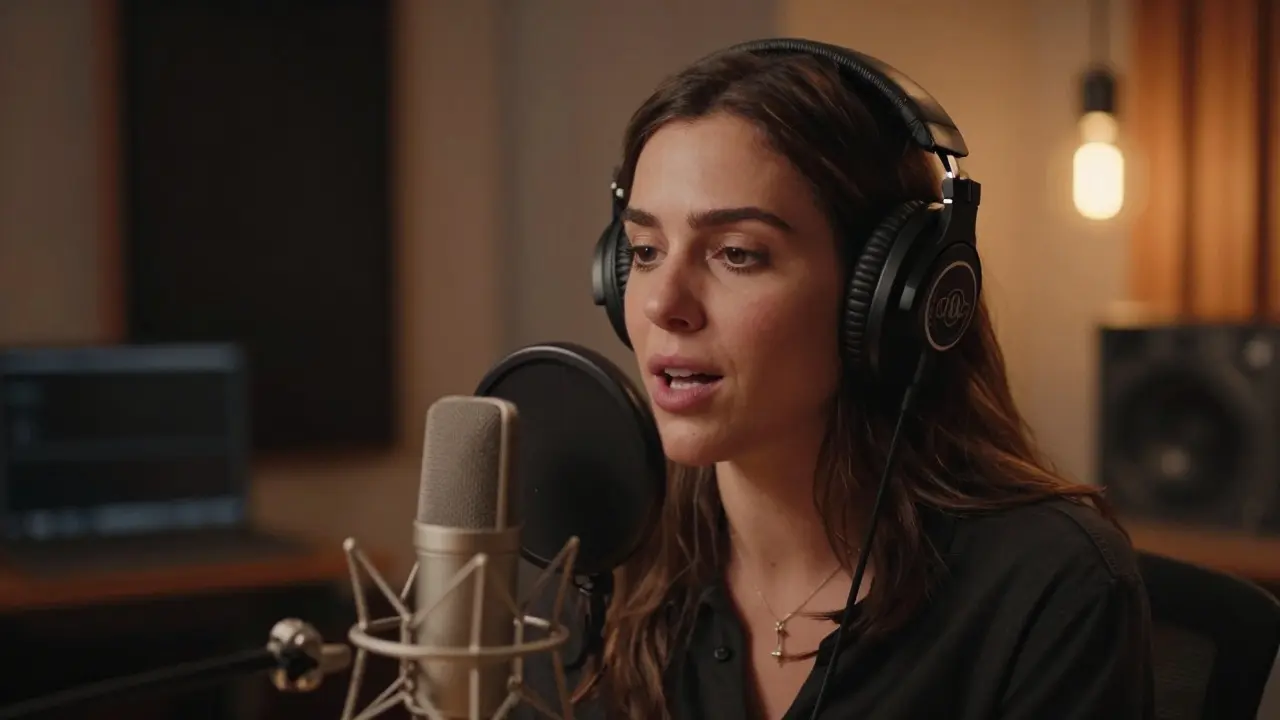
You just dropped a new single. The streams are trickling in, your friends are liking the posts, and then... silence. It’s the terrifying quiet that every independent artist knows too well. You need eyes on you, but traditional radio feels like a locked door, and throwing money at social ads often feels like lighting cash on fire. Enter the podcast press tour, a strategic media campaign where artists appear on multiple podcasts to build narrative depth and audience trust. But why is everyone suddenly talking about Alli Starr? Because she didn’t just show up; she executed a masterclass in how to turn audio interviews into career momentum.
Why Audio Interviews Beat Traditional PR
Let’s be real: most people don’t read press releases anymore. They listen while driving, cooking, or hitting the gym. That’s why a podcast interview is so powerful-it creates intimacy. When an artist talks for thirty minutes about their creative process, listeners feel like they’re getting inside information. It’s not a billboard; it’s a conversation.
Alli Starr understood this shift early. Instead of chasing generic blog spots, she targeted shows where her specific demographic actually spends time. This isn’t about vanity metrics; it’s about conversion. Listeners who hear an artist explain the pain behind a song are far more likely to stream it than someone who saw a three-second ad. The medium allows for storytelling that short-form video simply can’t match.
Anatomy of the Alli Starr Strategy
What made Starr’s recent push effective wasn’t luck-it was precision. She treated her media appearance schedule like a product launch. First, she identified the "sweet spot" podcasts: mid-tier shows with engaged communities rather than massive, impersonal giants. Why? Because smaller hosts often give guests more airtime and genuine interest.
She also prepared unique angles for each show. If the host focused on production, she talked gear. If the host focused on mental health, she discussed burnout. This tailored approach prevented her from sounding like a broken record. It kept the content fresh for fans who might follow multiple shows. It turns out, personalization scales surprisingly well in audio media.
Preparation Is Everything
You cannot wing a good podcast appearance. The difference between a forgettable guest and a memorable one is preparation. Before stepping into the mic (or opening Zoom), you need a clear message hierarchy. What are the three key points you want listeners to remember? For Starr, it was authenticity, artistic evolution, and community engagement.
Here’s what you should have ready before hitting send on those pitch emails:
- A concise bio: No more than 100 words. Focus on current projects, not past accolades.
- Talking points: Three stories related to your new release. Stories stick; facts fade.
- Technical check: Ensure your microphone and internet connection are stable. Nothing kills vibe faster than audio lag.
- Call to action: Know exactly where you want listeners to go next. Is it Spotify? Bandcamp? A newsletter signup?

Executing the Tour Without Burning Out
Many artists make the mistake of booking too many appearances in a week. Your voice gets tired, your energy drops, and you start sounding robotic. Pace yourself. Aim for two to three high-quality interviews per week rather than ten rushed ones. Quality over quantity always wins in long-form audio.
Also, consider the timing. Releasing a project on Friday? Schedule your biggest podcast appearances for Monday through Wednesday. This builds anticipation right as the streaming algorithms kick in. By the time the weekend hits again, you’ve already built a narrative foundation around the release.
Leveraging Post-Interview Content
The interview ends, but the work doesn’t stop there. Most artists leave value on the table by not repurposing content. Every podcast episode is a goldmine for social media clips. Ask the host for permission to share snippets. Create 30-second vertical videos featuring your best quotes or funniest moments.
Alli Starr’s team did this brilliantly. They cut audio highlights for Instagram Reels and TikTok, directing traffic back to the full episode. This created a flywheel effect: short clips drove curiosity, which led to full listens, which converted into followers. Don’t let your hard work disappear into the RSS feed void.
| Strategy | Cost Efficiency | Audience Trust | Content Longevity |
|---|---|---|---|
| Social Ads | Low (High ongoing cost) | Low (Ad fatigue) | Very Low (Days) |
| Blog Features | Medium | Medium | Medium (Weeks) |
| Podcast Tour | High (Time-intensive) | High (Deep connection) | High (Months/Years) |
Common Pitfalls to Avoid
Don’t fall into the trap of pitching every show under the sun. Relevance matters more than reach. Pitching a heavy metal band to a yoga podcast rarely works unless there’s a specific angle. Research the host’s previous guests. Did they talk about similar topics? If yes, you’re in business.
Another mistake? Ignoring the host’s brand. Some podcasts are serious and analytical; others are chaotic and funny. Read the room. Adjust your tone. If you come across as too rehearsed or mismatched, the audience will disconnect immediately. Authenticity is the currency of audio.
Beyond the Release Cycle
A podcast presence isn’t just for launch weeks. Consistent appearances keep you top-of-mind between releases. Think of it as nurturing your audience relationship. Every time you pop up on a trusted platform, you remind listeners that you’re active, growing, and worth paying attention to.
Starr’s approach shows that consistency beats intensity. Regular, thoughtful engagements build a loyal base that supports you long after the initial hype dies down. It transforms casual listeners into true fans who buy tickets and merch because they feel connected to your journey.
How do I find podcasts suitable for my genre?
Start by looking at podcasts that feature artists similar to yours. Use directories like Apple Podcasts or Spotify to search for keywords related to your niche. Check the "Listeners Also Liked" sections. Also, look at the hosts' social media to see if they engage with indie artists regularly.
Should I pay for podcast placements?
Generally, no. Organic interviews carry more weight and credibility. Paid placements often lack the conversational depth that drives conversion. However, some larger networks offer sponsorship packages that include interview slots. Weigh the cost against potential exposure carefully.
What is the ideal length for a podcast interview?
Most successful interviews range from 30 to 60 minutes. This allows enough time for deep dives without losing listener attention. Shorter segments (15-20 minutes) work for news-focused shows, but longer formats build stronger connections.
How soon should I pitch before my release date?
Aim for 4-6 weeks in advance. Hosts need time to prepare questions and schedule recordings. Pitching last minute often results in rejection or low-priority placement. Early pitches allow you to align the episode drop with your marketing calendar.
Can I use AI tools to help with podcast prep?
Yes, AI can help summarize transcripts or generate question ideas based on the host's previous episodes. However, avoid using AI to write your entire responses. Personal anecdotes and spontaneous reactions are what make audio engaging.