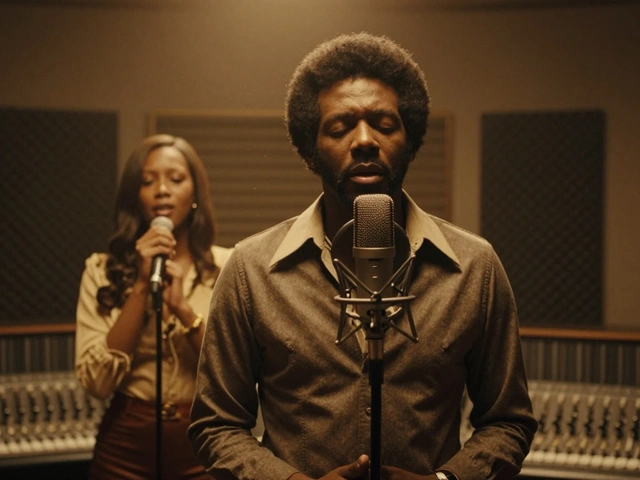
Alli Starr is a highly respected backup vocalist and musical director known for her work with major artists like Alicia Keys and Michael Jackson. For anyone looking to build a career in the touring circuit, understanding how a pro like Starr operates is invaluable. It isn't just about hitting the high notes; it's about the meticulous process that happens long before the first chord strikes. This workflow transforms a chaotic backstage environment into a seamless sonic experience.
The Pre-Show Blueprint: Analyzing the Set List
The journey begins weeks, sometimes months, before the tour bus even starts moving. The foundation of any successful backup vocal performance lies in deep familiarity with the material. When you receive the set list, your job is not just to memorize lyrics. You need to dissect the arrangement. What is your specific role in each song? Are you providing harmonic support, lead counter-melodies, or rhythmic ad-libs?
Alli Starr emphasizes the importance of knowing the 'why' behind every note. If a harmony line feels awkward, you need to understand if it’s intentional dissonance or a mistake in the chart. This requires active listening. Don’t just play the track on repeat while scrolling through social media. Sit down with the demo tracks and map out the transitions. Note where the key changes happen, where the tempo shifts, and exactly when you enter. A single second’s delay can throw off the entire pocket of the band.
- Analyze the harmonic structure of each song.
- Identify your specific entrance and exit points.
- Note dynamic changes (soft vs. loud sections).
- Mark up the sheet music or lyric sheets with personal cues.
Vocal Health as a Professional Tool
Your voice is your instrument, but unlike a guitar, you cannot swap it out if it breaks. Maintaining vocal health is non-negotiable. Before stepping onto the stage, you must ensure your instrument is tuned and ready. This involves a strict regimen of hydration and rest. Many vocalists underestimate the impact of sleep on pitch accuracy and stamina. Lack of sleep leads to fatigue, which manifests as shaky intonation and reduced range.
Incorporating steam inhalation into your pre-show routine helps keep the vocal cords lubricated. Avoid dairy products right before performing, as they can increase mucus production. Instead, opt for warm water with honey or lemon. These simple habits protect your voice from the strain of traveling and performing night after night. Remember, consistency is key. Doing these things sporadically won’t yield results. You need a daily routine that supports your vocal longevity.

Soundcheck Strategy: More Than Just Volume
When you arrive at the venue, the soundcheck is your chance to negotiate with the front-of-house (FOH) engineer. This is not the time to be shy. You need to communicate clearly what you hear in your ears. Most backup vocalists use in-ear monitors (IEMs) rather than floor wedges. IEMs provide a cleaner mix and better isolation from stage noise, but they require precise tuning.
During soundcheck, focus on three critical elements: your own voice level, the click track or backing track, and the lead singer. If you can’t hear the click, you’ll drift out of time. If you can’t hear the lead singer, you’ll miss cues. Work with the monitor engineer to create a mix that prioritizes these elements. Test different volumes and EQ settings until you find a balance that allows you to sing comfortably without straining. This personalized mix is crucial for maintaining energy throughout the show.
| Item | Action | Goal |
|---|---|---|
| IEM Levels | Adjust volume and EQ | Ensure clarity and comfort |
| Click Track | Verify audibility | Maintain tight timing |
| Lead Vocal | Check relative volume | Catch cues and harmonies |
| Band Instruments | Balanced mix | Sing in context |
Stage Presence and Non-Vocal Contributions
Being a backup vocalist is also about visual storytelling. Your movements should complement the music, not distract from it. Study the choreography or blocking carefully. Even if you’re not dancing extensively, your posture and facial expressions convey emotion. Make eye contact with the audience and the lead artist. This connection builds trust and enhances the overall performance.
Alli Starr often mentions the importance of being 'on' from the moment you step on stage. There are no dead moments. If you aren’t singing, you’re clapping, swaying, or engaging with the crowd. This keeps the energy high and makes the performance feel cohesive. Practice your stage moves in front of a mirror. Record yourself to see how you look. Authenticity matters more than perfect technique here. Let your personality shine through your movements.

Navigating Live Challenges
Live performances are unpredictable. Equipment fails, singers forget lyrics, and tempos change. How you handle these situations defines your professionalism. Stay calm and adaptable. If a mic goes dead, switch to your backup immediately. If the lead singer improvises, listen closely and adjust your harmonies in real-time. Trust your ear and your training.
Develop a mental checklist for common issues:
- Mic feedback: Move away from speakers or ask FOH to cut frequencies.
- Tempo drift: Lock in with the drummer or bassist.
- Forgotten lyrics: Hum the melody or rely on vowel sounds.
Building Relationships Behind the Scenes
Your reputation is built not just on your voice, but on your attitude. Be reliable, punctual, and easy to work with. Treat everyone on the crew with respect, from the roadies to the tour manager. Positive relationships lead to repeat bookings. People hire those they enjoy working with. Share meals, chat during downtime, and show genuine interest in others’ roles. This community aspect is vital in the touring world. You’re part of a family, and that bond strengthens the performance.
How do I prepare my voice for a long tour?
Prioritize hydration, sleep, and regular vocal exercises. Use steam inhalation daily and avoid irritants like smoke and excessive caffeine. Consistency in your routine prevents fatigue and maintains vocal quality over weeks of travel.
What should I ask the sound engineer during soundcheck?
Request a clear mix of your own voice, the click track, and the lead singer. Ensure you can hear these elements distinctly without needing to turn up the volume excessively. Communicate any EQ preferences for clarity.
How important is stage presence for backup vocalists?
It is crucial. Your visual engagement complements the audio experience. Maintain energy, follow choreography, and connect with the audience. Even when not singing, your presence contributes to the show’s overall impact.
What if I make a mistake during the show?
Stay calm and recover quickly. Don’t stop or draw attention to the error. Blend back into the harmony seamlessly. Audiences rarely notice small mistakes if you maintain confidence and continue performing professionally.
How do I get started as a backup vocalist?
Build a strong demo reel showcasing your versatility. Network locally by joining bands and open mic nights. Develop reliability and professionalism in every gig. Recommendations from peers are powerful tools for landing bigger opportunities.