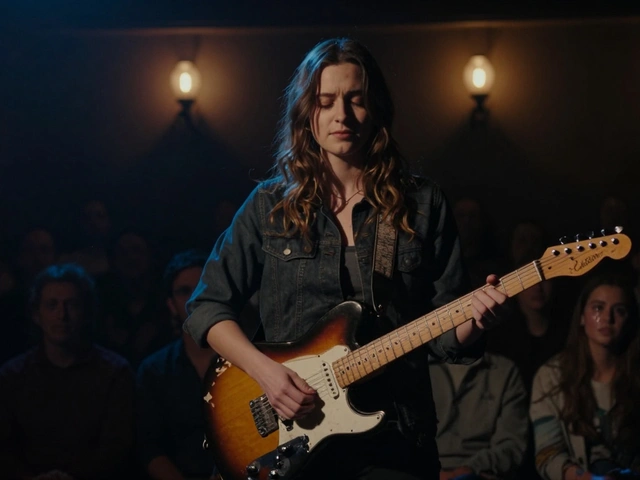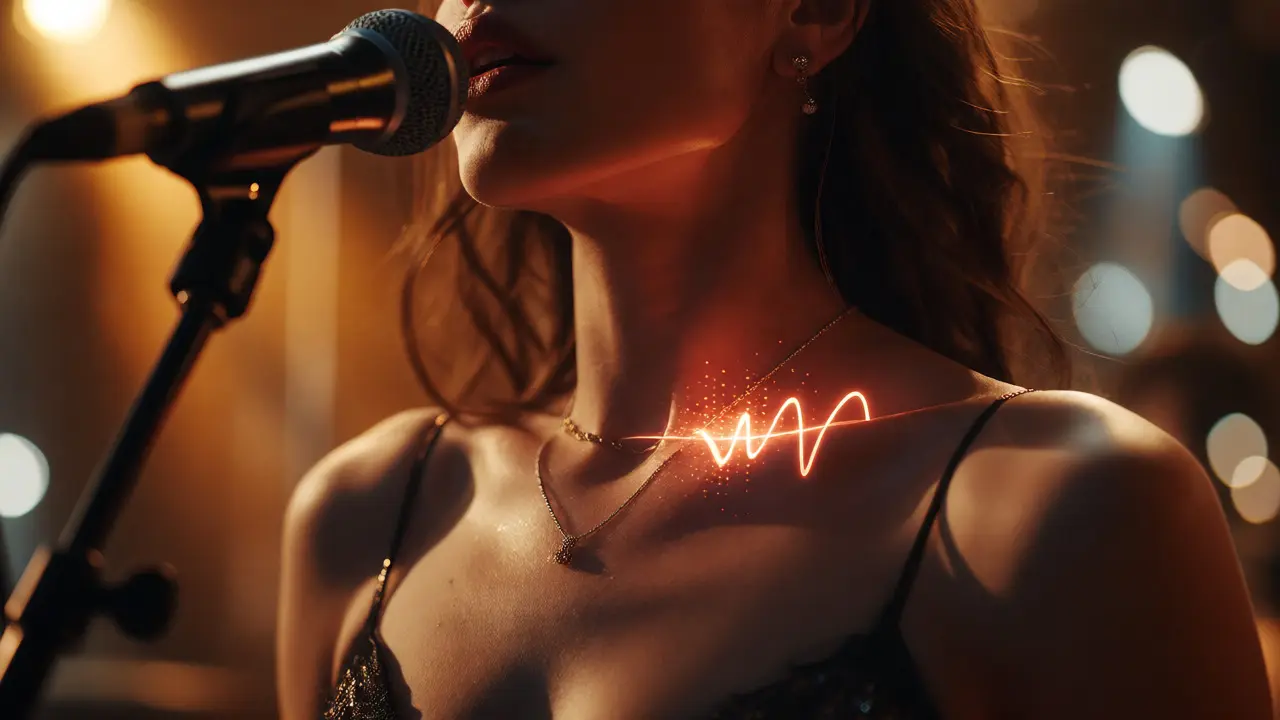
Imagine stepping onto a stage where the bass hits so hard it rattles your ribcage, but instead of just feeling the beat, you feel a tiny, rhythmic pulse syncing with your own heartbeat. For most artists, this is just part of the vibe. For Alli Starr, an artist living with a cardiac pacemaker, it’s a complex negotiation between artistic expression and biological necessity. Her approach to designing sets isn’t just about aesthetics or crowd energy; it’s a masterclass in engineering comfort and connection without compromising health.
You might think managing a medical device while performing is a burden that limits creativity. But look closer at how Alli structures her shows, and you’ll see something else entirely: a blueprint for sustainable performance. By prioritizing physiological safety, she creates environments where both she and her audience can truly connect. This isn’t about hiding illness; it’s about designing around it to unlock deeper presence.
The Physical Reality of Performing with a Pacemaker
A pacemaker is a small battery-powered device placed under the skin near the collarbone that sends electrical impulses to the heart muscle to maintain a suitable heart rate. It doesn’t cure heart conditions; it manages them. For someone like Alli, who relies on this device to regulate her rhythm, high-intensity performances pose specific challenges. Loud, low-frequency sound waves can sometimes cause physical vibrations that feel uncomfortable or disorienting when amplified through the chest cavity. Additionally, intense physical movement can trigger heart rate spikes that the pacemaker has to work harder to manage.
Most performers ignore these signals until they crash. Alli treats them as data points. She knows exactly which frequencies resonate uncomfortably in her chest. She understands that certain choreography patterns spike her heart rate faster than others. This awareness allows her to curate a setlist and stage layout that minimizes physiological stress while maximizing emotional impact.
Acoustic Engineering for Body and Soul
Sound design plays a huge role in this strategy. Standard concert setups blast sub-bass frequencies (20-60 Hz) directly into the floor and walls, creating a visceral thump. For Alli, this constant vibration can lead to fatigue or even mild discomfort over time. So, she works closely with her sound engineers to tweak the mix.
- Frequency Balancing: They reduce the extreme low-end rumble slightly, shifting focus to mid-range frequencies that carry melody and lyrics more clearly.
- Monitor Placement: Instead of relying solely on loud wedge monitors on the floor, which vibrate up through the feet and legs, she uses custom in-ear monitors. This isolates the sound, allowing her to hear herself clearly without needing excessive volume from external speakers.
- Vibration Dampening: The stage platform itself is often fitted with dampening materials to absorb excess kinetic energy from the bass, preventing it from traveling directly into her body.
These adjustments don’t ruin the show for the audience. In fact, many fans report that the clarity feels surprisingly intimate. By removing the aggressive, chest-thumping noise, the music becomes less of an assault and more of an invitation.
Stage Layouts That Encourage Presence
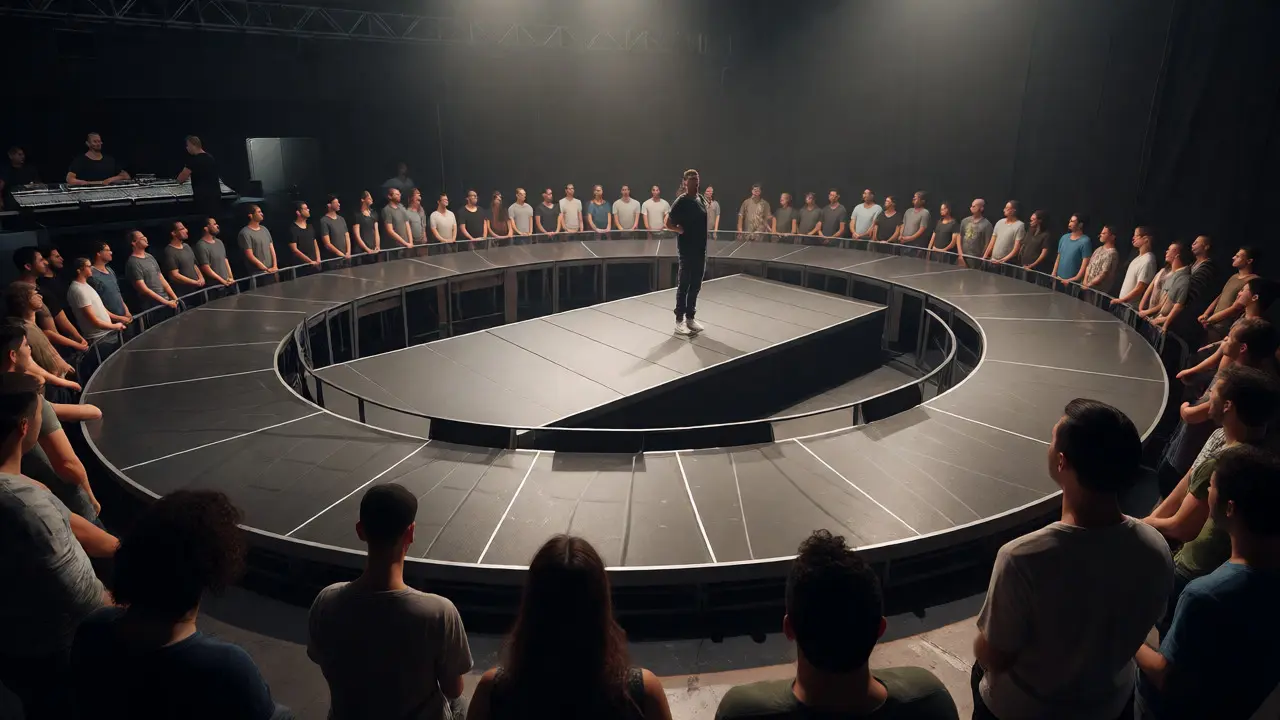
Traditional stages are designed for spectacle-high platforms, pyrotechnics, and vast distances between the artist and the front row. Alli flips this script. Her stage designs prioritize proximity and accessibility. Why? Because standing still or moving slowly allows her to maintain a stable heart rate, and being close to the audience reduces the need for shouting, which strains the voice and increases respiratory effort.
She often opts for extended runways or semi-circular stages that wrap around the crowd. This setup lets her move horizontally rather than vertically, conserving energy. It also breaks down the "fourth wall," making eye contact easier. When you’re ten feet away from someone, you don’t need to project to the back of the arena. You can speak softly, sing intimately, and let the microphones do the heavy lifting.
| Feature | Traditional High-Energy Set | Alli Starr’s Comfort-Focused Set |
|---|---|---|
| Primary Focus | Spectacle & Volume | Intimacy & Clarity |
| Stage Height | Elevated (4+ feet) | Ground Level or Low Platform |
| Sound Emphasis | Heavy Sub-Bass (20-60Hz) | Balanced Mid-Range (200-2kHz) |
| Movement Style | High Intensity/Dance | Expressive/Grounded |
| Audience Distance | Distant Barrier | Proximal/Closed Circle |
The Psychology of Connection Over Spectacle
There’s a misconception that vulnerability weakens a performance. Alli proves the opposite. By designing her sets around her physical limits, she inadvertently creates space for genuine human connection. Audiences today are exhausted by polished, untouchable pop stars. They crave authenticity. When an artist acknowledges their humanity-by sitting on a stool during a ballad, by taking a visible breath between songs, by smiling at a fan in the second row-it builds trust.
This approach aligns with broader trends in health resilience, which refers to the ability to adapt and self-manage in the face of physical, social, and psychological changes. In performance art, resilience looks like adapting the show to fit the performer, not breaking the performer to fit the show. Fans respond to this honesty. Social media metrics for her shows often highlight comments about "feeling seen" or "connecting emotionally," rather than just "the drop was insane."

Practical Takeaways for Artists and Event Planners
You don’t need a pacemaker to benefit from these strategies. Many artists suffer from vocal strain, anxiety, or chronic pain. Adopting a comfort-first mindset can improve longevity and quality of life. Here’s how you can apply Alli’s principles:
- Audit Your Triggers: Identify what physically drains you. Is it the heat of the lights? The vibration of the bass? The distance from the mic? Write it down.
- Rethink Sound: Ask your engineer if you can reduce low-frequency feedback. Test different monitor setups. Your ears and body will thank you.
- Design for Proximity: If possible, get closer to your audience. Smaller venues with better sightlines often yield higher engagement than massive arenas with poor acoustics.
- Pace Yourself: Build rest into the setlist. A three-minute instrumental break allows you to hydrate, reset your breathing, and check in with your body.
By treating your body as a partner in the creative process, rather than an obstacle, you create performances that are sustainable. Alli Starr’s choices aren’t just about surviving on stage; they’re about thriving there. And that shift in perspective is contagious.
Frequently Asked Questions
Does having a pacemaker limit what kind of music an artist can perform?
Not necessarily. While extremely loud, bass-heavy genres may require technical adjustments to prevent physical discomfort, artists can still perform rock, pop, jazz, or classical music. The key is working with sound engineers to balance frequencies and using in-ear monitors to control volume levels safely.
How does stage design affect performers with medical devices?
Stage design impacts physical exertion and sensory input. High platforms require more energy to climb, potentially spiking heart rates. Heavy bass vibrations can be uncomfortable for those with implanted devices. Ground-level stages and balanced audio mixes help maintain physiological stability during long performances.
What is meant by "health resilience" in the context of live performance?
Health resilience in performance refers to the capacity to adapt artistic choices to support physical well-being. It involves recognizing bodily signals, adjusting logistics (like lighting, sound, and movement), and maintaining mental stamina. This approach ensures that the artist can deliver consistent, high-quality shows without risking burnout or health complications.
Can audiences tell the difference between a standard set and a comfort-focused one?
Yes, though often subconsciously. Comfort-focused sets tend to feel more intimate and clear. The reduction in overwhelming noise allows for better lyrical comprehension and emotional resonance. Audiences often report feeling a stronger personal connection because the artist appears more present and less strained.
Are there risks associated with magnetic fields from stage equipment?
Modern pacemakers are shielded against most everyday electromagnetic interference. However, strong magnets in large speaker systems or wireless charging pads can occasionally cause temporary interactions. Artists typically keep a safe distance (usually 6 inches) from powerful magnetic sources and consult with cardiologists regarding specific stage gear.