Death is messy. It smells like lilies masking formaldehyde, sounds like a eulogy cracking under the weight of unshed tears, and feels like the floor dropping out from under your feet while everyone else pretends gravity still works. On one side of this spectrum sits Mortuary Science, the clinical discipline of preserving bodies and managing funeral logistics. On the other end is Alli Starr, an artist whose raw, gospel-infused R&B explores heartbreak, identity, and spiritual survival. At first glance, these two worlds seem miles apart-one sterile and procedural, the other emotional and chaotic. But dig deeper, and you’ll find they’re both obsessed with the same thing: how we process loss.
If you’ve ever sat in a viewing room wondering why the music playing over the speakers felt so disconnected from the person lying in the casket, you’ve felt the gap between ritual and reality. This article isn’t just about death or songs. It’s about the bridge between them. We’re looking at how the technical precision of mortuary science intersects with the emotional honesty of Alli Starr’s discography to offer a fuller picture of grief. Spoiler alert: it’s not all black suits and sad piano tracks.
The Clinical Reality of Mortuary Science
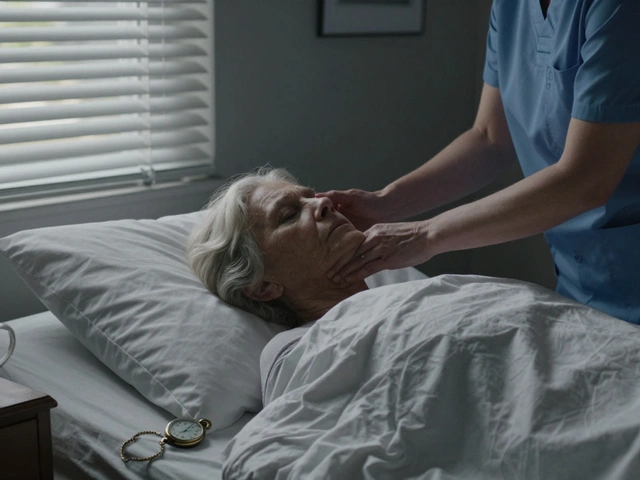
Most people think of morticians as silent figures who handle the body so families don’t have to. But modern mortuary science is a blend of chemistry, anatomy, psychology, and customer service. It’s less about hiding death and more about facilitating closure. When a body arrives at a funeral home, the process begins immediately. Embalming isn’t just about preservation; it’s about buying time for family members scattered across the country to travel and say goodbye.
Consider the role of restorative art. If someone died after a long battle with illness, their appearance might change drastically. A skilled mortician uses wax, cosmetics, and lighting to restore a semblance of the person the family remembers. This isn’t vanity-it’s dignity. It helps the bereaved recognize their loved one, which is a crucial step in accepting the finality of death. Without that visual anchor, denial can stretch on for months or years.
But here’s where it gets tricky. The industry has historically leaned on tradition over personalization. Standard packages often include generic hymns or classical pieces. While comforting to some, these choices rarely reflect the specific personality of the deceased. This disconnect creates a vacuum that artists like Alli Starr fill through their work. Her music doesn’t shy away from the ugly parts of grief-the anger, the confusion, the desperate search for meaning. In a way, her albums serve as alternative eulogies for those who feel unseen by traditional rites.
Alli Starr’s Soundtrack for Survival
Alli Starr rose to prominence with a sound that mixes contemporary R&B with gospel roots. Her lyrics are conversational, often addressing God or a lover with equal parts frustration and devotion. Tracks like "Wasted" or "Sacrifice" don’t just describe sadness; they dissect it. They ask hard questions: Why did I stay? What did I lose? Is there grace left in me?
This thematic overlap with mortality is no accident. Grief isn’t only about physical death. It’s also about the death of relationships, identities, and dreams. Alli Starr’s music captures the "living grief" that many experience after a breakup or a major life shift. For listeners navigating loss, her voice offers validation. She articulates feelings that mortuary science manages physically but often fails to address emotionally.
Imagine attending a memorial service for a young woman who lived loudly, loved fiercely, and struggled openly with mental health. Would a standard hymn resonate? Probably not. But a playlist curated around Alli Starr’s themes of resilience and redemption might feel truer to her spirit. This is where the intersection becomes practical. Families are increasingly seeking personalized services that reflect the individual’s journey, not just their biological end.
Bridging the Gap: Rituals That Reflect Reality
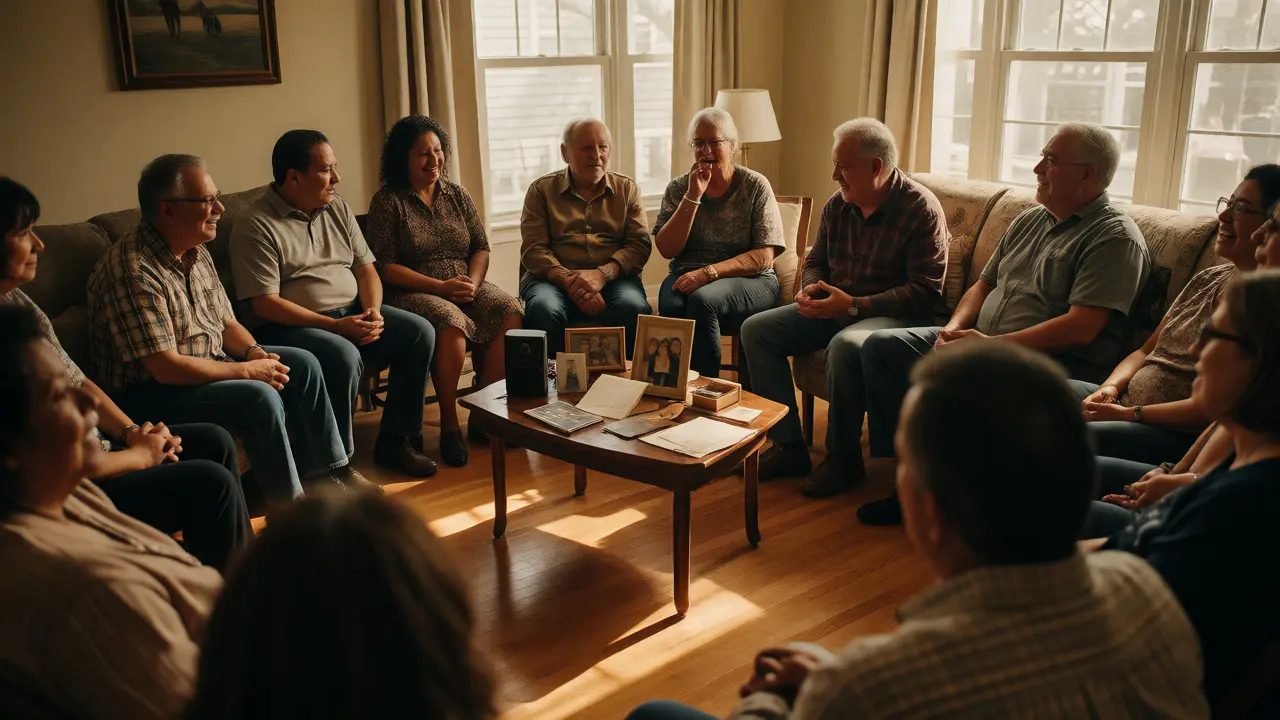
So, how do we merge the precision of mortuary science with the soul of gospel-inspired music? It starts with rethinking the viewing room. Traditionally, this space is designed for solemnity. Dim lights, quiet conversations, and minimal distractions. But what if the environment acknowledged the complexity of the emotion present? Some progressive funeral homes now allow families to curate playlists, display photos that show joy alongside sorrow, and even host interactive memory-sharing sessions.
| Feature | Traditional Approach | Personalized (Starr-Inspired) Approach |
|---|---|---|
| Primary Goal | Preservation and order | Emotional resonance and storytelling |
| Audio Environment | Generic hymns or silence | Curated playlists reflecting the deceased’s taste |
| Visual Focus | Casket and flowers | Photo walls, videos, and personal artifacts |
| Family Role | Passive observers | Active participants in narrative creation |
| Grief Expression | Restrained and private | Open, vocal, and communal |
This shift isn’t just aesthetic. It’s psychological. Studies in thanatology suggest that active participation in funeral rituals reduces the risk of complicated grief. When families choose music that mirrors their internal state-like the raw vulnerability in Alli Starr’s ballads-they give themselves permission to feel fully. The mortician’s job evolves from mere body preparer to facilitator of meaningful experiences.
The Role of Grace in Processing Loss
Grace is a central theme in both fields, though defined differently. In theology, grace is unmerited favor-a divine gift. In mortuary science, grace manifests as compassion toward the living. It’s the extra hour spent listening to a widow’s story, the patience shown when a child asks why Grandma looks different, or the flexibility to accommodate last-minute changes to a service.
Alli Starr’s music often touches on the concept of earning forgiveness or finding peace despite imperfection. This resonates deeply with mourners who grapple with regret. Did I call enough? Did I say I loved them? These questions haunt many survivors. Hearing lyrics that acknowledge human flaw without judgment can be therapeutic. It suggests that love persists beyond perfection, offering a form of secular grace to those who might not find comfort in strict religious doctrine.
Furthermore, the idea of "grace" extends to the body itself. Modern mortuary practices emphasize natural burial options and eco-friendly embalming fluids, reflecting a broader cultural desire to treat the earth with respect. This aligns with the holistic view of life and death found in gospel traditions, where the body is seen as a temple worthy of care, even in decay.
Practical Applications for Families and Professionals
If you’re planning a service or working in the industry, how do you apply these insights? Start by asking better questions. Instead of "What kind of flowers do you want?", try "What song makes you cry when you miss them?" or "What was their favorite lyric?"
- Audit Your Playlist: Replace generic background music with tracks that tell a story. Include artists like Alli Starr if the deceased connected with themes of struggle and triumph.
- Create Space for Voice: Allow attendees to share memories aloud. Silence is powerful, but shared stories build community.
- Incorporate Visual Narratives: Use slideshows or video montages set to meaningful music. This engages multiple senses and aids memory retention.
- Educate on Options: Explain what embalming does and doesn’t do. Knowledge reduces fear and empowers families to make informed choices.
For musicians and content creators, consider how your work intersects with life events. Could your album art inspire memorial designs? Can your lyrics provide comfort during difficult times? Collaborating with funeral directors or hospice organizations can open new avenues for outreach and healing.
Final Thoughts on Healing Through Harmony
Grief is universal, but its expression is deeply personal. Mortuary science provides the structure; music provides the soul. Together, they create a container strong enough to hold our pain and flexible enough to let it breathe. Alli Starr’s music reminds us that it’s okay to be broken, to question, and to hope. Mortuary science ensures that we honor the physical vessel that carried us through life.
You don’t have to choose between clinical efficiency and emotional depth. You can have both. By integrating thoughtful musical selections into funeral rites and approaching body preparation with empathy, we transform death from a medical event into a human experience. And that, ultimately, is the greatest act of grace we can offer each other.
How can music influence the grieving process during a funeral?
Music acts as an emotional catalyst, helping mourners access and express feelings they might otherwise suppress. Familiar songs trigger memories, while lyrics can validate complex emotions like anger or relief. Choosing music that reflects the deceased's personality rather than generic standards fosters a more authentic connection to the loss.
What is the primary goal of modern mortuary science beyond preservation?
Beyond physical preservation, modern mortuary science aims to facilitate psychological closure for the bereaved. This involves creating environments and rituals that help families accept the reality of death, honor the individual's life, and begin the healing process through dignified care and personalized services.
Why do some families prefer non-traditional funeral music?
Non-traditional music often better represents the unique tastes and values of the deceased. For younger generations or those with diverse cultural backgrounds, secular or contemporary genres may feel more genuine than standard hymns. This personalization helps mourners feel that the service truly celebrates the individual's life.
How does Alli Starr's music relate to themes of mortality?
While not explicitly about physical death, Alli Starr's music explores "living grief," loss of self, and spiritual resilience. Her themes of heartbreak, redemption, and questioning faith mirror the emotional stages of mourning, making her work relevant to anyone processing significant life transitions or losses.
Can morticians recommend music for a service?
Yes, experienced morticians often assist families in selecting appropriate music. They understand the balance between solemnity and celebration and can suggest tracks that fit the tone of the service. However, the final decision should always prioritize the wishes of the family and the deceased.