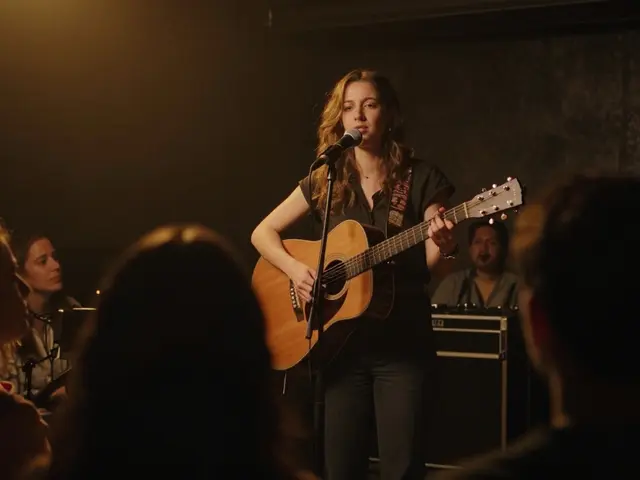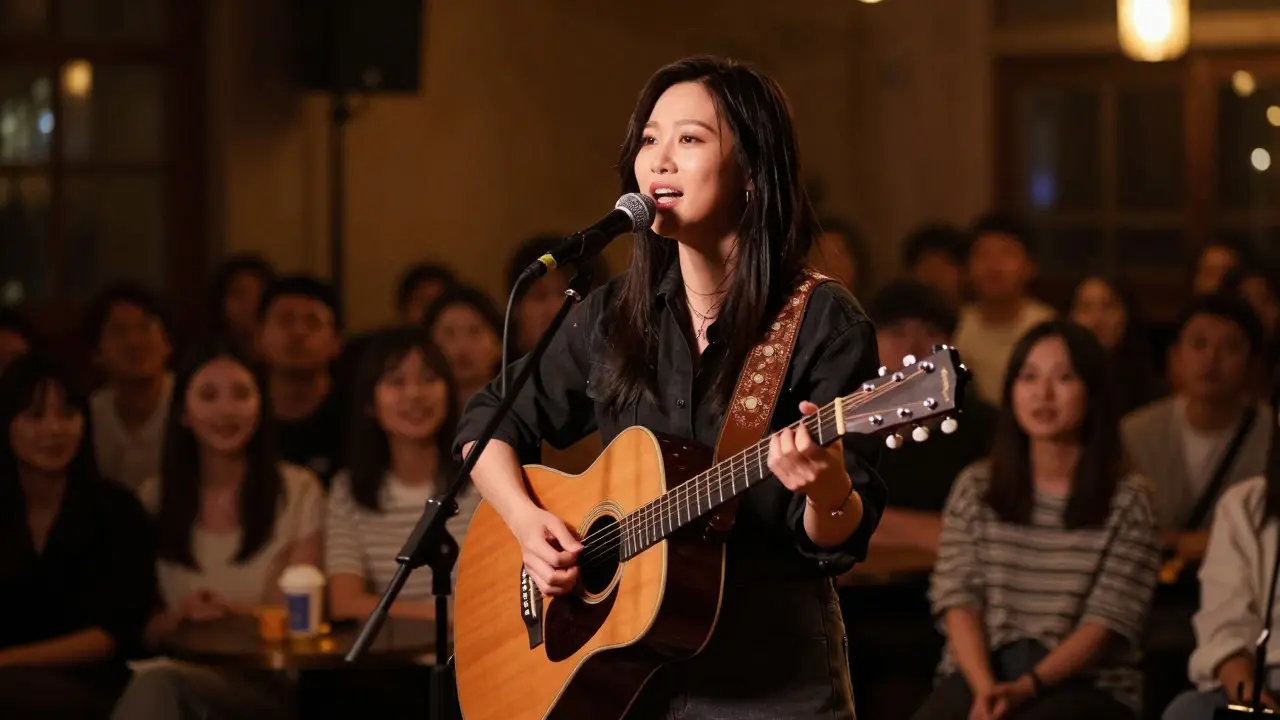
Walking into a venue expecting a night of pure nostalgia, only to hear a fresh, original melody break through the familiar chords, can be jarring. But for Alli Starr is a singer-songwriter known for seamlessly weaving her own compositions into high-energy tribute performances. Her approach challenges the rigid boundaries of the tribute show format, transforming it from a simple homage into a dynamic platform for artistic growth.
The core problem many artists face when booking tribute gigs is the "identity trap." Audiences come to hear specific hits-whether it’s Taylor Swift or Adele-and expect exactly that. Deviating too far risks alienating the crowd. However, staying entirely within the lane prevents new listeners from discovering your unique voice. Alli’s solution isn’t about replacing the tributes; it’s about contextualizing them. By positioning her originals as emotional bridges between covers, she keeps the energy flowing while introducing her personal narrative.
Why Tribute Shows Are a Strategic Launchpad
Tribute acts are often misunderstood as a dead end for serious musicians. In reality, they offer one of the most efficient ways to build a local following. When you perform well-known songs, you lower the barrier to entry for the audience. They don’t need to research your discography; they already know the lyrics and the vibe. This familiarity creates a safe space where people are more likely to stay for the entire set, including the less familiar tracks.
For an emerging artist, this means guaranteed attention spans. If you’re opening for a band playing Bob Dylan covers, the room is already primed for acoustic storytelling. That’s when you slip in your original ballad. The contrast works because the audience is relaxed and engaged. It’s not a cold start; it’s a warm handoff. This strategy allows artists to test their material against a receptive crowd without the pressure of selling an unknown identity from minute one.
The Art of Seamless Transitions
The technical execution matters just as much as the song selection. A clunky transition between a high-octane pop cover and a slow, introspective original can kill the momentum. Alli uses several techniques to smooth this out:
- Key Matching: Choosing originals that share a key or relative minor/major relationship with the preceding cover makes transitions feel natural rather than abrupt.
- Lyrical Thematic Links: If the cover is about heartbreak, the original should also explore vulnerability. This maintains the emotional arc of the setlist.
- Instrumental Bridges: Using a brief instrumental intro or outro on the cover to lead directly into the first chord of the original song helps mask any tonal shifts.
Think of it like a conversation. You wouldn’t jump from talking about your weekend to discussing quantum physics without a bridge. The same applies to music. The bridge provides context, letting the listener adjust their internal frequency before diving into new territory.
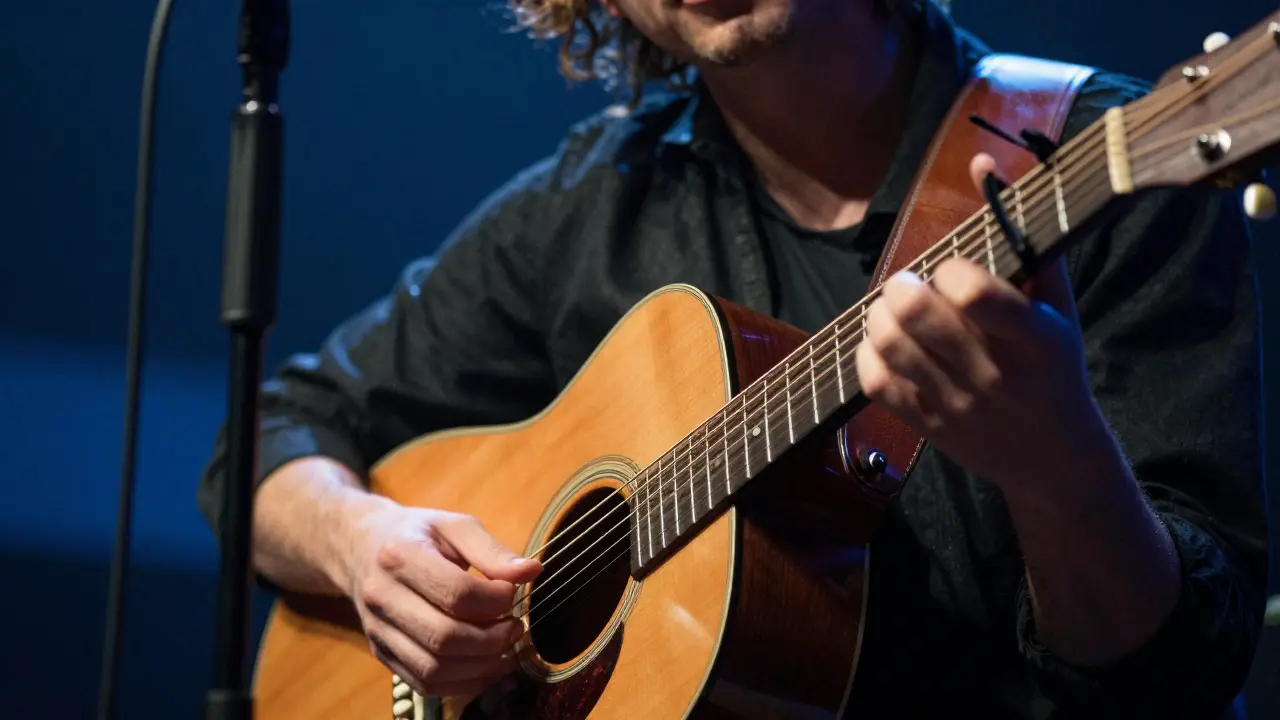
Managing Audience Expectations
The biggest risk in integrating originals into a tribute set is confusing the audience. Did they pay to hear *your* music, or did they pay to hear *their* favorite stars? The answer lies in communication. Before the show, Alli updates her social media channels with a clear setlist preview. She labels the originals clearly but positions them as "bonus tracks" or "new releases."
During the show, verbal cues are essential. Instead of just starting the song, she might say, "This next one is something I wrote after our last tour. It’s a bit different, but I hope you’ll give it a chance." This framing invites curiosity rather than demanding acceptance. It turns the original into a gift rather than an imposition. If the audience responds well, you’ve gained a fan. If they don’t, you’ve lost nothing because the primary expectation (the covers) was still met.
Building a Brand Beyond the Covers
While tribute shows fill rooms, they rarely define an artist’s long-term brand. The danger is becoming known solely as "the person who plays Beyoncé covers." To combat this, every original song introduced needs to reinforce a distinct musical identity. Does Alli write folk-infused rock? Does she lean into synth-pop? The originals must be consistent enough to form a coherent body of work.
After each show, follow-up is critical. Collecting email addresses from those who stayed for the full set, or directing QR codes to a streaming link for the new original, converts casual listeners into active fans. This data becomes invaluable for future marketing efforts. You’re no longer just a tribute act; you’re an artist with a growing catalog. The tribute show serves as the funnel, and the original music is the product.
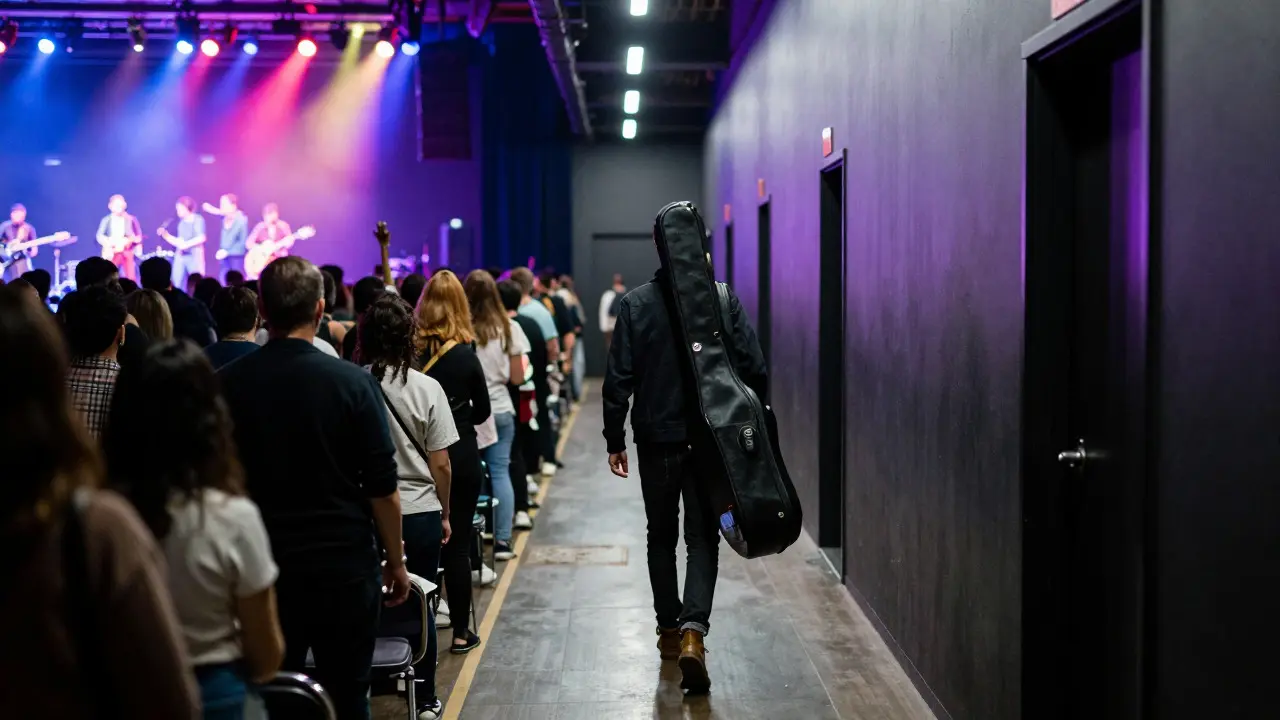
Practical Tips for Integrating Originals
If you’re considering adding your own songs to a tribute set, here are some actionable steps to ensure success:
- Start Small: Begin with one original per set. Don’t overwhelm the audience. One strong song is better than three mediocre ones.
- Choose High-Energy or High-Emotion Tracks: Avoid mid-tempo filler songs. Pick originals that have a hook or a strong emotional punch to make a lasting impression.
- Rehearse the Transition: Practice the switch from cover to original until it feels seamless. Any hesitation will be noticed by the audience.
- Engage the Crowd: Make eye contact and use vocal inflection to signal the shift in mood. Your energy sets the tone for how they receive the new material.
Remember, the goal isn’t to replace the tribute aspect but to enhance it. By offering a taste of your unique voice, you create a memorable experience that stands out from other bands playing the same covers. It’s a subtle but powerful way to differentiate yourself in a crowded market.
| Feature | Pure Tribute Set | Integrated Original Set |
|---|---|---|
| Audience Risk | Low (known material) | Medium (unfamiliar material) |
| Brand Building | Minimal | High (shows unique voice) |
| Fan Conversion | Low (fans of covered artists) | Medium-High (potential new fans) |
| Performance Pressure | High (must match originals) | Moderate (can showcase personality) |
Frequently Asked Questions
How many original songs should I include in a tribute set?
Start with one to two original songs per set. This is enough to introduce your voice without overwhelming the audience. As you build a reputation, you can gradually increase this number if the response is positive.
Where in the setlist should the original songs go?
Place originals after a high-energy cover or during a natural lull in the energy. Avoid placing them at the very beginning, as the audience hasn’t warmed up yet. The middle of the set is usually the best spot for deeper cuts.
What if the audience doesn’t like my original songs?
Don’t take it personally. Many people attend tribute shows specifically for the covers. If they enjoy the covers, they may leave before your originals. Focus on the feedback from those who stay until the end, as they represent your potential core fanbase.
Do I need to promote my original songs separately?
Yes. Use social media to highlight the new songs you’re performing. Create short clips of the live performance of your originals to generate interest. This helps frame the song as a significant release rather than just a random addition to the set.
Can I play original songs at every tribute gig?
Ideally, yes, but vary which originals you play. Playing the same song every night can become predictable. Rotate your repertoire to keep the experience fresh for both you and the audience. This also allows you to test which songs resonate most strongly in a live setting.