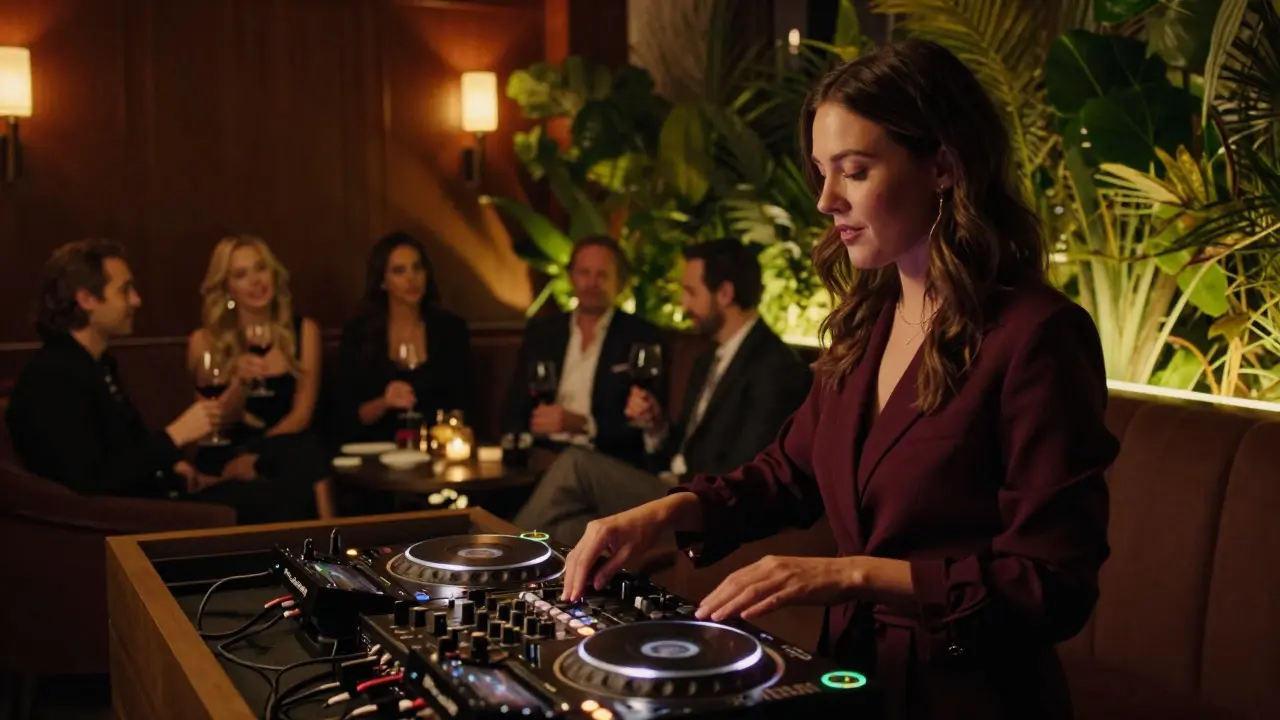
Imagine walking into a dimly lit lounge in Las Vegas on a Thursday night. The air smells faintly of aged oak and red wine. You’re not here for the high-energy club scene or the flashy pool parties. You’re here because you know exactly what you’re getting: a specific mood, a specific sound, and a specific person behind the decks. That is the power of Wine Garden Thursdays, a recurring event that has turned a simple biweekly schedule into a cult following.
In the chaotic world of nightlife, consistency is rare. Most DJs play once, maybe twice, and vanish until the next tour announcement. But Alli Starr has done something different. By anchoring her presence to a fixed day and frequency, she has created a predictable ritual for fans. This isn’t just about playing music; it’s about building a community around a shared experience. For many attendees, this Thursday night isn’t just an option-it’s a commitment.
The Psychology of Predictability in Nightlife
Why does a biweekly set work so well? Human brains crave routine. When we know exactly when and where something good happens, we plan our lives around it. In marketing terms, this is called reducing friction. If a fan has to check social media every week to see if Alli is playing, they might forget. If they know it’s always Thursday, at the same venue, with the same vibe, the decision to attend becomes automatic.
Alli Starr leverages this by treating her residency less like a gig and more like a local institution. She doesn’t just show up; she curates. The "Wine Garden" aspect implies a specific aesthetic-relaxed, sophisticated, yet intimate. Fans aren’t just buying tickets for a DJ; they are buying entry into a curated atmosphere. This predictability allows the audience to relax before they even arrive. They know the energy level, the dress code, and the general flow of the night. This mental preparation is a huge part of why they keep coming back.
Building Community Through Recurring Events
Loyalty is built through repetition and recognition. When people see the same faces week after week (or in this case, every other week), a sense of belonging forms quickly. It’s similar to how regulars feel at a neighborhood coffee shop. At Wine Garden Thursdays, the crowd isn’t a random collection of tourists; it’s a self-selecting group of people who share a taste for this specific blend of music and ambiance.
This community effect creates a feedback loop. New attendees notice the familiar faces and feel welcomed. Regulars look forward to seeing friends. The DJ, Alli Starr, becomes a central figure in this micro-community. Her interactions with the crowd, whether subtle nods or direct engagement, reinforce the idea that this is a space *for* them, not just *by* them. This emotional connection is far stronger than any one-off concert experience could provide.
The Strategic Value of Biweekly Frequency
You might wonder why biweekly instead of weekly. A weekly residency can burn out both the artist and the audience. It becomes too frequent, losing its specialness. Monthly is too sparse; people forget the details. Biweekly hits the sweet spot. It’s frequent enough to maintain momentum but spaced out enough to allow anticipation to build.
For a Vegas residency, this scheduling also aligns perfectly with the tourist cycle. Many visitors stay in Las Vegas for three to five days. If they arrive on a Tuesday or Wednesday, they have time to settle in, enjoy their first few nights, and then hit the peak social event on Thursday. If they arrive on a Friday, they can still catch the vibe on the following Thursday if their trip extends. This timing maximizes exposure without overwhelming the calendar.
| Frequency | Audience Impact | Artist Fatigue Risk | Best For |
|---|---|---|---|
| Weekly | High visibility, potential burnout | High | Established mainstream clubs |
| Biweekly | Strong loyalty, high anticipation | Moderate | Niche lounges, curated experiences |
| Monthly | Event-driven, low retention | Low | Special guest appearances |

The Role of Atmosphere in Brand Identity
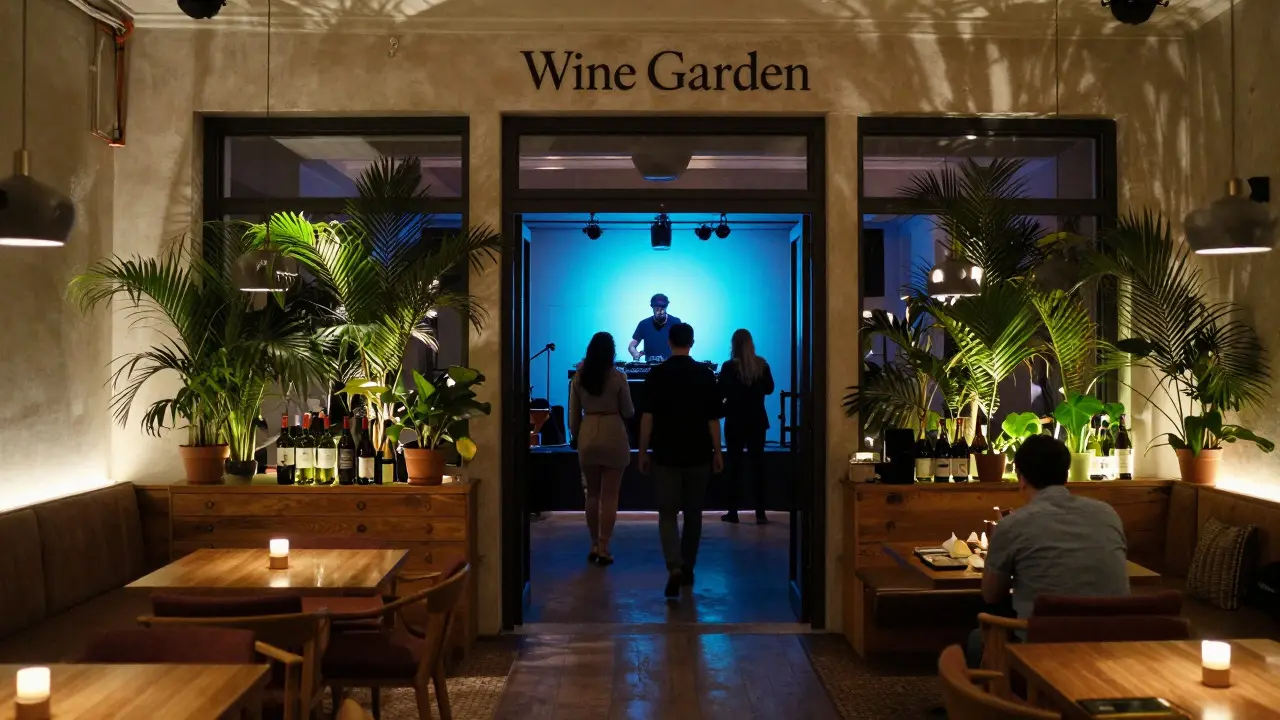
The name "Wine Garden" is doing heavy lifting here. It signals a departure from the typical loud, strobe-lit club environment. It suggests greenery, warmth, and a slower pace. Alli Starr’s musical selection likely reflects this-perhaps leaning into deep house, soulful tech, or melodic techno tracks that complement sipping wine rather than dancing until dawn.
This alignment between the brand name, the physical space, and the music is crucial. If the music were aggressive dubstep, the "Wine Garden" name would feel disingenuous. Because the elements match, the audience trusts the promise. They know they won’t be jolted awake by bass drops at 1 AM. They will be immersed in a soundscape that enhances the sensory experience of the venue. This coherence is what makes the experience memorable and repeatable.
Lessons for Other Artists and Venues
Alli Starr’s success offers a blueprint for other musicians looking to build a local base in a transient city like Las Vegas. The key takeaway is specificity. Don’t try to appeal to everyone. Pick a niche-a specific genre, a specific vibe, a specific time-and own it completely.
Venues benefit from this stability as well. Having a reliable headliner on a specific night guarantees a baseline of foot traffic. It reduces the risk associated with booking unknown artists. It also allows the venue to market the entire night as a package, potentially bundling drink specials or food offerings that align with the "garden" theme. The synergy between the artist’s brand and the venue’s identity creates a value proposition that is hard for competitors to replicate.
Measuring Success Beyond Ticket Sales
How do you know if a residency is working? Ticket sales are the obvious metric, but they tell only half the story. Look at social media engagement during the two weeks between sets. Are fans posting photos? Tagging friends? Creating countdown stories? This organic buzz is the true indicator of loyalty.
Also, watch the demographic shift over time. In the early months, the crowd might be mostly locals and industry insiders. As the reputation grows, you’ll start seeing more tourists who specifically planned their trip around the date. This shift indicates that the event has moved from being a local secret to a destination attraction. For Alli Starr, this transition validates the strategy of patience and consistency.
Frequently Asked Questions
What is the main advantage of a biweekly residency over a weekly one?
A biweekly residency balances visibility with exclusivity. It prevents audience fatigue while maintaining enough frequency to keep the artist top-of-mind. This spacing allows anticipation to build, making each appearance feel like a special event rather than a routine obligation.
How does Alli Starr’s style fit the 'Wine Garden' concept?
Her musical selections typically lean toward melodic and soulful genres that complement a relaxed, sophisticated atmosphere. This alignment ensures the music enhances the dining and drinking experience rather than competing with it, creating a cohesive brand identity.
Can this model work in cities other than Las Vegas?
Yes, the model works anywhere there is a consistent nightlife scene. However, it thrives best in tourist-heavy cities where visitors need clear, scheduled cultural anchors. In smaller local markets, the focus shifts more heavily toward community building among residents.
What role does social media play in sustaining these events?
Social media acts as the bridge between the biweekly gaps. Consistent posts, behind-the-scenes content, and user-generated content keep the event alive in the minds of fans. It transforms a physical event into a digital community that exists 24/7.
Why is Thursday considered a strategic day for such events?
Thursday often serves as the mid-week peak for nightlife in many destinations. It captures the end-of-workweek energy without the chaos of weekend crowds. For tourists, it fits neatly into standard 3-5 day itineraries, maximizing attendance potential.