Winning an award feels like magic, but the process behind it is pure strategy. When Alli Starr is an independent artist known for her meticulous approach to competition entries and high-quality audio production, she doesn't just hope for a win; she engineers one. For many musicians, the idea of submitting to awards shows is overwhelming. You have too many tracks, not enough time, and no clear idea of what judges actually want. This guide breaks down the exact workflow Alli uses to turn raw creativity into a competitive submission package.
Understanding the Competition Landscape
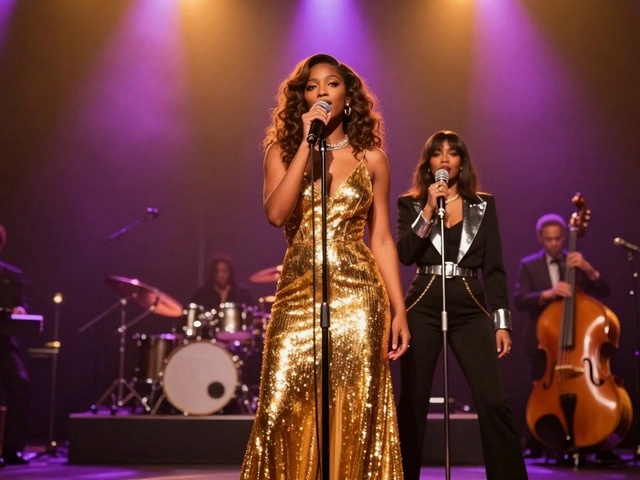
Before you touch a single file, you need to understand where you are playing. Music Awards are competitive events that evaluate artistic merit based on specific criteria set by judging panels. Unlike streaming charts, which rely on algorithmic popularity, awards focus on technical execution, lyrical depth, and sonic quality. The major categories usually include Best New Artist, Song of the Year, and Album of the Year. Each has distinct requirements. For instance, a song entry might require a clean master without intro/outro padding, while an album entry demands a consistent sonic identity across all tracks.
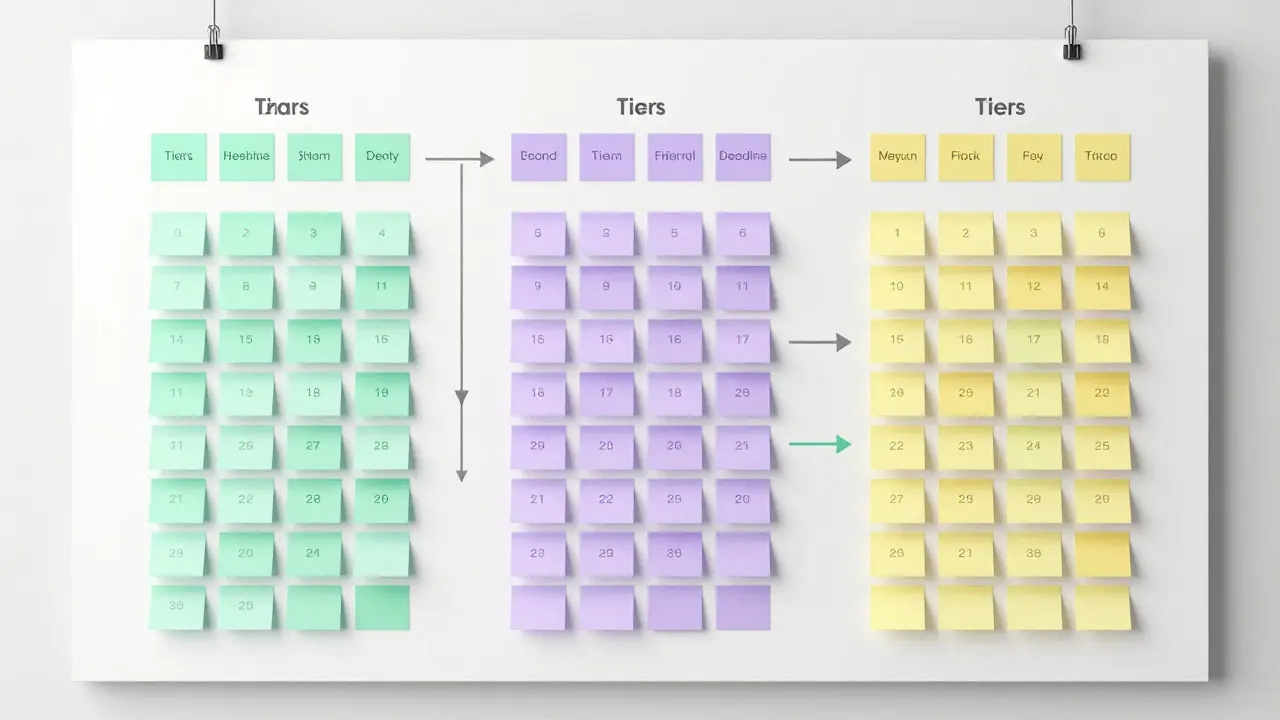
Alli starts by mapping out the calendar. She identifies deadlines at least eight weeks in advance. This buffer allows for multiple rounds of editing and feedback. She categorizes potential awards into three tiers: "Reach" (major industry awards with high entry fees), "Target" (mid-tier awards with strong visibility), and "Local" (community-focused competitions). This triage system prevents burnout and ensures she isn't spreading herself too thin. If you only submit to the biggest names, you risk getting lost in the noise. Mixing in local and niche competitions builds momentum and creates a portfolio of wins that looks impressive to larger juries later.
The Pre-Submission Audit
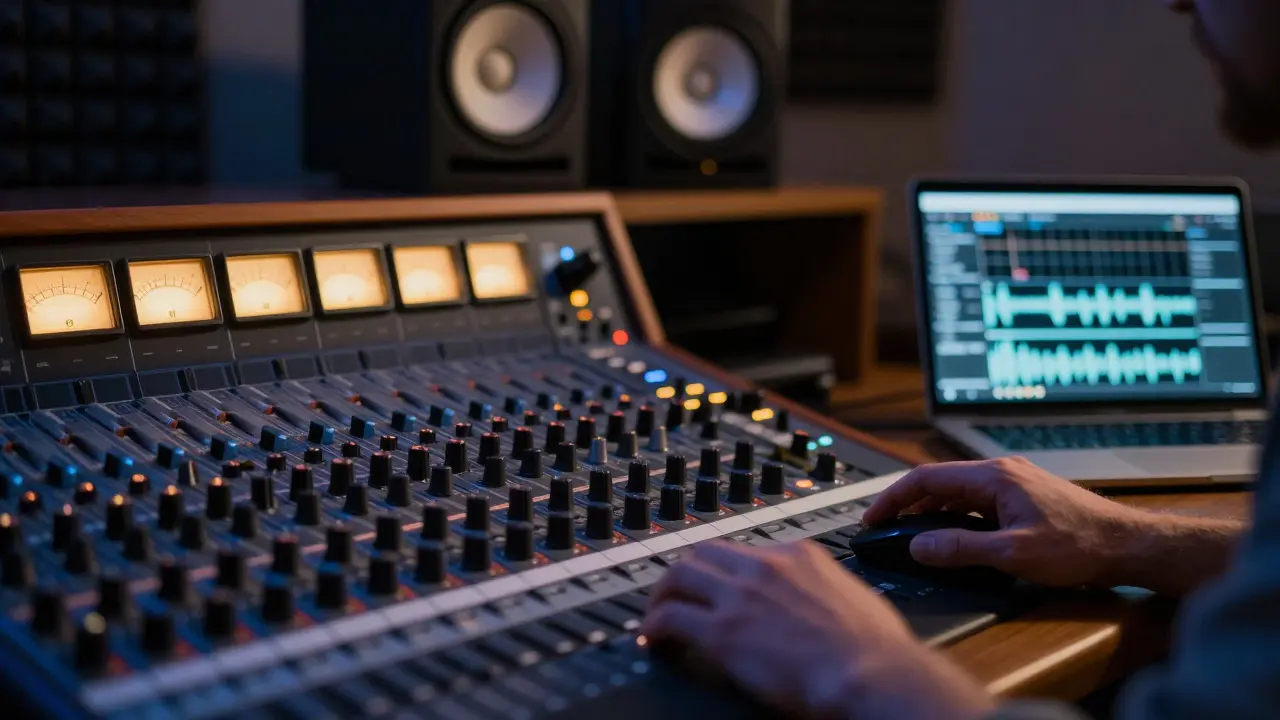
Once you’ve picked your target awards, the real work begins. Alli calls this phase the "Pre-Submission Audit." It’s a rigorous check of every asset you plan to upload. The core components are the audio files, the visual assets, and the metadata. Most artists skip this step, assuming their track sounds good because they made it. But judges hear thousands of entries. A slight clipping peak or a blurry cover image can cost you points before they even finish the first chorus.
- Audio Quality: Ensure your masters are loudness-normalized to -14 LUFS for streaming platforms, unless the award specifies otherwise. Check for digital artifacts, click noises, or phase issues in the low end.
- Cover Art: Use high-resolution images (minimum 3000x3000 pixels) that remain legible when shrunk to thumbnail size. Avoid text-heavy designs that disappear on mobile screens.
- Metadata: Double-check spelling of artist names, song titles, and composer credits. Inconsistent metadata can lead to disqualification or split streams.
Alli uses a standardized template for this audit. She listens to each track on three different systems: studio monitors, laptop speakers, and car audio. If it translates well across all three, it’s ready. If it falls apart on small speakers, it needs mixing adjustments. This multi-platform testing ensures your sound holds up in any listening environment, which is crucial since judges may listen on various devices.
Crafting the Narrative
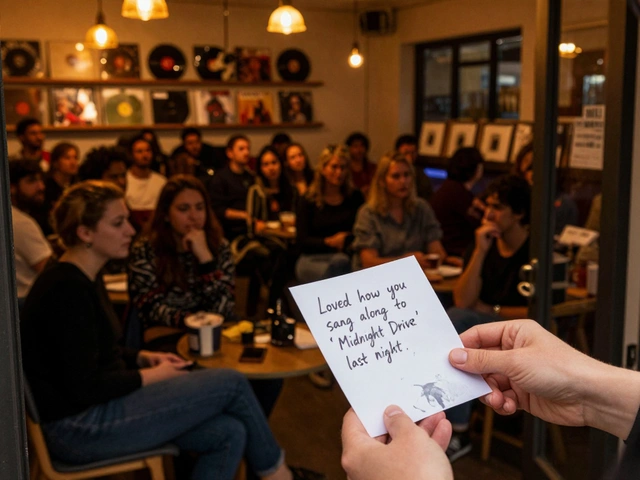
Technical perfection is necessary, but not sufficient. To stand out, you need a story. Alli believes that judges are human. They connect with narratives, not just frequencies. Every submission should answer the question: "Why does this matter?" She writes a brief artist bio and a track description for each entry. These aren’t marketing fluff; they’re context clues. For example, if a song deals with overcoming anxiety, mentioning that in the description helps the judge frame their emotional response. It guides them toward the intended impact.
She also curates a "Listening Guide" for album entries. This is a simple PDF or webpage that outlines the thematic arc of the record. It tells the judge how to experience the album as a journey rather than a collection of random songs. This level of thoughtfulness signals professionalism and respect for the listener’s time. It transforms a passive listening session into an active engagement, increasing the likelihood of a higher score.
| Tier Type | Typical Entry Fee | Judging Criteria Focus | Best For |
|---|---|---|---|
| Local/Community | $5 - $25 | Originality, Community Impact | Building initial credibility, networking |
| Mid-Tier Industry | $50 - $150 | Production Quality, Lyrical Depth | Gaining visibility, press coverage |
| Major International | $200+ | Global Appeal, Technical Excellence | Breaking into mainstream markets |
Managing Deadlines and Logistics
Time management is often the biggest killer of award submissions. Alli treats deadlines like non-negotiable appointments. She sets internal deadlines two weeks before the actual cutoff. This extra week is for unexpected hiccups: server crashes, payment processing delays, or last-minute creative tweaks. She uses a project management tool to track every element: audio upload status, art approval, bio writing, and payment confirmation.
One common pitfall is underestimating upload times. High-quality audio files can be large. If you wait until the night before, a slow internet connection could ruin your day. Alli uploads assets at least 48 hours early. She also saves confirmation emails and receipt numbers in a dedicated folder. If there’s a dispute later, having proof of timely submission is vital. Organization isn’t just about neatness; it’s about insurance.
Post-Submission Strategy
Submitting doesn’t mean you stop working. While waiting for results, Alli analyzes her previous submissions. Which ones got shortlisted? What did those winners have in common? She keeps a spreadsheet tracking outcomes, noting patterns in winning styles, genres, or themes. This data informs her next round of entries. If she notices that acoustic arrangements are trending in a particular category, she might prioritize those for future submissions.
She also engages with the community during the voting period. Many awards allow public voting alongside jury selection. Encouraging fans to vote is ethical and effective, provided you don’t spam. A sincere post explaining why the song matters to you can mobilize your audience. Remember, the goal isn’t just to win; it’s to build a body of work that speaks for itself over time. Consistency beats virality in the long run.
Frequently Asked Questions
How far in advance should I start preparing for award submissions?
Aim for at least eight weeks before the deadline. This gives you time for the pre-submission audit, narrative crafting, and handling any logistical surprises. Starting earlier reduces stress and improves the quality of your final package.
What is the most common mistake artists make when submitting to awards?
The most common mistake is neglecting metadata and technical specifications. Spelling errors in artist names or incorrect file formats can lead to automatic disqualification. Always double-check the official guidelines and test your files before uploading.
Do I need to pay entry fees for every award?
Most professional awards charge an entry fee to cover administrative costs. However, some local or community-based competitions are free or offer scholarships. Be wary of awards that demand exorbitant fees with little prestige, as they may not provide significant value for your career.
How important is the artist bio in a submission?
Very important. The bio provides context and helps judges connect emotionally with your work. Keep it concise, factual, and focused on your artistic vision. Avoid excessive self-praise; let the music speak, but give the judges the background they need to appreciate your journey.
Should I submit the same song to multiple awards?
Yes, generally speaking. Unless an award explicitly states exclusivity, you can submit the same track to multiple competitions. Just ensure you meet each platform’s specific formatting and metadata requirements. This maximizes your exposure and chances of recognition.