Quick Takeaways
- Stage size and load-in access are non-negotiable for large-scale sets.
- Sound systems must handle high dynamic ranges to mimic original studio recordings.
- Lighting rigs need to support automated fixtures for cinematic transitions.
- Backstage logistics like climate-controlled dressing rooms are vital for costume preservation.
The Foundation: Stage Dimensions and Load-In
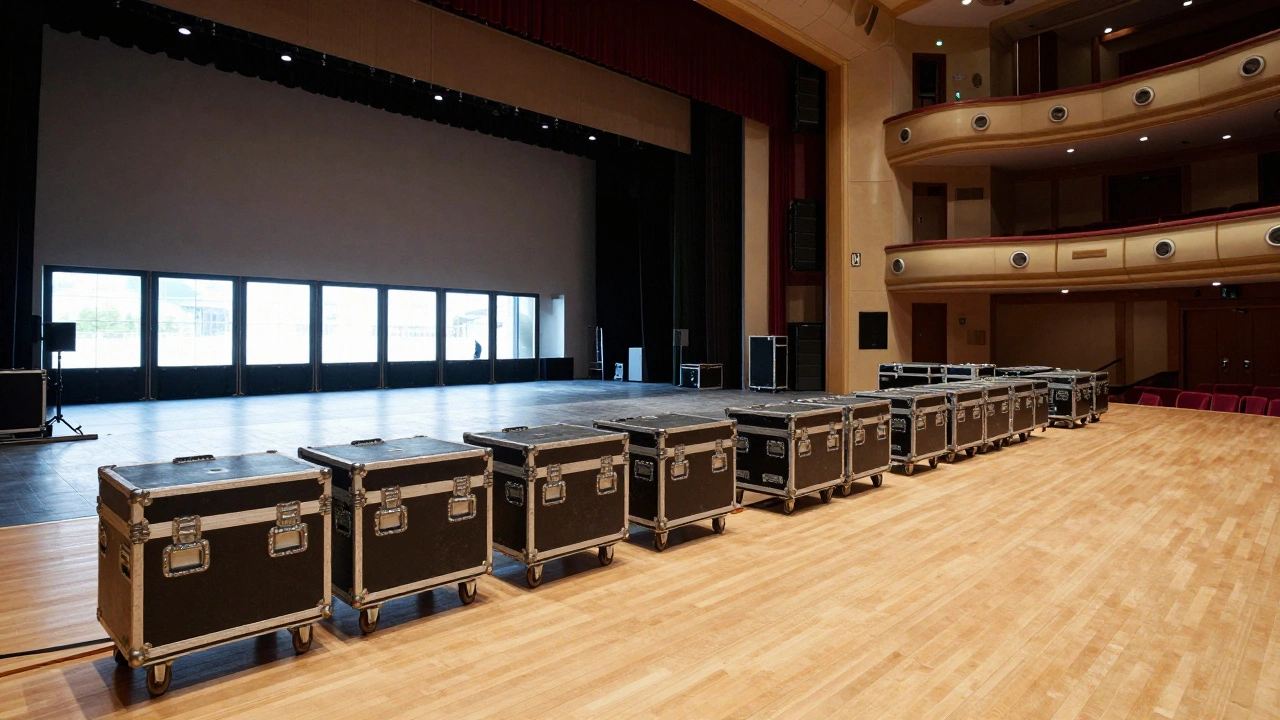
You can't fit a square peg in a round hole, and you certainly can't fit a stadium-grade tribute set onto a tiny lounge stage. For a production of this scale, the Stage is the physical platform where the performance occurs, requiring specific depth and width to accommodate musicians, backup singers, and movement. A typical requirement for a high-end tribute is a minimum width of 30 feet and a depth of 20 feet. Why? Because these shows aren't static. They involve choreography, costume changes, and a lot of energy.
Then there is the load-in. If the venue has a tiny service elevator or a narrow hallway, you're looking at a nightmare. A professional production requires a clear path from the loading dock to the stage. If the crew has to spend three hours maneuvering a keyboard rig through a kitchen, that's three hours less for sound checking. For instance, a venue in a historic theater might have a beautiful auditorium but a loading dock from 1920 that only fits one road case at a time. That's a red flag for any touring production.
Sound Engineering and Audio Fidelity
A tribute show lives or dies by its sound. The goal isn't just to be loud; it's to recreate the specific sonic signature of the original artist. This requires a PA System is the public address system used to amplify sound across a venue, consisting of speakers, amplifiers, and mixers that can handle high SPL (Sound Pressure Level) without distorting. If the venue's house system is aging or underpowered, the production will likely bring in their own line arrays.
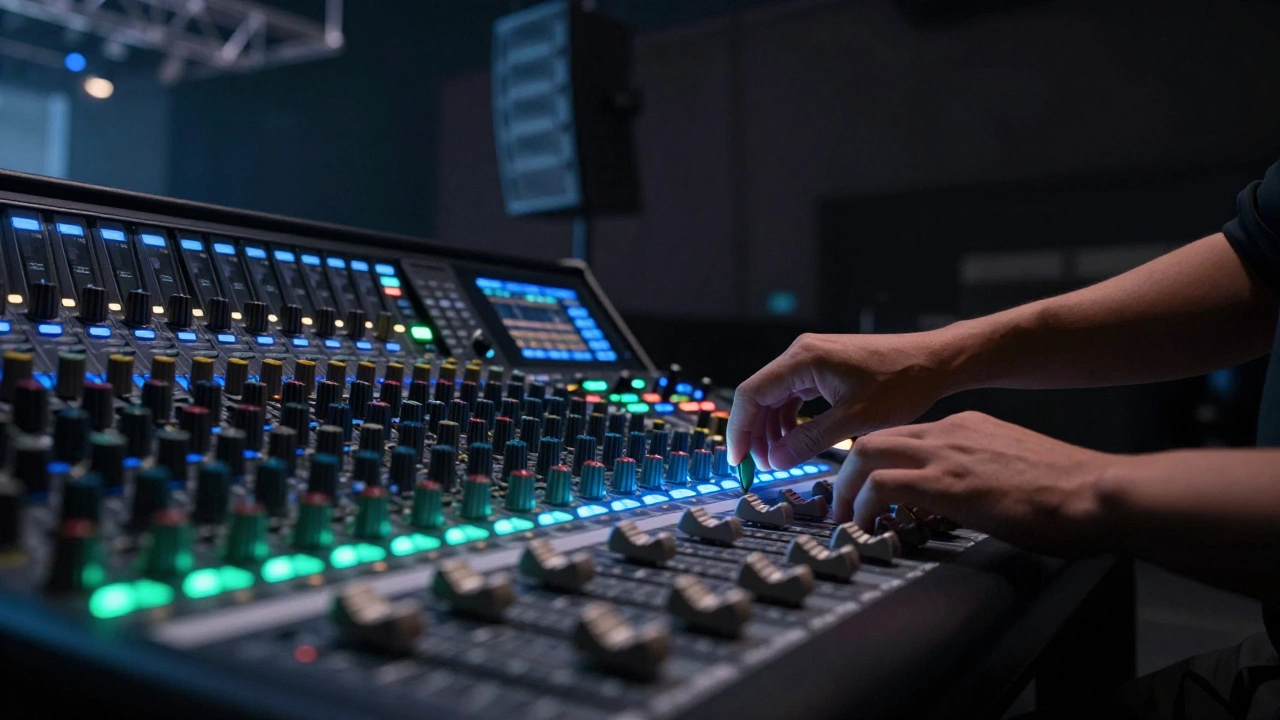
The mix is where the battle is won. A tribute show needs a sophisticated Mixing Console is an electronic device used to combine, route, and change the volume and tone of multiple audio signals. Whether it's a digital board like the Yamaha CL5 or an Avid system, the engineer needs enough channels to handle a full band, multiple vocalists, and potentially a brass section. If the venue only provides a basic 16-channel board, they're not ready for a spectacle. We're talking about isolating the kick drum, the snare, and every single backing vocal to ensure the lead singer's voice cuts through the mix with studio-quality clarity.
| Feature | Standard Tribute | Alli Starr Production Level |
|---|---|---|
| Speaker Setup | House Point-Source | Full Line Array with Sub-Clusters |
| Monitoring | Wedge Monitors | In-Ear Monitoring (IEM) Systems |
| Channel Count | 12-24 Channels | 32-64 Channels |
| Sound Check | 30-60 Minutes | Full Afternoon Sound Mapping |
Visuals and Lighting Rigging
Lighting is what transforms a concert into a "spectacle." You can't just flip on the house lights and hope for the best. A high-end production utilizes DMX is a digital communication protocol used to control lighting and effects equipment to synchronize visual cues with the music. The rig needs to support moving head lights, strobes, and washes that can change color instantly to match the mood of a song.
Think about the difference between a warm, amber glow for a ballad and a sharp, flashing white light for a rock anthem. If the venue doesn't have a sturdy Truss is a structural framework made of aluminum or steel used to hang lighting and audio equipment, the production has to bring in ground-supported lighting, which takes up valuable stage real estate. Furthermore, the power supply is a huge deal. High-wattage lighting rigs can easily trip a standard circuit. A production of this size usually requires dedicated 20-amp or 50-amp power drops to ensure the lights don't go dark right during the climax of the show.
Backstage Logistics and Artist Care
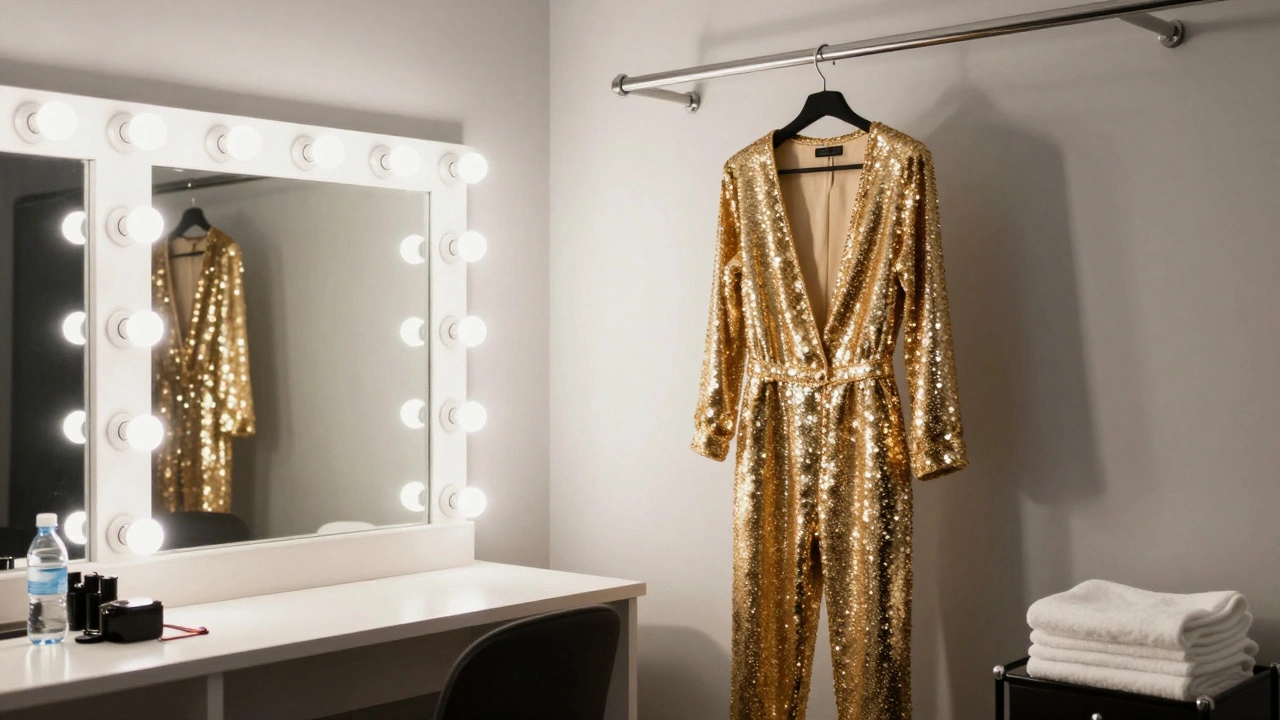
What happens off-stage is just as important as what happens on it. For a tribute artist, the costumes are often complex, heavy, and expensive. You can't just throw a sequined jumpsuit on a chair in a humid basement. The production requires a dedicated dressing room with Climate Control is the use of heating and cooling systems to maintain a specific temperature and humidity level. If the room is too hot, the makeup runs; if it's too damp, the instruments go out of tune.
Beyond the temperature, the space needs enough room for a wardrobe assistant to help with quick changes. Imagine a show where the artist needs to switch from a leather jacket to a formal suit in under 90 seconds. That requires a clear path and a designated "staging area" just off the wings. If the backstage area is a cluttered hallway shared with the venue's storage, the flow of the show is compromised.
The Technical Rider: Turning Requests into Reality
The Technical Rider is a formal document attached to a performance contract that specifies the technical and hospitality requirements for a show is the blueprint for the entire event. It isn't a wish list; it's a set of requirements. When a production team sends over a rider, they are outlining the minimum standards needed to execute the show safely and professionally.
A common pitfall for venues is treating the rider as a suggestion. For example, if the rider asks for a specific brand of Microphone is a transducer that converts sound waves into electrical signals, like a Shure SM58 or a Beta 52, and the venue provides a generic alternative, the sound quality changes. While a professional engineer can work around a lot, certain pieces of gear are essential for achieving that "original artist" sound. The rider also covers the "hospitality" side-water, towels, and secure areas-which ensures the artists can focus entirely on the performance rather than worrying about where their gear is.
Common Venue Pitfalls and How to Avoid Them
Many venues struggle with "acoustic bleed." This happens when the drums are so loud that the sound leaks into the vocal microphones, creating a muddy mess. To fix this, the production uses a combination of physical baffles and precise Equalization is the process of adjusting specific frequency components of an audio signal to improve sound quality on the mixing board. If a venue has too many hard surfaces-like glass walls or concrete floors-the sound bounces everywhere, creating echoes that make the lyrics hard to understand.
Another issue is the "power sag." When the lighting rig hits a peak and the bass drops at the same time, there's a massive draw on the electrical system. If the venue's wiring is outdated, you might experience a momentary dip in power, which can crash digital consoles or cause lights to flicker. The best way to avoid this is to conduct a power audit before the equipment even arrives on site. A quick check of the breaker panels can save a show from a catastrophic blackout.
Why is the stage size so critical for tribute shows?
High-end tribute shows are about more than just music; they are theatrical productions. They require space for choreographed movement, backup performers, and large equipment rigs. A stage that is too small limits the visual impact and can make the performance feel cramped and unprofessional.
Can a venue's house sound system be used instead of a touring rig?
It depends on the quality. If the venue has a modern line array and a high-channel digital console that matches the production's requirements, it can work. However, most high-tier productions prefer their own gear to ensure consistent sound quality across different cities.
What is the purpose of a technical rider?
The technical rider serves as a contract for the environment. It tells the venue exactly what is needed in terms of sound, lighting, power, and space so that the production team can plan the load-in and sound check efficiently, avoiding last-minute surprises.
How does lighting affect the audience's perception of a tribute act?
Lighting creates the atmosphere. By using specific colors and timings that mimic the original artist's tours, the production triggers an emotional response and a sense of authenticity, making the show feel like a real concert rather than a cover band.
What are the most common electrical issues during these shows?
The most common issues are overloaded circuits and voltage drops. Because lighting and audio gear pull significant power, using a single circuit for multiple high-draw items can trip breakers. Dedicated power drops and professional distribution boxes are the standard solution.
Next Steps for Venue Managers
If you're managing a venue and want to attract top-tier tribute acts, start by creating a detailed "Venue Spec Sheet." This document should include your exact stage dimensions, a map of your power outlets, a list of your house audio gear (including model numbers), and photos of your loading dock. When a production team sees that you have this information ready, it gives them confidence that the show will run smoothly.
For those who are unsure if their space is up to par, consider hiring an independent production consultant for a one-day audit. They can identify "dead zones" in your acoustics or weaknesses in your electrical grid. Fixing these issues now is much cheaper than dealing with a failed show or a disgruntled production team on the night of a sold-out event.