Imagine spending six months crafting an EP, only to have it buried in a sea of 100,000 daily uploads. That is the reality for independent artists today. You aren't just competing with other musicians; you are competing for attention against podcasts, audiobooks, and viral TikTok sounds. This is where Alli Starr becomes a case study worth watching. She didn't just release music; she used listener data to refine her sonic identity and distribution strategy, turning casual streams into a dedicated fanbase.
If you are an artist or manager looking to cut through the noise, you need to stop guessing what your audience wants and start listening to the numbers. But not all data is created equal. Here is how to break down the metrics that actually move the needle, using Alli Starr’s approach as a blueprint.
The Myth of Raw Stream Counts
Most artists obsess over total play counts. It feels good to see that number tick up. But here is the hard truth: raw stream counts are vanity metrics if they don't correlate with retention. A stream that lasts five seconds does almost nothing for your long-term growth compared to a full listen. The Spotify algorithm, which drives most discovery for indie acts, prioritizes completion rate and save rate over sheer volume.
Alli Starr understood this early on. Instead of chasing playlist placements that drove low-quality traffic, she focused on tracks that kept listeners engaged. Why? Because high completion rates signal to the platform's recommendation engine that your track is "sticky." When users finish a song, skip less, and save it, the algorithm pushes that track to more personalized playlists like Discover Weekly. This creates a flywheel effect: better engagement leads to better placement, which leads to more organic streams.
So, before you celebrate a spike in plays, check your retention curve. If 40% of your listeners drop off after the intro, you have a production or sequencing issue, not a marketing problem.
Decoding Geographic Hotspots
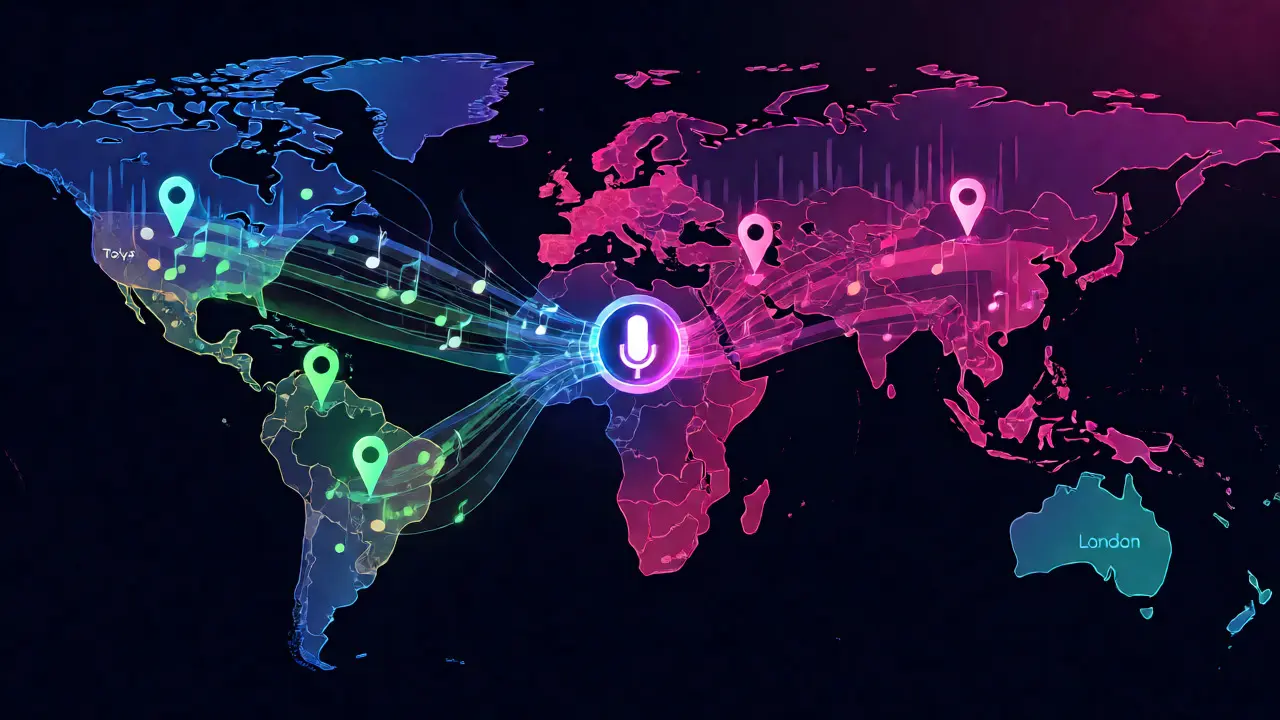
Data tells you where your fans live, but geography is about more than just map pins. It reveals cultural resonance. For many R&B and neo-soul artists, including those in Alli Starr’s circle, unexpected international hotspots often emerge. Maybe your music resonates deeply in Berlin or Tokyo before it breaks in Los Angeles. Why does this happen? Often, it is because local curators or niche blogs in those cities pick up on trends faster than major domestic outlets.
When Alli noticed specific regions showing high engagement, she didn't just pat herself on the back. She adjusted her tour routing and social media timing. If your top city is London, posting at 9 AM PST means your content hits their feed during their evening scroll time. Small adjustments like this can double interaction rates without costing a dime in ad spend.
- Actionable Tip: Check your Spotify for Artists "Top Cities" tab monthly. Identify any city outside your home market with above-average follower conversion.
- Strategy: Target geo-specific ads or collaborate with influencers in that region to amplify the trend.
Demographics vs. Psychographics
Knowing your listeners are aged 18-24 is useful. Knowing *why* they listen is gold. This is where psychographics come in. While platforms give you age and gender splits, you have to infer interests from related artists. If your listeners also stream SZA, Frank Ocean, and Solange, you know they value atmospheric production and lyrical depth. If they stream Doja Cat and Megan Thee Stallion, they might prefer high-energy beats.
Alli Starr leveraged this by aligning her visual aesthetic and social copy with the tastes of her core demographic. She didn't try to appeal to everyone. By doubling down on the vibe that attracted her initial cohort, she increased loyalty. Loyal fans are the ones who buy merch, attend shows, and share music with friends. They are worth ten times more than a passive streamer.
| Metric | What It Measures | Strategic Action |
|---|---|---|
| Save Rate | Percentage of listeners adding track to library | Indicates long-term interest; use saved tracks for tour setlists |
| Playlist Adds | Number of user-created playlists featuring the track | Shows mood fit; pitch similar moods to editorial teams |
| Listener Retention | How many listeners return within 28 days | Measures fan loyalty; informs email newsletter content |
| Source of Streams | Where plays originate (profile, playlist, search) | Identifies effective channels; allocate budget accordingly |
The Power of Collaborative Curation
One of the smartest moves in modern streaming optimization is leveraging collaborative playlists. This isn't just about sharing songs with friends. It is about borrowing authority. When you appear on a playlist curated by another artist in your genre, you tap into their trust network. Listeners trust their favorite artist's taste. If Alli Starr appears on a playlist curated by a peer with a similar sonic palette, the conversion rate from "stream" to "follow" is significantly higher than from a random algorithmic suggestion.
Look at your "Top Playlists" data. Are there small, user-generated playlists driving significant traffic? Reach out to those curators. Thank them. Offer to swap features. These micro-influencers often have highly engaged audiences that big brands ignore. Building relationships with these curators creates a grassroots distribution network that costs nothing but time.

Release Timing and Frequency
Data helps you answer the eternal question: "When should I release?" Many artists wait months between singles, hoping for a bigger splash. But the algorithm favors consistency. Regular releases keep you in the rotation of active listeners' feeds. Alli Starr’s team likely analyzed when their followers were most active online-usually evenings and weekends-and scheduled drops accordingly.
However, frequency isn't just about quantity. It is about narrative pacing. Use data to see which tracks sparked conversations. Did a specific lyric go viral? Release a remix or a behind-the-scenes video capitalizing on that moment. Data allows you to react quickly rather than sticking rigidly to a pre-set calendar that might miss the cultural zeitgeist.
Turning Data into Creative Decisions
Here is the part most artists miss: data should inform creativity, not dictate it. Don't change your sound because a certain BPM is trending. Instead, look at the emotional context of your streams. Are people listening to your sad songs late at night? Are they playing your upbeat tracks during workout hours? This temporal data helps you tailor your messaging.
If your upbeat track gets streamed heavily on Friday nights, your social posts for that week should highlight party vibes. If your introspective track peaks on Sunday mornings, lean into themes of reflection. Aligning your marketing message with the actual usage context of your music makes your brand feel intuitive and responsive.
Alli Starr’s success isn't magic. It is the result of treating streaming platforms not just as shelves for products, but as feedback loops. Every stream is a vote. Every skip is a critique. Every save is a promise of future attention. By analyzing these signals, you can optimize your presence without losing your artistic soul.
How often should I check my streaming analytics?
Check high-level metrics weekly to spot trends, but dive deep into detailed demographics and source data monthly. Checking too frequently can lead to overreacting to minor fluctuations, while checking too rarely means missing timely opportunities for promotion.
Do paid ads help improve organic streaming data?
Yes, indirectly. Paid campaigns can drive initial streams and saves. If the content quality is high, these new listeners will engage fully, signaling to the algorithm that the track is popular. This can trigger organic recommendations, creating a snowball effect where paid efforts bootstrap free growth.
What is a good save rate for an independent artist?
A save rate of 5-10% is generally considered strong for independent artists. Anything above 10% indicates exceptional resonance with the target audience. Rates below 2% suggest the track may be getting skipped quickly, possibly due to mismatched playlist placement or weak hooks.
Can I manipulate my streaming data to trick the algorithm?
You can boost visibility, but manipulation carries risks. Buying streams from bots often results in low retention and poor engagement signals, which can actually hurt your standing. Platforms are increasingly sophisticated at detecting unnatural patterns. Focus on genuine engagement instead.
How does Alli Starr use data differently than major label artists?
Major labels often rely on broad demographic targeting and massive ad budgets. Independent artists like Alli Starr typically use granular data to find niche communities and micro-influencers. This allows for hyper-targeted marketing that builds deeper connections with smaller, more loyal fanbases rather than chasing mass appeal.