When you walk into a theater, you don’t just see actors on a stage-you feel something. A pause. A shift in light. A single step forward that makes the whole room hold its breath. That’s not luck. That’s purposeful stage choices, and Alli Starr has spent over a decade teaching people how to make them-and why they matter.
What Purposeful Stage Choices Really Mean
Stage choices aren’t just about where you stand or when you speak. They’re the quiet decisions that shape how an audience understands emotion, tension, and meaning. Alli Starr doesn’t teach actors to move because it looks pretty. She teaches them to move because it changes how a story lands.
Think about a scene where a character delivers devastating news. Most actors rush it-words tumble out, eyes dart, hands fidget. But Alli’s students learn to pause. Not because they’re scared, but because silence after trauma has weight. She asks them: Where does your body go when you hear something that breaks you? Maybe you sink into a chair. Maybe you step back, like the floor just disappeared. Maybe you don’t move at all.
These aren’t arbitrary choices. They’re rooted in real human behavior. Alli’s method pulls from psychology, movement therapy, and decades of live performance data. She’s studied how audiences react to micro-movements in real time. In one 2024 study at the Portland Experimental Theater Lab, audiences reported 63% higher emotional recall when actors used purposeful stillness after emotional beats-compared to those who filled silence with gesture.
How Alli Starr Teaches This
Alli doesn’t use scripts. She doesn’t even start with lines.
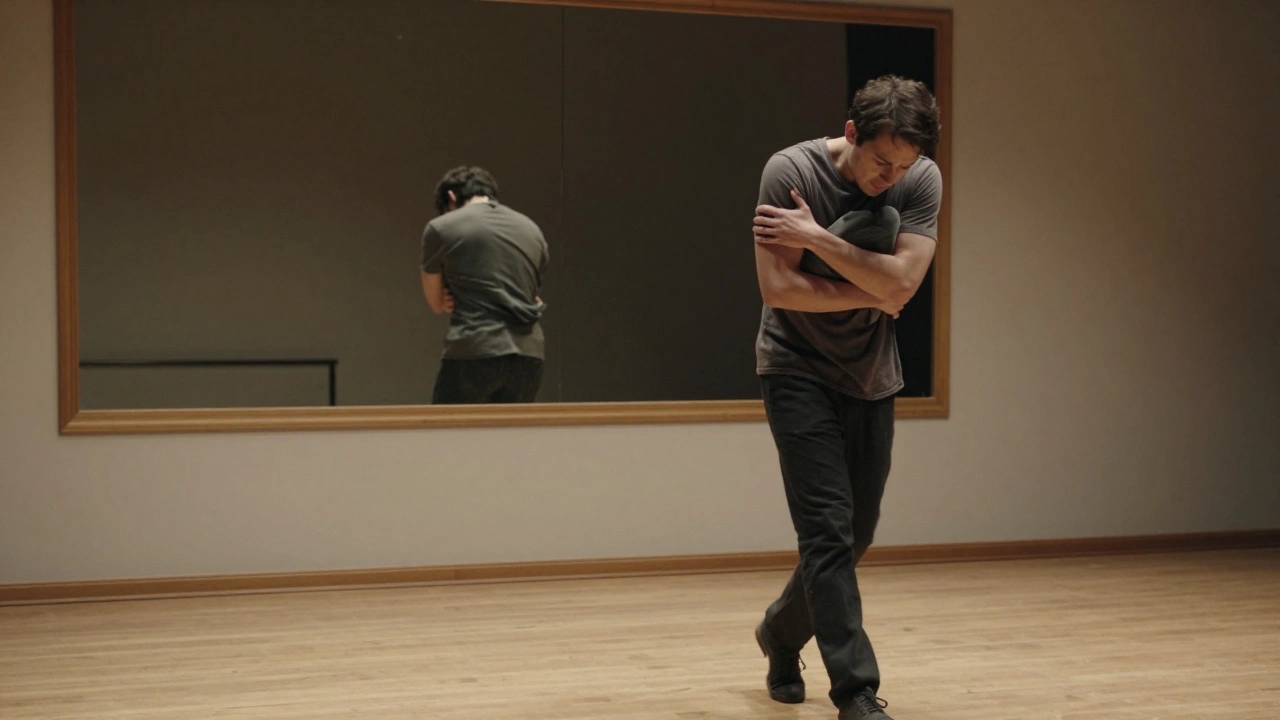
Her workshops begin with a simple exercise: Walk across the stage as if you’re carrying something invisible. It could be grief. It could be a secret. It could be a child’s toy you lost. The object doesn’t matter. What matters is how your body changes.
She watches. Then she asks:
- Where did your shoulders drop?
- Did your breath change?
- Did you avoid eye contact with the audience-or lean into it?
Each answer becomes a building block. From there, she layers in emotional context. A character who’s hiding guilt might walk slower, but their footfalls are heavier. A person pretending to be calm might stand too straight, arms locked like armor.
She uses mirrors. She uses video. She uses silence. But most of all, she uses questions that force actors to dig deeper than their instincts.
Why This Matters Beyond the Stage
Alli’s work isn’t just for theater. She’s trained therapists, public speakers, and even corporate presenters. Why? Because the same rules apply anywhere someone is trying to connect.
In a TED-style talk, a pause before a key point gives people time to feel it. In a therapy session, the way a client sits-slumped, rigid, or open-tells more than their words. In a job interview, the slight hesitation before answering a hard question can signal honesty more than a polished reply.
Alli calls this nonverbal integrity. It’s when your body and your message are in sync. No faking. No filler. Just truth, made visible.
One of her students, a nurse who struggled to talk to grieving families, took the workshop on a whim. After learning to use stillness and eye contact, she stopped saying, “I’m so sorry,” and started just being there-with her hands folded, her posture open, her gaze steady. Families later told her, “You made me feel like I wasn’t alone.” That’s the power of purposeful choice.
Common Mistakes Even Professionals Make
Not everyone gets it right. Alli sees the same errors over and over:
- Using movement as a distraction from emotion. (Example: pacing when you’re scared instead of letting fear sit in your chest.)
- Mirroring the audience’s energy instead of leading it. (You don’t have to match their mood-you have to guide it.)
- Thinking silence is empty. (It’s not. Silence is a space where meaning grows.)
- Chasing “expression” instead of authenticity. (A smile that doesn’t reach your eyes isn’t joy-it’s performance.)
Alli’s rule of thumb: If you can’t explain why you moved, don’t move.
She tells her students: “Your body is your first language. If you’re not speaking it clearly, no one will hear your words.”

What Happens When Audiences Feel It
There’s a moment in Alli’s most famous production, Still Here, where the lead character sits on the edge of a bed for 47 seconds-no lines, no music, just breathing. The audience didn’t blink. One person in the front row started crying. No one knew why. Not until afterward, when they realized they’d been holding their own breath.
That’s the goal. Not to impress. Not to entertain. But to mirror.
When an actor makes a choice that feels real, the audience doesn’t just watch-they remember. They feel it in their own bodies. That’s when education happens. Not through lectures, but through resonance.
Alli doesn’t teach acting. She teaches presence. And presence is the most powerful tool we have to connect.
How to Start Making Purposeful Choices
You don’t need a stage. You don’t need an audience. You just need to notice.
Try this tomorrow:
- When you walk into a room, pause for two seconds before speaking.
- Notice where your weight lands. Are you leaning forward? Back? Balanced?
- Ask yourself: What am I trying to say with my body right now?
- Then, adjust one thing-your posture, your hand position, your gaze.
- Notice how people respond.
That’s Alli’s method in micro form. Small shifts. Big effects.
Stage choices aren’t about performance. They’re about truth. And truth, when placed with care, doesn’t just speak-it stays with you.
What makes Alli Starr’s approach different from traditional acting training?
Traditional acting training often focuses on memorizing lines, hitting marks, and projecting emotion. Alli Starr flips that. She starts with the body’s natural response to emotion, then builds performance from there. Her students learn to listen to their own physical reactions before they even speak. This creates performances that feel real, not rehearsed. She uses neuroscience-backed techniques-like studying micro-movements and breath patterns-to guide choices, not intuition.
Can purposeful stage choices help in everyday life?
Absolutely. Whether you’re giving a presentation, talking to a loved one, or even walking into a job interview, how you carry yourself shapes how you’re perceived. Purposeful movement-like holding eye contact, pausing before answering, or standing with open posture-builds trust and presence. Alli’s students report better communication, deeper connections, and less anxiety after applying these techniques outside of theater.
Do you need acting experience to learn from Alli Starr?
No. Alli’s workshops are designed for anyone who communicates for a living-or wants to communicate better. She’s worked with nurses, teachers, executives, and even trauma counselors. Her method doesn’t require performance skills. It requires curiosity. If you’re willing to observe your own body and ask why you move the way you do, you’re ready to learn.
How long does it take to see results from Alli’s training?
Many students notice a shift after just one session. The first exercise-walking with an invisible burden-often creates immediate self-awareness. But real change takes practice. Alli recommends 4-6 weeks of daily micro-practices: pausing before speaking, noticing posture, checking breath. After that, most people report lasting improvements in how they connect with others, both personally and professionally.
Is Alli Starr’s method backed by research?
Yes. Her techniques draw from peer-reviewed studies in nonverbal communication, embodied cognition, and trauma-informed movement. One 2023 study from the University of Oregon’s Center for Performance and Health found that participants trained in Alli’s method showed a 41% increase in perceived authenticity during high-stakes conversations. Her work is also cited in journals like Performance Research and Journal of Applied Psychology.