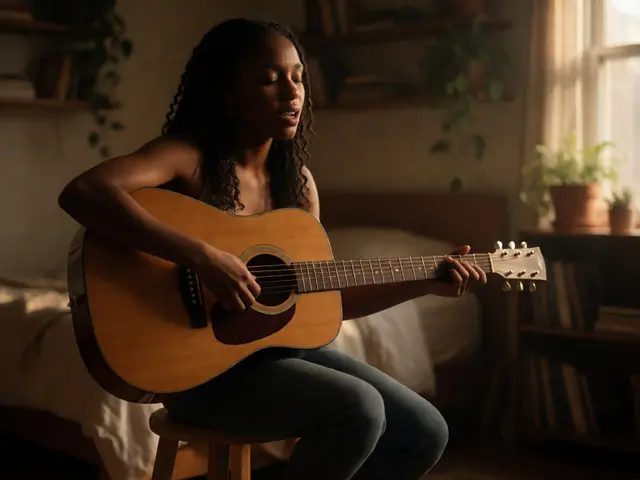
Death is often treated as a logistical error in modern society. We hide it behind closed doors, rush the paperwork, and treat the body like a package that needs to be shipped rather than a person who lived a life. But what if the final chapter wasn't just about biology, but about story? Alli Starr is a cultural critic and author known for her work on the intersection of music, identity, and mortality. Her concept of Soul Catalog is a framework for curating one's own narrative of closure before death occurs. It challenges the sterile efficiency of traditional mortuary science by arguing that how we leave matters as much as how we arrive.
You might wonder why a musician’s perspective matters here. Well, think about your favorite album. It doesn’t just end abruptly; it has a closing track that resolves the tension built up over forty minutes. Starr argues that our lives need that same intentional resolution. Without it, grief feels chaotic because the story was never properly finished. This isn’t about fear of dying; it’s about the agency of living. By mapping out your "soul catalog," you give your loved ones a script to follow, reducing the guesswork that often leads to family conflict during funerals.
The Problem with Standardized Grief
Traditional funeral homes operate on a model of standardization. Caskets come in three sizes, services last thirty or sixty minutes, and the language used is generic. While efficient, this approach strips away the unique texture of an individual’s life. In mortuary science, the focus has historically been on preservation and presentation. The body is prepared to look its best, yes, but the person inside is often reduced to a name on a headstone.
Starr’s critique isn’t anti-funeral; it’s pro-narrative. She suggests that most people don’t know what they want for their end-of-life experience until it’s too late. This creates a burden on survivors who must make high-stakes decisions while in shock. The "Soul Catalog" acts as a pre-written will for the soul. It includes not just legal directives, but emotional ones. Who should speak? What songs should play? What stories should be told? By answering these questions in advance, you transform the funeral from a performance of sadness into a celebration of specificity.
What Is a Soul Catalog?
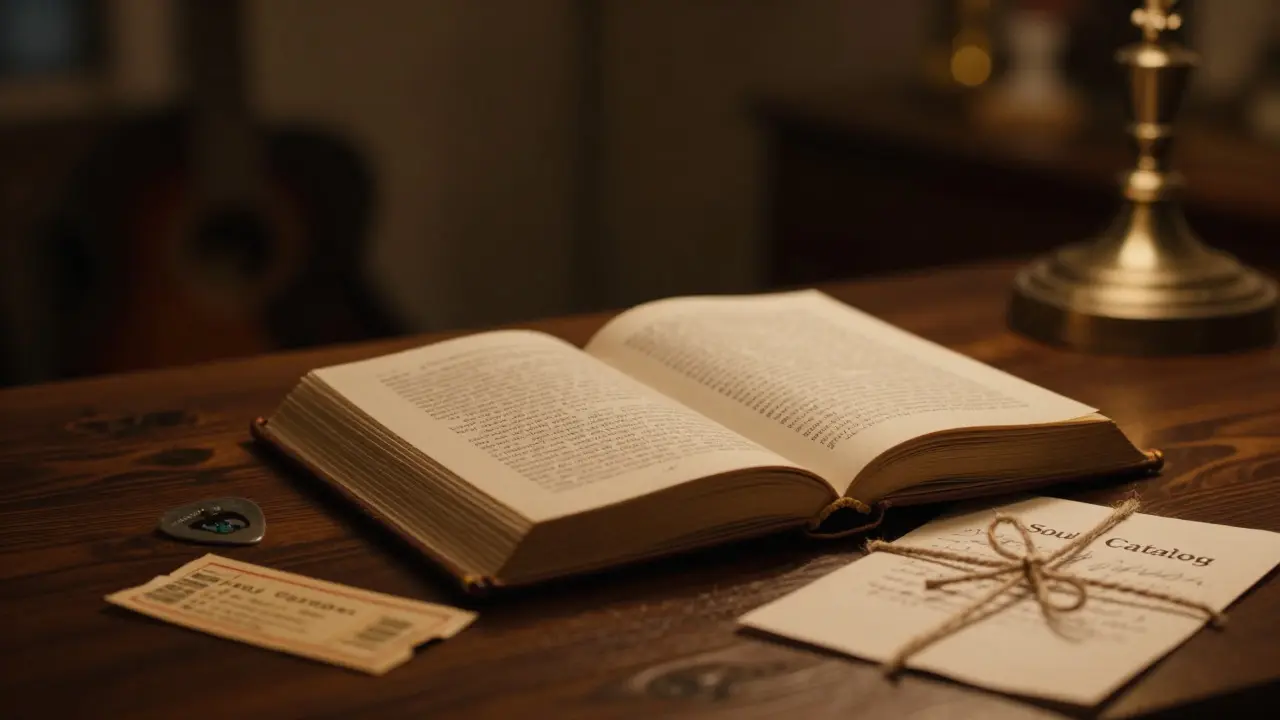
A Soul Catalog is essentially a curated collection of memories, artifacts, and instructions that define your personal narrative. It is not a document to be locked in a safe; it is a living record. Think of it as a mixtape for your legacy. Each entry serves a specific purpose in the larger story of who you were.
- Artifacts: Physical objects that hold memory, such as a worn-out guitar pick, a letter from a first love, or a ticket stub from a pivotal concert.
- Narratives: Short written accounts of key life moments. These are not resumes; they are vignettes that capture emotion and context.
- Rituals: Specific actions you want performed. This could be scattering ashes at a specific coordinate or playing a particular song at the moment of viewing.
- Connections: A list of people who shaped you, with notes on how to honor them in your service.
The goal is to create a map that guides your mourners through your life’s journey. When your family opens this catalog, they aren’t just reading facts; they are receiving keys to understand your inner world. This reduces the cognitive load on grieving relatives, allowing them to focus on feeling rather than figuring things out.
Integrating Music and Memory
Music is the most powerful tool for accessing memory. Neurologically, music bypasses logical processing and hits the emotional center directly. Starr emphasizes that the soundtrack of your life is a crucial part of your Soul Catalog. It’s not just about picking a "favorite song." It’s about identifying the sonic landscape of your decades.
Consider the difference between a generic hymn and a specific track that reminds you of your college years. The former is respectful but distant. The latter is intimate and real. In your catalog, you might assign specific songs to specific eras of your life. For example, a song from age twenty might represent ambition, while a lullaby from age thirty might represent stability. During the service, these tracks can be played in sequence, creating a musical biography that complements the spoken words.
| Feature | Traditional Funeral | Soul Catalog Approach |
|---|---|---|
| Primary Focus | Body preservation and social norms | Narrative closure and personal identity |
| Decision Maker | Surviving family under stress | The deceased (pre-planned) |
| Content Source | Generic templates and clergy scripts | Personal artifacts, stories, and music |
| Emotional Outcome | Closure through ritual completion | Closure through understanding and connection |
| Role of Mortuary Science | Technical execution of logistics | Facilitator of the curated narrative |

The Role of Mortuary Science in Storytelling
We often view mortuary science as purely technical. Embalming, cosmetology, and transportation are essential, but they are the stage, not the play. Starr argues that modern morticians need to become narrative facilitators. They are the ones who control the environment where the story is told. The lighting, the scent, the layout of the room-all these elements influence how the audience receives the message.
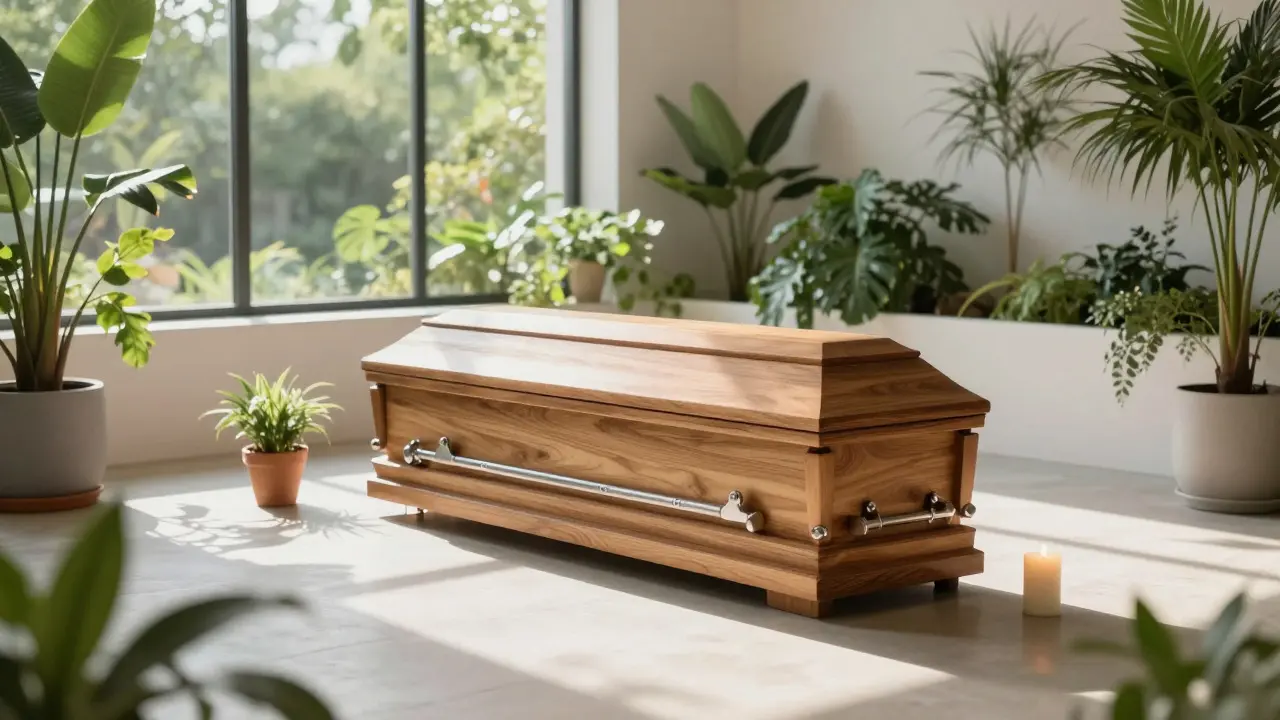
In Portland, Oregon, where I live, there is a growing movement toward green burials and direct cremation. These trends reflect a desire to strip away excess. However, stripping away excess doesn’t mean stripping away meaning. A simple wooden casket can still hold a rich Soul Catalog. The container is less important than the content. Mortuary professionals who embrace this shift help families see that simplicity can coexist with depth. They stop selling products and start curating experiences.
Practical Steps to Start Your Catalog
You don’t need to wait until you are elderly to start this process. In fact, starting early allows you to update your narrative as your life changes. Here is how you can begin:
- Choose a Central Theme: What is the core truth of your life? Is it resilience? Creativity? Love? This theme will guide your selections.
- Collect Artifacts: Gather physical items that trigger strong memories. Keep them in a dedicated box or digital folder.
- Write Micro-Memoirs: Write short paragraphs about five significant events. Focus on feelings, not just dates.
- Create a Playlist: Select ten songs that represent different chapters of your life. Add notes explaining why each song matters.
- Designate a Curator: Choose one person who will be responsible for executing your wishes. Explain your vision to them clearly.
This process is therapeutic. Writing down your life forces you to confront what truly mattered. It helps you let go of regrets and amplify your joys. You are not just preparing for death; you are refining your life.
Overcoming Cultural Resistance
Talking about death is taboo in many cultures. People fear that planning their own ending will invite bad luck. Starr addresses this by reframing the conversation. Planning your Soul Catalog is an act of love, not morbidness. It tells your family, "I trust you enough to share my inner world with you." It gives them permission to grieve in a way that honors your uniqueness.
Resistance also comes from the commercial funeral industry, which profits from uncertainty. If you have a clear plan, you are less likely to buy expensive packages you don’t need. This democratizes the funeral experience. It puts power back in the hands of the consumer. By taking control of your narrative, you reduce the financial and emotional strain on your loved ones.
Frequently Asked Questions
Is a Soul Catalog legally binding?
No, a Soul Catalog is not a legal document like a will or advance directive. It is a guide for your family and funeral director. To ensure your wishes are followed, pair it with a legal advance directive and discuss your plans verbally with your designated curator.
How does this differ from a memoir?
A memoir is a chronological account of your life meant for readers. A Soul Catalog is a curated set of fragments meant for mourners. It focuses on specific emotions, artifacts, and rituals rather than a complete history. It is designed to facilitate closure, not provide biographical detail.
Can mortuary professionals help create a Soul Catalog?
Yes, increasingly so. Many modern funeral directors offer consultation services to help clients organize their preferences. They can advise on how to incorporate personal items into the viewing space and suggest ways to integrate music and storytelling into the service structure.
What if I change my mind later?
That is the point. A Soul Catalog is a living document. As your values and relationships evolve, so should your catalog. Review it every few years. Remove items that no longer resonate and add new ones that reflect your current self. Flexibility ensures authenticity.
Does this apply to non-traditional deaths?
Absolutely. Whether you pass suddenly or after a long illness, having a pre-prepared narrative helps your family find order in chaos. In sudden deaths, the lack of preparation is often the source of the most confusion. A Soul Catalog provides a stable anchor, ensuring that even in shock, your story is told the way you intended.