You probably saw the headlines: Alli Starr is bringing her show to Las Vegas. But here’s the thing-this isn’t just another celebrity cash grab. If you look closely at how she structured this deal, what it says about her career trajectory is way more interesting than the ticket prices.
Most artists treat a Vegas residency as a victory lap. You’ve made it big, you’re tired of touring, so you park yourself in a casino and let the fans come to you. It’s passive income with a stage attached. But Alli Starr? She’s doing something different. Her approach reveals a calculated shift in priorities that other emerging artists should pay attention to. We’re talking about control, brand integrity, and the new economics of live music in 2026.
The Shift From Touring Fatigue to Strategic Presence
Let’s be real for a second. The traditional tour model is broken. Between rising gas costs, venue fees, and the sheer physical toll of moving gear across time zones, mid-tier artists are burning out before they hit their peak. For years, the industry narrative was "tour until you drop." But Alli Starr seems to have flipped the script.
Her decision to anchor herself in Vegas isn’t about laziness; it’s about leverage. By securing a residency, she controls the environment. No more bad sound checks in half-empty clubs. No more relying on promoters who care more about the bar tab than the setlist. In Vegas, the infrastructure is built for spectacle. This allows her to focus entirely on the performance aspect, which has always been her strongest suit.
This move signals a priority shift from volume (how many shows can we play?) to value (how impactful can each show be?). It’s a subtle but powerful statement: she values quality over quantity, and she’s willing to sacrifice geographic reach for depth of experience.
Brand Control in a Digital-First World
Think about your own social media feed. How much content do you actually see from artists who are constantly on the road? Usually, it’s blurry clips, travel complaints, or generic "goodnight" posts. It dilutes the brand. When an artist is everywhere, they’re nowhere.
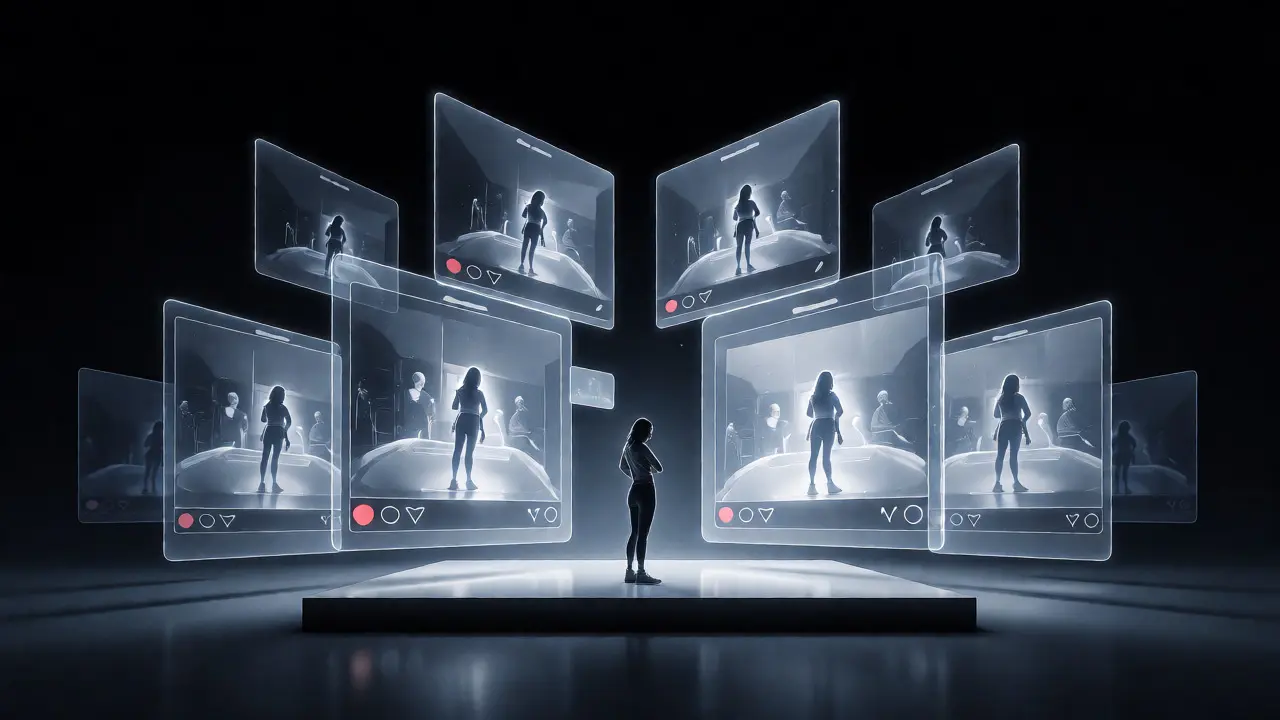
Alli Starr’s residency allows for consistent, high-quality content creation. Because she’s in one place, the production team can build a visual identity that stays sharp. Every night looks like a premiere. This consistency matters because, in 2026, your digital footprint is your resume. Fans don’t just buy tickets; they buy into an aesthetic. By locking down a location, she ensures that every clip shared online reinforces the same polished image.
It’s not just about looking good, though. It’s about narrative control. When you’re touring, you’re reacting to venues. When you’re resident, you’re setting the rules. This autonomy suggests that artistic integrity now outweighs the old-school hustle mentality. She’s choosing to protect her creative vision rather than compromising it to fit into a promoter’s schedule.
The Economics of Predictability vs. Risk
Money talks, obviously. But let’s look at the numbers behind the vibe. Traditional touring is high-risk, high-reward. You might sell out in Chicago and bomb in Denver. That volatility makes financial planning a nightmare for independent labels and self-managed artists alike.
A residency offers predictability. Fixed overheads, guaranteed slot times, and a captive audience base. For Alli Starr, this likely means better margins per show. Why? Because the marketing costs are centralized. Instead of promoting ten different cities, she promotes one destination. The fanbase travels to her, absorbing some of the logistical friction.
| Factor | Traditional Touring | Vegas Residency |
|---|---|---|
| Travel Costs | High (Flights, Hotels, Freight) | Low (Local Transport Only) |
| Marketing Spend | Distributed (City-Specific Ads) | Consolidated (Destination Campaign) |
| Revenue Stability | Variable (Dependent on Local Demand) | Predictable (Contractual Guarantees) |
| Creative Control | Compromised (Venue Constraints) | High (Custom Production Possible) |
This economic stability frees up mental space. Artists can’t create well when they’re stressed about whether the next bus will break down. By stabilizing the backend, Alli Starr prioritizes sustainability. It’s a long-game strategy that acknowledges burnout is the biggest threat to a modern career.
Fan Experience as a Product Differentiator
Here’s where it gets personal. Have you ever gone to a show and felt like you were just watching a band play songs you already know? That’s the risk of standard touring. The experience is often identical regardless of location.
Alli Starr’s residency changes the product. It becomes an event. Fans aren’t just seeing Alli Starr; they’re going to Las Vegas to see Alli Starr. The destination adds value. It turns a two-hour concert into a weekend trip. This shifts the dynamic from passive consumption to active participation.
This reveals a key priority: community building. By gathering her core fanbase in one spot, she creates a sense of exclusivity and shared memory. These people talk to each other. They share stories. They become ambassadors. A scattered tour audience rarely connects like that. A resident audience forms a tribe. And tribes are worth more than transient crowds.
Implications for the Next Generation of Artists
So, what does this mean if you’re an artist trying to figure out your next move? It doesn’t mean everyone needs to book Vegas tomorrow. But it does mean you need to rethink what "success" looks like.
- Stop chasing geography: Don’t feel pressured to play every city just to say you did. Depth beats breadth.
- Protect your energy: If a gig drains you more than it pays you, cut it. Your creative output depends on your well-being.
- Control your narrative: Find ways to present your art consistently, even if that means staying put for a while.
Alli Starr’s choices highlight a broader trend in the music industry: the move toward curated experiences over mass availability. We’re entering an era where scarcity and specificity drive value. Being accessible everywhere means being special nowhere. By limiting her physical presence, she increases her perceived value.
It’s also a smart brand play. Vegas is synonymous with entertainment excess, but it’s also becoming a hub for serious artistry. By aligning herself with that prestige, she elevates her status without needing a massive radio hit. She’s leveraging the venue’s reputation to bolster her own.
The Hidden Cost of Convenience
Of course, it’s not all sunshine and neon lights. There are downsides to this strategy that artists need to weigh. First, there’s the risk of stagnation. If you stay in one place too long, you stop evolving. The challenge for Alli Starr will be keeping the show fresh enough to justify repeat visits or new bookings.
Second, accessibility issues arise. Not everyone can fly to Vegas. This could alienate regional fans who can’t afford the travel. It’s a trade-off: higher revenue per fan, but fewer total fans reached directly. She’ll need to rely heavily on livestreams and recordings to bridge that gap.
Finally, there’s the dependency factor. Relying on a single venue or city puts all your eggs in one basket. What happens if the market shifts? Or if the relationship with the venue sours? Diversification is usually safer, but sometimes concentration yields higher returns. It’s a gamble, but one that seems calculated based on her current leverage.
Why This Matters Beyond the Spotlight
We tend to view these decisions through the lens of fame. But really, this is a case study in business acumen. Alli Starr is treating her art like a premium product line. You don’t sell luxury goods in every convenience store. You curate where they appear.
This approach respects the consumer’s intelligence. Fans today are savvy. They know when they’re being milked by a lazy tour cycle. They appreciate effort and intentionality. By giving them a specific reason to invest their time and money, she builds loyalty that lasts longer than a chart position.
As we move further into 2026, expect to see more artists follow this path. The days of grinding through empty bars are ending for those who can afford to wait. Patience and precision are becoming the new currency. Alli Starr isn’t just performing; she’s demonstrating a new blueprint for longevity.
Is a Las Vegas residency only for superstars?
Not necessarily. While major stars dominate the Strip, many mid-tier artists secure residencies in smaller venues or off-Strip locations. These deals often offer lower guarantees but significantly reduced overhead costs, making them viable for artists with a dedicated niche following who want to test the residency model without the pressure of filling a 5,000-seat arena.
How does a residency affect an artist's streaming numbers?
Residencies can boost streaming by creating localized hype. Fans attending the show often stream the catalog before and after the event. Additionally, high-quality visuals from the residency can go viral on social platforms, driving discovery. However, without touring, global awareness may plateau, so artists must actively use digital channels to maintain international interest.
What are the main risks of signing a residency contract?
The primary risks include financial penalties for cancellation, restrictive clauses that prevent touring nearby regions, and potential audience fatigue if the show doesn't evolve. Artists must ensure contracts allow for creative updates and include exit clauses if attendance drops below agreed thresholds.
Do fans prefer residencies over tours?
Data suggests a split preference. Hardcore fans often prefer residencies because they offer a more polished, high-production experience and the opportunity to travel. Casual listeners may prefer tours because they are more geographically accessible. Successful artists often balance both, using residencies for deep engagement and tours for broad reach.
How does Alli Starr's residency impact her brand perception?
It positions her as an established act with commercial viability. In the music industry, securing a residency is often viewed as a stamp of approval regarding drawing power. It signals to industry peers and sponsors that she has a stable, monetizable fanbase capable of sustaining regular high-profile performances.