Walk into any modern music video and you’ll notice something before the beat even drops: the hair. It’s not just styling; it’s a character trait. Take Alli Starr, a rising name in the indie-pop scene known for her raw vocal delivery and striking visuals. Her signature long braid isn’t just an accessory-it’s a narrative device. In a landscape where artists often change looks every single release, Alli’s consistent use of the braid creates a visual anchor that fans recognize instantly. This article breaks down why this specific hairstyle works so well as a visual signature and how it shapes the perception of her on-screen persona.
The Psychology of the Braid in Visual Media
Why a braid? Why not loose waves or a sleek bob? The answer lies in cultural coding. Historically, braids have symbolized discipline, heritage, and strength. In film and television, characters with braided hair are often portrayed as grounded, resilient, or connected to their roots. When Alli Starr appears in her videos, the braid signals stability amidst the chaotic energy of her performances. It contrasts with the dynamic lighting and rapid cuts typical of contemporary music videos that use fast editing and high-contrast color palettes to convey emotional intensity.
This consistency builds trust with the audience. Viewers don’t have to decode a new look every time; they see the braid and immediately understand the tone. It’s a form of non-verbal communication that bypasses lyrics and goes straight to the subconscious. Think of it like a logo for her physical presence. If she were to switch to short pixie cuts for her next album, the shock value would be immense, but the loss of that established identity would be equally significant.
Comparing Visual Signatures in Pop Culture
Alli isn’t the only artist using hair as a storytelling tool, but her approach is distinct. Let’s look at how her choice compares to other iconic figures in the industry.
Notice the pattern? Artists who maintain a high level of consistency, like Alli, create a stronger immediate brand recognition. Those who vary their looks, like Beyoncé, use hair to signal a shift in artistic direction or mood. For Alli, the braid is constant because her core message-authenticity and resilience-remains unchanged across albums.
Production Considerations: Styling for Camera
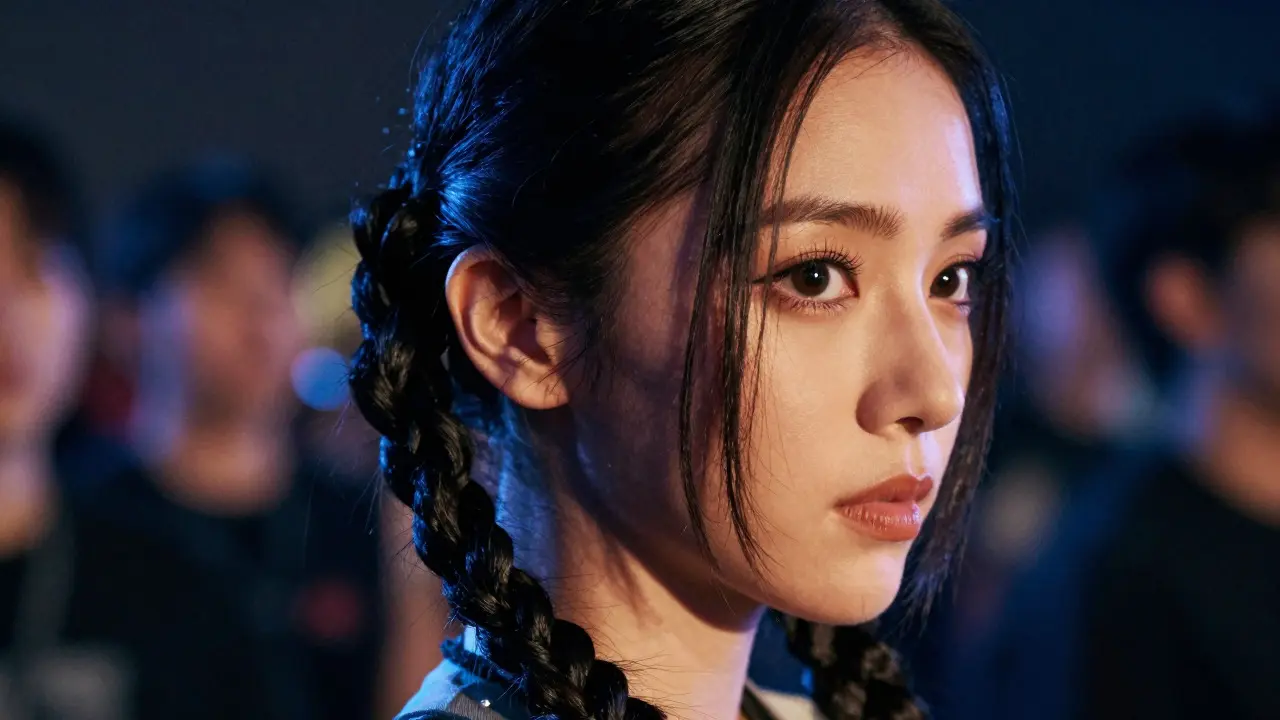
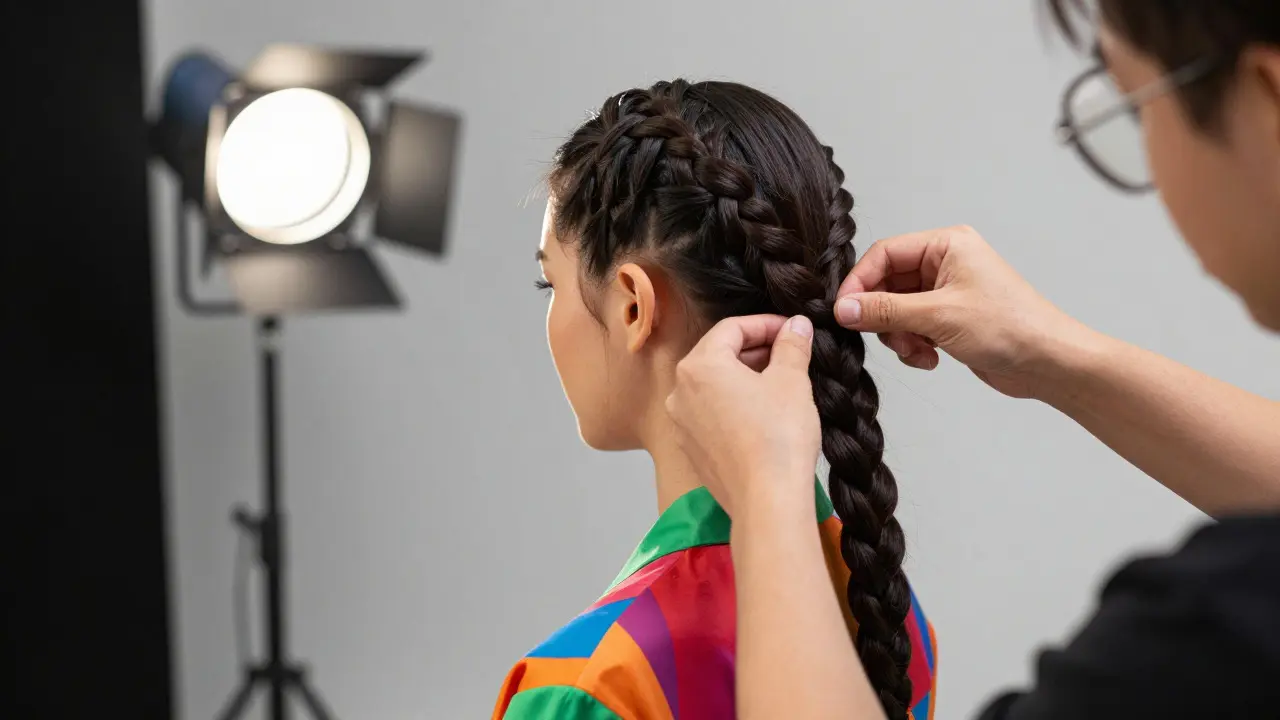
Creating a visual signature is easy on paper, but hard in practice. A long braid must hold up under studio lights, during intense dance routines, and in close-up shots where every strand is visible. The technical aspect of maintaining this look is crucial. Stylists work with specific products to ensure the braid doesn’t unravel during high-energy sequences. They also consider how the hair interacts with costumes. A dark, tight braid provides a clean line against colorful outfits, whereas loose hair might get tangled or obscure facial expressions.
Furthermore, the angle of the camera matters. A side profile shot highlights the texture and length of the braid, emphasizing its weight and movement. Front-facing shots use the braid to frame the face, drawing attention to the eyes. This interplay between hair structure and cinematography is what elevates the look from mere styling to true character design.
Fan Perception and Brand Loyalty
How do fans react to this consistency? Social media data suggests that Alli’s braid has become a meme-worthy element of her identity. Fans recreate the look, discuss the inspiration behind it, and note when it’s absent. This engagement drives community building. When an artist gives fans a recognizable visual cue, it lowers the barrier to entry for new listeners. You don’t need to know all the songs to recognize the artist; you just need to see the braid.
This phenomenon is similar to how athletes’ jersey numbers become synonymous with their names. It’s a shortcut for recognition. In a saturated market where new releases drop daily, having a distinct visual marker helps Alli stand out in thumbnails and social feeds. It’s a subtle but powerful marketing tool that costs nothing beyond the stylist’s time.
Evolution and Potential Changes
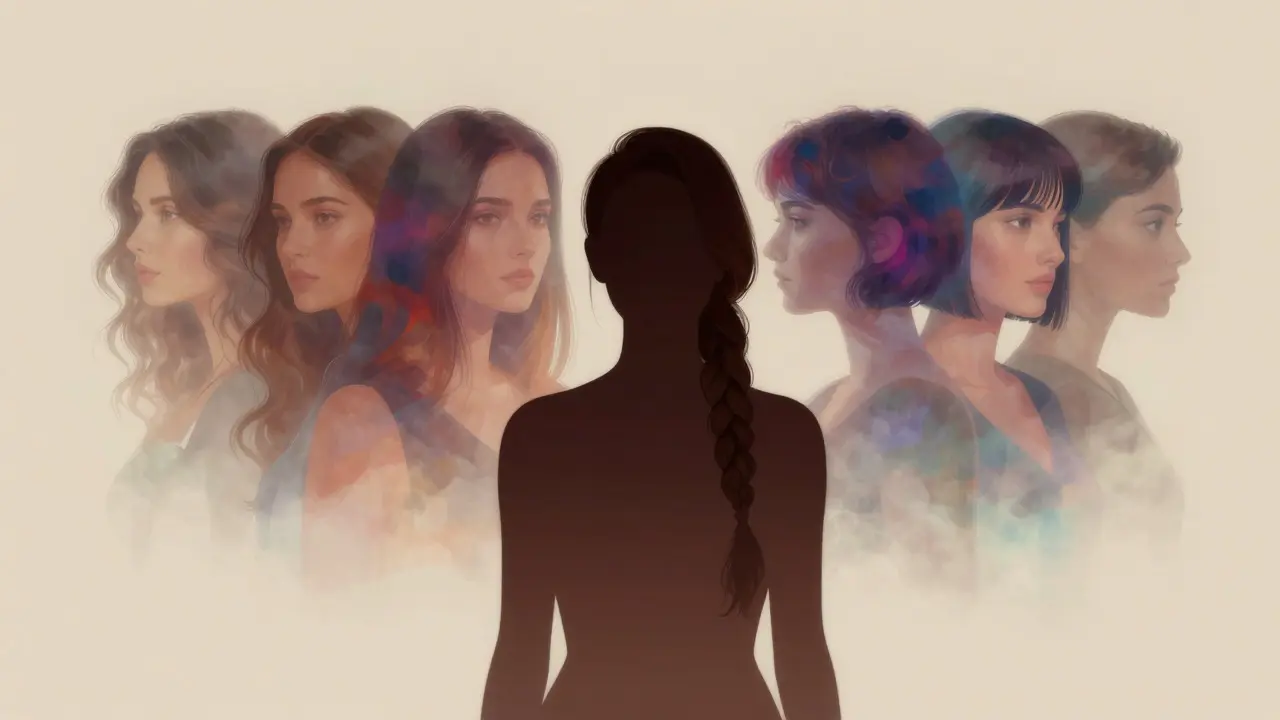
Will Alli keep the braid forever? Probably not. Artistic evolution usually requires visual shifts. However, the transition will likely be handled carefully. Perhaps she’ll add extensions, change the braid style (like a fishtail or Dutch braid), or incorporate accessories. The key is to maintain the silhouette while introducing novelty. Sudden changes can alienate core fans, while no change can make an artist seem stagnant. The sweet spot is gradual evolution that respects the established identity while signaling growth.
For now, the long braid remains her most potent visual asset. It tells a story without saying a word. In the world of music videos, where seconds count and attention spans are short, that kind of instant communication is invaluable.
Key Takeaways
- Alli Starr’s braid serves as a consistent visual anchor that reinforces themes of resilience and authenticity.
- Consistency in hair styling builds stronger brand recognition than frequent changes.
- Technical styling considerations are vital for maintaining the look under high-production conditions.
- Fans engage more deeply with artists who provide recognizable visual cues.
- Future changes should be gradual to preserve the established identity while allowing for artistic growth.
Frequently Asked Questions
Why does Alli Starr always wear a braid?
The braid acts as a visual signature that symbolizes resilience and groundedness. It provides consistency across her music videos, helping fans instantly recognize her and associate her image with her core artistic themes.
How does hair styling affect the perception of a music video?
Hair sets the tone before the audio starts. It conveys personality traits, historical context, and emotional state. A consistent style creates a cohesive narrative, while varied styles can signal different moods or eras in an artist's career.
Is it harder to style a braid for a music video than loose hair?
Yes, braids require more precision to stay intact during movement and under heat. Stylists must use specific products and techniques to ensure the braid holds its shape and texture throughout long shooting days and high-energy performances.
Can an artist change their signature look without losing fans?
Yes, if the change is gradual and tied to a clear artistic evolution. Abrupt changes can cause confusion, but subtle shifts in style or accessories allow the artist to grow while maintaining the core visual identity that fans connect with.
What role does social media play in reinforcing a visual signature?
Social media amplifies visual cues through repetition. Thumbnails, stories, and posts featuring the signature look reinforce brand recognition. Fans often recreate these looks, further cementing the association between the artist and the specific aesthetic.