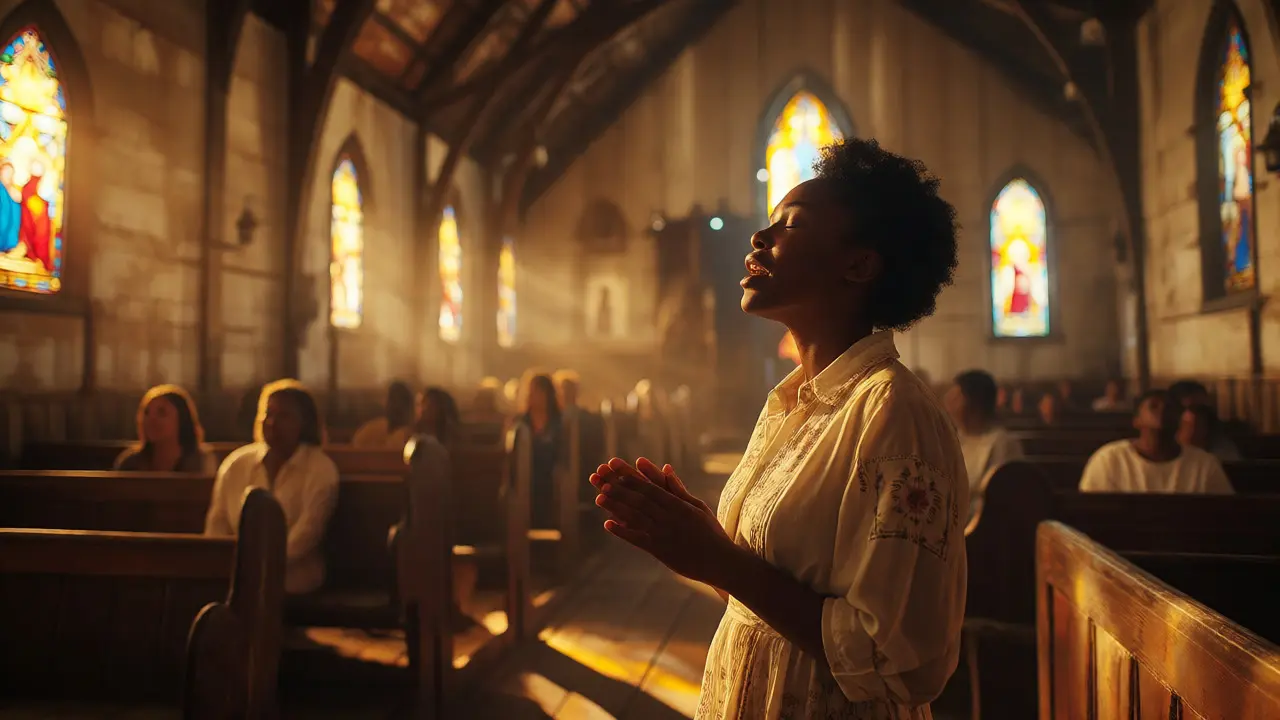
You hear it before you see the face. That slight crack in the voice, the way a note bends just enough to sound like a confession rather than a performance. It is not accidental technique; it is muscle memory from years spent singing in pews where the acoustics were terrible but the stakes were spiritual. Alli Starr is an American singer-songwriter and producer known for blending alternative R&B with hip-hop sensibilities. While her current catalog pulses with modern beats, the engine driving her emotional resonance was built long before she ever touched a DAW (Digital Audio Workstation). It was forged in the church.
Why does this matter? Because modern R&B often struggles with authenticity. Listeners are tired of polished perfection that feels sterile. They want pain they can trust. Alli Starr delivers that because her foundational training wasn't about hitting pitch-it was about transmitting feeling. If you have ever wondered why some artists feel "real" while others feel manufactured, look at their first stage. For Starr, that stage was the altar.
The Acoustic Environment of Faith
Churches are not recording studios. There are no autotune plugins, no reverb pedals to hide mistakes, and no producers telling you to do another take. The acoustic environment of a traditional Black church service is raw and unforgiving. You either connect with the congregation or you disappear into the woodwork. This pressure cooker created a specific type of vocalist: one who prioritizes dynamic range over technical precision.
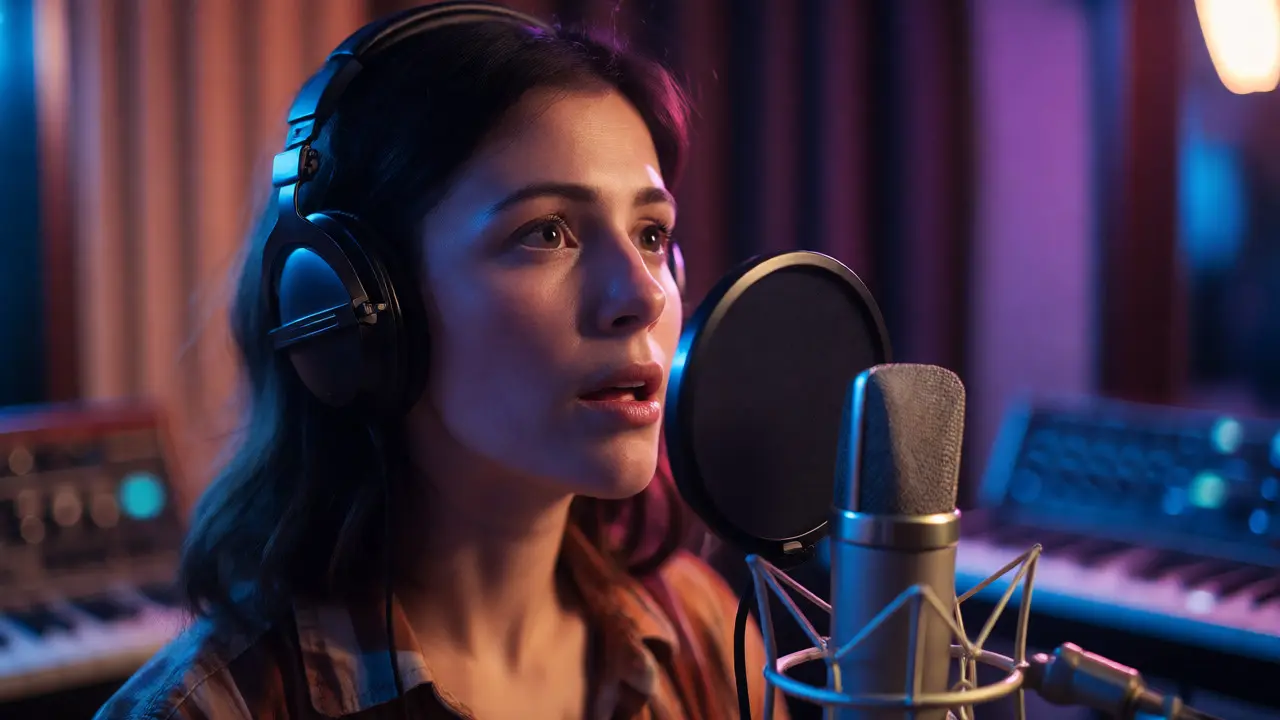
Starr grew up immersed in Gospel music, a genre defined by its call-and-response structure and improvisational freedom. Unlike classical training, which emphasizes uniformity, gospel encourages individual expression within a communal framework. When Starr sings today, she retains that instinct to respond to the room. Even when she is alone in a studio booth, she is listening for a response that isn't there, creating a tension that listeners interpret as longing.
This background explains her ability to sustain notes without sounding strained. In church, you sing until the spirit moves you, not until the meter tells you to stop. That endurance translates directly to her live performances, where she holds space for emotions that pop radio formats usually cut short.
From Hymnal to Headphones: Translating Technique
How do you translate a shout into a whisper? That is the core challenge of secularizing sacred techniques. Gospel singers are trained to project to the back of a sanctuary. R&B producers often demand intimacy that requires pulling back from projection. Starr navigates this shift by repurposing the "melisma"-the vocal run that stretches a single syllable across multiple notes.
In a hymn, melisma is praise. In an R&B track, it is vulnerability. Listen closely to her tracks on the EP *Sundown*. She uses runs not to show off range, but to hesitate. It mimics the speech pattern of someone trying to find the right words during an argument or a breakup. This is a direct carryover from preaching styles, where repetition builds emphasis and emotion.
| Technique | Sacred Context (Church) | R&B Context (Starr's Work) |
|---|---|---|
| Melisma | Expression of joy or worship; extends duration of praise. | Expression of uncertainty or heartbreak; creates hesitation. |
| Dynamic Range | Loud projection to fill large spaces; sudden drops for impact. | Intimate close-mic whispers; controlled bursts of intensity. |
| Improvisation | Ad-libbing based on congregational energy. | Layering vocals to create harmonic density and mood. |
| Tone Quality | Resonant, chest-heavy, open throat. | Breathy, textured, slightly distorted for realism. |
The Role of Community in Solo Performance
One of the most overlooked aspects of early sacred music training is the feedback loop. When you sing in a choir or lead worship, you are constantly reading faces. Are they crying? Are they clapping? Are they checking their phones? This hyper-awareness of audience reaction trains a performer to adjust their delivery in real-time.
Starr applies this skill to her songwriting. Her lyrics often address a specific "you," creating a dialogue rather than a monologue. This is the secular equivalent of the sermon. The preacher speaks to the crowd, but each person hears it personally. Starr’s songs function similarly. They feel like private conversations broadcast publicly. This structural habit comes from years of standing in front of groups of people who expected truth, not just entertainment.
Furthermore, the concept of "testimony"-sharing personal stories to illustrate spiritual truths-is central to church culture. Starr treats her discography as testimony. Each release documents a phase of her life with brutal honesty. There is no filter between the experience and the output. This transparency resonates deeply with Gen Z audiences who value authenticity over mystique.
Production Choices Rooted in Tradition
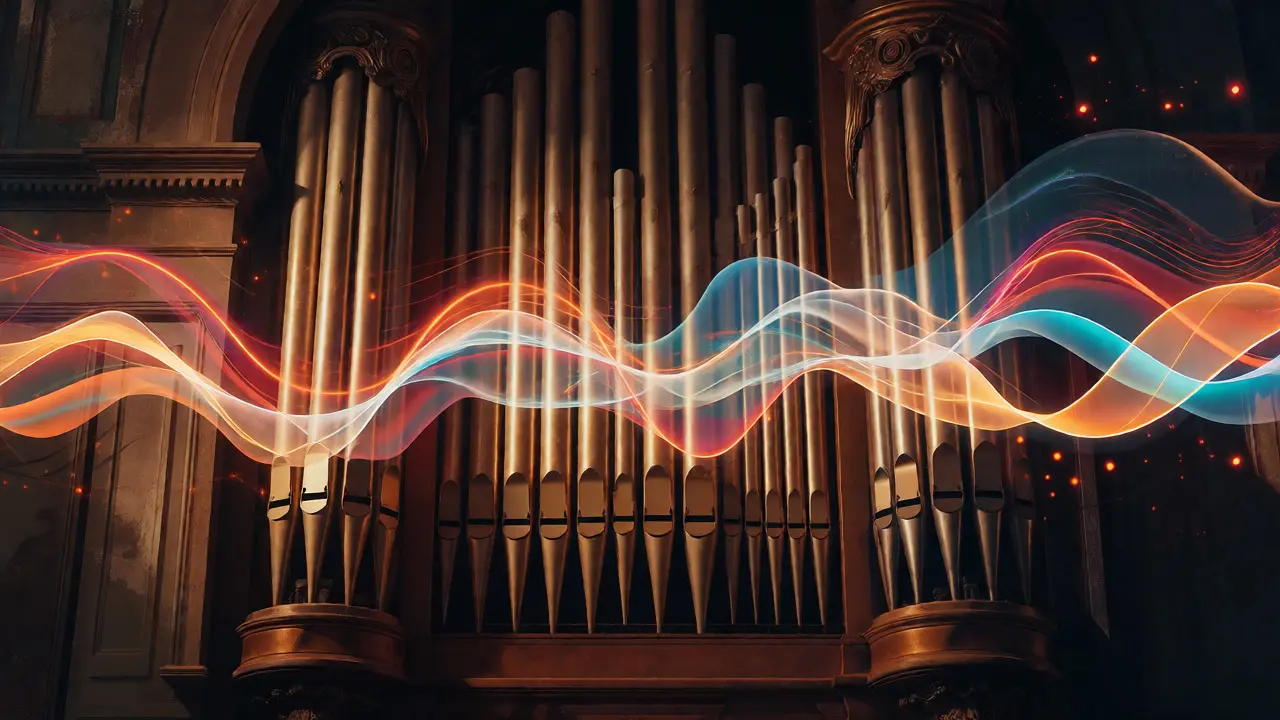
You might think that moving from organ-led hymns to synth-heavy R&B would erase these influences. But listen to the instrumentation. Starr often employs warm, analog sounds that mimic the timbre of pipe organs or acoustic pianos found in churches. The bass lines don't just groove; they anchor, much like the left hand of an organist holding down a pedal tone.
Her production team understands that the "soul" in soul music isn't just a label; it's a frequency. Low-end warmth triggers a physiological response similar to being enveloped in a choir's sound. By mixing her vocals forward and dry, she removes the barrier between her voice and the listener's ear. It feels like she is sitting next to you, not performing on a stage. This spatial choice is a direct inversion of the church dynamic, bringing the distant holy into the immediate personal.
Why This Matters for Modern Artists
We are seeing a resurgence of artists citing religious backgrounds, not necessarily as believers, but as technicians. Think of Adele, Beyoncé, or even Billie Eilish’s use of choral textures. The common thread is the rejection of robotic perfection. Audiences are craving the human error, the breath, the crack. These are hallmarks of unpolished, emotionally driven singing.
If you are an artist trying to develop your own voice, look at your earliest musical exposures. Did you learn to sing in harmony? Did you learn to improvise? Or did you only learn to read sheet music? The latter gives you accuracy; the former gives you soul. Alli Starr proves that you don't need to stay in the church to keep the spirit alive in your art. You just need to remember how it felt to be heard.
Did Alli Starr start her career in a gospel choir?
While specific biographical details vary, Starr has frequently cited her upbringing in a religious household as foundational to her musical development. She began singing in church settings, which provided her initial training in vocal control and emotional expression before transitioning to secular genres.
How does gospel training differ from classical vocal training?
Classical training focuses on consistent tone, precise pitch, and strict adherence to written scores. Gospel training emphasizes improvisation, emotional connection, dynamic variation, and responding to the audience. It values individual expression and 'feeling' over technical uniformity.
What is melisma and how is it used in R&B?
Melisma is the singing of a single syllable of text while moving between several different notes in succession. In R&B, it is used to add emotional complexity, hesitation, or flair to a lyric, allowing the singer to stretch out a moment of feeling beyond the constraints of the beat.
Does Alli Starr still perform gospel music?
Starr primarily performs alternative R&B and hip-hop influenced music. However, elements of gospel remain in her vocal style and occasional live performances. Her work is best described as secular music with deep spiritual roots rather than contemporary Christian music.
Why do listeners prefer authentic vocal imperfections?
Imperfections such as breathiness, cracks, or slight pitch variations signal humanity and emotional investment. In an era of heavily processed digital audio, these flaws serve as proof of genuine effort and feeling, fostering a stronger empathetic connection between the artist and the listener.