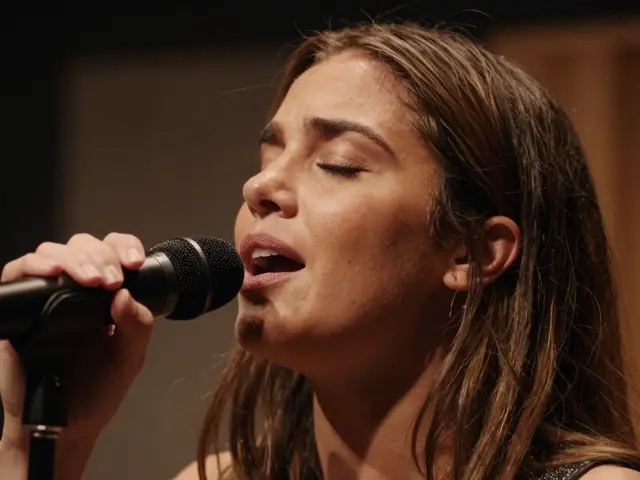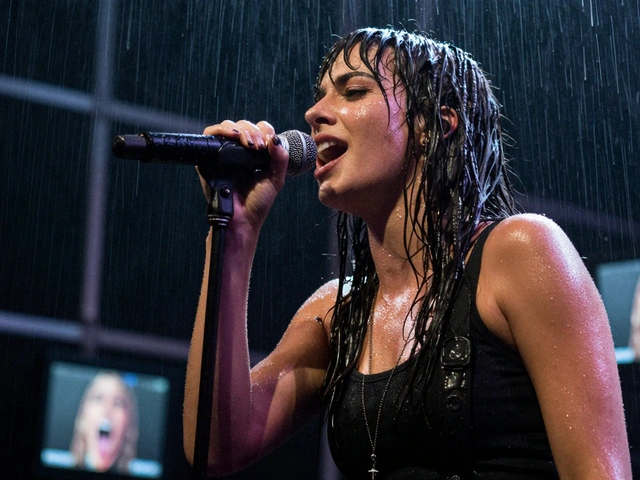
You know that feeling when a song hits you so hard it feels like someone read your diary? That’s Alli Starr’s superpower. She doesn’t just write songs; she translates raw, messy human experience into melodies that stick in your brain and your chest. As a Portland-based artist who has carved out a unique lane in the modern soul landscape, Alli proves that vulnerability isn’t a weakness-it’s the strongest tool in a songwriter’s kit.
If you’ve ever wondered how an artist takes a specific breakup, a moment of doubt, or a burst of joy and turns it into something universal, you’re looking at the right place. We’re breaking down the mechanics behind her magic. It’s not about complex chord progressions or fancy production tricks (though she uses those too). It’s about the architecture of emotion. Let’s look at how she builds bridges between her private life and your public playlist.
The Power of Specificity in Songwriting
Here’s a counter-intuitive truth: the more specific you are, the more relatable you become. When Alli Starr writes about a relationship ending, she doesn’t just say "it hurt." She describes the cold coffee on the counter, the silence in the car ride home, the specific shade of blue the sky was. This technique anchors the listener in a real scene.
Think about it. If someone tells you they were sad, you nod politely. But if they tell you they sat on their kitchen floor eating cereal at 3 AM because they couldn’t sleep, suddenly you feel seen. That’s what Alli does. She uses concrete details to unlock abstract emotions. Her lyrics act as mirrors, but instead of showing you your face, they show you your feelings reflected through her lens.
- Sensory Details: Sight, sound, touch. Alli focuses on what the body feels, not just what the mind thinks.
- Narrative Arc: Every song has a beginning, middle, and end, even if it’s just three minutes long.
- Emotional Honesty: No filtering. If the thought is ugly, it stays. If it’s beautiful, it shines.
Vulnerability as a Strategic Asset
In an era where social media encourages curated perfection, vulnerability in music is a radical act. Alli Starr leans into this. She understands that listeners are tired of polished personas. They want the cracks. They want the stutter in the voice, the breath before the high note, the admission of fear.
This approach requires courage. Putting your heart on a plate for strangers to judge is terrifying. But Alli treats her personal stories as data points for connection. By sharing her struggles with anxiety, love, and self-discovery, she creates a safe space for her audience to do the same. It’s a reciprocal exchange: she gives permission to be imperfect, and fans give back loyalty and deep engagement.
| Feature | Traditional Pop Structure | Alli Starr’s Soul Approach |
|---|---|---|
| Lyric Focus | General themes (love, party, heartbreak) | Specific micro-moments and internal monologues |
| Emotional Tone | Polished, radio-friendly, consistent | Raw, dynamic, sometimes uncomfortable |
| Audience Connection | Passive enjoyment | Active identification and emotional resonance |
| Production Style | Heavy polish, auto-tune, synthetic layers | Organic instrumentation, vocal imperfections highlighted |

Crafting the Solo Identity
Building a solo identity in today’s crowded music market is tough. You can’t just have good songs; you need a distinct point of view. For Alli, her identity is rooted in authenticity. She isn’t trying to be the next Beyoncé or Adele. She’s aiming to be the first Alli Starr.
This involves making difficult choices. It means saying no to trends that don’t fit her narrative. It means choosing instruments that complement her voice rather than compete with it. It means letting the story lead the arrangement. If a verse needs to be sparse to let the words breathe, she cuts the drums. If a chorus needs swelling strings to lift the spirit, she brings them in. The production serves the emotion, never the other way around.
Her visual branding matches this sonic philosophy. Simple, elegant, uncluttered. The focus remains on the art and the artist, not on gimmicks. This consistency builds trust. Fans know exactly what they’re getting: honest, soulful storytelling delivered with technical skill and emotional depth.
The Technical Side of Emotional Delivery
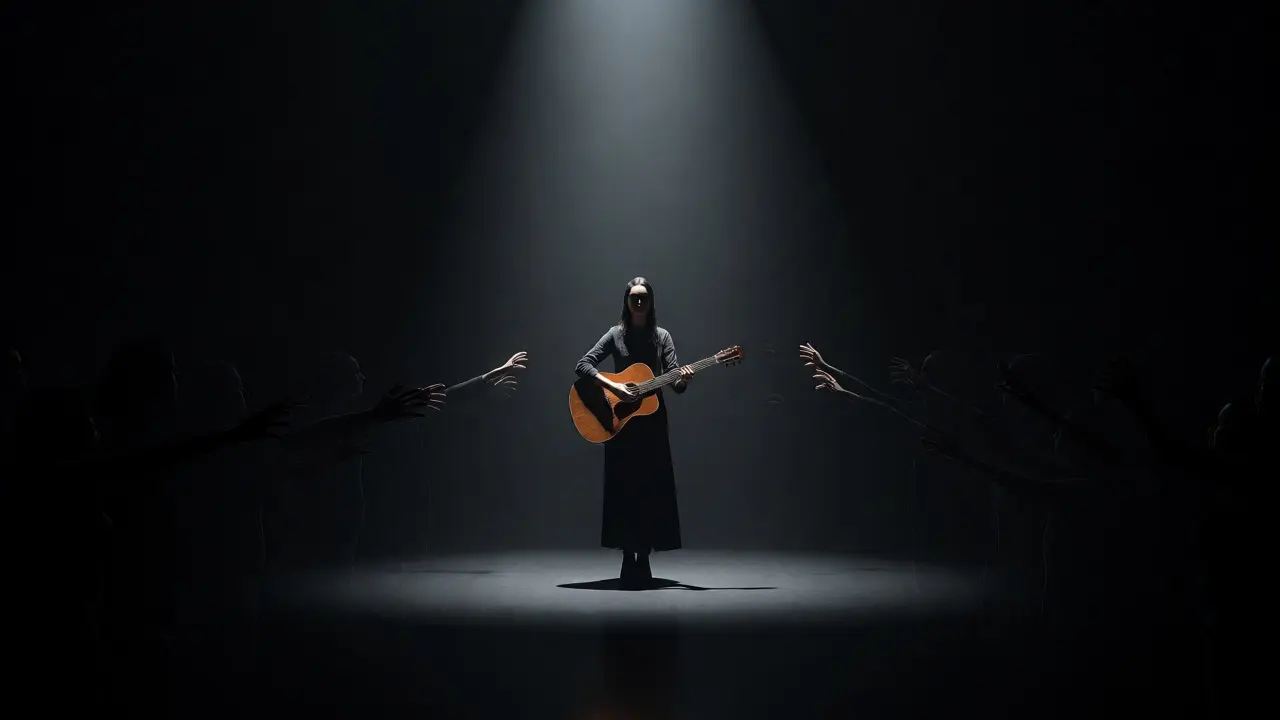
Don’t mistake emotion for lack of skill. Alli’s ability to convey feeling is backed by solid musicianship. She understands dynamics-how to use volume and intensity to guide the listener’s journey. A whisper can be louder than a scream if placed correctly.
She utilizes melodic contours that mimic speech patterns. This makes the lyrics feel conversational, like she’s talking directly to you. Her phrasing often breaks standard rhythmic expectations, creating tension and release that keeps the ear engaged. It’s not just about hitting the right notes; it’s about hitting the right *feel*.
Consider the role of silence. In many of her tracks, there are pauses that speak volumes. These moments allow the listener to process the weight of the previous line. It’s a deliberate choice, showcasing confidence in the material. She trusts that the story is strong enough to stand without constant noise filling the gaps.
Connecting with the Modern Listener
Why does this style resonate now? Because we’re living in a time of digital isolation. Despite being connected online, many people feel unseen. Music that acknowledges inner turmoil provides validation. Alli Starr’s work acts as a companion for those navigating complex emotions alone.
Her success isn’t accidental. It’s the result of listening closely to both herself and her audience. She identifies shared human experiences-grief, hope, confusion, love-and frames them in a way that feels fresh yet familiar. This balance is key. Too much novelty alienates; too much familiarity bores. Alli walks the tightrope perfectly.
For aspiring songwriters, the lesson is clear: stop trying to impress. Start trying to connect. Write the thing that scares you. Use the details that only you know. Trust that your specific pain is actually universal joy waiting to be understood.
What defines Alli Starr’s musical style?
Alli Starr’s style is best described as contemporary soul with indie influences. It prioritizes lyrical intimacy, organic instrumentation, and vocal authenticity over heavy electronic production. Her music focuses on narrative storytelling and emotional transparency.
How does personal storytelling enhance songwriting?
Personal storytelling creates specificity, which paradoxically increases relatability. By describing unique, concrete details from one’s own life, artists evoke universal emotions in listeners, fostering a deeper sense of connection and empathy compared to generic lyrical themes.
Is vulnerability important for solo artists?
Yes, especially in genres like soul and folk. Vulnerability helps build a loyal fanbase by demonstrating authenticity and trustworthiness. It differentiates an artist in a saturated market by offering a genuine human perspective rather than a manufactured persona.
What techniques make lyrics feel authentic?
Techniques include using sensory language, avoiding clichés, maintaining conversational phrasing, and embracing imperfections in delivery. Authenticity comes from honesty about feelings and situations, even when they are uncomfortable or messy.
How does production support emotional storytelling?
Production should serve the lyric and vocal performance. This might mean stripping back instruments during intimate verses or adding layers during emotional climaxes. Dynamics, tempo changes, and instrumental choices all guide the listener’s emotional response to the story.