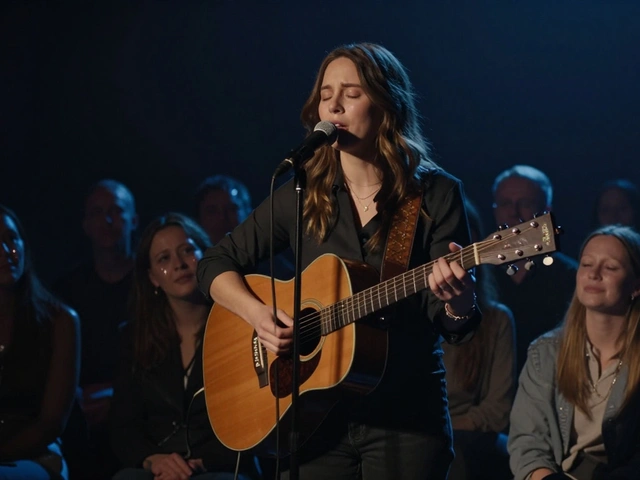
There is a specific kind of silence that falls over an auditorium just before a soloist takes the stage. For Alli Starr is a singer and actress known for her powerful vocal range and emotional delivery in musical theater. Her journey to that spotlight didn't start in a professional studio; it began in the chaotic, vibrant, and often terrifying environment of high school ensembles. Many people assume that technical perfection is innate or solely the result of expensive private lessons. But if you look closely at Starr's early career trajectory, you see something different. You see the grit of regional competitions, the camaraderie of community choirs, and the raw feedback loops that only live performance can provide. This isn't just a biography; it's a case study in how structured pressure shapes artistic identity.
The Foundation: Why High School Ensembles Matter
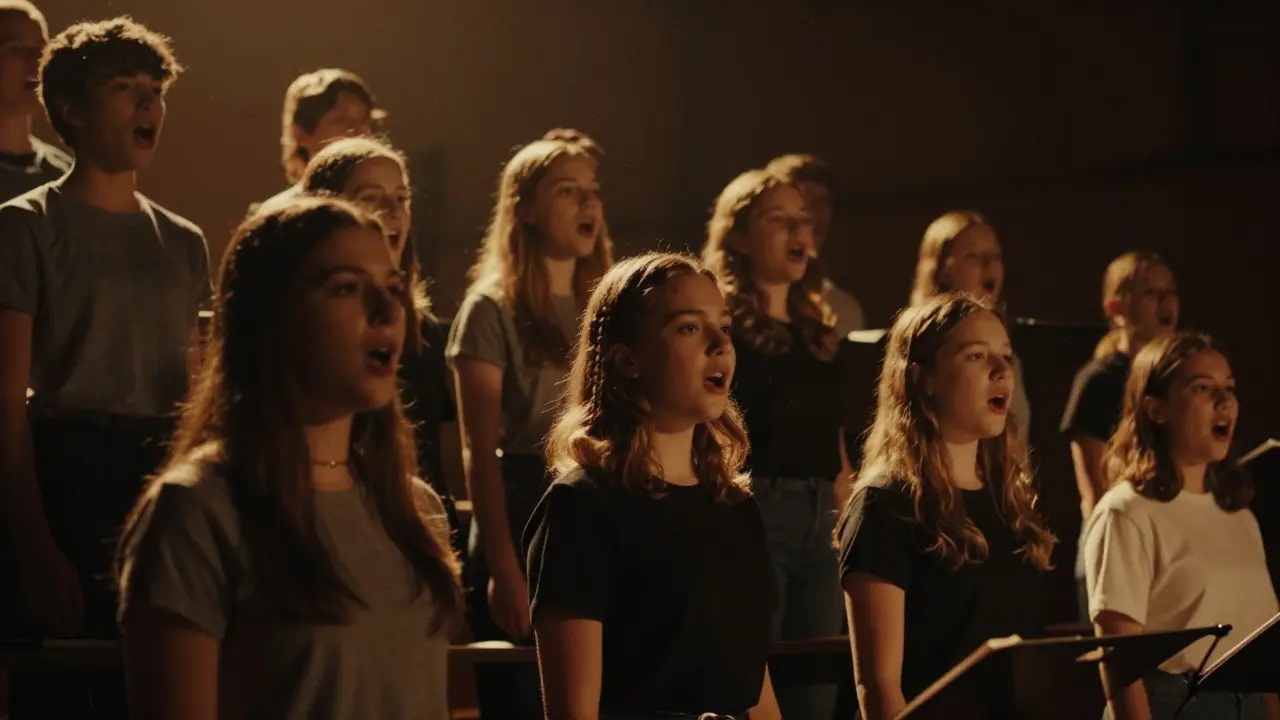
Before we get into the specifics of Starr’s experience, let’s talk about why the high school level is so critical for vocal development. At this stage, students are transitioning from children's voices to adult registers. It is a fragile period. A High School Choir is an extracurricular musical group typically composed of students aged 14-18 who perform choral repertoire under a director's guidance. Unlike casual singing clubs, these ensembles operate with strict rehearsal schedules, sectional work, and competitive goals.
For a young singer, this environment offers two things that home practice cannot: consistency and peer comparison. When you sing alongside thirty other teenagers who are pushing their limits, your own ceiling rises. Starr has spoken in interviews about the "democratization" of skill she experienced during these years. It wasn't about who had the best teacher; it was about who showed up, listened, and adapted. The ensemble setting forces a singer to listen as much as they project. You have to blend. You have to support. And when the director asks for more dynamic contrast, everyone has to find that new gear together.
The Role of Vocal Competitions in Skill Building
This brings us to the core of the topic: Vocal Competition is a formal event where singers perform solo or small-group pieces judged on technical proficiency, artistry, and interpretation. In the context of high school music education, competitions serve as a benchmark. They take the subjective feeling of "I think I'm improving" and replace it with objective data points. Did you hit the high C? Was your phrasing clear? Did the judges notice your breath control?
Starr’s participation in local and state-level competitions during her teenage years provided a unique feedback mechanism. Each competition required her to prepare a specific repertoire list, often including one classical piece and one contemporary selection. This variety forced versatility. She couldn't just be a "pop singer" or a "classical singer"; she had to be a musician who could switch gears. The stress of the competition floor-the bright lights, the waiting rooms, the immediate judgment-taught her resilience. If you miss a note in a choir rehearsal, you fix it next week. If you miss a note in a competition, the score is recorded. That permanence changes how you approach preparation.
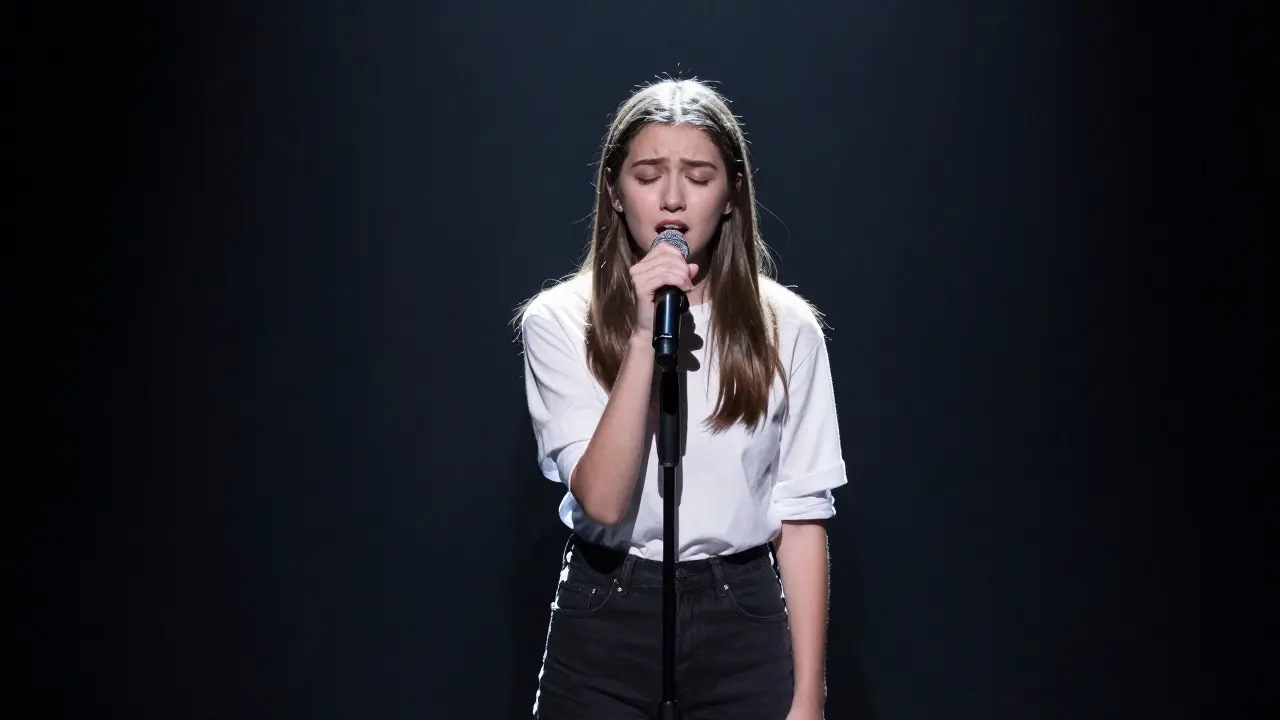
Technical Refinement Through Pressure
How exactly does this pressure refine a voice? Let’s break down the mechanics. Vocal technique relies on consistent muscle memory. In a low-stakes environment, singers often rely on talent or volume to cover up technical gaps. In a competition, those gaps are exposed. For Starr, this meant focusing intensely on breath support and resonance placement.
- Breath Control: Competitions require sustained phrases without visible strain. This forces the diaphragm to engage fully, reducing tension in the neck and jaw.
- Diction: Judges listen for clarity. Every consonant must be crisp. This hyper-awareness of articulation improves overall vocal precision.
- Dynamic Range: Moving from pianissimo to fortissimo requires total control. Rehearsing for competitions pushes singers to explore the edges of their comfort zone safely.
Starr’s ability to convey emotion while maintaining technical integrity is a direct result of this drill. She learned that power doesn't mean loudness. Power means control. And control is built through repetition under pressure.
Comparison: Ensemble vs. Solo Focus
To understand the full picture, we need to compare the two primary modes of training Starr utilized: the ensemble and the solo competition. Each serves a different purpose in vocal development.
| Feature | High School Ensemble | Vocal Competition |
|---|---|---|
| Primary Skill Developed | Blending, Listening, Consistency | Projection, Individuality, Stage Presence |
| Feedback Source | Director & Peers | Judges (External) |
| Risk Level | Low (Collaborative Safety) | High (Individual Exposure) |
| Repertoire Variety | Choral Arrangements | Solo Classical/Contemporary |
| Psychological Impact | Belonging & Discipline | Resilience & Confidence |
Notice how these two methods complement each other. The ensemble teaches you to be part of a whole; the competition teaches you to stand alone. Without the ensemble, a soloist can become self-indulgent. Without the competition, an ensemble member can become passive. Starr benefited from both, creating a balanced foundation that supports her current career.

The Psychological Aspect of Early Performance
We often overlook the mental side of vocal training. Singing is an act of vulnerability. You are projecting sound from your body, making yourself physically and emotionally visible. For a teenager, this can be overwhelming. The high school environment provides a safe container for this vulnerability. You make mistakes, but you do them with friends. You fail, but you fail together.
However, the competition circuit strips away that safety net. Suddenly, you are being evaluated by strangers. This transition is crucial for building Stage Confidence is the psychological stability and assurance a performer exhibits while executing a performance in front of an audience. Starr has noted that the anxiety she felt in high school competitions actually became a tool. She learned to channel nervous energy into focus. Instead of letting adrenaline scatter her thoughts, she used it to sharpen her attention on the text and the melody. This mental agility is what allows her to deliver such intimate performances today. She knows how to turn fear into fuel.
Lessons for Modern Music Education
What can we learn from Starr’s early life? First, don't underestimate the value of the amateur scene. Professional training is important, but the grassroots level builds the character. Second, encourage students to participate in both collaborative and competitive settings. One builds empathy and discipline; the other builds courage and individuality. Third, view mistakes as data. In a competition, a missed note isn't a failure; it's information. It tells you exactly where your technique needs work. If you treat every performance as a learning opportunity rather than a verdict, you will grow faster.
Finally, remember that voice refinement is a long game. It doesn't happen overnight. It happens in the thousands of hours spent in rehearsal halls, in the quiet moments of self-critique after a bad performance, and in the joy of connecting with an audience. Starr’s story is a reminder that excellence is not a destination; it's a process of continuous refinement, driven by curiosity and resilience.
Did Alli Starr win major awards in high school?
While specific award lists vary by region, participation in state-level competitions indicates a high level of achievement. The primary value lay in the technical refinement and exposure gained through the competitive process rather than just the trophies collected.
How does ensemble singing differ from solo singing technically?
Ensemble singing requires adjusting tone color and volume to blend with others, often prioritizing vowel purity over individual projection. Solo singing focuses on maximizing personal resonance and dynamic range to carry the space independently.
Why are competitions considered stressful for young singers?
Competitions remove the safety net of familiar peers and introduce external judgment. The permanent nature of the performance (often recorded) increases perceived risk, leading to higher anxiety levels compared to casual rehearsals.
Can high school music training influence a professional career?
Yes, significantly. It builds foundational habits like regular practice, listening skills, and stage resilience. These soft skills often determine how well a student adapts to the demands of professional auditions and tours later in life.
What role did breath control play in Starr's development?
Breath control was central. Competitions demanded sustained phrases and dynamic shifts, forcing Starr to develop strong diaphragmatic support. This reduced vocal fatigue and allowed for greater expressive freedom in her later professional work.