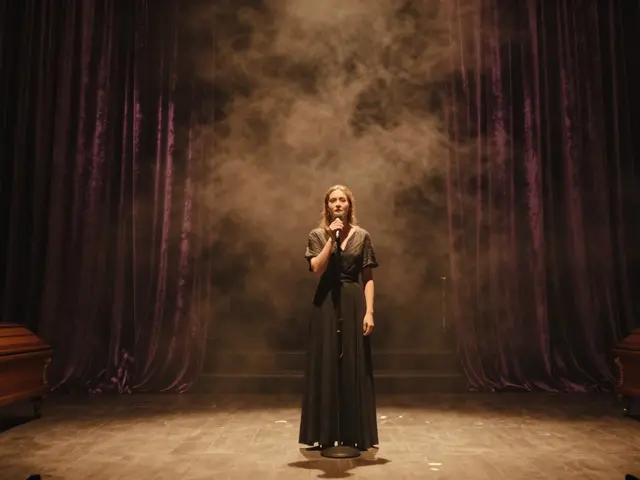
Imagine singing your heart out for two hours, five nights a week, in a room where the acoustics are designed for a stadium but the intimacy is that of a jazz club. For most artists, that sounds like a fast track to vocal burnout. But for Alli Starr is a powerhouse R&B vocalist known for her technical precision and soulful delivery , this high-pressure environment is exactly what keeps her edge. Most people see a Vegas residency as a "retirement home" for stars, but for a performer focused on the grit of R&B, it's more like an elite athletic training camp.
Quick Takeaways
- Muscle Memory: Repeated weekly sets turn complex vocal runs into second nature.
- Acoustic Adaptation: Constant exposure to professional Vegas sound systems improves dynamic control.
- Stamina Building: The grueling schedule forces a disciplined approach to vocal health.
- Audience Feedback: The diverse, rotating crowd of a tourist hub provides instant data on what hits.
The Grind of the Vegas Residency
A Vegas residency is a fixed-term contract where an artist performs a series of shows at a single venue in Las Vegas . Unlike a traditional tour, where you wake up in a different city every day and fight with different hotel acoustics, a residency offers stability. But don't let the word "stability" fool you. When you're performing at a high-tier venue like those on the Las Vegas Strip, the expectations are sky-high. Every single night, the audience expects a "best-of" version of the artist.
For Alli Starr, the repetition isn't boring; it's a tool for refinement. In R&B, the magic is in the "pocket"-that tiny space between the beat where the emotion lives. When you perform a song once a month, you might hit the notes. When you perform it 200 times a year, you start to manipulate the timing of those notes to evoke specific emotions. It's the difference between reading a poem and living it.
Vocal Conditioning and the R&B Standard
R&B is notoriously hard on the voice. It requires a mix of deep, resonant chest tones and effortless head voice leaps. To survive a residency, Alli has to treat her voice like a professional athlete treats their muscles. This means a strict regimen of vocal pedagogy-the study of how the voice actually works-to avoid nodules or strain.
She doesn't just sing; she manages her "vocal budget." On a Tuesday night, she might keep the riffs tight and controlled. By Saturday, with a packed house and a high-energy crowd, she'll push the boundaries. This strategic pacing prevents burnout. If she went 100% every single night, she'd be hoarse by week three. Instead, the residency structure allows her to experiment with "vocal economy," learning exactly how much effort is needed to make a moment feel massive without actually straining the folds.
| Feature | Traditional Touring | Vegas Residency |
|---|---|---|
| Acoustic Consistency | Low (New room every night) | High (Fixed venue/sound) |
| Vocal Recovery | Difficult (Travel fatigue) | Optimized (Home base) |
| Repertoire Polish | General | Extreme Detail |
| Audience Interaction | Regional/Local | Global/Diverse |
Mastering the Sonic Environment
One of the biggest secrets to Alli Starr's sharp performance is the gear. In Vegas, you aren't fighting with a rental PA system that sounds like a tin can. You are working with world-class engineers and monitoring systems-specifically In-Ear Monitors (IEMs)-that allow her to hear every nuance of her pitch. When you can hear yourself with crystalline clarity, you stop guessing. You start making micro-adjustments to your intonation in real-time.
This environment allows her to dive deeper into the nuances of R&B music, which is all about the subtle slide of a note. In a poorly tuned room, a soulful slide can sound like you're out of tune. In a Vegas residency venue, that slide becomes a precision tool. She uses the consistency of the room to map out exactly where the "sweet spots" are in the venue, adjusting her projection based on how the sound bounces off the walls.

The Psychology of the Rotating Crowd
There's a common myth that residencies get stale because the artist is doing the same show. But in Las Vegas, the crowd is never the same. One night it's a bachelorette party from Ohio; the next, it's a group of music executives from Tokyo. This creates a unique psychological pressure. You can't rely on the audience's familiarity with your brand to carry the show.
Alli has to win over a new room every single evening. This forces her to keep her stage presence dynamic. She can't just "phone it in" because the people in the front row have no idea who she is or what her story is. She has to re-establish her authority as an R&B powerhouse every single time she steps under the lights. This constant need for a first-impression victory keeps her energy high and her delivery crisp.
Dealing with the "Vegas Fatigue"
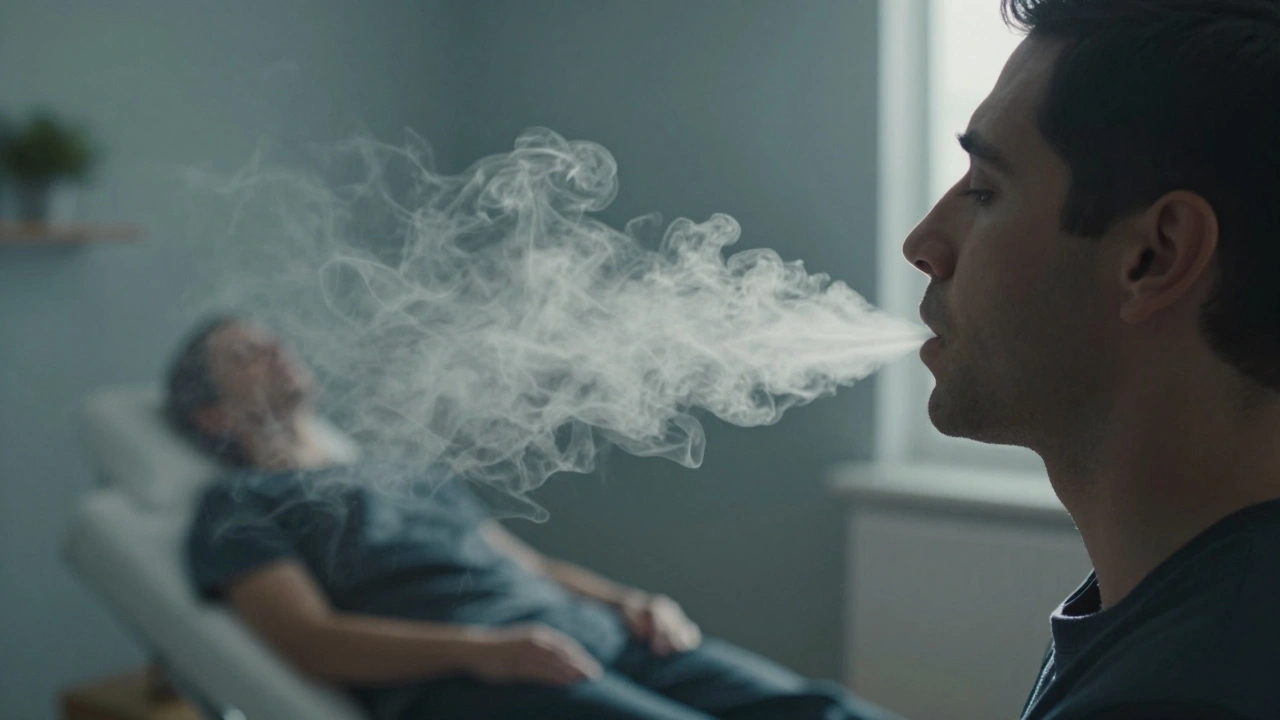
Let's be real: performing in the desert is draining. The dry air is a nightmare for vocal cords, which need moisture to vibrate efficiently. To keep her performance sharp, Alli employs a strict hydration and humidification strategy. Steaming her voice before a show isn't a luxury; it's a requirement. This attention to detail is a direct result of the residency's intensity. If she ignored the dryness, the repetition would tear her voice apart.
Moreover, the mental toll of a residency can be heavy. When your work and your home are in the same city, the lines blur. To combat this, she treats the residency like a professional athlete's season. There are "off-days" dedicated entirely to vocal silence-no talking, no humming, just rest. This cycle of extreme output followed by total silence is what allows her to return to the stage with a voice that sounds fresh, even if it's the 50th show of the year.
The Synergy of Band and Vocalist
A huge part of a sharp R&B performance is the chemistry between the singer and the band. In a touring setup, you might have session musicians who are great but aren't "synced" with you. In a residency, Alli and her musicians develop a symbiotic relationship. They start to breathe together. They know exactly when she's going to take a beat longer on a phrase or when she's about to launch into an unplanned improvisational run.
This trust allows her to take bigger risks. Because she knows her band will catch her, she can push her vocal boundaries, experimenting with more complex harmonies and rhythmic displacements. This level of tight-knit coordination is only possible through the thousands of hours of shared stage time that a residency provides. It transforms the show from a set of songs into a living, breathing conversation.
Does performing the same songs every night make a singer lose their creativity?
Actually, it often does the opposite. For an artist like Alli Starr, the basic structure becomes a canvas. Once the technical side is automatic, she can focus on the emotional delivery and small improvisations, making each performance a unique variation of the same core material.
How does the dry Las Vegas climate affect R&B singing?
The desert air strips moisture from the vocal folds, which can lead to raspiness or a loss of high notes. Professional singers in Vegas use personal humidifiers and steam inhalers to keep their cords lubricated and flexible.
Why are residencies better for vocal growth than touring?
Residencies eliminate the physical stress of travel-sleeping in buses, changing climates, and irregular diet. This allows the singer to focus 100% of their energy on vocal technique and recovery, leading to a more polished and consistent performance.
What is a "vocal budget" in the context of a residency?
It is a strategy where a singer decides how much vocal energy to spend on different nights. They might save their most demanding high notes for peak nights (like weekends) to avoid wearing out their voice during a long-term contract.
How do In-Ear Monitors (IEMs) help an R&B singer stay sharp?
IEMs block out the loud stage noise and provide a direct, clear feed of the artist's voice and the instruments. This allows for precise pitch correction and ensures the singer doesn't over-sing (shouting) to hear themselves over the band.
Next Steps for Vocalists
If you're a performer looking to sharpen your own act, you don't need a Vegas contract to apply these principles. Start by creating a "home base"-a specific room or rehearsal space where you can master the acoustics. Treat your rehearsals as a residency: perform the same set multiple times a week and record yourself to analyze the micro-adjustments in your timing and tone.
For those struggling with stamina, try the "vocal budget" approach. Identify the most taxing parts of your set and practice varying the intensity. Not every song needs to be at volume ten. By learning where to pull back, you actually make the high-intensity moments feel more powerful. Finally, prioritize recovery. Whether it's a full day of silence or a simple steam session, your voice is a muscle-it only grows stronger when it's given time to heal.