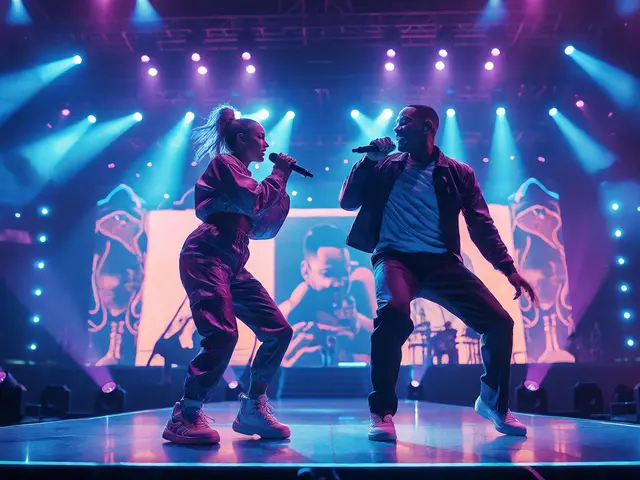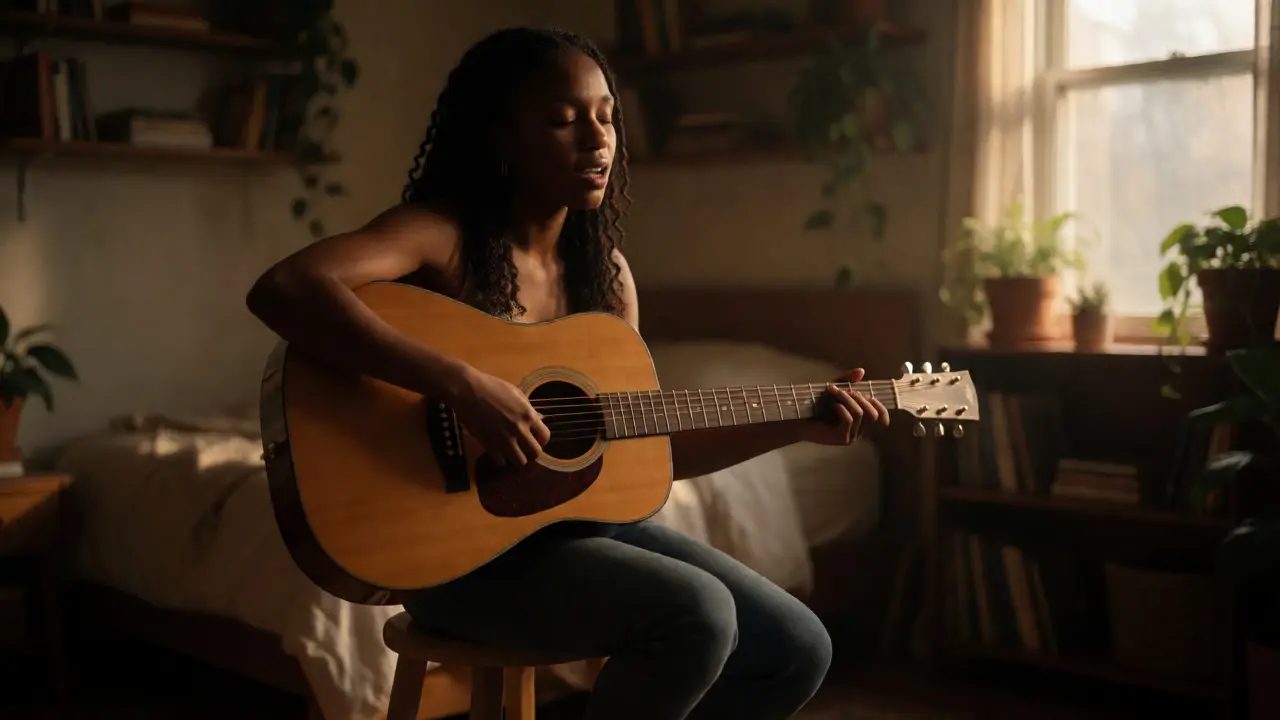
You know that feeling when a polished studio track hits you in the chest? Now imagine stripping away the heavy bass, the layered synths, and the auto-tune, leaving just a voice and a guitar. That is where Alli Starr has been making some of her most compelling moves lately. The rising R&B star isn't just chasing radio hits anymore; she is building a catalog of intimate, raw performances that feel less like content and more like confessions.
If you have scrolled through her social feeds or watched her recent uploads, you might have noticed a shift. It is quieter. More deliberate. This isn't about viral dance challenges. It is about proving that the songwriting holds up when the production noise fades out. We are talking about a strategic pivot into what fans are calling her "acoustic side," characterized by stripped-back arrangements and visual aesthetics that mimic the prestige of public radio broadcasts.
The Shift from Studio Polish to Raw Authenticity
Why would an artist with massive streaming numbers choose to release something so minimal? Because trust is currency in modern music. When Alli Starr performs acoustically, she removes the safety net of production tricks. If the melody fails, there is nowhere to hide. This vulnerability resonates deeply with listeners who are tired of over-produced pop-R&B hybrids. It signals confidence. It says, "I wrote this, I can sing it, and it matters without the bells and whistles."
This approach mirrors a broader trend among Gen Z and Millennial artists who grew up watching YouTube covers and TikTok snippets. They understand that intimacy drives engagement more effectively than spectacle. A video shot on an iPhone in a dimly lit bedroom often outperforms a million-dollar music video because it feels accessible. It feels real. For Alli Starr, this isn't just a gimmick; it is a core part of her brand identity as a singer-songwriter first, and a pop star second.
Decoding the "NPR-Style" Aesthetic
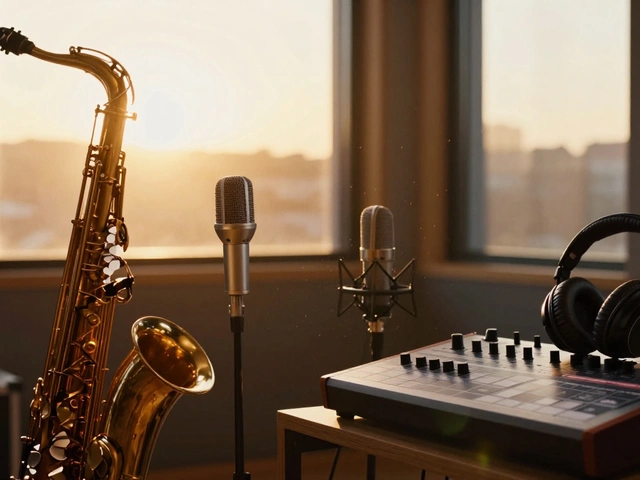
When people refer to "NPR-style videos, they aren't necessarily talking about National Public Radio itself, but rather the specific aesthetic associated with shows like Tiny Desk Concerts. Think natural lighting, static camera angles, no flashy edits, and an emphasis on the musicianship. The background is usually simple-bookshelves, plants, or plain walls. The focus remains entirely on the performance.
Alli Starr has adopted this visual language for several reasons:
- Credibility: Mimicking the format of respected institutions lends artistic weight to independent releases.
- Cost-Efficiency: These videos require minimal crew and equipment compared to traditional music videos.
- Timelessness: Flashy trends age poorly. A well-lit, simple performance looks good today and in five years.
- Focus on Vocals: Without distracting visuals, the listener pays closer attention to lyrical nuance and vocal control.
By embracing this style, she positions herself alongside artists who prioritize craft over chaos. It is a smart move for long-term career sustainability. You don't need to chase every micro-trend if your foundation is solid.
Anatomy of Her Acoustic Arrangements
Let's look at what actually happens musically in these sessions. Most of her original tracks are built on complex chord progressions typical of contemporary R&B. Translating those into an acoustic setting requires reimagining the harmonic structure. You can't just play the same chords on a guitar and expect the same vibe. You have to simplify.
In her recent live sessions, you will hear:
- Revoiced Chords: Instead of dense synth pads, she uses open voicings on piano or guitar to create space.
- Dynamic Control: She leans into quiet verses and builds intensity gradually, relying on vocal dynamics rather than drop-ins.
- Percussion Minimalism: Often, drums are replaced by finger snaps, handclaps, or subtle shaker loops.
This process reveals the skeleton of the song. Fans who only heard the produced version suddenly realize how strong the melody line is. It validates the songwriting talent behind the persona. It turns casual listeners into superfans because they see the skill required to deliver the track in its purest form.
Visual Storytelling Without Special Effects
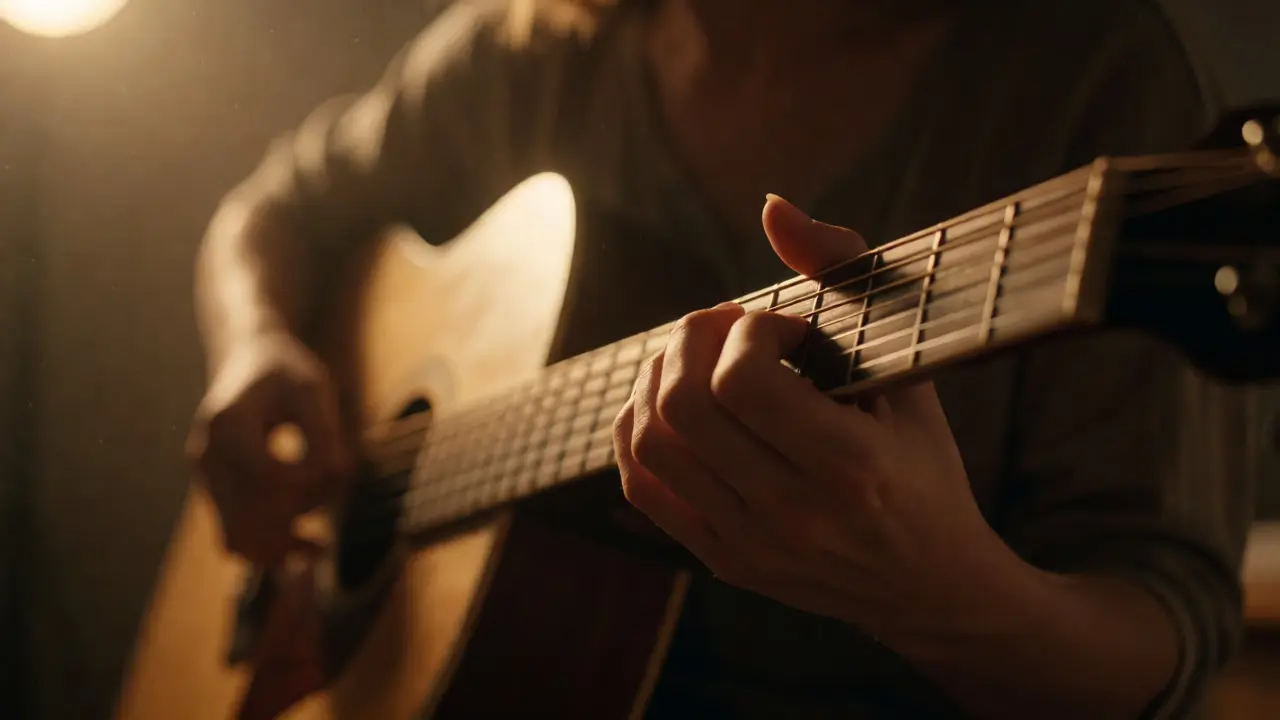
Production value doesn't always mean expensive gear. In these acoustic videos, lighting becomes the primary special effect. Warm tones, soft shadows, and single-source lighting create mood without needing CGI or green screens. The camera work is restrained. Slow pans, close-ups on hands playing instruments, and eye contact with the lens build a parasocial connection with the viewer.
This restraint forces the audience to engage emotionally. There is no cutaway to distract you from a powerful lyric. No quick edit to mask a breath. You sit with the emotion. This technique works exceptionally well for ballads and mid-tempo grooves, which make up a significant portion of her discography. It transforms a passive viewing experience into an active listening session.
How Artists Can Replicate This Success
If you are an artist looking to boost your profile without breaking the bank, study Alli Starr's playbook. You don't need a record label budget to create high-perception content. Here is a practical checklist for launching your own acoustic series:
| Component | Recommendation | Why It Matters |
|---|---|---|
| Lighting | Natural window light + warm LED fill | Creates an inviting, authentic atmosphere |
| Audio | Dual-mic setup (vocal + instrument) | Captures spatial depth and clarity |
| Camera | Static tripod, 4K resolution | Mimics professional broadcast standards |
| Set Design | Personal items, books, plants | Adds character without clutter |
| Edit Style | Minimal cuts, long takes | Preserves the integrity of the performance |
The key is consistency. One video is a novelty. A series is a brand. By regularly releasing these stripped-down versions, you train your algorithm to associate your name with quality and authenticity.
The Impact on Fan Engagement
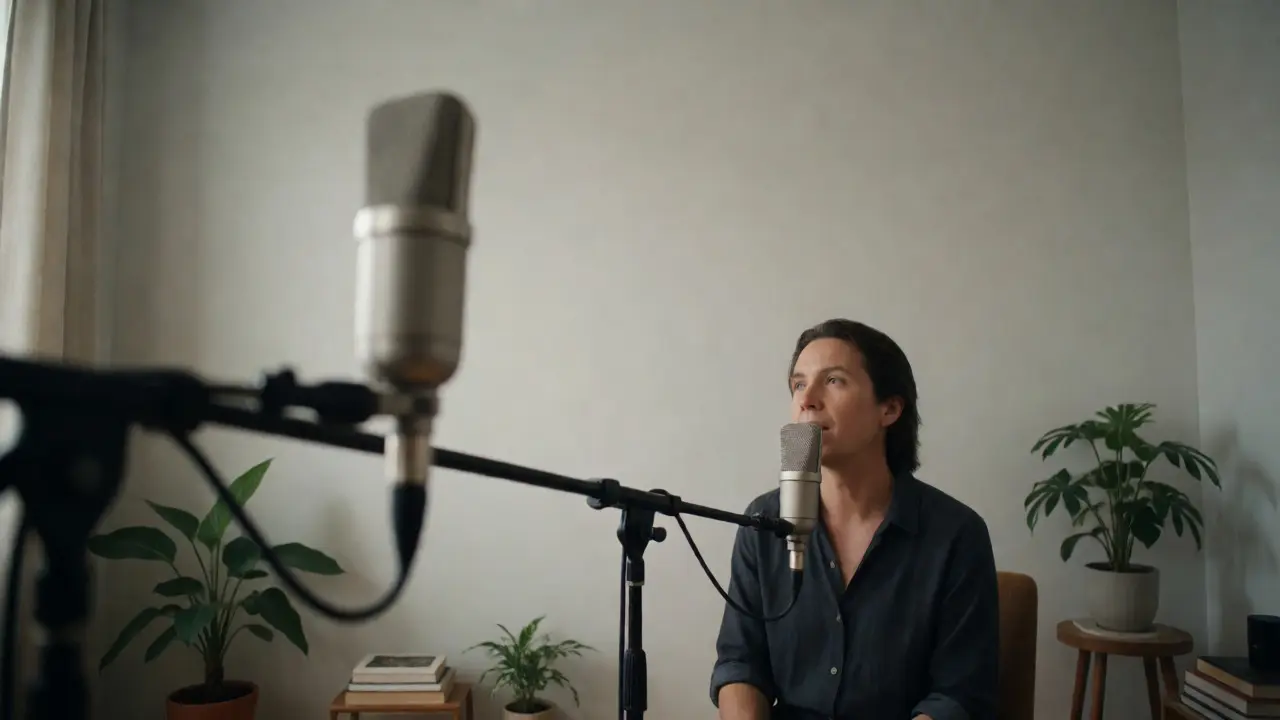
Data suggests that acoustic content drives higher comment rates than standard music videos. Why? Because fans feel invited into the creative process. They ask questions about lyrics, request cover songs, and share personal stories related to the track. This community building is invaluable.
For Alli Starr, these sessions serve as a bridge between her studio albums and her live tours. They keep fans engaged during gaps between major releases. They also provide unique content for playlists that favor "chill" or "focus" moods, expanding her reach beyond typical R&B audiences. Listeners who might skip a club banger will stay for a heartfelt acoustic rendition.
What defines an "NPR-style" music video?
An NPR-style video refers to a minimalist production aesthetic inspired by formats like NPR's Tiny Desk Concerts. Key features include natural or soft lighting, a simple uncluttered background, static or slow-moving camera angles, and a focus on live instrumental and vocal performance without heavy post-production editing or special effects.
Why do artists release acoustic versions of their songs?
Artists release acoustic versions to showcase songwriting strength, demonstrate vocal ability without production aids, connect intimately with fans, and generate additional content streams. These versions often reveal the structural core of a song, appealing to listeners who prefer organic sounds over heavily produced tracks.
Is Alli Starr's acoustic content separate from her main discography?
While not always released as official singles, Alli Starr's acoustic sessions are integral to her brand. They complement her main discography by offering alternative interpretations of her popular tracks and sometimes introducing unreleased material. They serve as a distinct content pillar that highlights her versatility as a performer.
How does low-budget production benefit indie artists?
Low-budget production allows indie artists to maintain creative control and frequent output. High-quality audio and thoughtful lighting matter more than expensive sets. This approach reduces financial risk while maximizing authenticity, which often resonates better with niche audiences than overly polished, corporate-looking videos.
Can acoustic videos help with playlist placement?
Yes, acoustic videos often appeal to curators of "Chill," "Study," "Coffee Shop," and "Indie Folk" playlists. These genres attract listeners seeking background music that is engaging yet non-intrusive. Including acoustic tracks in streaming platforms broadens an artist's demographic reach beyond their primary genre.
Final Thoughts on the Power of Less
In an era of information overload, simplicity wins. Alli Starr understands that stripping back the layers isn't about subtraction; it's about addition. It adds depth, clarity, and emotional resonance. Whether you are an artist or a fan, paying attention to these acoustic moments offers a clearer view of the talent beneath the trend. Next time you hear a hit song, try finding its acoustic counterpart. You might just discover why the song worked in the first place.