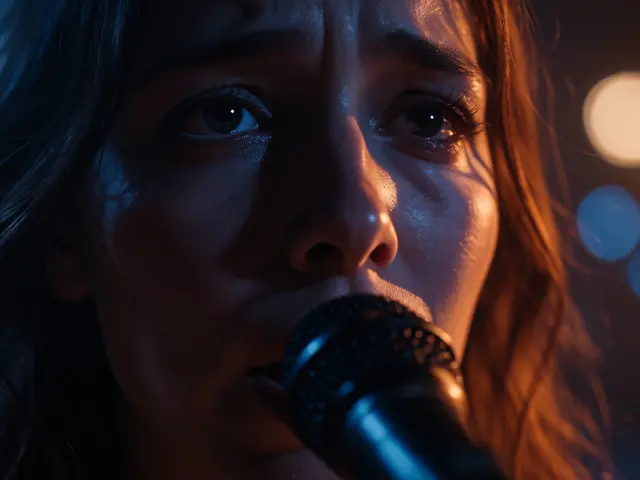
You know that feeling when you hear a voice so raw and real it stops your scroll? That is Alli Starr an emerging R&B and soul artist known for her gritty vocal texture and emotional authenticity. But getting from a bedroom demo to the bright lights of the Strip isn't just about talent. It is about who guides you through the noise. The story of Alli's rise in Las Vegas isn't a fairy tale; it is a case study in how strategic mentorship can turn potential into professional power.
Most people think success happens in a vacuum. You write a hit, you post it, you blow up. Reality is messier. Artists need navigation. They need someone who has walked the path before them to say, "Do not sign that contract," or "Try this melody instead." For Alli, finding the right mentors in the competitive Vegas scene changed everything. This article breaks down exactly how those relationships worked, what specific advice she received, and how you can apply these lessons to your own creative journey.
The Myth of the Solo Genius
We love the idea of the lone wolf artist. Think of the singer-songwriter sitting alone with a guitar, writing truth into existence. While that image sells records, it rarely builds careers. The music industry is a network. In Las Vegas, where entertainment is big business, isolation is a death sentence for new artists. Alli Starr didn't start out knowing how to negotiate booking fees or how to structure a live set for a casino lounge audience. She had the voice, but she lacked the map.
Mentorship filled that gap. A mentor is not just a fan with good taste. A mentor is an experienced professional who offers structural guidance. For Alli, this meant connecting with producers who understood the sonic landscape of modern soul, and managers who knew which venues in Vegas actually paid well versus which ones just offered exposure. These connections provided more than just contacts; they provided context. They explained why certain songs work on radio while others get lost in the shuffle.
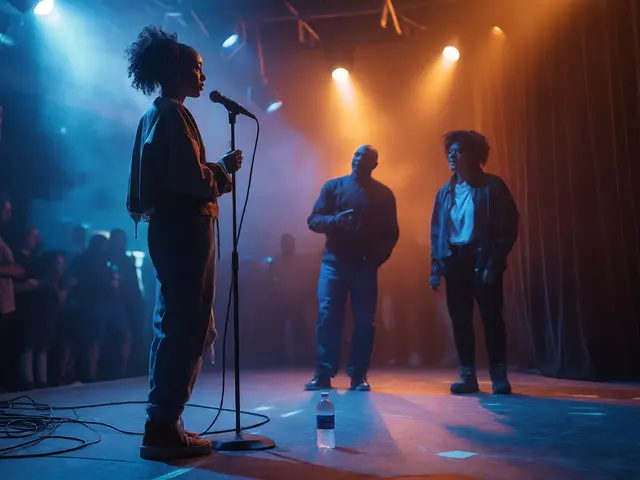
Consider the difference between singing in a shower and singing at a venue like The House of Blues. The technical demands are different. The audience expectations are different. Without a mentor to simulate that pressure beforehand, many talented singers freeze when they finally get their shot. Alli’s mentors forced her to rehearse under realistic conditions, turning stage fright into stage presence.
Anatomy of a Professional Mentorship
Not all mentorships are created equal. Some are vague pats on the back. Others are rigorous training programs. Alli’s path involved a mix of both, but the most impactful relationships shared three core traits. If you are looking for a guide, look for these markers.
- Specificity: Generic advice like "be authentic" is useless. Alli’s mentors gave concrete feedback: "Lower the key by two semitones," or "Add a bridge here to build tension."
- Accountability: A good mentor checks in. Did you finish the demo? Did you send the follow-up email? This external pressure keeps momentum going when motivation fades.
- Access: Mentors open doors. They introduce you to sound engineers, session musicians, and other artists. One introduction from a seasoned producer led Alli to collaborate with a drummer who later became a key part of her touring band.
This structure turns a casual connection into a professional asset. It shifts the dynamic from "I hope they like me" to "We are building something together." For Alli, this shift was critical. It allowed her to focus on performance while trusting her team to handle the logistics.
How Vegas Shapes the Artist
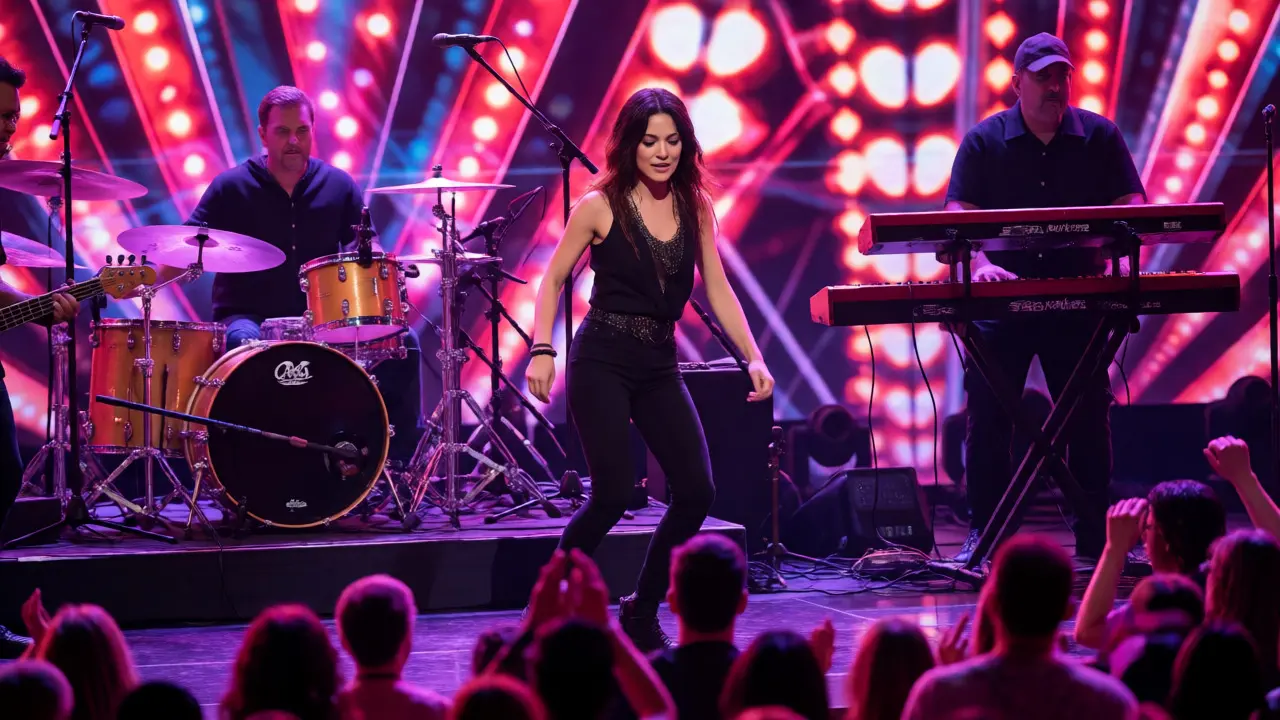
Las Vegas is a unique incubator. It is not New York, where you might grind in small clubs for years. It is not Nashville, where songwriting circles dominate. Vegas is about spectacle and consistency. Audiences here expect high production value. They want to be entertained, not just impressed. This environment forces artists to level up quickly.
Alli’s mentors helped her adapt her soulful roots to this Vegas standard. They taught her how to engage a crowd that might be distracted by drinks and conversations. They emphasized visual storytelling-how to move, how to dress, how to command space. This wasn't about changing who she was as an artist; it was about packaging her art for a specific market.
| Feature | General Club Gig | Vas Vegas Standard (Alli Starr’s Approach) |
|---|---|---|
| Audience Attention | High focus on music | Competing with visuals and ambient noise |
| Production Value | Minimal, often DIY | High-quality lighting and sound integration |
| Set Length | 45-60 minutes | 90+ minutes with varied pacing |
| Artist Persona | Intimate and personal | Charismatic and visually engaging |
Adapting to these standards required discipline. Alli practiced long sets until her stamina matched her vocal range. She learned to read the room, adjusting her energy based on whether the crowd was dancing or listening. These skills were honed through repeated performances, each one critiqued by her mentors afterward.

Key Lessons from Alli’s Journey
What can we learn from Alli Starr’s trajectory? First, vulnerability is a strength, but only if it is controlled. Her mentors helped her channel raw emotion into structured performances. Second, networking is not just collecting business cards. It is about building trust over time. Many of her collaborations started as simple coffee meetings that evolved into creative partnerships.
Third, rejection is data. When a label passed on her early demos, her mentors reframed it. They analyzed the feedback, tweaked the production, and tried again. This iterative process is faster when you have experienced eyes reviewing your work. Without that filter, artists often repeat the same mistakes for years.
Finally, local roots matter. By staying connected to the Vegas community, Alli built a loyal fanbase before chasing national fame. This local support system provided financial stability and emotional grounding. It allowed her to take creative risks without fearing immediate failure.
Building Your Own Mentorship Network
If you are an artist looking to replicate this success, do not wait for a famous producer to discover you. Build your network actively. Start by identifying people whose careers you admire. Reach out with specific questions, not generic requests. Ask about their process, their challenges, their tools.
Offer value in return. Can you help them with social media? Can you provide feedback on their new project? Mentorship is a two-way street. Even established artists benefit from fresh perspectives. Additionally, consider formal programs. Organizations like MusiCares or local arts councils often offer workshops and pairing services. These structured environments reduce the awkwardness of cold outreach.
Remember, the goal is not to find a guru who solves all your problems. The goal is to find partners who challenge you to solve them yourself. Alli Starr did not become a star because someone handed her a trophy. She became a star because she had guides who helped her sharpen her craft until it shone brightly enough to attract attention on its own.
Why is Las Vegas considered a tough market for new soul artists?
Las Vegas prioritizes high-energy, visually engaging performances that compete with major productions. New artists must master stagecraft and audience engagement quickly, unlike in cities where intimate listening rooms are more common. The cost of living and competition for prime venues also adds pressure.
What qualities should I look for in a music mentor?
Look for specificity in feedback, a track record of helping others succeed, and willingness to provide accountability. Avoid mentors who offer only vague praise. Ideally, choose someone whose career path aligns with your goals, whether that is touring, recording, or brand building.
How did Alli Starr balance artistic integrity with commercial appeal?
She used mentors to refine her presentation without changing her core sound. They advised on arrangement and staging to make her soulful style accessible to broader audiences, ensuring her authenticity remained the focal point while meeting industry standards.
Is formal education necessary for music career success?
No. While degrees help, practical mentorship often provides more relevant skills. Learning from active professionals gives insight into current trends and real-world negotiations that academic settings may miss. However, combining both can offer a comprehensive foundation.
How can I approach a busy artist for mentorship?
Keep initial contact brief and respectful of their time. Highlight specific aspects of their work you admire and ask one clear question. Offer to assist with a small task to demonstrate commitment. Follow up politely if you don't hear back immediately.