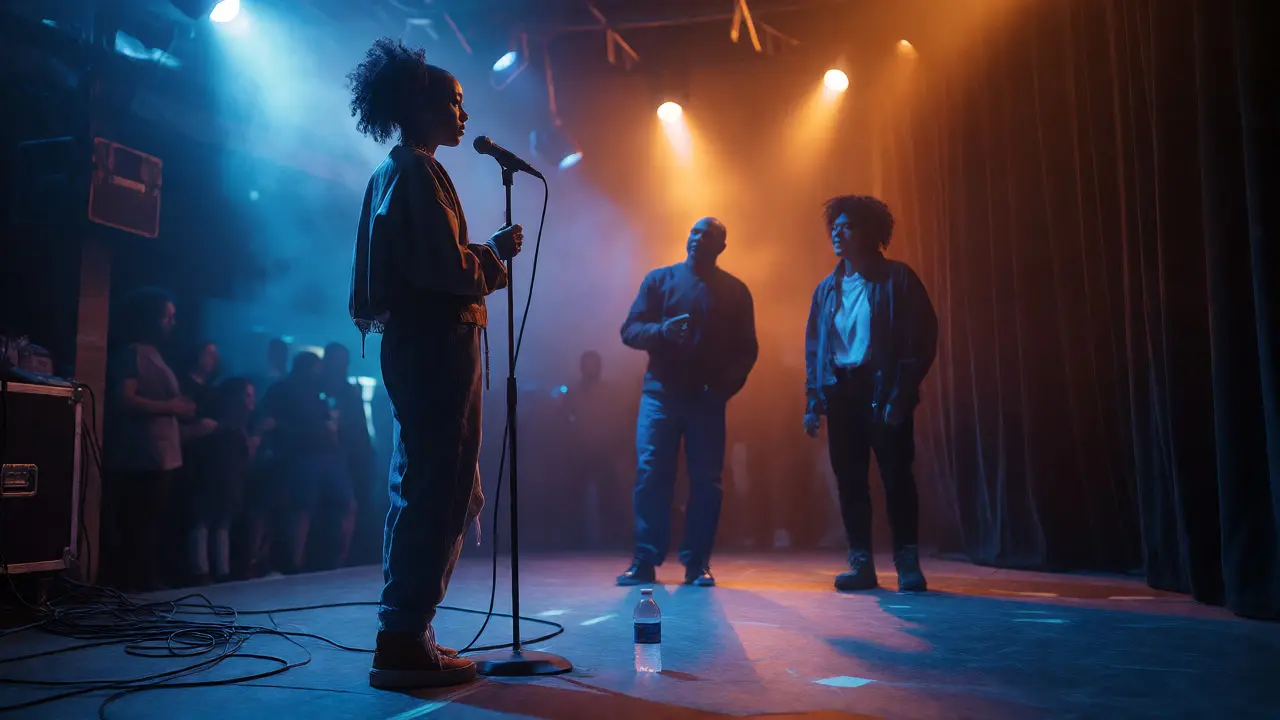
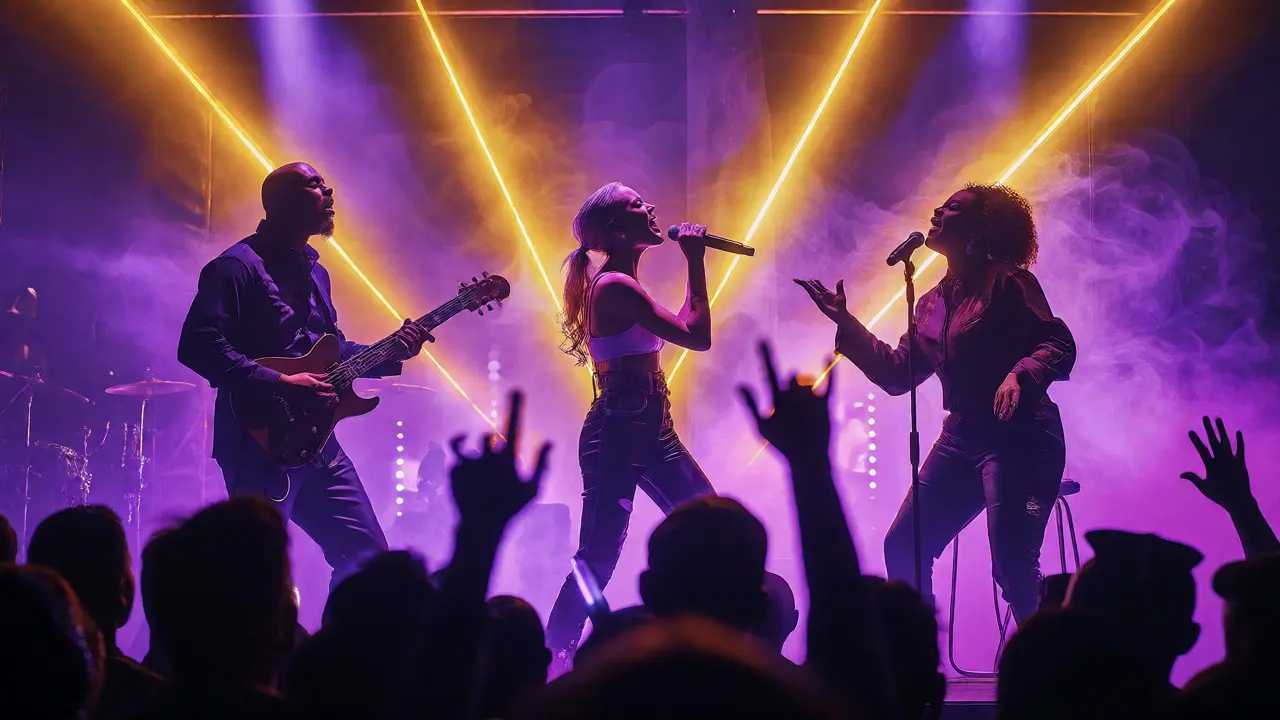
Imagine standing backstage at a mid-sized venue in Chicago. The air smells like stale beer and anticipation. You’re Alli Starr, a rising star in the neo-soul scene, about to share the stage with two legends: Ro James and Marsha Ambrosius. This isn’t just another gig. It’s a masterclass in how modern artists build their careers through genuine human connection rather than algorithmic luck.
Touring has changed. It’s no longer just about playing songs; it’s about weaving yourself into the fabric of an existing community. For Alli Starr, linking up with veterans who have decades of credibility does something specific: it transfers trust. When Marsha Ambrosius nods at you from the wings, the audience leans in. They think, "If she respects this newcomer, I should pay attention." That’s the power of strategic touring partnerships.
The Power of Lineup Chemistry
Why pair an emerging artist with established names? Because audiences buy experiences, not just playlists. Ro James is known for his raw, emotional delivery that strips R&B down to its bones. Marsha Ambrosius brings a sophisticated, jazz-inflected complexity. Alli Starr sits right in the middle-modern production meets classic vocal runs. This triad creates a sonic journey that keeps fans engaged for three hours instead of thirty minutes.
Think about your last concert. Did you leave feeling connected to the headliner only, or did you discover someone new because they fit the vibe? Most successful tours today rely on curation. Promoters aren’t just booking acts; they’re curating moods. If you’re an artist looking to break out, stop asking "Who will book me?" Start asking "Whose audience already loves my sound?"
Backstage Dynamics and Mentorship
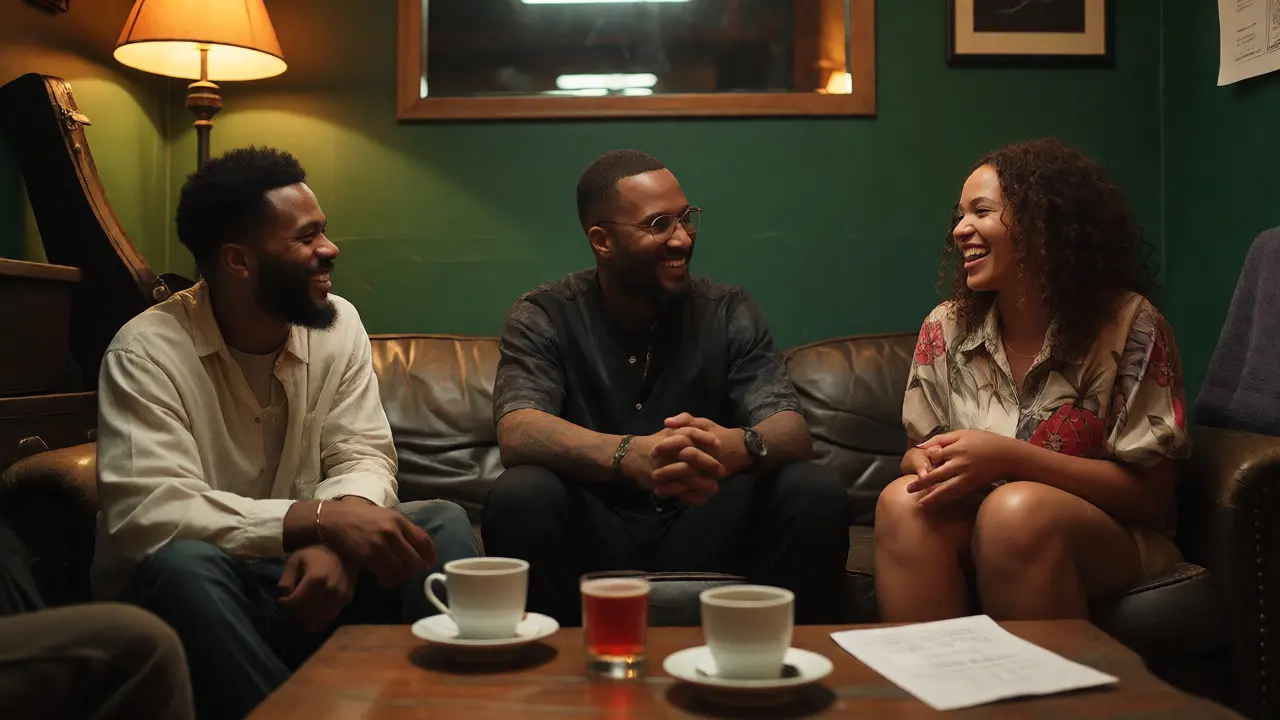
The real magic happens when the house lights go down. Backstage spaces are where deals get made, friendships form, and techniques are shared. In the case of Alli Starr’s tour with Ro James and Marsha Ambrosius, the dynamic wasn’t hierarchical-it was collaborative. Ro James, who built his career independently before signing with major labels, understands the hustle. He’s likely sharing tips on managing royalties or handling difficult promoters. Marsha Ambrosius, a former member of Floetry, knows how to navigate the industry’s shifting tides while maintaining artistic integrity.
This kind of informal mentorship is invaluable. Formal programs often feel stiff. But grabbing a coffee with a veteran after a soundcheck? That’s where the real education happens. You learn how to protect your voice during a ten-city run. You learn which songs to cut if the crowd is low-energy. You learn how to read a room that’s half-drunk and half-disinterested.
| Artist Role | Primary Contribution | Audience Impact | Career Benefit |
|---|---|---|---|
| Headliner (e.g., Marsha Ambrosius) | Draws ticket sales; sets the standard | Trust transfer to openers | Reinforces legacy status |
| Support Act (e.g., Ro James) | Bridges energy gap; showcases depth | Introduces nuance to mainstream fans | Expands fanbase beyond core niche |
| Opener (e.g., Alli Starr) | Energizes early crowd; tests new material | Gains visibility via association | Builds local buzz in each city |
Building the Neo-Soul Community
Neo-soul isn’t just a genre; it’s a lineage. It traces back to Erykah Badu, D’Angelo, and Jill Scott. Today, artists like Alli Starr keep that flame alive by blending it with contemporary hip-hop and indie influences. Touring with figures like Ro James-who embodies the gritty, independent spirit of modern R&B-signals that you respect the roots while pushing the branches forward.
This community aspect is crucial for long-term survival. Algorithms change. Playlists get refreshed. But a network of peers who vouch for you? That lasts. When Alli Starr performs alongside these heavyweights, she’s not just singing; she’s participating in a cultural conversation. She’s saying, "I’m part of this story too." Fans notice that. They see the mutual respect, the harmonies practiced in passing, the shared laughter between sets. It makes the experience feel authentic, not manufactured.
Practical Takeaways for Emerging Artists
If you’re trying to replicate this success, here’s what works. First, study the headliners’ catalogs deeply. Don’t just cover their hits; understand their influences. When you can reference a B-side from Marsha’s solo work or nod to Ro’s early mixtapes, you earn instant credibility. Second, be professional but personable. Promoters remember who caused drama and who helped load out gear. Third, leverage social media smartly. Post behind-the-scenes clips showing the camaraderie, not just polished performance shots. Authenticity drives engagement far more than perfection.
Also, consider the logistics. Touring with larger acts means adhering to stricter schedules. You’ll have less time for setup and soundcheck. Learn to adapt quickly. Bring your own monitors if necessary. Know your set inside out so you can adjust length on the fly without losing momentum. These small details signal professionalism to everyone watching-including potential collaborators.
The Future of Live Performance Partnerships
We’re moving away from rigid bill structures toward fluid collaborations. Imagine a night where Alli Starr joins Ro James for a duet, then Marsha Ambrosius comes out for a final ensemble piece. These moments create viral content and unforgettable memories. They blur the lines between opener and headliner, creating a unified show rather than a series of disconnected performances.
For listeners, this means richer concerts. For artists, it means diversified revenue streams and broader exposure. The era of the lone wolf musician is fading. The future belongs to those who build bridges. Whether you’re in Portland, Oregon, or performing in New York City, the principle remains the same: connect genuinely, perform passionately, and lift others as you climb.
Why is touring with established artists beneficial for newcomers?
It provides immediate credibility and access to an engaged audience. Established artists have loyal fanbases that trust their taste. When they endorse a newcomer by sharing the stage, their fans are more likely to check out the opening act. This trust transfer accelerates career growth significantly compared to building a fanbase from scratch.
What defines the neo-soul genre in current touring contexts?
Neo-soul blends traditional soul vocals with modern hip-hop beats, jazz instrumentation, and electronic production. In touring, it emphasizes live instrumentation, improvisation, and emotional authenticity. Artists like Alli Starr, Ro James, and Marsha Ambrosius exemplify this by prioritizing vocal prowess and lyrical depth over auto-tuned perfection.
How do artists maintain energy during long tours?
They prioritize rest, hydration, and vocal care routines. Many use steaming devices, drink warm teas with honey, and avoid talking excessively before shows. Mental preparation is also key; visualizing the performance helps reduce anxiety. Additionally, having a supportive crew and fellow musicians to bond with reduces isolation and burnout.
Can smaller venues benefit from multi-artist lineups?
Absolutely. Multi-artist bills attract diverse crowds who might not come for a single act. This increases ticket sales and bar revenue. It also creates a festival-like atmosphere even in intimate spaces, encouraging attendees to stay longer and explore different styles. Venues become hubs for discovery rather than just passive listening rooms.
What role does social media play in modern touring partnerships?
Social media amplifies the partnership narrative. Posting joint rehearsals, backstage moments, and shout-outs extends the reach beyond the physical venue. It allows fans who couldn’t attend to feel included. Furthermore, it documents the relationship publicly, reinforcing the endorsement and making it searchable for future collaborators or journalists.