Imagine booking a tour that doesn't burn you out. No more sleeping on buses, no more rushing from airport to venue with only an hour to rest. Instead, picture landing in a city, staying for three days, connecting deeply with the local scene, and then moving on. This is the core promise of Alli Starr's multi-city mini-residency model. It is a strategic shift away from traditional touring toward a sustainable, scalable approach to live performance.
For years, the music industry pushed artists to chase volume. Play as many shows as possible, in as many cities as possible, regardless of the physical or mental toll. But by 2026, that old way is dying. Artists are realizing that presence matters more than pace. Alli Starr, a vocalist and creative entrepreneur, has championed this new method. Her model treats each city not as a stop on a conveyor belt, but as a community to engage with. This article breaks down how it works, why it matters for your health, and how you can adapt it to your own career.
The Problem with Traditional Touring
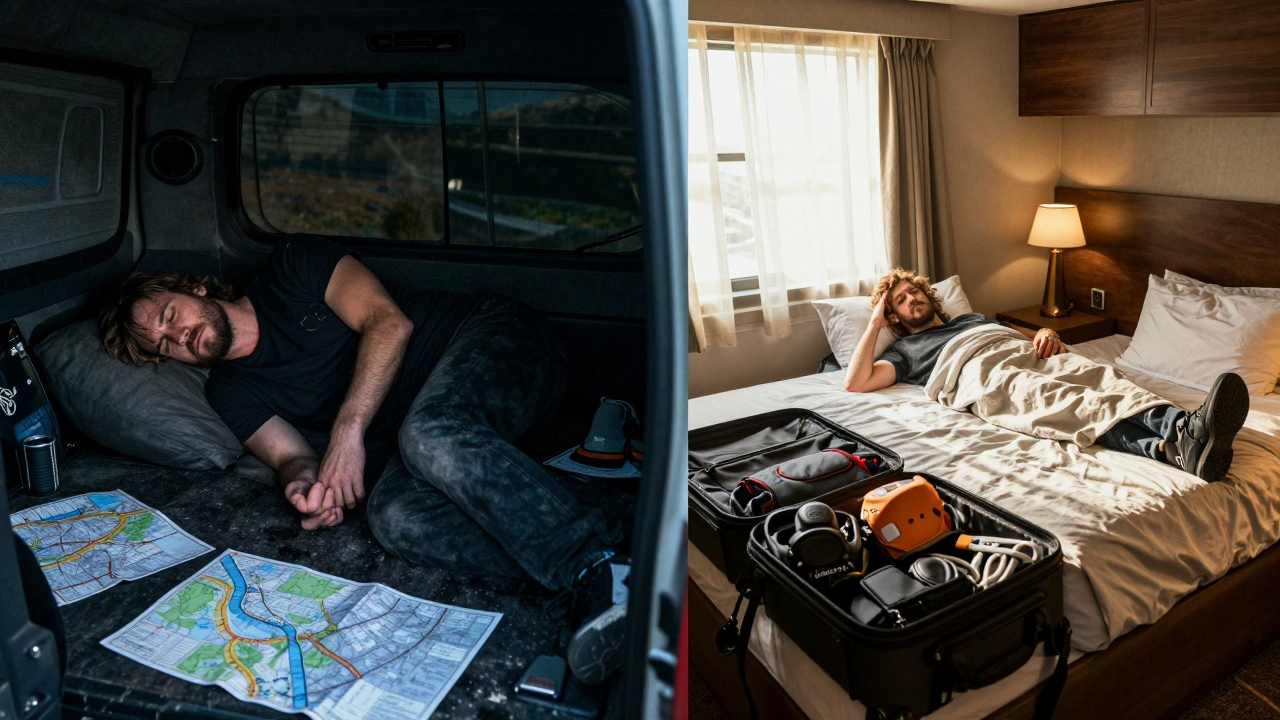
Let's be honest about the standard tour cycle. You fly into a city, load in, soundcheck, perform, load out, sleep on a van, drive six hours, repeat. It sounds like a rock-and-roll dream until you've done it for forty nights straight. The body keeps score. Chronic fatigue, weakened immune systems, and social isolation become the norm rather than the exception.
This high-volume, low-engagement model creates a paradox. You meet thousands of fans, yet you know none of them. You play in dozens of venues, but you never feel rooted. For many musicians, especially those in the indie or singer-songwriter space, this grind leads to early burnout. The financial return often fails to justify the physical cost when you factor in medical bills and lost creative time upon returning home.
Alli Starr recognized this disconnect early. She noticed that her most meaningful connections happened during rare moments of stillness-opening nights, intimate house concerts, or days off spent exploring a neighborhood. These weren't accidents; they were opportunities missed by the traditional schedule. By slowing down, she found she could do more, not less.
Defining the Multi-City Mini-Residency
So, what exactly is a mini-residency? Unlike a full residency at a casino or theater, which locks you into one location for months, a mini-residency is short-term and mobile. Typically, it involves committing to two or three performances in a single city over a span of four to seven days.
Here is how the structure usually looks:
- Day 1: Arrival and local exploration. Meet with local promoters, visit independent record stores, and perhaps host a small listening session.
- Day 2: First performance. Often an intimate show or a collaboration with a local artist.
- Day 3: Community engagement. Workshops, studio sessions, or fan meet-and-greets.
- Day 4: Second performance. A larger venue or a headline slot.
- Day 5: Departure.
This rhythm allows for deep work. You aren't just playing; you are building relationships. You get to know the sound engineer, the bartender, and the regulars at the venue. This familiarity reduces stress. When you know the room, you perform better. When you perform better, fans buy more merch and tickets for next time.
Alli Starr uses this model to create a sense of occasion. Fans in these cities don't see her as a passing ghost. They see her as a temporary neighbor. That emotional connection drives higher ticket sales and stronger loyalty than a one-night stand ever could.
Why Scalability Matters in 2026
You might think that slowing down means making less money. In reality, the opposite is true. The key word here is scalability. Traditional touring scales poorly because the costs rise linearly with distance and time. Fuel, crew salaries, and equipment rentals eat up profits quickly.
A mini-residency model scales differently. By clustering shows, you reduce travel costs significantly. Flying once a week instead of twice a day saves thousands. Staying in an Airbnb or hotel for several nights is often cheaper per night than the cumulative cost of daily hotel fees and late-night meals on the road.
Moreover, this model leverages digital tools effectively. Between residencies, you can release content, manage bookings, and engage with your audience online without the pressure of being physically present everywhere. This balance prevents the "always-on" anxiety that plagues modern artists.
In 2026, audiences value authenticity. They want to support artists who look healthy and happy. An artist who appears exhausted and disconnected struggles to maintain a long-term career. Alli Starr’s approach ensures longevity. It turns touring from a sprint into a marathon, allowing artists to sustain their careers for decades rather than burning out in five years.

Implementing the Strategy: A Step-by-Step Guide
If you want to try this model, start small. Don't overhaul your entire year at once. Pick one region and test the waters. Here is a practical roadmap based on Alli Starr's principles.
- Select Strategic Cities: Choose markets where you have existing fans or strong promoter relationships. Avoid places where you are completely unknown unless you have a robust marketing plan.
- Negotiate Package Deals: Talk to venues about bundling dates. Offer to bring your own production team if it helps lower their risk. Emphasize that multiple shows will drive more bar sales and foot traffic overall.
- Plan Non-Performance Activities: Schedule downtime. Book a yoga class, a cooking workshop, or a walk in a local park. Treat your rest as seriously as your rehearsal time.
- Create Local Partnerships: Collaborate with local businesses. Maybe you pop into a coffee shop for an acoustic set or partner with a local brand for a merchandise drop. These cross-promotions expand your reach.
- Measure Engagement, Not Just Attendance: Track metrics like email signups, social media interactions from that city, and merchandise sold per head. These indicators show the depth of your connection.
Remember, flexibility is crucial. If a city feels right, extend your stay. If it doesn't, cut your losses and move on. The goal is sustainability, not perfection.
Impact on Musician Wellness
Let's talk about the human element. Musician wellness isn't just a buzzword; it's a survival tactic. The constant movement of traditional tours disrupts sleep cycles, diet, and exercise routines. Your body enters a state of chronic stress, which affects your voice, your instrument technique, and your mental clarity.
By adopting a mini-residency model, you regain control over your basic needs. You can cook your own meals. You can sleep in a real bed. You can shower and change clothes multiple times a day. These small acts of self-care compound over time. You arrive at each gig feeling refreshed rather than drained.
Mental health benefits are equally significant. Isolation is a major issue on the road. When you stay in one place for a few days, you can connect with other artists, friends, or even family members visiting from afar. You build a support network that travels with you, emotionally if not physically.
Alli Starr often speaks about the importance of "grounding." When you root yourself in a location, even briefly, you stabilize your nervous system. This stability translates to better performances. You are present, engaged, and joyful. Fans feed off that energy. It becomes a positive feedback loop.
| Factor | Traditional Touring | Mini-Residency Model |
|---|---|---|
| Travel Frequency | Daily or every other day | Weekly or bi-weekly |
| Sleep Quality | Poor (buses, vans, noise) | Good (hotels, Airbnbs) |
| Fan Connection | Superficial, high volume | Deep, relational |
| Cost Efficiency | Low (high travel/logistics) | High (clustered logistics) |
| Burnout Risk | Very High | Low to Moderate |
Challenges and How to Overcome Them
No model is perfect. The mini-residency approach requires more upfront planning. You need to secure multiple dates in advance, which can be daunting if you're just starting out. Promoters might be hesitant to book you twice if they haven't seen your draw power.
To overcome this, use data. Show them your past attendance numbers, your social media engagement in that specific region, and your merchandise sales history. Prove that you bring value beyond just the stage time. Offer to help promote the event through your channels. Make it a partnership, not just a transaction.
Another challenge is pacing. It's tempting to fill every hour with activity. Resist this urge. Leave blank spaces in your calendar. Boredom is good for creativity. It gives your brain room to process experiences and generate new ideas. If you feel overwhelmed, scale back. Do one show instead of two. Stay for four days instead of seven. Adapt the model to fit your capacity.
Financial risks exist too. If one show underperforms, it impacts the whole cluster. Mitigate this by diversifying revenue streams. Sell VIP packages that include backstage passes or private lessons. Offer limited-edition merchandise available only during that residency. Create unique experiences that justify premium pricing.
The Future of Live Performance
As we move further into 2026, the live music landscape continues to evolve. Audiences are becoming more discerning. They want experiences, not just entertainment. They want to feel part of a community. The mini-residency model aligns perfectly with this shift.
We will likely see more artists adopting hybrid approaches. Combining short tours with extended residencies in key markets. Using technology to enhance in-person experiences without replacing them. Prioritizing well-being as a core business strategy rather than an afterthought.
Alli Starr’s contribution is significant because she provides a blueprint. She shows that success doesn't require sacrifice. You can build a thriving career while maintaining your health and happiness. This is the future of live music: slower, deeper, and more human.
What is the minimum duration for a mini-residency?
A mini-residency typically lasts between four to seven days. This timeframe allows for arrival, settling in, performing two or three shows, engaging with the community, and departing without feeling rushed. Shorter stays may not provide enough time to build meaningful connections, while longer stays can blur the line into a full residency.
How does this model affect income compared to traditional touring?
While total gross revenue might initially appear lower due to fewer total shows, net profit often increases. Reduced travel costs, lower accommodation expenses, and higher merchandise sales per fan contribute to better margins. Additionally, reduced burnout means fewer canceled shows and a longer career lifespan, leading to greater lifetime earnings.
Can emerging artists use the multi-city mini-residency model?
Yes, absolutely. Emerging artists should start with smaller markets or regions where they already have some traction. Focus on building relationships with local promoters and venues. Use social media to target fans in those specific cities before arriving. The key is consistency and genuine engagement rather than sheer volume of shows.
What role does digital marketing play in this strategy?
Digital marketing is crucial for driving ticket sales and creating hype. Use geo-targeted ads to reach fans in the specific cities you'll be visiting. Share behind-the-scenes content during your residency to give followers a sense of inclusion. Encourage attendees to share their experiences online to amplify reach organically.
How do I handle logistics for multiple shows in one city?
Coordinate closely with venue managers to streamline load-in and load-out processes. Consider renting local storage for equipment if venues are far apart. Hire local crew members to reduce travel costs and support the community. Create a detailed itinerary that includes buffer time for unexpected delays.