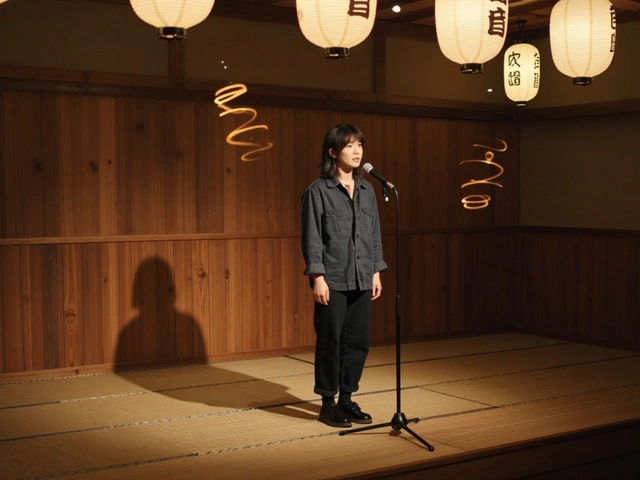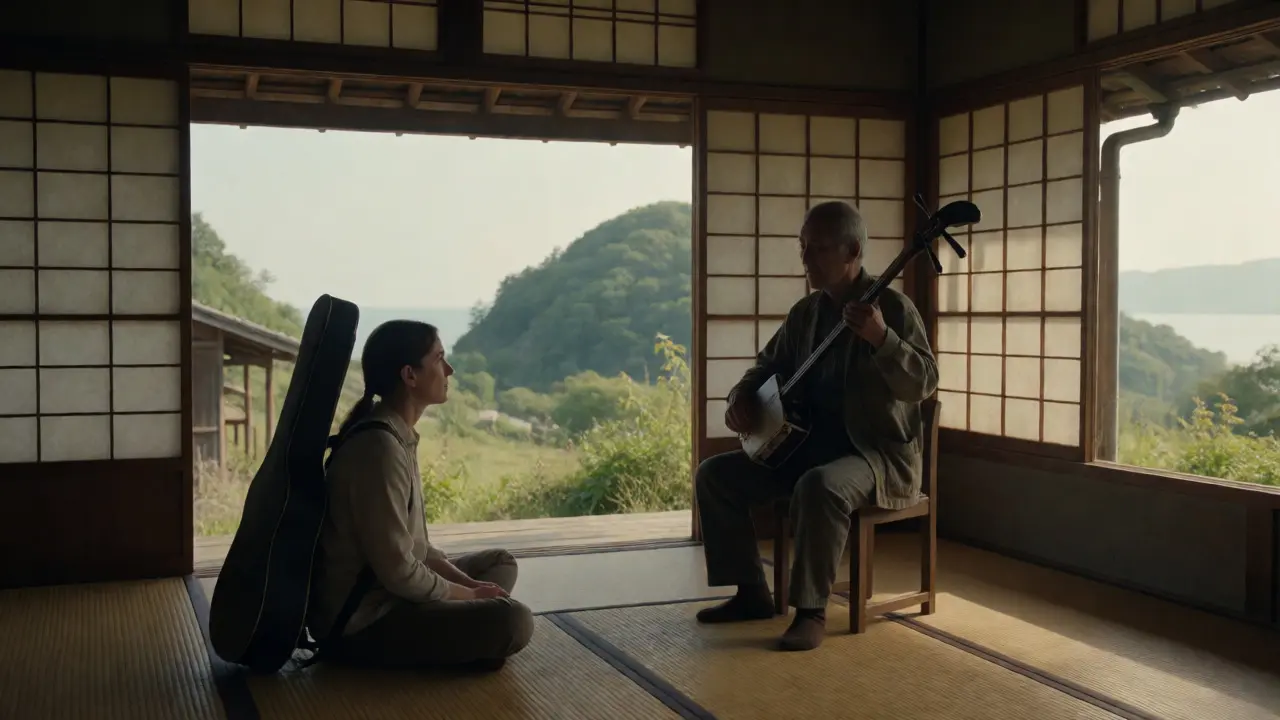
You might think a musician’s biggest challenge is selling out arenas or landing a viral hit. But for Alli Starr, the real work started long after the applause faded. It began in the quiet, resilient towns of northeastern Japan, where the shadow of the 2011 disaster still lingers in the soil and the collective memory. While many artists chase global fame, Alli chose a different path. She moved to Japan, not as a tourist, but as a participant in a slow, deliberate process of healing. Her story isn’t just about playing guitar; it’s about how music therapy can rebuild trust in communities fractured by trauma.
This isn’t a fairy tale about saving people with songs. It’s a grounded look at what happens when an outsider commits to staying. Why did she stay? How does music actually help when words fail? And what does "healing" really look like ten years after a catastrophe? Let’s unpack the reality behind the headlines.
The Decision to Stay When Others Left
In 2011, the world watched the news reels from Fukushima. We saw the tsunami waves, the reactor explosions, and the mass evacuations. But we rarely saw what happened next. As international aid workers rotated out and media crews packed up, thousands of residents remained in temporary housing, grappling with displacement and uncertainty. This is where Alli Starr entered the picture. Initially visiting for a short-term performance tour, she witnessed firsthand the isolation felt by elderly residents in evacuation centers. These weren’t just statistics; they were neighbors who had lost their homes, their livelihoods, and often, their sense of purpose.
Alli realized that a two-hour concert wasn’t enough. The gap between "awareness" and "support" was massive. Most visitors offered pity or brief entertainment. Alli decided to offer presence. She extended her visa, learned basic Japanese, and embedded herself in local community centers. This decision shifted her career trajectory from touring musician to community facilitator. It wasn’t easy. She faced language barriers, cultural misunderstandings, and the sheer emotional weight of working with trauma survivors. But staying allowed her to build something sustainable rather than superficial.
Music as a Bridge, Not Just a Performance
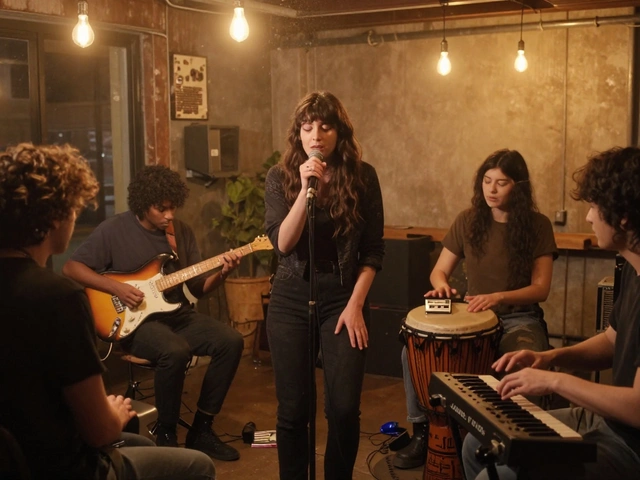
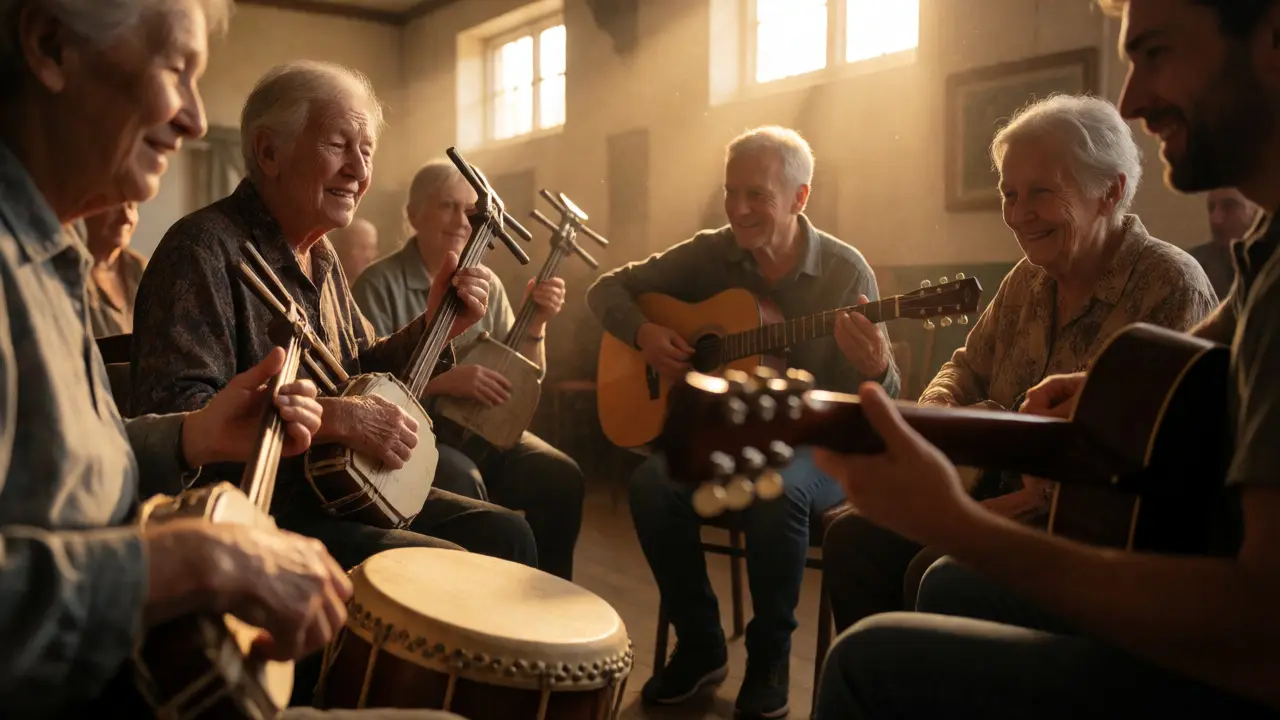
How do you connect with someone who doesn’t speak your language and may be wary of outsiders? Alli didn’t rely on complex lyrics. She relied on rhythm and shared experience. In rural Miyagi Prefecture, she organized informal jam sessions where residents could bring traditional instruments like the shamisen alongside her acoustic guitar. The goal wasn’t musical perfection. It was participation.
Research supports this approach. Studies in community psychology show that active music-making reduces cortisol levels and increases oxytocin, the bonding hormone, more effectively than passive listening. For Alli, the magic happened during the breaks between songs. That’s when conversations started. A grandmother would share a photo of her old house. A fisherman would talk about the changing tides. The music created a safe container for these stories. It lowered defenses. You’re less likely to judge someone while you’re both struggling to keep a beat together.
Alli also incorporated local folk songs, learning them phonetically to honor the residents’ heritage. This act of humility went a long way. It signaled respect. It said, "I’m here to listen, not just to perform." This shift from performer to partner is crucial in any community-based art project. If you’re thinking about using arts for social change, remember: the audience needs to feel ownership over the process, not just consume the product.
Overcoming Cultural and Practical Barriers
Let’s be honest-this lifestyle has its pitfalls. Living in rural Japan as a foreigner comes with logistical nightmares. Visa renewals are bureaucratic puzzles. Finding suitable housing near remote community centers can take months. And the language barrier? It’s not just about grammar. It’s about reading the air, understanding unspoken social cues, and navigating the concept of *enryo* (restraint or hesitation).
Alli faced moments of profound loneliness. There were nights she questioned if she was doing more harm than good. Was she imposing Western ideals of "expressing emotions" on a culture that values stoicism? To mitigate this, she partnered with local NGOs like Peace Boat and local municipal offices. These partnerships provided cultural mediators who helped translate not just words, but intent. They ensured that her workshops aligned with local expectations rather than disrupting them.
Here’s a practical checklist for anyone considering similar cross-cultural artistic work:
- Secure Local Partnerships Early: Don’t go it alone. Find an organization that already has trust within the community.
- Learn Basic Language Skills: Even broken Japanese shows effort and respect. It breaks the ice faster than any song.
- Define Your Role Clearly: Are you a teacher, a collaborator, or a listener? Ambiguity creates friction.
- Prepare for Emotional Fatigue: Working with trauma requires self-care routines. Burnout is real.
- Respect Privacy Norms: In some Japanese communities, discussing personal loss openly can be taboo. Follow their lead.
The Tangible Impact on Community Resilience
So, did it work? Metrics in social impact are tricky, but the anecdotal evidence is powerful. Over five years, Alli’s program expanded from one village to three. Attendance at weekly gatherings grew from six people to over forty. More importantly, new local initiatives emerged. Residents started forming their own choirs. Young people began volunteering to teach music to children in evacuation zones.
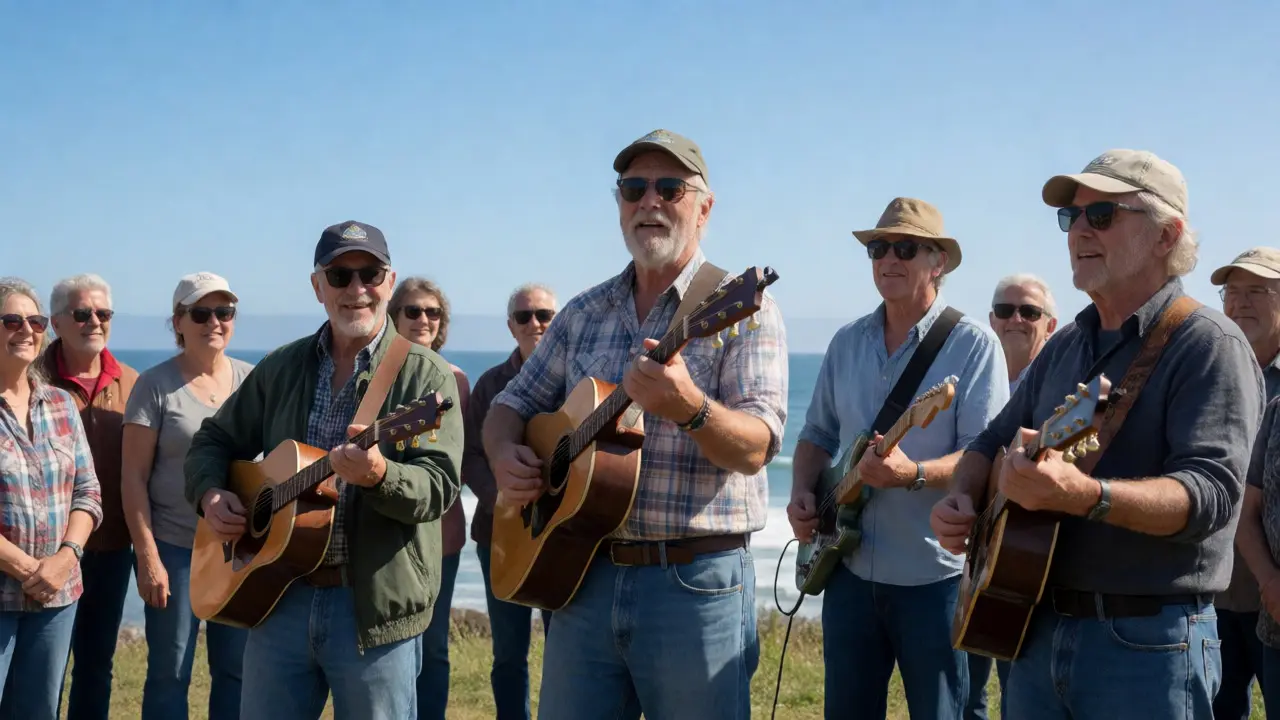
This ripple effect is the hallmark of successful community engagement. The external catalyst (Alli) becomes less necessary as internal capacity grows. One specific example involves a group of retired fishermen who formed a band called "The Salt Winds." They now perform at local festivals, raising funds for coastal cleanup projects. Their confidence returned because they had a platform to express their identity again. They weren’t just victims of a disaster; they were artists, musicians, and contributors.
| Feature | Short-Term Aid Visit | Long-Term Artist Residency (Alli Starr Model) |
|---|---|---|
| Duration | Days to Weeks | Years |
| Primary Goal | Awareness & Immediate Relief | Social Cohesion & Identity Restoration |
| Community Role | Passive Recipients | Active Co-Creators |
| Trust Level | Low to Medium | High (Built through consistency) |
| Sustainability | Low (Ends when funding ends) | Medium-High (Local ownership develops) |
Lessons for Global Community Builders
Alli Starr’s journey offers a blueprint for artists and activists worldwide. First, commitment beats charisma. You don’t need to be the most talented musician; you need to be the most reliable neighbor. Consistency builds trust in ways that grand gestures cannot. Second, adaptability is key. You must be willing to let go of your ego. If the community wants to sing karaoke instead of folk songs, you sing karaoke. Third, measure success by relationship depth, not event size.
This model challenges the typical "aid industrial complex" narrative. Often, help is delivered top-down. Alli’s approach was horizontal. She sat on the floor with elders. She ate lunch with families. She attended funerals and weddings. She became part of the social fabric. This integration allowed her to understand the nuanced needs of the community, which changed over time. Initially, people needed distraction. Later, they needed connection. Eventually, they needed agency.
For those inspired to replicate this, start small. Look for underserved communities in your own region. Maybe it’s a senior center in Portland, Oregon, facing isolation issues. Apply the same principles: show up consistently, listen actively, and use your skill as a bridge, not a spotlight. The geography changes, but the human need for connection remains constant.
Frequently Asked Questions
Why did Alli Starr choose Japan specifically?
Alli Starr initially visited Japan for a scheduled tour but stayed due to the profound disconnect she observed between international attention and local support needs post-2011. She felt a moral imperative to contribute beyond symbolic gestures, choosing to embed herself in the affected communities of Miyagi and Fukushima prefectures to provide sustained emotional and social support through music.
Does music really help with trauma recovery?
Yes, clinical research indicates that active music participation can reduce stress hormones and improve mood. However, the benefit comes primarily from social bonding and expression facilitated by music, rather than the music itself being a cure. In Alli’s case, the shared activity created a safe space for storytelling and community reintegration, which are critical components of psychological resilience.
What challenges did Alli face living in rural Japan?
Major challenges included significant language barriers, complex visa bureaucracy, cultural differences regarding emotional expression, and social isolation. Navigating the Japanese concept of *enryo* (hesitation to impose on others) required patience and careful relationship-building. She mitigated these by partnering with local NGOs and investing heavily in learning the language and customs.
How is her work funded?
Alli’s work is supported by a mix of grants from international arts foundations, donations from private supporters, and occasional paid performances. She also leverages social media to maintain transparency about her expenses and impact, allowing individual donors to contribute directly to specific community projects rather than general overhead.
Can non-musicians apply this community building approach?
Absolutely. The core principle is consistent, humble presence and using a shared interest as a vehicle for connection. Whether it’s gardening, cooking, or sports, the methodology remains the same: prioritize relationship building over output, listen more than you speak, and empower locals to take ownership of the initiative.