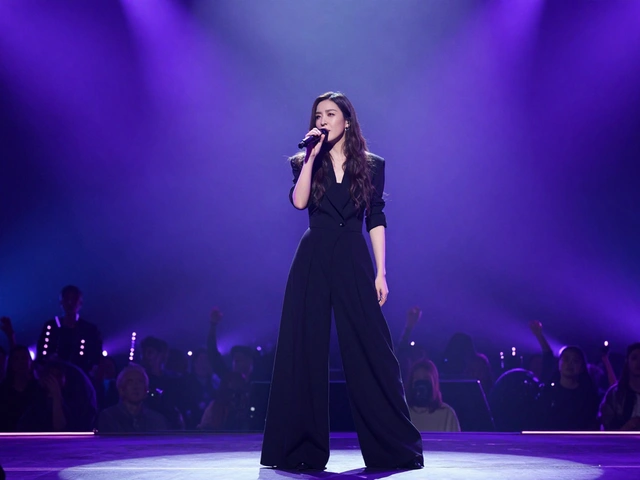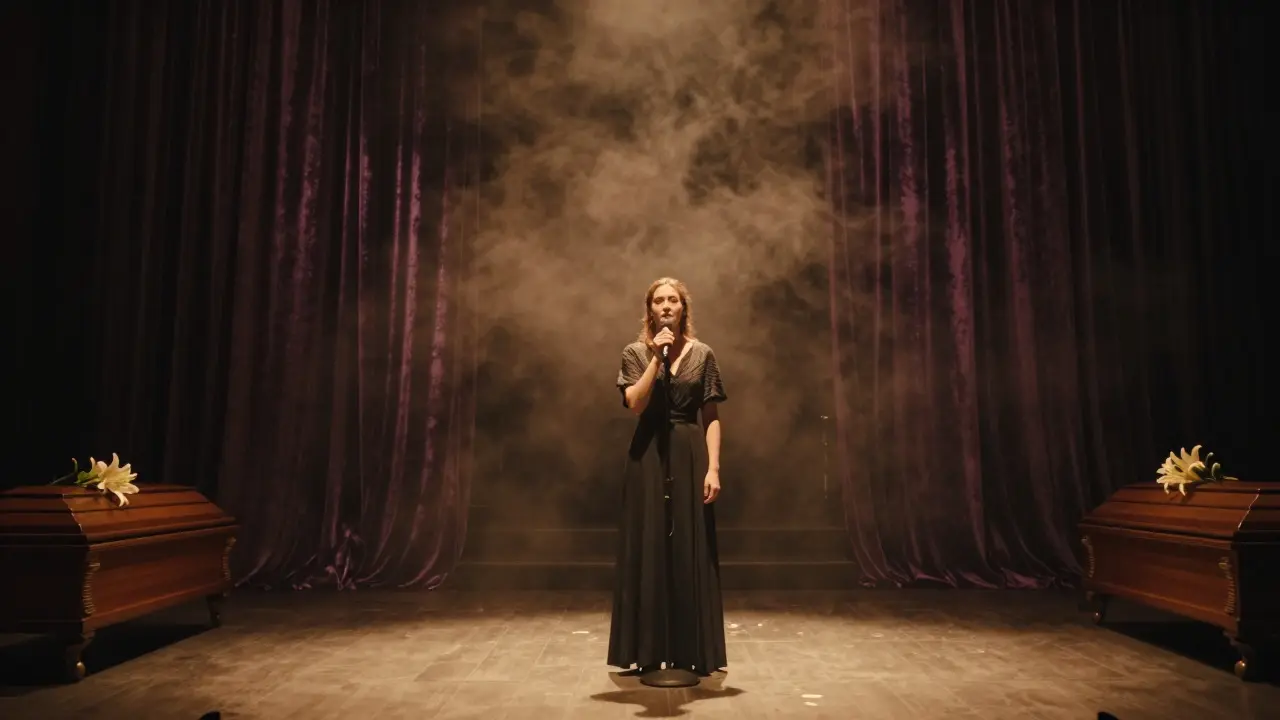
Imagine walking into a concert hall where the air smells faintly of lilies and formaldehyde. The lights aren't just dim; they are calibrated to mimic the soft glow of a viewing room. This isn’t a horror movie set-it’s the stage presence of Alli Starr, a performer who has woven the quiet dignity of the art and science of preparing the deceased for presentation to family and friends into her live shows. For years, audiences have wondered how a musician could find beauty in the macabre without feeling creepy. The answer lies in understanding that death is not just an end, but a profound transition that requires care, respect, and ceremony.
Starr’s approach challenges the modern Western habit of hiding death behind closed doors. Instead, she brings it into the spotlight, using the tools and traditions of mortuary science to create an immersive emotional experience. It’s not about shock value. It’s about recognition. When you see the meticulous attention to detail that goes into preparing a body for a funeral, you realize that the same level of intentionality can be applied to how we say goodbye in life. By bridging these two worlds, Starr offers a unique perspective on grief that feels both ancient and urgently contemporary.
The Intersection of Art and Mortuary Science
To understand Starr’s work, you first need to grasp what Mortuary Science actually involves. It is far more than just embalming. It is a blend of chemistry, anatomy, psychology, and social ritual. Professionals in this field, often called embalmers or funeral directors, are tasked with preserving the physical form of the deceased while managing the emotional landscape of the bereaved. They work with families during some of the most vulnerable moments of their lives. Their job is to provide clarity, comfort, and control in a time of chaos.
Alli Starr studied these processes closely before incorporating them into her artistic practice. She didn’t just copy the visual aesthetic of a funeral home; she absorbed the philosophy. In a recent interview, she noted that the embalmer’s hands must be steady even when the heart is breaking. That duality-technical precision paired with deep empathy-is the core of her performance style. On stage, she moves with that same deliberate calm. Every gesture is measured. Every note is placed with the care of someone setting a casket lid. This creates a sense of safety for the audience. We know that if the performer is handling death with such respect, we are safe to feel our own pain.
Care as a Creative Tool
In traditional music, we talk about technique, theory, and expression. In mortuary science, we talk about preservation, presentation, and palliation. Starr merges these vocabularies. She uses the concept of "care" as a primary creative tool. Care in a funeral context means ensuring the deceased looks peaceful, natural, and dignified. It means hiding the signs of disease or trauma so the family can focus on memory rather than medical reality.
On stage, this translates into how she curates her setlist and lighting. A song about loss isn’t just played; it’s presented. The lighting might shift from harsh white to warm amber, mimicking the way a funeral director adjusts the lights in a chapel to make the space feel less clinical and more sacred. This subtle shift changes the audience’s physiological response. Our hearts slow down. Our breathing deepens. We enter a state of collective contemplation. It’s a powerful reminder that environment shapes emotion, whether you’re in a hospital room or a concert venue.
| Element | Traditional Concert Approach | Alli Starr’s Mortuary-Inspired Approach |
|---|---|---|
| Lighting | Bright, dynamic, high contrast | Soft, diffused, mimicking candlelight or viewing room ambiance |
| Pacing | High energy, rapid tempo changes | Deliberate, slow builds, long silences |
| Audience Role | Active participants, cheering | Witnesses, silent observers |
| Symbolism | Personal triumph, ego | Collective mourning, transition |

Ceremony and the Power of Ritual
Ritual is the backbone of both funerals and concerts. Think about the last wedding or graduation you attended. You knew exactly what to do: stand up, clap, bow your head. These scripts reduce anxiety. They give us a container for our emotions. Funerals are perhaps the most structured rituals in Western culture. There is an order of service, specific hymns, and designated times for eulogies. This structure helps people process overwhelming grief because they don’t have to figure out what to do next. They just follow the steps.
Starr applies this logic to her performances. Her sets often follow a narrative arc that mirrors a funeral service. It begins with a gathering-a call to attention. It moves through a period of reflection-the songs that explore pain and memory. It culminates in a release-a final, resonant piece that allows the audience to let go. By the end, the audience doesn’t just feel like they’ve heard a good show; they feel like they’ve completed a rite of passage. They’ve walked through the valley of shadow together and emerged on the other side. This is why her fanbase is so loyal. They aren’t just listening to music; they are participating in a shared healing process.
The Sensory Experience of Loss
Mortuary science engages all five senses, though often subtly. The smell of lilies, the texture of velvet drapes, the sound of a casket being lowered, the sight of a polished urn. These sensory details anchor the abstract concept of death in the physical world. Without them, grief can feel floaty and disconnected. With them, it becomes tangible and manageable.
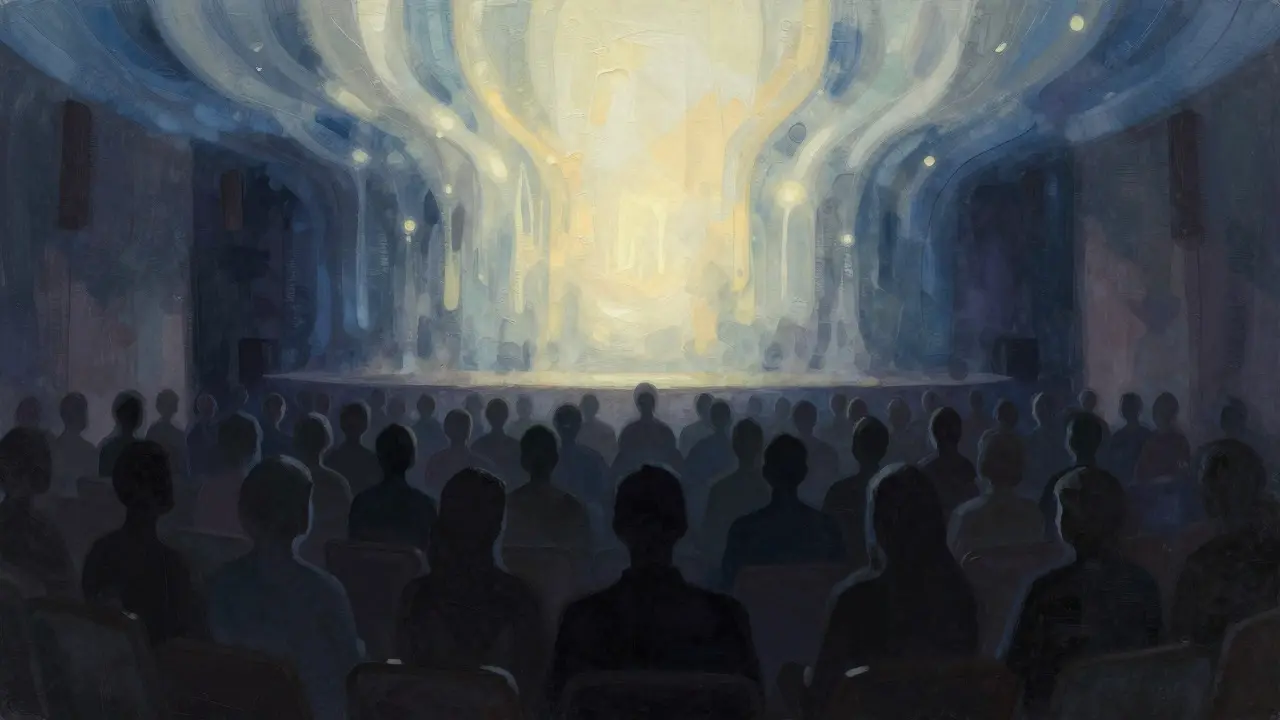
In her live shows, Starr pays close attention to these sensory cues. She might use a specific type of reverb on her vocals that sounds like an echo in a stone chapel. She might choose instruments that have a woody, warm tone, avoiding the cold digital sounds of modern pop production. Even the silence between songs is curated. In a funeral home, silence is heavy and significant. It’s a space for tears. In a standard rock concert, silence is usually broken by crowd noise or band chatter. Starr protects the silence. She lets it hang in the air, forcing the audience to sit with their thoughts. This discomfort is intentional. It pushes us out of our autopilot mode and into a deeper state of awareness.
Why This Matters Now
We live in a society that is increasingly afraid of death. We hide our elderly relatives in care homes. We rush bodies to crematoriums within hours of passing. We avoid talking about wills and advance directives. This avoidance creates a cultural void. When someone dies, we often feel unprepared, not because we lack love, but because we lack practice. We haven’t been trained in how to grieve publicly or how to honor the dead.
Alli Starr’s work fills this gap. By bringing the language of mortuary science into the mainstream arts, she normalizes the conversation around death. She shows us that caring for the dead is a noble, skilled profession, not a taboo one. She demonstrates that ceremony is not a waste of time; it is essential infrastructure for mental health. As we move further into a digital age where interactions are fleeting and impersonal, the need for grounded, physical, and communal rituals grows stronger. Starr’s stage becomes a sanctuary for those seeking this depth. It reminds us that to live fully, we must learn to die well-and that the two are inextricably linked.
Frequently Asked Questions
Is Alli Starr’s music actually about death?
Not exclusively. While death and grief are central themes, her music also explores love, resilience, and the beauty of life. The mortuary elements serve as a framework to examine these universal human experiences with greater depth and seriousness.
What is the role of mortuary science in her stage design?
Mortuary science provides the aesthetic and philosophical blueprint for her shows. Elements like lighting, pacing, and spatial arrangement are borrowed from funeral homes to create an atmosphere of solemnity, care, and transition, helping the audience engage emotionally with the music.
How does her work differ from other artists who use dark themes?
Many artists use darkness for shock or rebellion. Starr uses it for connection and healing. Her approach is rooted in the professional discipline of mortuary care, which emphasizes respect and dignity rather than fear or morbid fascination. The goal is catharsis, not disturbance.
Can anyone attend her shows if they are not grieving?
Yes. While the themes resonate deeply with those who have lost someone, the music appeals to anyone interested in emotional depth, atmospheric soundscapes, and thoughtful performance art. Many attendees report feeling a sense of peace and renewed appreciation for life after watching her perform.
Where did she learn about embalming and funeral rites?
Starr spent several years observing and interviewing working funeral directors and embalmers. She attended open houses at funeral homes and studied historical texts on Victorian mourning customs. This direct engagement allowed her to capture the nuances of the profession accurately in her art.