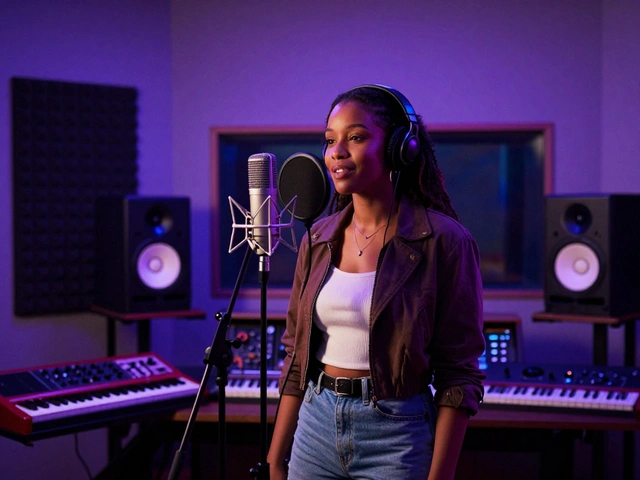
Stop scrolling past the cover art. In the current landscape of R&B is a genre defined by its emphasis on rhythm, blues, and soulful vocal performance, the image often speaks louder than the hook. Alli Starr has carved a distinct niche by treating her visual identity not as an accessory to her music, but as the primary vehicle for her message. Her work doesn't just show a woman; it dissects the mechanics of desire and authority through specific, deliberate aesthetic choices. If you’ve noticed that her videos feel different from the standard pop or hip-hop templates, it’s because she is operating with a different set of rules entirely.
The Aesthetic of Control
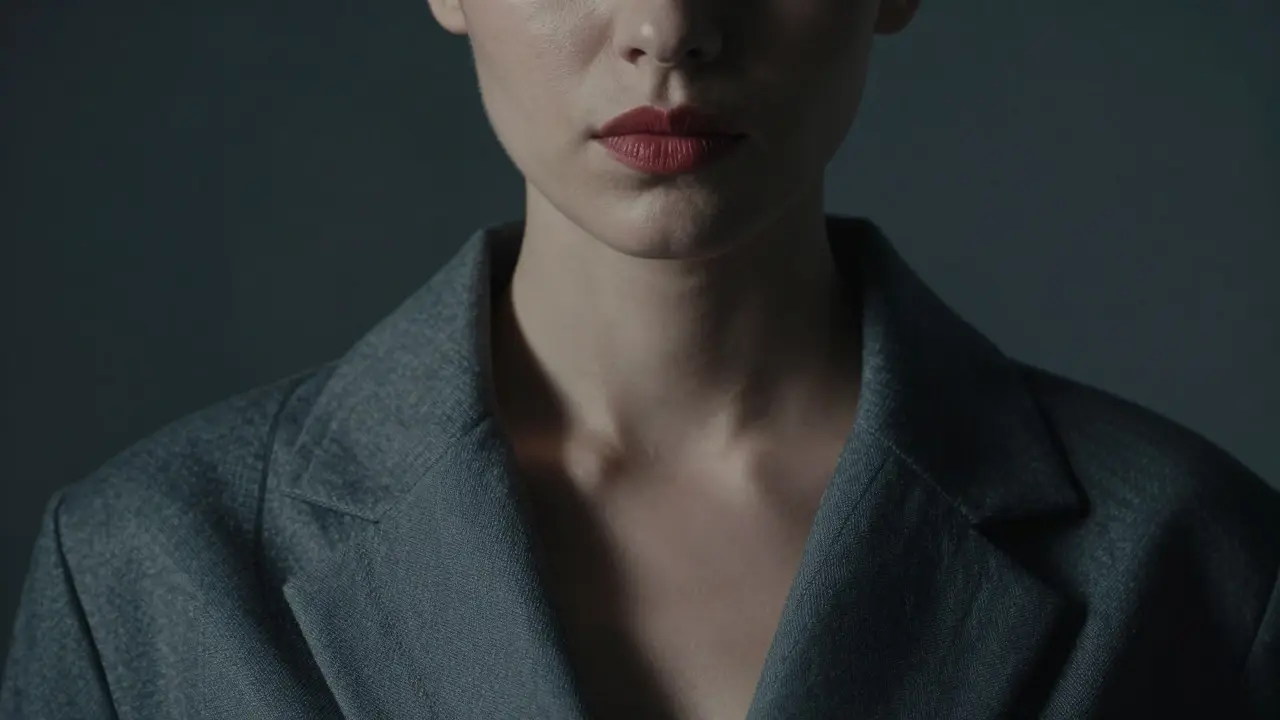
When we talk about Alli Starr is an R&B artist known for integrating high-fashion aesthetics with themes of female autonomy and complex desire, we are talking about control. Unlike many artists who rely on male gaze tropes-where the camera follows the subject passively-Starr’s direction often places the viewer in a subordinate position. She uses close-ups not to invite intimacy, but to demand attention. The lighting is rarely soft or romantic; it is sharp, high-contrast, and often clinical. This creates a tension where the viewer feels like they are being observed rather than observing. It flips the script on traditional Visual Storytelling is the use of images, colors, and composition to convey narrative and emotion without dialogue, making the silence between beats as loud as the lyrics.
Desire as a Strategic Tool
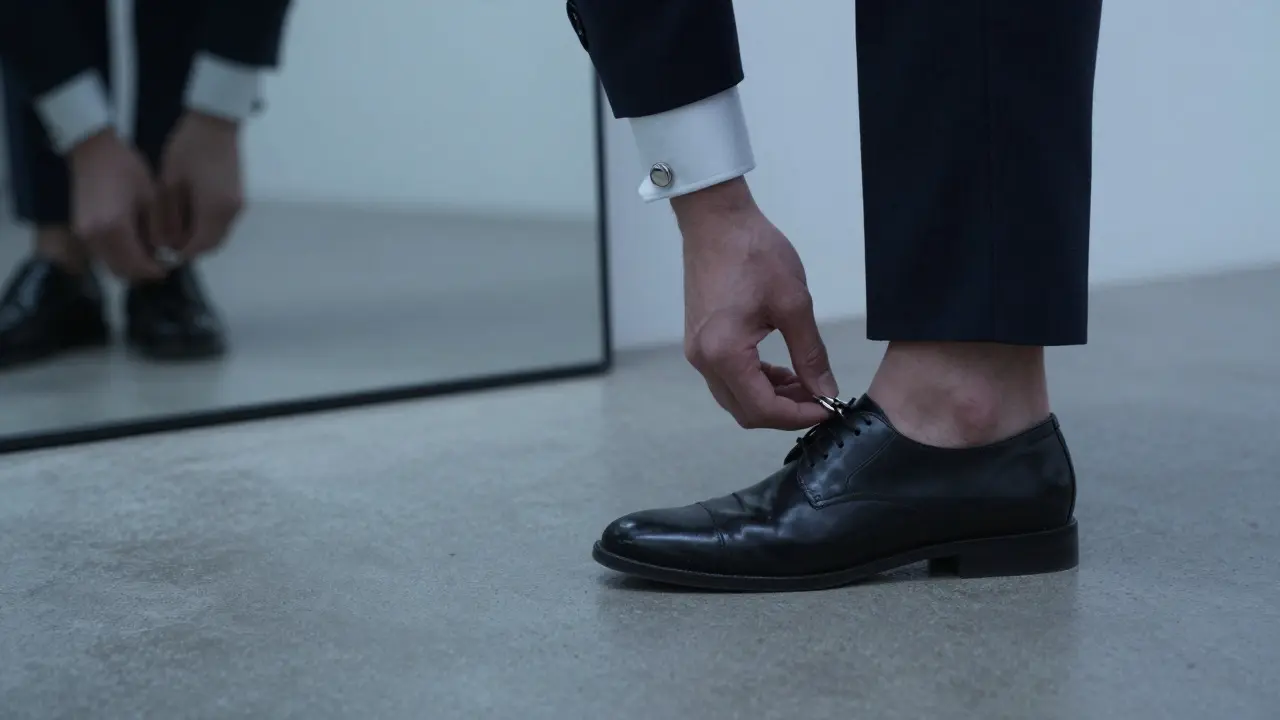
Desire in Starr’s world isn’t something that happens *to* her; it’s something she wields. In several of her recent releases, the concept of Feminine Desire is the active pursuit of pleasure and agency, often framed against societal expectations of modesty is portrayed through objects rather than people. You might see a hand adjusting a cufflink, a foot tapping a specific beat, or a reflection in a mirror that shows more than the face does. These micro-movements suggest that her power lies in what she chooses to reveal and what she keeps hidden. It’s a subtle form of Narrative Tension is the psychological conflict created by unresolved questions or unmet expectations within a story. The audience waits for a full reveal that never quite comes, keeping them engaged in a loop of anticipation.
Color Palettes and Emotional Weight
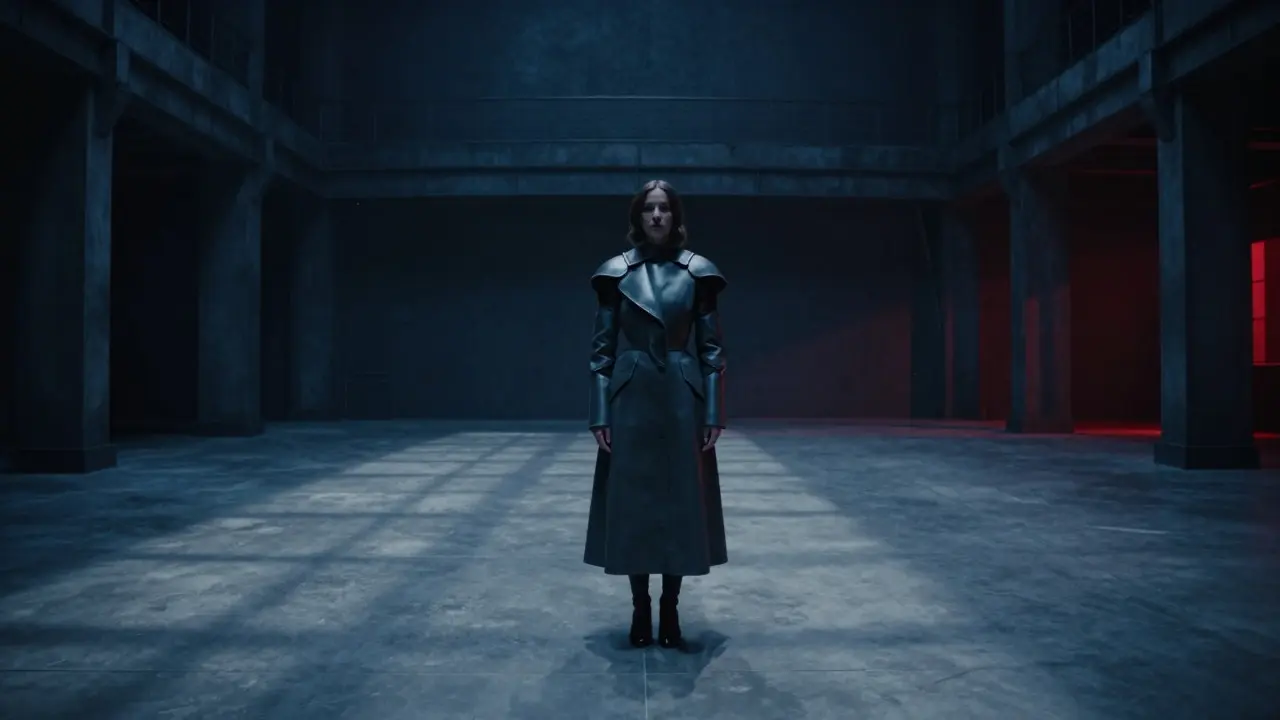
Color is the first thing your brain processes before you even recognize the subject. Starr leans heavily into desaturated tones mixed with stark accents. Think charcoal greys, deep indigos, and sudden bursts of crimson. This palette rejects the warm, golden-hour look that dominates much of contemporary Music Video Production is the process of creating visual content to accompany a musical track, involving cinematography, editing, and artistic direction. Instead, her choices evoke a sense of modern isolation. The coldness of the blue tones suggests emotional distance, while the red accents signal danger or passion. This contrast mirrors the duality of her lyrics: vulnerable yet unbreakable. It’s a visual argument that strength doesn’t require warmth; sometimes, it requires ice.
The Role of Stillness in Motion
In a genre built on rhythm, standing still is a radical act. Starr frequently employs long takes where the subject barely moves while the background shifts or the audio builds. This technique forces the viewer to focus on the weight of the moment. It challenges the fast-paced editing norms of social media-era content. By slowing down, she asserts that her presence is significant enough to hold the frame without needing cuts or special effects to maintain interest. This is a direct application of Cinematic Pacing is the manipulation of time and shot duration to control audience emotional response. It turns a three-minute song into a five-minute experience of tension. The stillness isn’t emptiness; it’s fullness. It’s the visual equivalent of a held breath.
Collaborations and Stylistic Consistency
You can’t discuss Starr’s visuals without mentioning her collaborators. Her frequent work with specific fashion designers ensures that every outfit serves a narrative purpose. The clothing is often structured, almost architectural, reinforcing the theme of containment and release. When paired with directors who understand minimalism, the result is a cohesive brand that feels less like a pop star’s image and more like a curated gallery exhibit. This consistency builds trust with the audience. They know what to expect: no gimmicks, no over-the-top choreography, just raw, polished intensity. It’s a smart move in a market saturated with noise. By staying true to this Brand Identity is the consistent visual and verbal representation of an entity that communicates its values and personality, she creates a recognizable signature that stands out in any feed.
Why This Matters Now
We live in a time where women in music are constantly asked to prove their relevance through volume, speed, or sexual availability. Starr’s approach offers a counter-narrative. It suggests that power can be quiet. That desire can be complex and self-directed. That a woman can occupy space without filling it with performance for others’ benefit. For fans of the genre, this shift is refreshing. It invites a deeper engagement with the art. You stop watching the video and start analyzing it. You start looking for the details-the way a shadow falls, the specific cut of a jacket, the exact shade of grey in the background. It transforms passive consumption into active interpretation. And in the end, that’s the highest form of respect an artist can earn from an audience.
Frequently Asked Questions
What makes Alli Starr’s visual style unique compared to other R&B artists?
Her style is unique because it prioritizes stillness and fragmented imagery over dance and full-body shots. She uses hard lighting and cool color palettes to create a sense of tension and control, flipping the traditional 'male gaze' dynamic by making the viewer feel observed rather than empowered.
How does color play a role in her storytelling?
Color is used to convey emotional distance and intensity. She typically avoids warm, golden tones, opting instead for desaturated greys and blues to suggest isolation or coldness, punctuated by sharp reds to indicate passion or danger. This creates a visual duality that matches her lyrical themes.
Does she collaborate with specific directors or stylists?
Yes, she works closely with minimalist directors and fashion designers who emphasize structure and architecture in clothing. This collaboration ensures that every visual element, from the cut of a jacket to the lighting setup, supports the narrative of controlled power and refined desire.
Why does she use so much stillness in her videos?
Stillness acts as a radical act in a fast-paced genre. By holding long takes and minimizing movement, she forces the audience to focus on the weight of the moment and the subtleties of expression. It challenges the need for constant motion and suggests that presence alone is powerful enough to hold attention.
Is her visual language intended to be difficult to understand?
Not necessarily difficult, but intentional. It is designed to reward active viewing. Rather than providing immediate, easy-to-digest narratives, it invites analysis. The goal is to transform passive consumption into an interactive experience where the viewer interprets the meaning behind the shadows, angles, and silences.