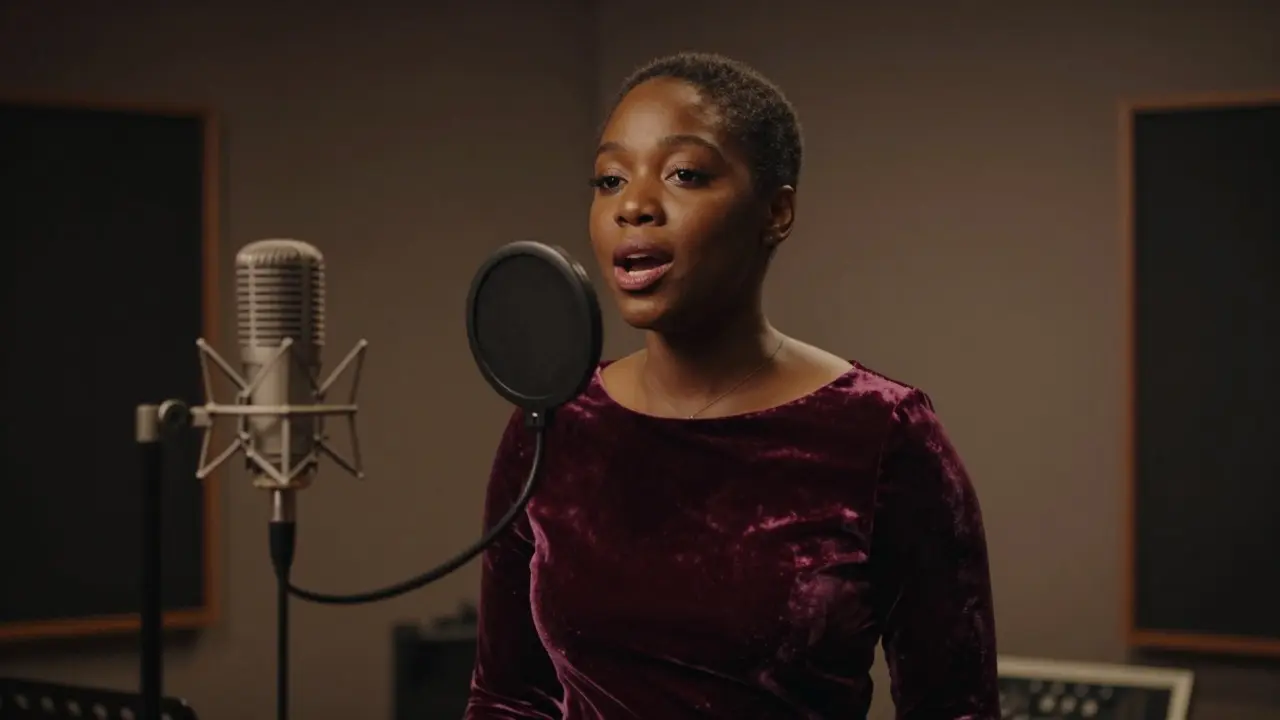
In the span of just two years, Alli Starr is a rising American singer-songwriter known for blending soulful vocals with modern production aesthetics. She went from opening slots to headlining festivals, and now she is dominating award season conversations. This isn't just a story about one lucky break. It signals a fundamental change in how the industry values authenticity over algorithmic virality. When you look at her recent accolades, you see a pattern that defies the traditional gatekeeping models of the past decade.
The core of this shift lies in what critics and fans are calling "neo-soul minimalism." Unlike the hyper-produced pop-R&B of the early 2010s, Starr’s work relies on raw vocal texture and sparse instrumentation. This approach has resonated deeply with a generation of listeners who are fatigued by overly polished sounds. Her recognition reflects a broader appetite for music that feels personal rather than manufactured.
The Anatomy of the Shift
To understand why Alli Starr’s rise matters, we have to look at the metrics behind the scenes. Historically, R&B chart success was tightly coupled with radio play and major label marketing budgets. Today, the correlation has weakened significantly. Starr’s breakout single, "Velvet Static," gained traction primarily through word-of-mouth on social platforms before any major promotional push. This organic growth forced labels to take notice, not the other way around.
- Vocal Authenticity: Listeners are prioritizing imperfections and emotional delivery over technical perfection.
- Production Style: There is a move away from heavy auto-tune toward live instrumentation and analog warmth.
- Narrative Depth: Lyrics are being scrutinized for poetic merit rather than just hook potential.
This triad of attributes defines the current "contemporary R&B" landscape. It is less about genre purity and more about emotional resonance. Starr embodies this perfectly. Her songs don’t just sound good; they feel like late-night conversations. That intimacy is what is driving the engagement numbers that translate into award nominations.
Awards as a Cultural Barometer
Award shows used to be seen as lagging indicators of popularity. You’d win an award because you had been popular for three years prior. Now, with streaming data available in real-time, awards are becoming faster reflections of cultural mood. Alli Starr’s recent nomination for Best New Artist and Best R&B Song highlights this acceleration. She hasn’t even released her second full album yet, but the industry is already treating her as a cornerstone of the new era.
Consider the voting demographics. The Academy of Recording Arts and Sciences (Grammy) and other bodies have expanded their voter pools to include more younger members and international voters. This demographic shift aligns directly with Starr’s audience base. The people voting for her are the same people listening to her on repeat. This alignment creates a feedback loop where critical acclaim and commercial success merge into a single narrative.
| Metric | Traditional Model (2010-2018) | Contemporary Model (2024-2026) |
|---|---|---|
| Primary Driver | Radio Airplay & TV Features | Streaming Engagement & Social Virality |
| Production Focus | High-Gloss Polishing | Raw Textural Detail |
| Award Correlation | Lagging Indicator (1-3 Years) | Real-Time Reflection |
| Key Metric | Sales Units | Monthly Active Listeners (MAL) |

The Role of Independent Distribution
You can’t talk about this shift without mentioning the infrastructure supporting it. The barrier to entry for high-quality music production has dropped dramatically. Tools like Digital Audio Workstations are software applications used for recording, editing, and producing audio files. allow artists to create studio-grade tracks in home studios. For Starr, this meant retaining creative control over her sonic identity. She didn’t need a $5 million budget to sound distinct; she needed a specific aesthetic vision and the technology to execute it.
Independent distribution platforms have also played a crucial role. By bypassing traditional physical retail channels, artists can release music globally on day one. This global reach is vital for R&B, which has always been a transatlantic genre. Starr’s fanbase is split almost evenly between North America and Europe, a demographic spread that major labels often struggle to achieve quickly. This geographic diversity strengthens her case for international awards and broadens the definition of what "mainstream" means.

Challenges Within the New Paradigm
It’s not all smooth sailing. The very speed that allows for rapid recognition also leads to rapid burnout. The expectation for constant content creation puts immense pressure on artists. Starr has spoken publicly about managing her mental health while maintaining a relentless release schedule. This tension between artistic integrity and market demand is the central conflict of the contemporary R&B scene.
Furthermore, the line between genres is blurring to the point of confusion. Is it R&B if it sounds like indie folk? Is it Pop if it uses soul samples? Critics are struggling to categorize these new sounds, which sometimes leads to fragmented award categories. However, this fragmentation also allows for niche communities to thrive. Fans aren’t just listening to "R&B" anymore; they are listening to specific sub-genres defined by vocal timbre and production style. Starr represents the "vocal-forward" niche, which is currently experiencing explosive growth.
What This Means for Future Artists
If you are an emerging artist watching this space, the lesson is clear: consistency beats virality. While a viral moment can get you noticed, it takes consistent quality and a distinct voice to stay relevant. The industry is shifting from a model that rewards flashiness to one that rewards depth. Your ability to connect emotionally with a listener is now your most valuable asset.
- Define Your Sonic Identity: Don’t chase trends. Find the sound that only you can produce.
- Build Community First: Engage with listeners directly before seeking mass media coverage.
- Embrace Imperfection: Let the human element show in your recordings.
- Diversify Your Reach: Use digital tools to target global audiences from day one.
Alli Starr’s journey is a template for this new era. She didn’t wait for permission. She created something authentic, shared it widely, and let the results speak for themselves. As we move deeper into 2026, expect to see more artists following this path. The gatekeepers are still there, but they are no longer holding the keys. The audience is.
Why is Alli Starr considered a pivotal figure in contemporary R&B?
Alli Starr is pivotal because her success demonstrates that raw vocal authenticity and minimalist production can outperform highly polished, trend-driven music. Her rapid rise in awards and streaming metrics proves that the market is shifting toward emotional resonance over technical perfection.
How has the definition of mainstream R&B changed in the last few years?
Mainstream R&B has evolved from being defined by radio-friendly hooks and heavy production to being defined by vocal texture, lyrical depth, and independent distribution strategies. The boundary between R&B, Soul, and Indie Music has blurred, creating hybrid sub-genres that prioritize mood and atmosphere.
What role do streaming platforms play in this musical shift?
Streaming platforms provide real-time data on listener behavior, allowing artists to gauge engagement instantly. This data drives award nominations and label decisions faster than traditional sales cycles, enabling rapid recognition for artists who build strong, loyal online communities.
Can independent artists replicate Alli Starr's success without a major label?
Yes, the infrastructure for independent success has matured. With affordable Digital Audio Workstations and global digital distribution, artists can retain creative control and reach international audiences. The key is building a distinct brand and engaging directly with fans before seeking institutional validation.
What are the main challenges facing artists in this new era?
The primary challenge is burnout due to the pressure for constant content creation and rapid release cycles. Additionally, genre fragmentation makes it difficult to categorize music, which can complicate marketing strategies and award eligibility despite high listener engagement.