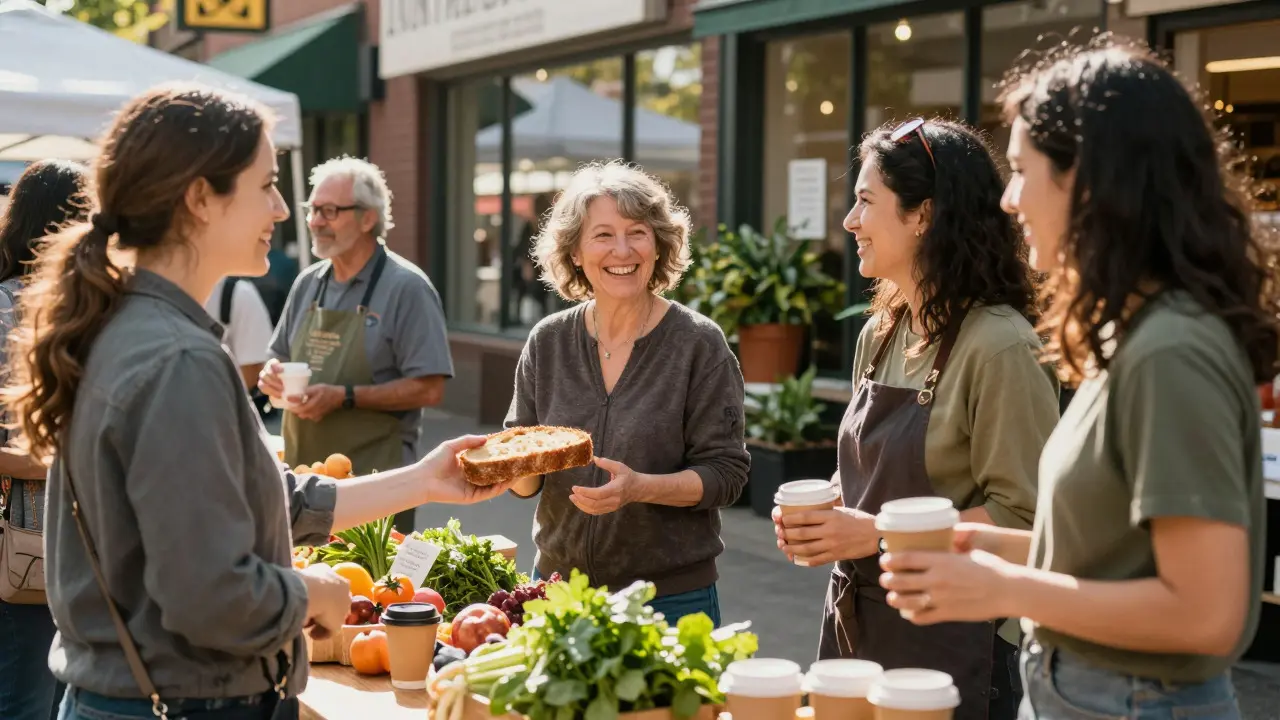
Most brands think they need a million-dollar ad budget to be seen. But in Portland, Oregon, a different playbook is winning hearts and wallets. It’s not about shouting the loudest; it’s about listening the hardest. Alli Starr is a grassroots marketing strategist who champions a community-first approach that prioritizes deep local relationships over broad digital reach. Her method has helped small businesses turn neighbors into loyal advocates without burning cash on generic social media ads.
The core problem with modern marketing is that it often feels impersonal. You scroll past a hundred polished ads, but do any of them make you feel like you belong somewhere? Rarely. Starr’s work flips this script. She argues that true brand equity isn’t built in the cloud; it’s built on the sidewalk, at the coffee shop, and in the local school board meetings. This isn’t just a tactic; it’s a philosophy that treats your customer base as a neighborhood rather than a target demographic.
Why Community Beats Algorithms
Algorithms change weekly. Customer trust takes years to build. When you rely solely on paid search or influencer shoutouts, you’re renting attention. When you invest in community engagement is the practice of actively participating in local events, supporting local causes, and fostering direct dialogue with residents, you’re buying loyalty. Starr notes that in hyper-local markets, word-of-mouth still converts at rates three times higher than digital display ads.
Think about the last time you recommended a business to a friend. Did you recommend it because they had a sleek website? Probably not. You recommended it because the owner knew your name, remembered your order, or donated to the local food bank. That’s the emotional currency of grassroots marketing. It’s tangible. It’s human. And it’s hard for competitors to copy quickly.
- Trust Transfer: When a brand supports a trusted local figure or organization, that trust transfers to the brand.
- Reciprocity: Giving value to the community (not just taking sales) creates a psychological debt that customers repay with loyalty.
- Visibility Without Noise: Local presence cuts through the noise of national advertising by being relevant to immediate surroundings.
The Core Pillars of Starr’s Approach
Alli Starr breaks her methodology down into three actionable pillars. These aren’t abstract concepts; they are daily habits for business owners who want to grow sustainably.
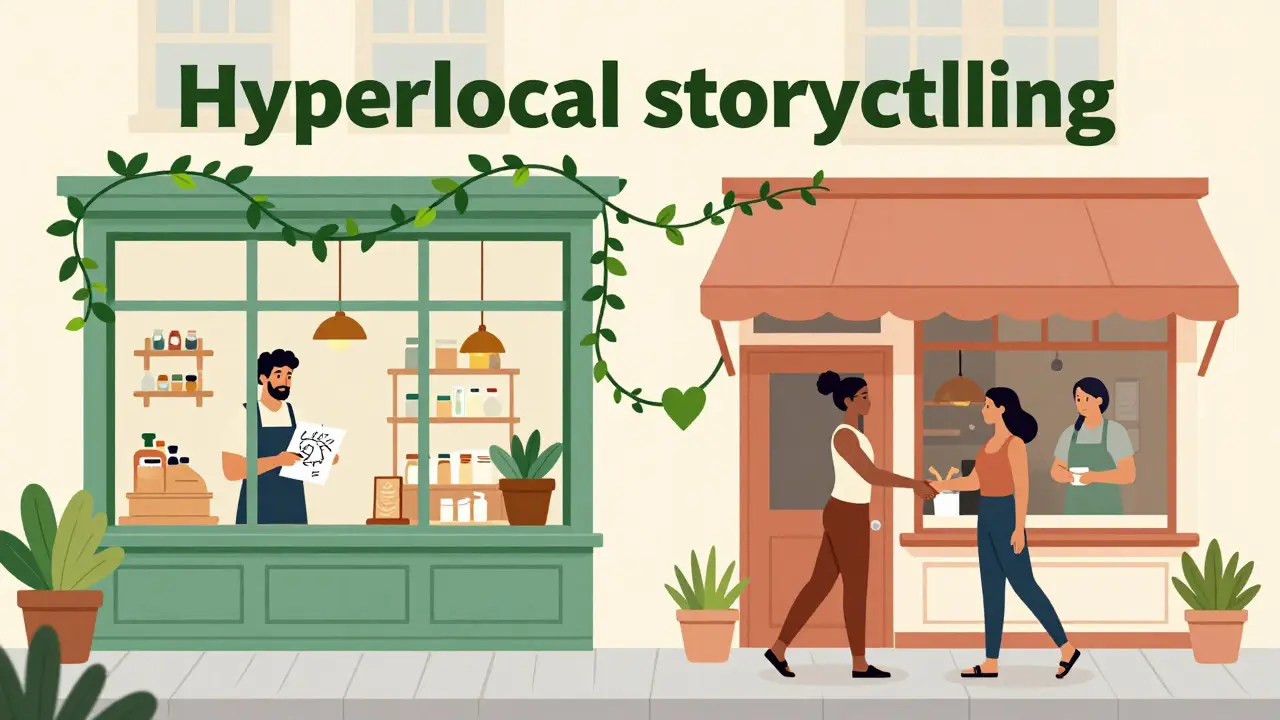
- Hyperlocal Storytelling: Don’t tell your company story; tell the community’s story. How does your product solve a specific problem in *this* city? If you sell coffee, don’t talk about bean origins in Ethiopia. Talk about how your roaster supports local farmers’ markets in Portland.
- Partnership Over Promotion: Find other non-competing businesses in your area. Create joint events or bundles. A yoga studio partnering with a healthy smoothie bar isn’t competition; it’s an ecosystem. Starr emphasizes that these partnerships must be mutual, not transactional.
- Consistent Physical Presence: Digital is great, but physical is irreplaceable. Show up to the Saturday farmers market. Sponsor the little league team. Be visible where people live, not just where they browse.
Real-World Examples from the Field
Let’s look at a concrete scenario. Imagine a boutique bakery in Southeast Portland. Instead of running Instagram ads targeting "people who like cake," the owner adopts a community-first strategy. They start by sponsoring the annual neighborhood block party. They offer free slices to the volunteers. They create a "Local Hero" discount code for anyone wearing a shirt from a nearby independent clothing store.
The result? The bakery becomes part of the neighborhood’s identity. People don’t just buy bread; they support their neighbor. This creates a moat around the business that no amount of Facebook advertising can easily breach. Another example involves a tech startup in the Pearl District. Rather than hiring a PR firm, the founder started a monthly meetup for local developers. By providing value (networking, knowledge sharing) before asking for anything, the startup became the hub of the local tech scene. Investors noticed. Customers noticed. The brand became synonymous with innovation in that specific zip code.
| Feature | Traditional Digital Marketing | Grassroots Community-First Approach |
|---|---|---|
| Primary Goal | Immediate clicks and conversions | Long-term trust and advocacy |
| Cost Structure | High upfront ad spend | Time-intensive, low monetary cost |
| Measurement | CTR, ROAS, Impressions | Word-of-mouth referrals, event attendance |
| Risk | Ad fatigue, algorithm changes | Slower initial scale, requires consistency |
| Customer Relationship | Transactional | Relational and reciprocal |
How to Start Your Own Community-First Campaign
You don’t need to be a giant corporation to use this strategy. In fact, it works best for smaller entities. Here is a practical roadmap to get started this month.
- Audit Your Local Footprint: Where do your customers actually hang out? Not online-physically. Is it a specific park, a co-working space, or a community center? Identify one key location.
- Find One Partner: Reach out to one complementary business. Propose a simple collaboration. Maybe you can feature each other on social media or host a joint workshop.
- Create Value First: Before you ask for a sale, give something away. Host a free seminar. Donate supplies to a local charity. Volunteer your skills. The goal is to be known as a helpful neighbor, not a salesperson.
- Document the Journey: Use your social channels to show the behind-the-scenes of these interactions. People love seeing the human side of a brand. Share photos from the block party, not just product shots.
- Listen Actively: Attend local council meetings or community forums. Take notes. What are people complaining about? What are they excited about? Tailor your messaging to reflect these real-world sentiments.

Pitfalls to Avoid
Even with the best intentions, grassroots efforts can fail if done incorrectly. The biggest mistake is inconsistency. Showing up once to a charity event and then disappearing for six months signals insincerity. Consistency is the heartbeat of this strategy.
Another trap is "transactional volunteering." If you sponsor a youth soccer team but only care about the logo on the jersey, kids will notice. Authenticity is detectable. Ensure your involvement adds genuine value to the community, independent of your business goals. Finally, don’t ignore the digital bridge. While the foundation is physical, use digital tools to amplify the impact. Post about the local events you attended. Tag the partners. Make the offline experience shareable online.
Frequently Asked Questions
Is grassroots marketing only for small businesses?
No. Large corporations use it too, often called "localization strategies." However, it is particularly effective for small and mid-sized businesses because it levels the playing field against big-budget competitors by leveraging authenticity and proximity.
How long does it take to see results from a community-first approach?
Unlike paid ads which show immediate data, grassroots marketing builds equity over time. Most businesses see noticeable shifts in word-of-mouth referrals within 3 to 6 months of consistent effort. Long-term loyalty compounds significantly after year one.
What metrics should I track for grassroots marketing?
Track qualitative and quantitative local metrics: number of local mentions, event attendance rates, referral codes used by neighbors, and social shares from local tags. Focus on engagement quality rather than raw impression counts.
Can I combine grassroots marketing with digital advertising?
Yes, and it’s highly recommended. Use digital ads to retarget people who have interacted with you locally. For example, if someone attends your pop-up event, show them a personalized ad thanking them and offering a follow-up discount. This bridges the physical and digital worlds effectively.
Who is Alli Starr and why is her approach notable?
Alli Starr is a marketing strategist based in Portland, Oregon, known for advocating that local relationship-building is more sustainable than broad digital outreach. Her work highlights how small businesses can achieve significant growth by embedding themselves deeply in their immediate communities.