Most people hear Alli Starr is a singer-songwriter known for her raw vocals and emotional lyrics. But if you look closely at her videos, the story changes. Her visuals don't just support the music; they argue with it. They push back against the standard idea that women in R&B are passive objects of desire. Instead, Starr uses the camera to show a woman who controls the room, even when she's lying on a bed or standing in a dark alley.
This isn't just about looking good. It’s about how visual storytelling works in modern R&B. When we watch Starr, we see a specific type of power. It’s quiet. It’s internal. And it’s incredibly effective. Let’s break down how she builds this world through three main themes: the gaze, the space, and the color palette.
The Gaze: Who Is Watching?
In traditional media, the "male gaze" means the camera acts like a man looking at a woman. The woman exists to be looked at. She doesn’t have her own thoughts. She’s frozen in time, waiting for something to happen to her. Alli Starr flips this script. In her projects, the camera often stays still while she moves. Or, she looks directly into the lens, breaking the fourth wall. This forces the viewer to feel like *they* are being watched, not the other way around.
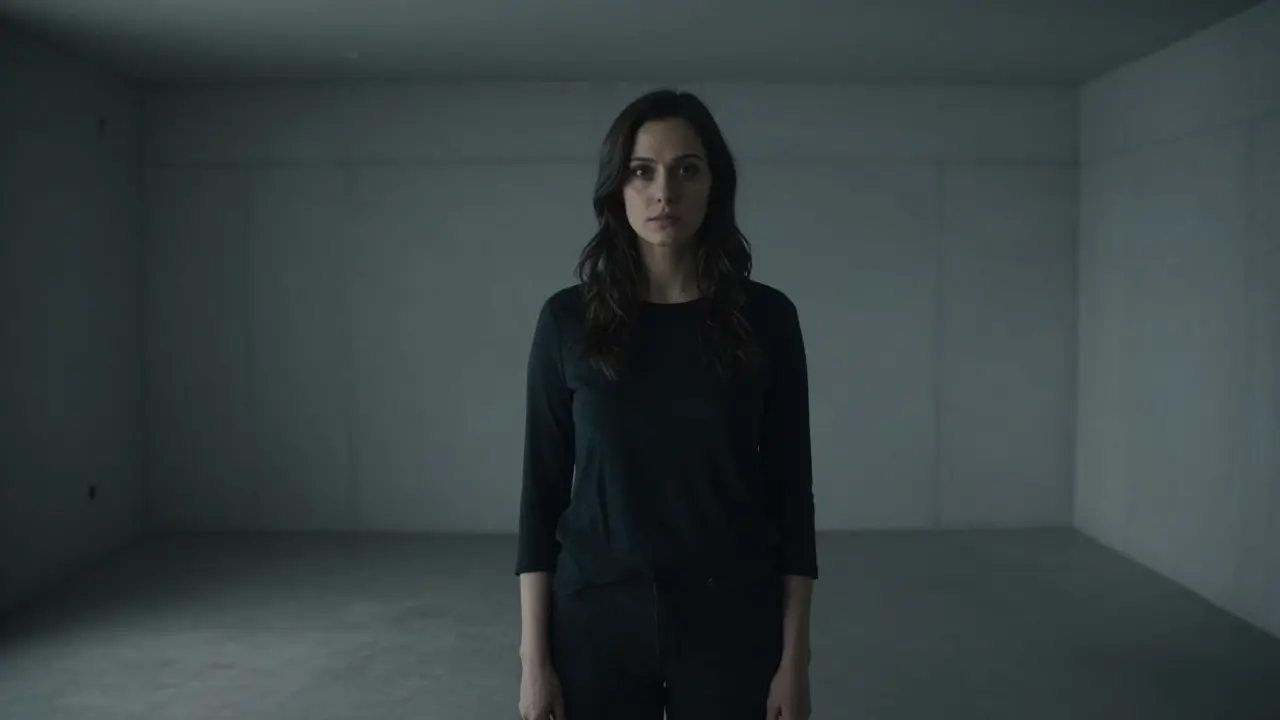
Take her recent single "Midnight Static." The video features long takes where Starr walks through an empty apartment. She stops, turns, and holds eye contact with the camera for ten seconds. No cut. No jump. Just presence. This technique, known as sustained eye contact in film theory, creates a sense of intimacy but also dominance. She knows you’re there. She chooses to acknowledge you. That choice is agency.
- Direct Address: Looking straight into the lens removes the illusion of privacy. It makes the audience complicit.
- Movement Control: Starr rarely reacts to external stimuli. She initiates every move. This signals internal drive rather than external reaction.
- Static Camera: By keeping the frame fixed, the focus remains entirely on her body language and micro-expressions.
Space as Character: Intimacy vs. Isolation
Where does the action take place? For Starr, location is never just a backdrop. It’s a character. Most of her work happens in small, enclosed spaces. Bedrooms, bathrooms, tight corridors. Why? Because intimacy requires closeness. You can’t feel someone’s emotion from across a stadium. You feel it in a cramped room where the walls seem to close in.
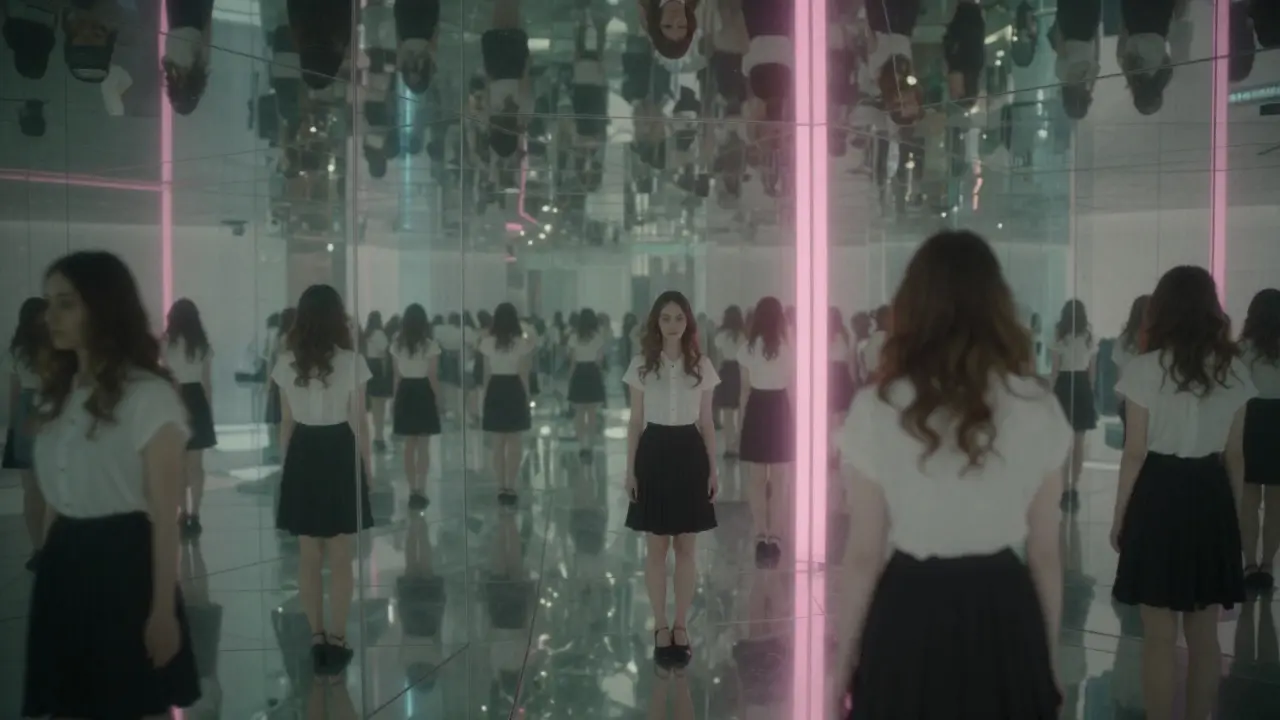
However, these spaces aren’t always cozy. They can feel claustrophobic. This duality reflects the theme of desire. Desire is both attractive and suffocating. It pulls you in, but it also traps you. In the video for "Glass Walls," the set design uses mirrors everywhere. Every angle shows a reflection of Starr. She is surrounded by herself. It’s a visual metaphor for self-reflection and the inability to escape one’s own emotions. The space becomes a prison of memory.
| Project | Primary Setting | Spatial Feeling | Narrative Function |
|---|---|---|---|
| Midnight Static | Empty Apartment | Isolated, Quiet | Emphasizes internal monologue |
| Glass Walls | Mirror Room | Claustrophobic, Reflective | Shows self-confrontation |
| Neon Rain | City Street (Night) | Exposed, Vulnerable | Contrasts public vs. private self |
Color Palette: Muted Tones and Neon Accents
If you’ve watched more than two of her videos, you’ll notice the colors aren’t random. Starr leans heavily into muted tones-grays, soft blues, and desaturated greens. These colors drain the energy from the scene, making everything feel heavy and slow. Then, she introduces a single neon accent. Usually pink or electric blue. This contrast is key to her aesthetic identity.
The muted background represents the mundane reality of daily life. The boring parts. The waiting. The silence. The neon accent represents the spark of emotion. It’s the feeling that breaks through the gray. In "Heartbeat," the entire video is shot in cool grays until the chorus hits. Suddenly, a red light floods the room. It’s jarring. It’s loud. It matches the vocal peak perfectly. This use of color grading ensures that the visual experience syncs with the auditory one. You don’t just hear the climax; you see it.
Agency in Motion: Body Language and Choreography
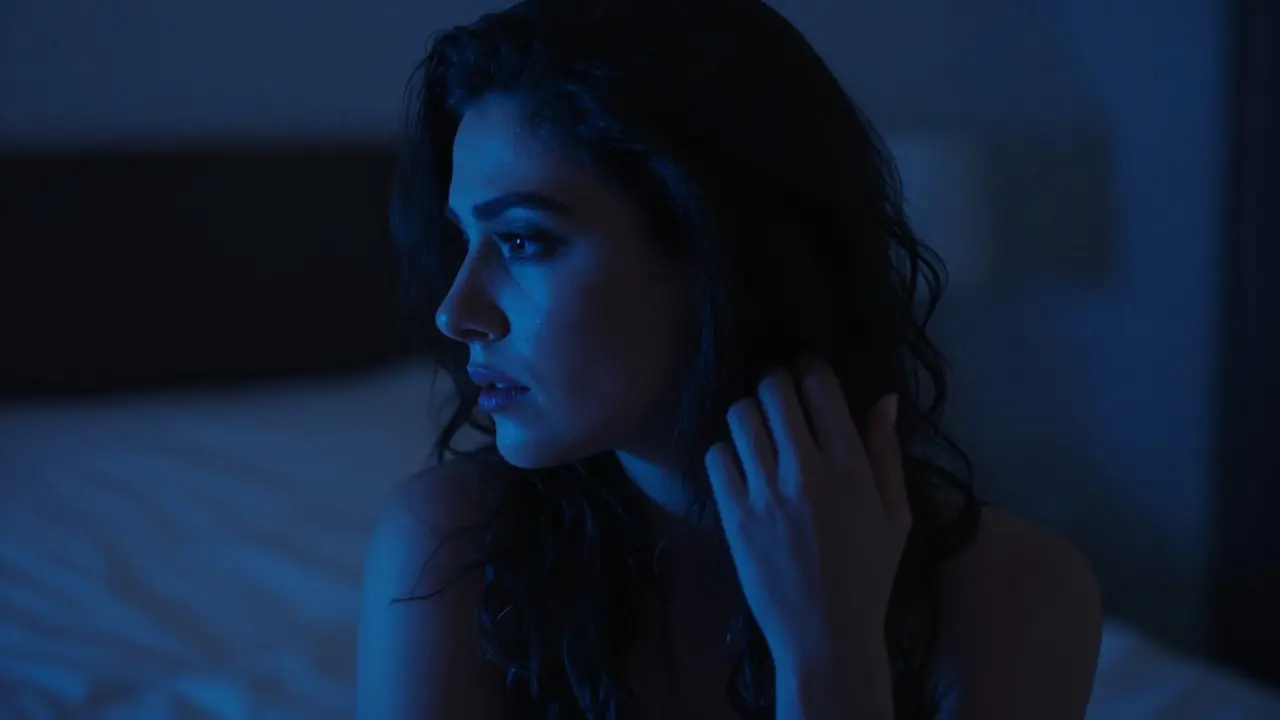
We talk a lot about what she wears and where she stands, but what about how she moves? Many R&B artists use choreography to display physical prowess. Dancing fast, hitting hard beats. Starr’s movement is different. It’s fluid. Slow. Often, she isn’t dancing at all. She’s shifting weight. Touching her face. Adjusting her hair. These are small, unconscious movements that become powerful when highlighted by the camera.
This approach draws from performance art rather than dance. Think of Marina Abramović’s endurance pieces. The power comes from stillness. From holding a pose. From resisting the urge to move. When Starr stands completely still for thirty seconds, it feels like an act of defiance. She refuses to perform for us. She simply exists. And in a world that demands constant content and movement, existing without purpose is a radical act of agency.
Connecting the Dots: How It All Fits Together
So, why does this matter? Because music video analysis reveals the hidden messages in our culture. When we see women portrayed as active subjects rather than passive objects, it shifts our perception. It changes how we view relationships, power, and self-worth. Alli Starr’s work contributes to this shift. She doesn’t shout about feminism. She doesn’t wear a slogan t-shirt. She just films herself in a way that respects her autonomy.
Her visual themes create a consistent brand. Whether you’re watching a live performance or a studio clip, the vibe is the same. Intimate. Controlled. Slightly mysterious. This consistency builds trust with the audience. We know what to expect. We know we won’t be tricked. We know we’re in safe hands. That reliability is rare in the fast-paced world of pop music.
Frequently Asked Questions
What defines Alli Starr’s visual style?
Alli Starr’s visual style is defined by intimate settings, muted color palettes with neon accents, and a focus on direct eye contact. The goal is to portray female agency through stillness and control rather than overt performance.
How does she use color in her music videos?
She typically uses desaturated, cool tones for the background to represent reality or silence. A single bright neon color is introduced during emotional peaks to visualize the intensity of the music and lyrics.
Why does she prefer static cameras?
Static cameras force the viewer to focus entirely on the subject’s subtle expressions and movements. It removes the distraction of camera motion and emphasizes the performer’s control over the narrative.
Is her style unique in the R&B genre?
While many R&B videos feature high-energy choreography and vibrant sets, Starr’s minimalist, introspective approach distinguishes her. Her focus on psychological depth over physical spectacle sets her apart in the current landscape.
What role does the setting play in her storytelling?
Settings are treated as characters. Enclosed spaces like bedrooms or mirror rooms create feelings of intimacy and confinement, reflecting themes of internal struggle and self-reflection central to her lyrics.