Ever wonder why some albums feel like they were made by one mind, while others sound like a committee meeting? Alli Starr is an indie-pop artist known for her layered vocal harmonies and retro-futuristic synth textures. Her recent work, particularly the 2025 album Neon Echoes, stands out not just for its catchy hooks, but for the distinct sonic fingerprints left by the producers who shaped it. This isn't just about who pressed the record button; it's about how specific creative partnerships transformed raw demos into polished hits.
The core of this discussion revolves around the dynamic between an artist's vision and a producer's technical execution. For Starr, this relationship has evolved significantly over her career. Early tracks felt more DIY, whereas her latest releases show a sophisticated interplay with industry veterans and emerging talent. Understanding these collaborations helps explain the shift in her signature sound from bedroom pop to arena-ready production.
The Evolution of Starr’s Sonic Identity
To understand the current landscape, we have to look back at where she started. In 2019, Starr released her debut single Glitch Heart. The track was produced entirely by herself using a laptop and a basic MIDI keyboard. It was intimate, slightly lo-fi, and defined by a specific type of digital distortion that became her early trademark. At that stage, there was no external input; the sound was purely her internal aesthetic filtered through limited technology.
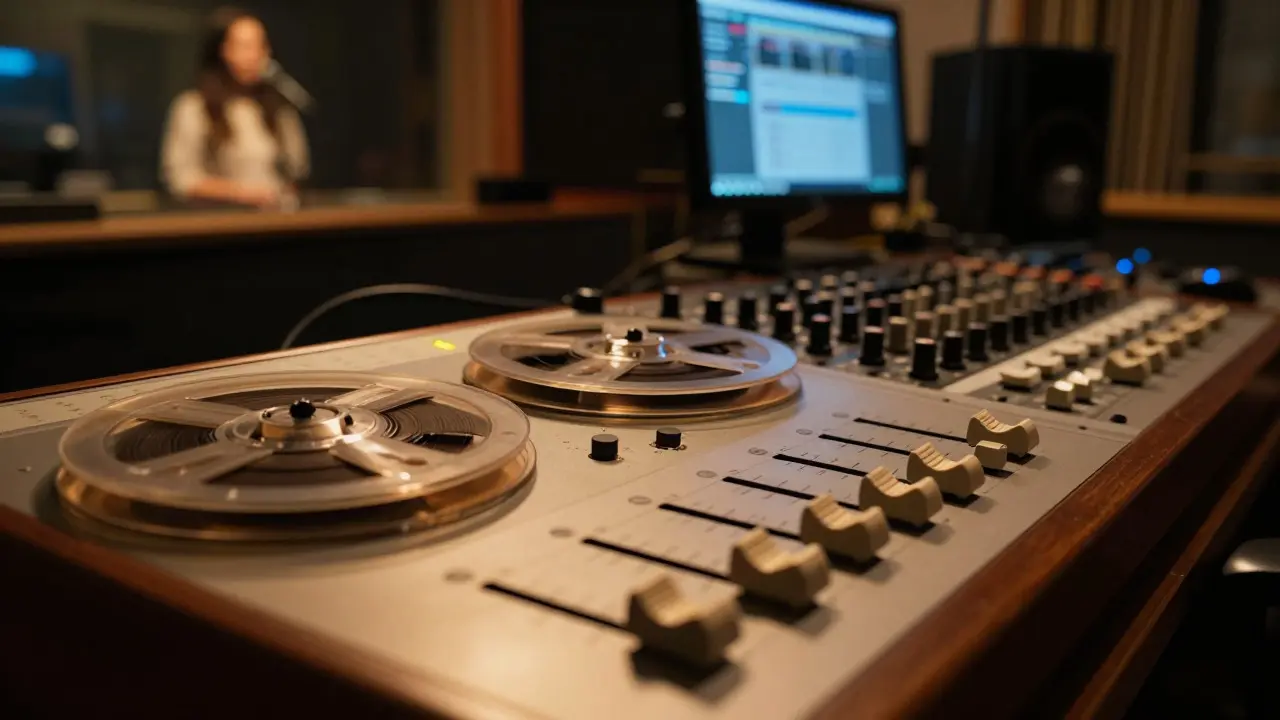
By 2021, however, the scene had changed. She began working with Leo Vance, a veteran audio engineer known for his work in the alternative rock sector. Vance brought a different philosophy to the table. He favored analog warmth over digital precision. When they collaborated on the EP Static Dreams, you can hear the difference immediately. The vocals are no longer buried under layers of reverb; instead, they sit front and center, supported by warm tape saturation rather than cold algorithmic effects. This partnership taught Starr the value of space in a mix, a lesson that would define her later work.
Key Collaborators and Their Distinctive Contributions
Not all producers bring the same energy to the studio. Each collaborator adds a unique layer to Starr’s catalog. Here is a breakdown of the three most influential figures in her recent recordings:
| Producer | Primary Era | Sonic Signature | Key Contribution |
|---|---|---|---|
| Leo Vance | 2021-2023 | Analog warmth, tape saturation | Vocal clarity, organic instrumentation |
| Kaya Moon | 2024-Present | Minimalist electronic, rhythmic complexity | Drum programming, spatial audio mixing |
| Jules Thorne | 2025 (Neon Echoes) | Retro-futurism, lush synths | Hook development, harmonic layering |
Kaya Moon is a rising star in electronic production, recognized for her ability to blend organic beats with complex digital rhythms. Her arrival in Starr’s circle marked a pivot toward a more danceable sound. On the 2024 single Pulse Check, Moon took charge of the drum section. Instead of standard kick-snare patterns, she used intricate polyrhythms that create a sense of forward motion without feeling aggressive. This approach allowed Starr’s melodies to float above a bed of subtle, textured percussion, creating a groove that feels both modern and timeless.
Then there is Jules Thorne, the architect behind the hit Neon Echoes. Thorne specializes in what he calls "retro-futurism"-using vintage synthesizer sounds but processing them through modern spatial audio techniques. His work focuses heavily on harmony. Where previous producers might have let Starr sing a simple melody, Thorne encouraged her to double-track every line, adding third and fifth intervals to create a choir-like effect. This technique gives the songs a massive, cinematic quality that works well in live settings and streaming playlists alike.
The Technical Mechanics of Collaboration
How does this actually happen in the studio? It’s not magic; it’s a structured process. Typically, Starr arrives with a demo that includes lyrics and a basic chord progression. The producer then analyzes this skeleton and decides what needs to be added or removed. For example, when working with Leo Vance, the focus was often on subtraction. Vance would strip away unnecessary synth layers to make room for a real cello or a brushed snare drum. This "less is more" approach required Starr to trust that the silence was as important as the sound.
In contrast, Kaya Moon’s sessions are additive. She starts with a minimal beat and builds complexity layer by layer. This requires precise communication. If a hi-hat pattern is too busy, it clashes with the vocal rhythm. So, they use specific terminology to describe these interactions. Terms like "ghost notes" (softly played drums that add texture) and "sidechain compression" (ducking the volume of other instruments when the vocal hits) become part of their daily vocabulary. This shared language speeds up the decision-making process and reduces the number of takes needed to get the right feel.
Impact on the Recording Catalog
The result of these varied collaborations is a catalog that defies easy categorization. Fans often ask if Starr has a consistent style. The answer is yes, but it’s a flexible one. The constant element is her vocal tone-bright, clear, and emotionally resonant. Everything else changes based on the producer at the helm.
- Early Work (2019-2020): Characterized by digital glitches and intimate, close-mic’d vocals. The sound is personal and unpolished.
- Middle Period (2021-2023): Defined by analog warmth and organic instrumentation. The sound is grounded and emotional.
- Current Era (2024-2026): Marked by rhythmic complexity and lush, spatial harmonies. The sound is expansive and energetic.
Challenges in Maintaining Cohesion
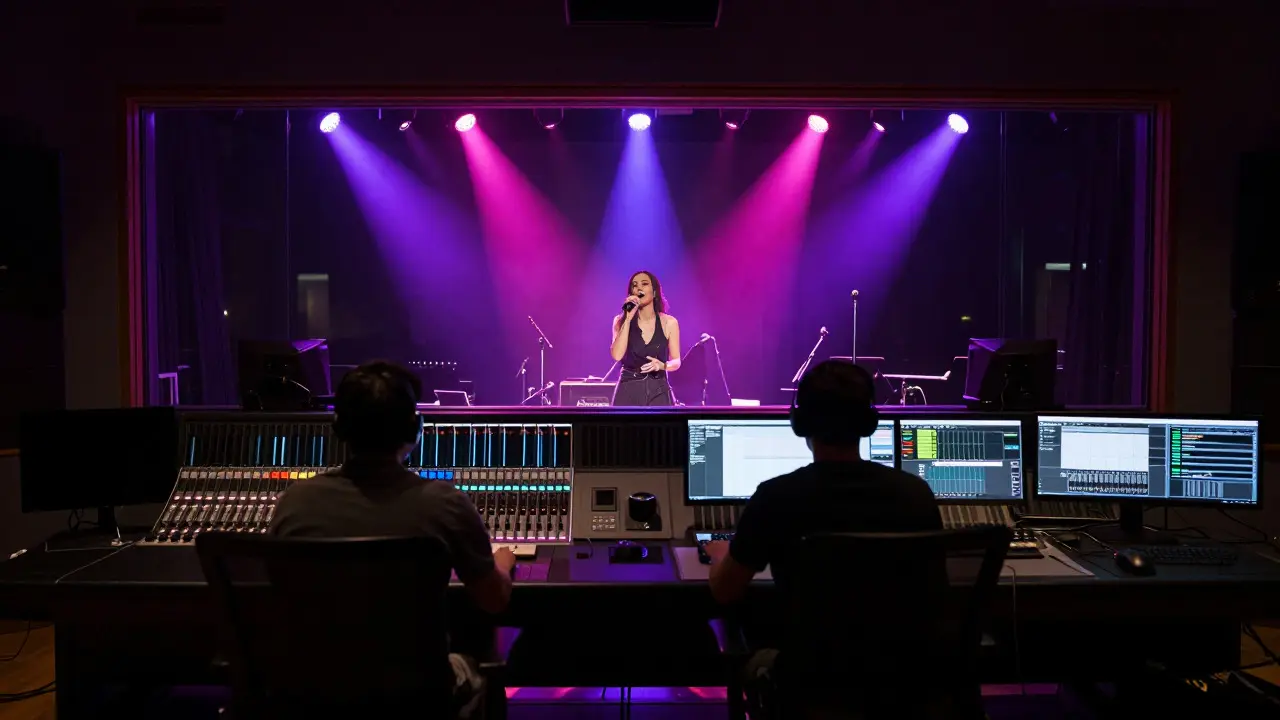
Naturally, switching producers comes with risks. One major challenge is maintaining consistency across an album. If Track 1 is produced by Vance and Track 2 by Moon, the transition can feel jarring. To mitigate this, Starr now serves as the executive producer on her own projects. She oversees the final mix to ensure that the tonal balance remains consistent. For instance, she mandates that all lead vocals are mixed to a specific loudness level, regardless of who recorded them. This small technical detail ensures that the listener doesn’t notice a sudden jump in volume or tone between songs.
Another challenge is creative friction. Not every idea lands. During the recording of Neon Echoes, Thorne initially proposed a heavy metal guitar riff for the bridge of the title track. Starr loved the energy but felt it clashed with the synth-heavy intro. They compromised by using a distorted synth bass instead, which kept the weight of the riff but matched the timbre of the rest of the song. These moments of negotiation are where the true chemistry happens. It’s not about one person dominating; it’s about finding the middle ground that serves the song best.
Frequently Asked Questions
Who is the main producer of Alli Starr’s latest album?
The primary producer for Neon Echoes (2025) is Jules Thorne. However, Kaya Moon contributed to the drum programming on two tracks, and Leo Vance handled the final mastering for consistency.
What defines Alli Starr’s signature sound?
Her signature sound is defined by bright, clear vocal harmonies combined with evolving instrumental textures. While the production style shifts from lo-fi to analog to futuristic, the vocal presence remains the constant anchor.
How does Alli Starr collaborate with multiple producers on one project?
She acts as the executive producer, overseeing the final mix to ensure tonal consistency. She sets specific guidelines for vocal levels and frequency balances so that different production styles blend seamlessly.
Which producer introduced analog elements to her music?
Leo Vance introduced analog warmth and tape saturation during the 2021-2023 period, moving her sound away from pure digital production toward a more organic feel.
Is Alli Starr still producing her own music?
Yes, she continues to produce demos and initial concepts herself. However, for final releases, she typically partners with specialized producers to refine the sound and add professional polish.