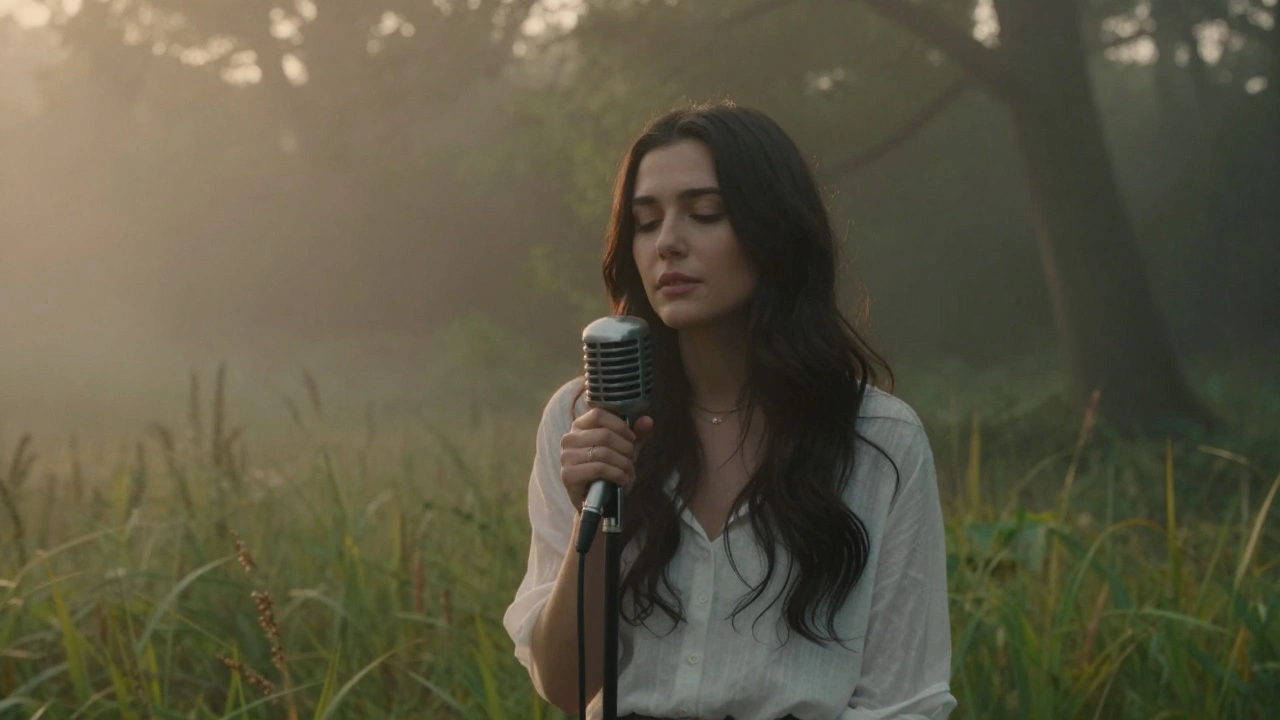
When Alli Starr is an independent singer-songwriter known for blending soulful vocals with introspective lyrics and atmospheric production, she doesn't just release songs. She builds worlds around them. Her latest approach to sharing new music relies heavily on what the industry calls visual companion pieces. These aren't full-blown narrative music videos with actors and scripts. They are intimate, often lo-fi visuals that serve as a direct extension of the song's emotional core.
In a landscape where attention spans are shorter than ever, Starr has found a way to make listeners stop scrolling. By pairing her new tracks with carefully curated visual experiences, she creates a deeper connection with her audience before they even hit play. This strategy isn't just about aesthetics; it's about storytelling efficiency. You get the vibe, the mood, and the message in seconds, not minutes.
The Philosophy Behind Visual Companion Pieces
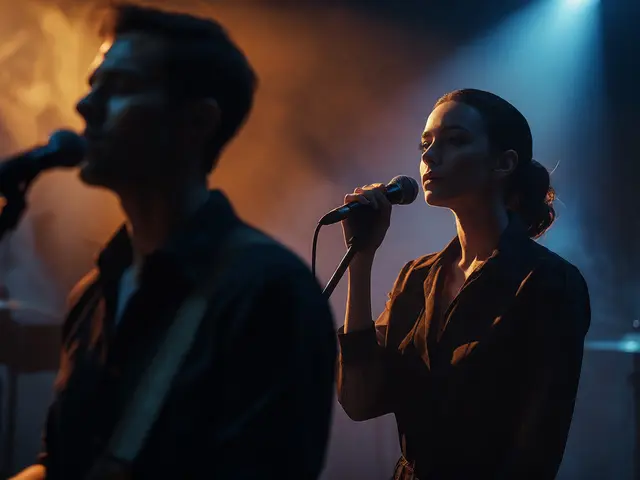
A visual companion piece is a short-form video content created specifically to accompany a musical track, focusing on mood, atmosphere, or abstract imagery rather than a linear narrative. Unlike traditional music videos, which can cost thousands of dollars to produce and require weeks of planning, these companions are often shot quickly, sometimes even on a smartphone. The goal is authenticity over polish.
For an artist like Starr, this format makes perfect sense. It allows her to maintain control over the visual representation of her work without needing a large budget or a film crew. It also aligns perfectly with how people consume content today. Platforms like Instagram Reels, TikTok, and YouTube Shorts favor vertical, quick-hitting content. A visual companion piece fits right into these feeds, acting as a gateway drug to the full song.
Think of it this way: if the song is the meal, the visual companion is the aroma that hits you when the kitchen door opens. It sets the expectation. It tells you whether you're about to taste something spicy, sweet, or bitter. Starr uses these visuals to prime the listener's brain for the emotional journey ahead.
How Starr Plans to Execute Her Vision
Starr’s plans for her upcoming tracks reveal a deliberate shift in her creative workflow. Instead of writing the song first and then thinking about visuals later, she is now conceptualizing both simultaneously. This means the visual idea influences the lyrical choices, and vice versa. It’s a symbiotic relationship between audio and image.
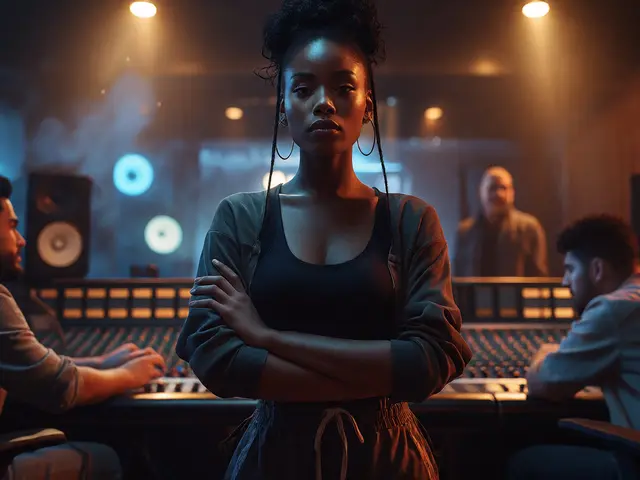
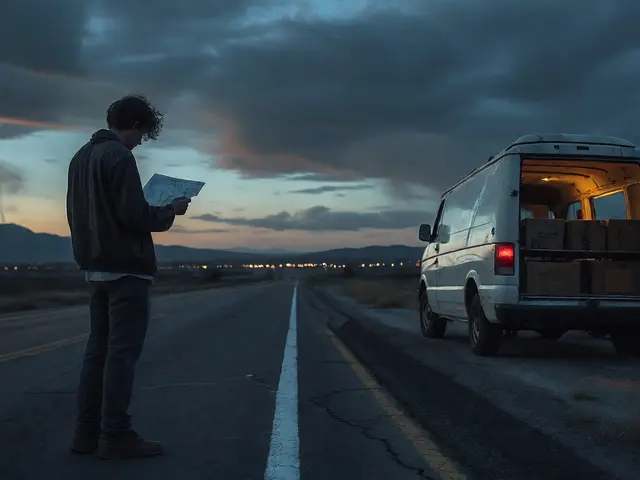
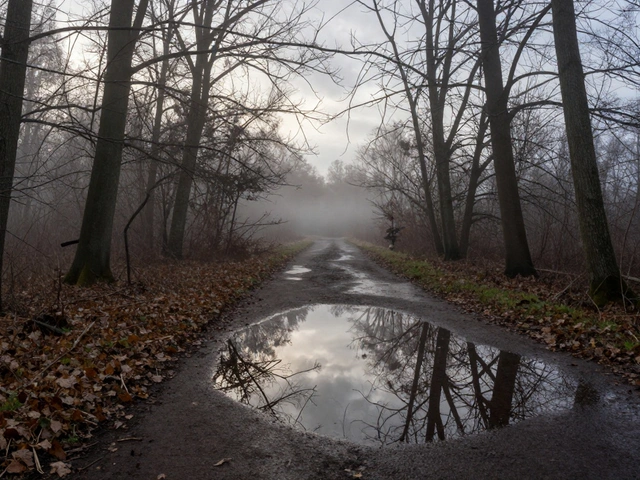
- Location Scouting as Inspiration: Starr often visits specific locations-abandoned warehouses, quiet forests at dawn, or bustling city streets at night-to find the visual anchor for a track. The environment dictates the color palette and lighting of the final piece.
- DIY Aesthetic: She prefers shooting herself or working with a single videographer friend. This keeps the dynamic informal and allows for spontaneous moments that feel genuine rather than staged.
- Abstract Imagery: Rather than lip-syncing to the camera, Starr uses metaphors. If a song is about heartbreak, she might film melting ice cubes or rain hitting a windowpane. The visual doesn't tell the story directly; it evokes the feeling.
This method reduces the pressure to be "perfect." In fact, imperfections are often embraced. Grainy footage, shaky hands, and natural light leaks add texture to the piece, making it feel more human and relatable. It’s a rejection of the overly produced, glossy look that dominates mainstream pop culture.
The Role of Social Media Algorithms
You can’t talk about visual companion pieces without addressing the algorithm. Platforms prioritize content that keeps users engaged. Short, visually striking videos that loop seamlessly or evoke strong emotions tend to perform better. Starr understands this game. She designs her companions to be shareable.
By posting these pieces across multiple platforms, she casts a wider net. A user might stumble upon her visual companion on TikTok because the aesthetic caught their eye. They listen to the snippet, get hooked by the melody, and then click through to Spotify or Apple Music to hear the full track. This funnel-from social media discovery to streaming service consumption-is crucial for independent artists who don’t have major label marketing budgets.
Moreover, algorithms love consistency. By releasing visual companions regularly alongside new tracks, Starr signals to the platform that she is an active creator. This boosts her visibility in followers' feeds. It’s not just about one viral hit; it’s about building a steady stream of engagement that grows over time.

Comparing Visual Companions to Traditional Music Videos
| Feature | Visual Companion Piece | Traditional Music Video |
|---|---|---|
| Budget | Low ($0 - $500) | High ($1,000 - $50,000+) |
| Production Time | Hours to Days | Weeks to Months |
| Narrative Style | Abstract, Mood-based | Linear, Story-driven |
| Primary Platform | Social Media (TikTok, IG) | YouTube, TV |
| Artist Control | High (DIY friendly) | Lower (Requires team) |
| Goal | Engagement & Discovery | Brand Building & Prestige |
The table above highlights why Starr chooses companions for her current phase. She values agility and connection over prestige. While a traditional music video might earn her respect from industry peers, a visual companion piece earns her loyalty from fans. It feels more personal, like she’s inviting you into her headspace rather than presenting a polished product.
Technical Simplicity Meets Creative Depth
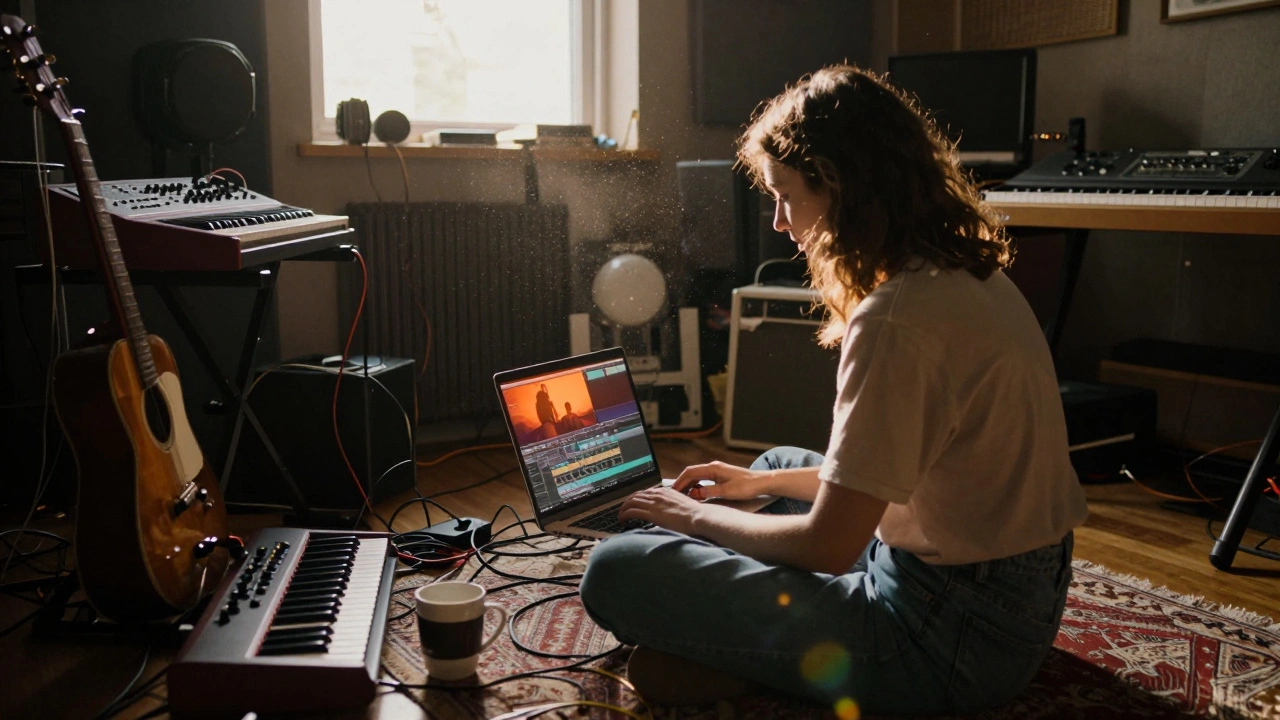
One of the biggest misconceptions about visual companion pieces is that they require little technical skill. That’s false. Capturing compelling imagery with limited resources requires a keen eye for composition, lighting, and timing. Starr spends hours editing her clips to match the beat of the song perfectly. Syncing visual cuts to audio transients creates a satisfying rhythm that viewers subconsciously enjoy.
She also experiments with color grading. Even if the raw footage is simple, applying a specific color filter can completely change the emotional tone. Warm oranges might suggest nostalgia, while cool blues could imply sadness or distance. These subtle adjustments guide the viewer’s interpretation of the song without saying a word.
Furthermore, sound design plays a role. Sometimes, the ambient noise recorded during the shoot-birds chirping, traffic humming, wind blowing-is layered into the final mix. This blurs the line between the visual and the audio, creating a cohesive sensory experience. It’s a small detail, but it adds a layer of immersion that generic stock footage can never achieve.
Fan Engagement and Community Building
Visual companion pieces are interactive by nature. Starr often includes call-to-actions in her captions, asking fans what they see in the video or how it makes them feel. This sparks conversations in the comments section. People start sharing their own interpretations, photos, or stories related to the song’s theme.
This interaction transforms passive listeners into active participants. When a fan feels heard and seen by the artist, they become advocates. They share the content with friends, write reviews, and attend shows. For an independent artist, community is currency. Every comment, share, and save counts toward algorithmic success and long-term career sustainability.
Starr also uses these pieces to tease unreleased material. A fifteen-second clip of a chorus paired with a moody visual can generate hype days before the official drop. It creates anticipation and rewards loyal followers with early access to the artistic vision. It’s a powerful tool for managing release cycles and maintaining momentum between albums.
Challenges and Pitfalls to Avoid
While effective, this strategy isn't without risks. One common pitfall is inconsistency. If the visual style changes drastically with every track, fans may struggle to recognize the brand. Starr maintains a consistent aesthetic-often muted tones, natural light, and slow-motion shots-to ensure her content is instantly recognizable.
Another challenge is balancing quantity with quality. Posting too frequently can lead to burnout or diluted content. Starr aims for a sustainable pace, perhaps one visual companion per new single. This ensures each piece receives enough attention and effort to stand out. Quality always trumps quantity in the long run.
Finally, there’s the risk of being misunderstood. Abstract visuals can be open to interpretation, which is great for art but tricky for marketing. If the visual doesn't clearly convey the genre or mood of the song, potential listeners might scroll past. Starr mitigates this by ensuring the thumbnail and first three seconds of the video are visually arresting and contextually clear.
Future Directions for Independent Artists
Starr’s approach offers a blueprint for other musicians navigating the digital age. As budgets tighten and attention fragments, the ability to create compelling, low-cost visual content becomes a critical skill. It’s no longer optional; it’s essential.
We might see more artists adopting hybrid models, combining short-form companions with occasional high-budget projects for milestone releases. This balances day-to-day engagement with periodic spectacle. It keeps the audience fed daily while saving the big surprises for special occasions.
Additionally, technology will continue to lower barriers. AI tools for editing, color correction, and even generating abstract backgrounds are becoming more accessible. Artists like Starr can leverage these tools to enhance their vision without needing a degree in film production. The future of music promotion is collaborative, creative, and increasingly visual.
What exactly is a visual companion piece?
A visual companion piece is a short video created to accompany a song, focusing on mood and atmosphere rather than a strict narrative. It serves as a visual teaser or enhancement for the audio track.
Why does Alli Starr prefer visual companions over traditional music videos?
Starr prefers them because they are cost-effective, faster to produce, and allow for greater artistic control. They also align better with social media algorithms, helping her reach a wider audience organically.
Can I create visual companion pieces with just my phone?
Yes, absolutely. Many successful companions are shot on smartphones. The key is good lighting, stable framing, and thoughtful editing to match the song's rhythm and mood.
How do visual companion pieces help with music discovery?
They capture attention quickly on social media feeds. Users who are drawn to the visual are more likely to listen to the audio snippet, leading them to stream the full song on platforms like Spotify.
Is it necessary to hire a professional videographer for these?
No. While professionals can elevate production value, many artists shoot their own companions to maintain authenticity and reduce costs. DIY approaches often resonate more with audiences seeking genuine connection.