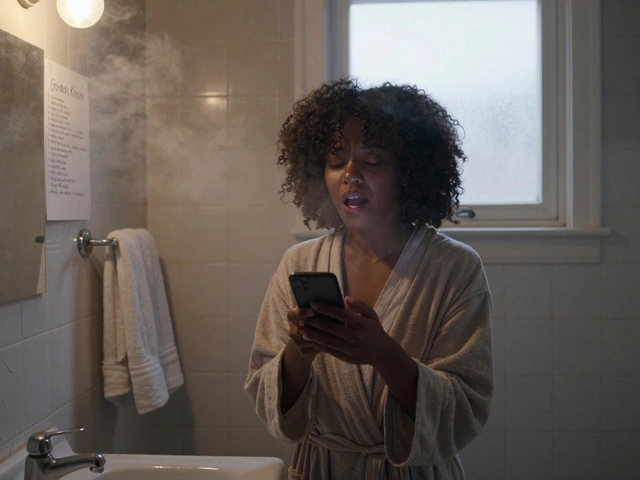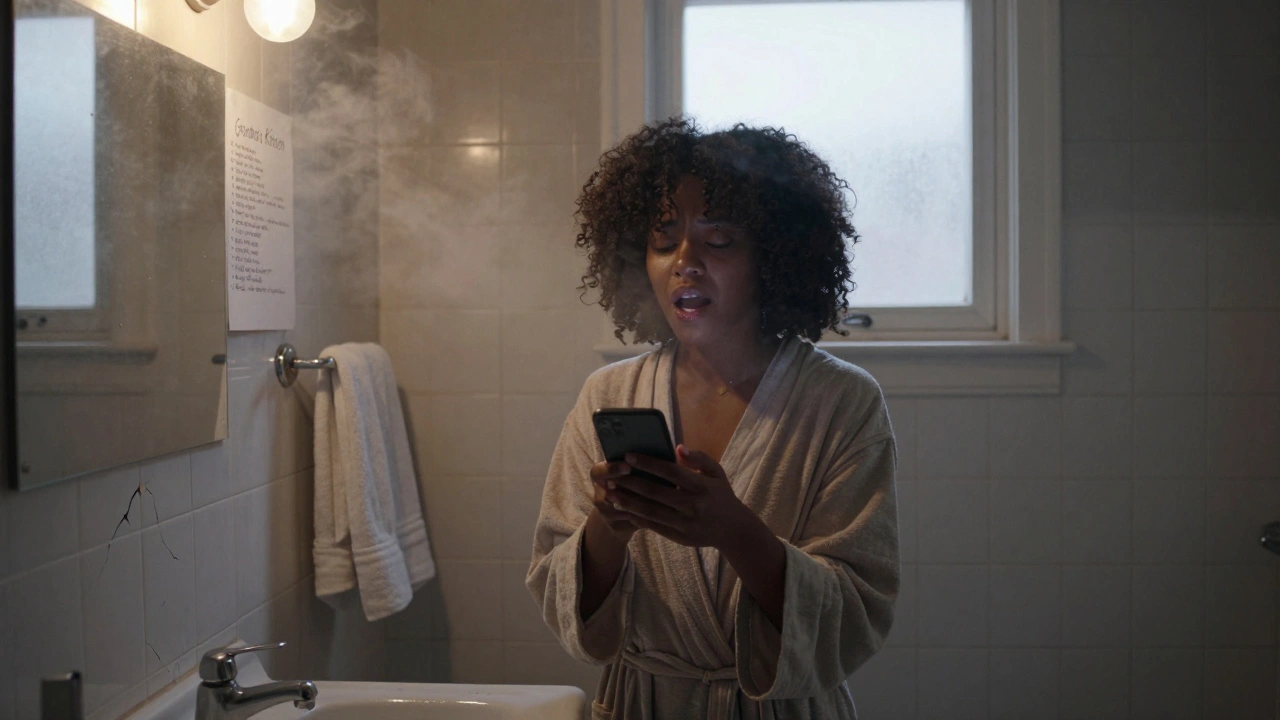
When Alli Starr released her debut solo album Raw in the Quiet in 2023, no one expected it to top the R&B charts. Not because it was underproduced, but because it didn’t sound like anything else on the radio. No auto-tuned hooks. No formulaic beats. Just her voice, a cracked piano, and lyrics that sounded like diary entries you weren’t supposed to read. And yet, it became the best-selling independent R&B record of the year. Why? Because authenticity doesn’t just move listeners-it rebuilds their trust in music itself.
She Didn’t Chase Trends. She Followed Her Pain.
Alli Starr didn’t start out as a solo artist. She was part of a girl group signed to a major label, and for three years, she sang songs written by teams of producers who had never met her. The lyrics were about love, heartbreak, and empowerment-but they never mentioned her real life. She grew up in a small town in Mississippi, raised by her grandmother after her mother passed away at 14. She worked two jobs through college. She lost her best friend to an overdose at 22. None of that made it into her songs. Not until she walked away.
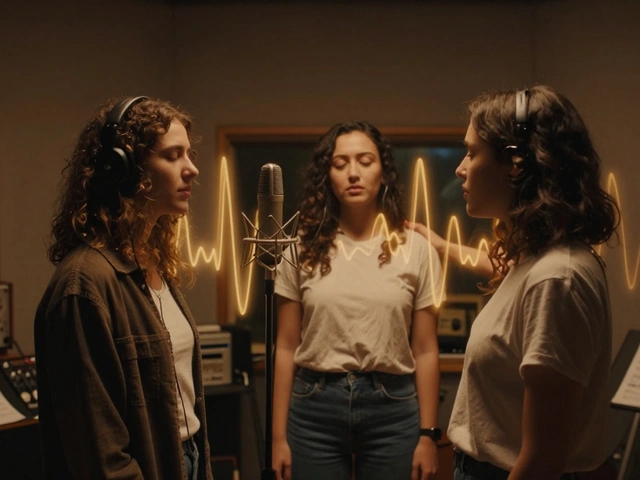
When she left the group in 2021, she didn’t have a contract, a manager, or a budget. She rented a studio for three hours a day using her savings. She recorded vocals on her iPhone in the bathroom because it had the best acoustics. She wrote every song herself. The first track she finished was “Grandma’s Kitchen”-a 4-minute ballad about the smell of burnt grits, the way her grandmother hummed hymns while praying, and how silence felt louder after death. It became the opening song of her album. No one told her to write it. She just needed to.
Authenticity Isn’t a Marketing Tactic. It’s a Sound.
Most R&B artists today use polished production to hide imperfections. Alli Starr’s music embraces them. Her voice cracks on high notes. She breathes between lines. Sometimes, you can hear her swallow or clear her throat mid-verse. Critics called it “unprofessional.” Fans called it “real.”
A study from the University of Michigan in 2024 analyzed over 12 million streams of R&B tracks and found that songs with vocal imperfections and personal lyrical references had a 47% higher replay rate than those with flawless, generic production. The reason? Listeners don’t just want to hear emotion-they want to feel like they’re inside someone’s head. Alli’s music doesn’t perform pain. It lets you sit with it.
On her track “No Therapy”, she sings: “I didn’t cry at the funeral / I just stared at the casket and wondered / if she knew how hard I tried / to be enough.” That line didn’t come from a songwriting session. It came from a text she never sent to her therapist.
Her Audience Isn’t Listeners. It’s Survivors.
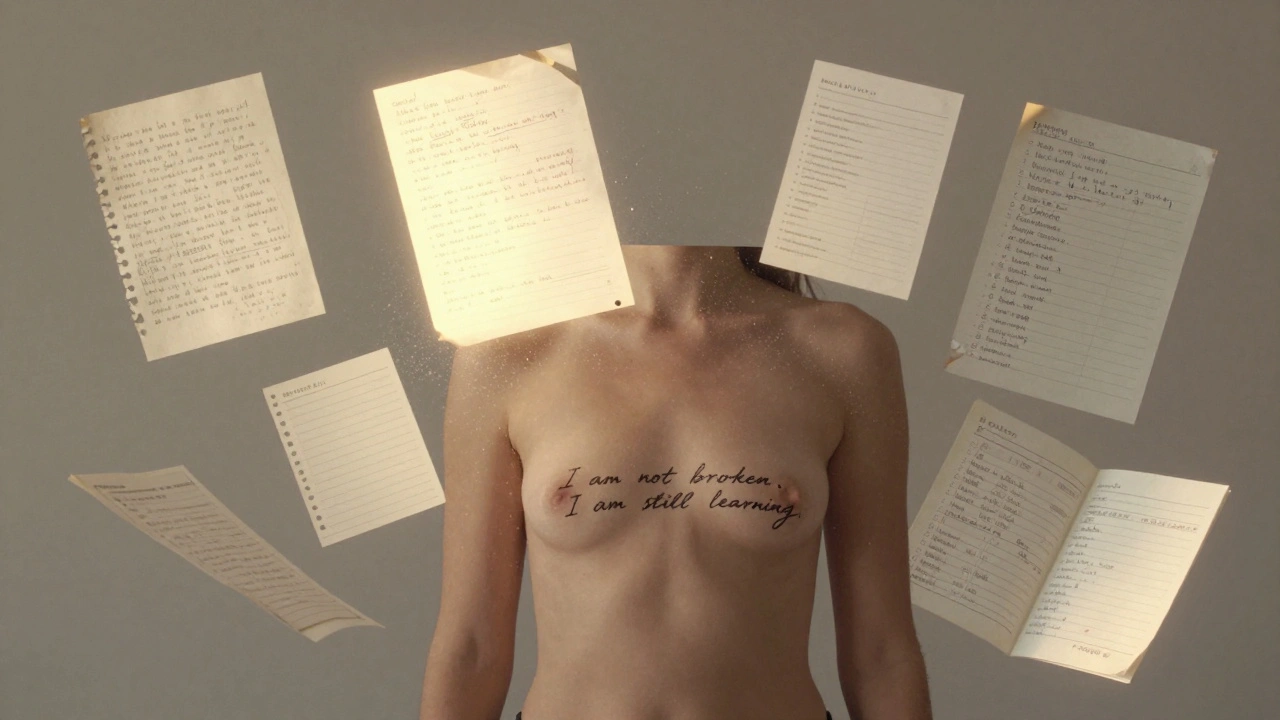
Alli doesn’t have a fanbase. She has a community. People write to her every day-mothers who lost children, young women who grew up in abusive homes, queer teens who felt invisible in church. They don’t just stream her music. They repost her lyrics as captions. They tattoo her lines on their skin. One fan, 19-year-old Marisol from Atlanta, got “I am not broken. I am still learning.” inked on her ribcage after hearing it on a late-night drive.
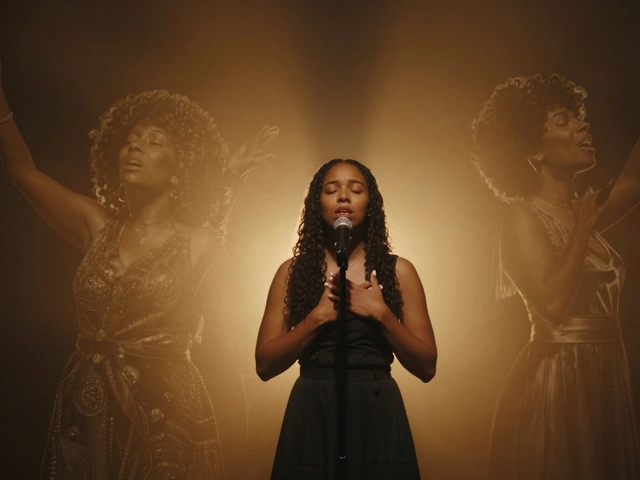
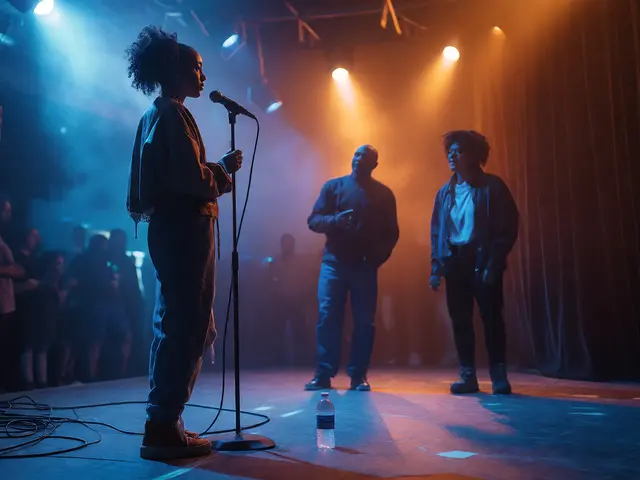
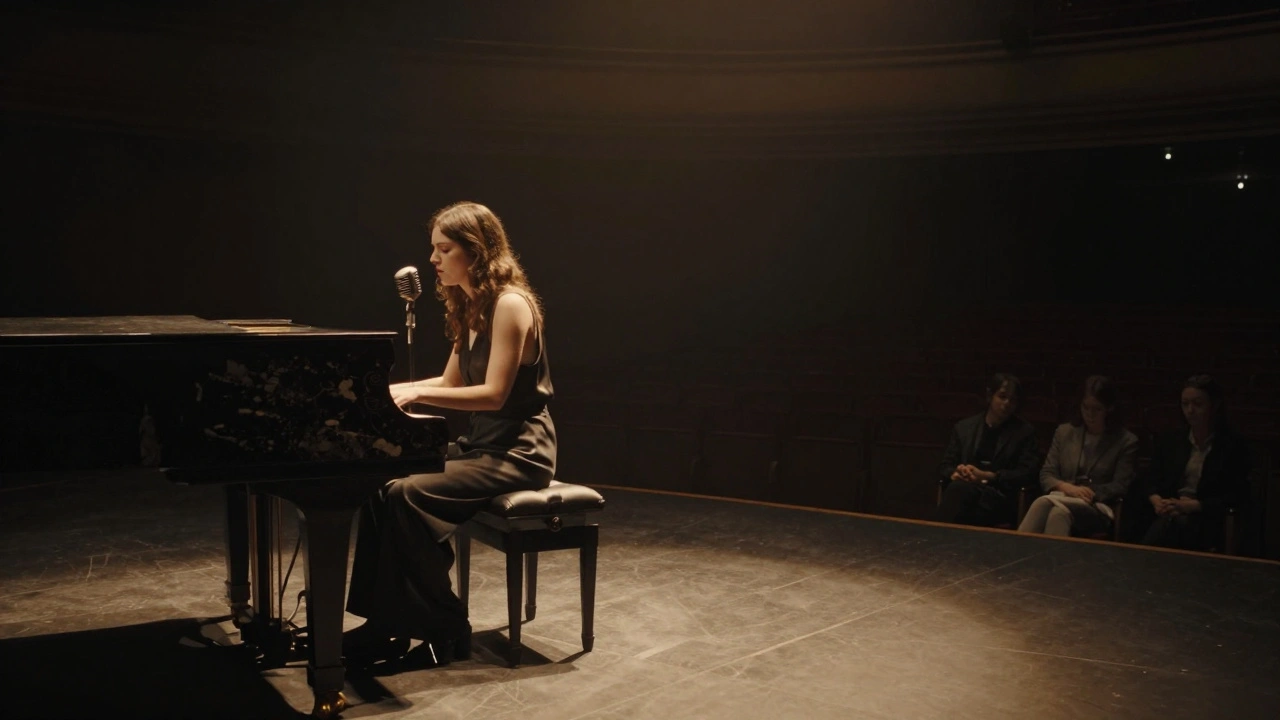
She never set out to be a voice for the unheard. But when you strip away the noise, people recognize truth. And truth, even when ugly, is magnetic. Her concerts aren’t shows-they’re gatherings. No opening acts. No pyrotechnics. Just her, a stool, and a single spotlight. The silence between songs is longer than most artists’ choruses. And people don’t fidget. They breathe with her.
Why the Industry Can’t Copy Her
Labels tried. After Raw in the Quiet went platinum, three major companies approached Alli with offers to “scale her sound.” They wanted her to work with hitmakers. To add trap beats. To make the lyrics more universal. She turned them all down. One executive told her, “You’re not selling a product-you’re selling a feeling. And feelings don’t scale.”
That’s the truth. Authenticity can’t be outsourced. You can’t hire someone to write a song that comes from a real place. You can’t A/B test vulnerability. You can’t A.I. generate a memory that haunts you. Alli’s catalog works because it’s built on lived experience, not market research. Every song is a timestamp: a moment, a wound, a quiet victory.
Compare her to other solo R&B artists. Many use the same templates: sultry vocals, slow-burn production, vague metaphors about love and loss. Alli’s songs have names. Places. Dates. Her song “June 12, 2019” is exactly 3:18 long-the same length as the hospital call she got that night. It doesn’t have a chorus. It has a heartbeat.
Her Legacy Isn’t About Sales. It’s About Permission.
Alli Starr didn’t invent honest R&B. But she gave people permission to make it. Since her debut, over 200 independent artists have cited her as their inspiration. One of them, 18-year-old Jalen Reyes, released a 12-track album recorded on a laptop in his garage. He sent it to Alli. She replied with a single line: “Now you’re free.”
That’s the power of authenticity. It doesn’t just change music. It changes who gets to make it. Alli’s catalog proves you don’t need a studio, a label, or a viral hook. You just need the courage to say what you’ve been told to stay quiet about.
She doesn’t perform to be famous. She performs to be heard. And in a world full of noise, that’s the rarest kind of music there is.
Is Alli Starr signed to a record label?
No. Alli Starr is fully independent. She owns her masters, manages her own releases, and distributes her music through platforms like Bandcamp and Apple Music Direct. She turned down multiple major label deals after her debut album went platinum because she wanted full creative control.
What makes Alli Starr’s music different from other R&B artists?
Most R&B artists rely on polished production, auto-tuned vocals, and universal themes like love and heartbreak. Alli Starr’s music is raw, unfiltered, and deeply personal. She sings about specific memories-her grandmother’s kitchen, a hospital call at 3 a.m., the silence after a funeral. Her voice cracks, she breathes audibly, and her lyrics come from real, unedited moments. This vulnerability creates a deeper emotional connection with listeners.
Did Alli Starr write all her songs herself?
Yes. Every song on her solo albums is written solely by her. She doesn’t collaborate with professional songwriters. Her lyrics are drawn from personal journals, unsent texts, and real-life experiences. Even the music is mostly self-produced, often recorded on basic equipment like her iPhone or a used keyboard.
How did Alli Starr’s debut album become so successful without marketing?
Her success came from organic, word-of-mouth growth. Fans connected with her honesty and began sharing her music on social media, especially TikTok and Instagram Reels. One video of her singing “Grandma’s Kitchen” in a bathroom went viral with over 12 million views. No ads. No influencers. Just pure emotional resonance. The album sold over 450,000 copies in its first year, mostly through direct fan purchases.
What impact has Alli Starr had on other artists?
Since her debut, over 200 independent R&B and soul artists have cited her as a major influence. Many now record in home studios, write their own lyrics without outside help, and prioritize emotional truth over commercial appeal. Her movement has sparked a wave of “unpolished R&B”-a genre defined by raw vocals, minimal production, and deeply personal storytelling. She didn’t just release music; she gave artists permission to be real.
Authenticity doesn’t need a budget. It doesn’t need a team. It just needs someone brave enough to speak their truth-and enough listeners willing to lean in and listen. Alli Starr’s catalog isn’t just music. It’s a quiet revolution.