
Touring has always been messy. For decades, artists chased crowds while burning fossil fuels without a second thought. But the climate crisis has changed the playbook. Sustainable International Touring is the practice of organizing live performances with minimal environmental impact through strategic planning, low-carbon transport, and responsible consumption. This isn't just about recycling backstage anymore. It is about rethinking how we move between shows.
The Scale of the Problem
You cannot fix what you do not measure. A typical international tour generates thousands of kilograms of CO2 per leg. Flying a band plus crew from New York to London burns roughly the same amount of fuel as a commercial jet crossing the Atlantic. Multiply that by five stops in Europe, three in Asia, and two in South America, and the math gets scary fast.
Carbon Footprint refers to the total greenhouse gas emissions caused directly and indirectly by an individual, organization, or activity. In touring, this includes flights, buses, venue heating, and even the food consumed. Many artists assume they are powerless against these numbers. That mindset ends when you look at the data from successful green tours. Small changes in route planning yield massive reductions in emissions.
Moving Between Cities Without Flying
Transportation makes up nearly sixty percent of a tour's environmental impact. While flying is often the default choice, high-speed rail is becoming a viable alternative for many regions. In Europe and parts of Asia, you can move entire crews overnight on trains without losing show days.
When flying is unavoidable, you must optimize every mile. Chartering private jets remains a major contributor to global warming. Commercial flights, while still carbon-intensive, offer significantly lower emissions per passenger compared to small aircraft. If the budget allows, consider bus legs for distances under three hours. The slow pace builds community with fans along the route and eliminates the stress of airport security lines.
- Avoid connecting flights whenever direct options exist.
- Pack light to reduce aircraft weight loads.
- Book economy class to maximize seat density.
- Combine tour legs to minimize backtracking.
Venue Selection and Energy Usage
The building you play inside matters almost as much as how you get there. Some venues run on renewable energy grids, while others rely entirely on coal or diesel generators. Before signing a contract, ask promoters about their utility providers. If a venue sources one hundred percent renewable electricity, that is a major win.
Venue Sustainability describes the environmental performance of performance spaces including energy efficiency, waste management, and water conservation systems. Venices equipped with LED lighting consume significantly less power than traditional halogen setups. Sound engineers who use efficient digital mixing boards help further reduce the energy draw. You might lose some nostalgia for old analog gear, but modern tech keeps temperatures manageable.
Larger arenas often lack flexibility for eco-initiatives due to structural constraints. Smaller clubs and theaters sometimes allow for custom arrangements like composting bins or banning single-use plastics in concession stands. Always request a copy of the venue's sustainability report before committing to a residency.
Waste Management On The Bus
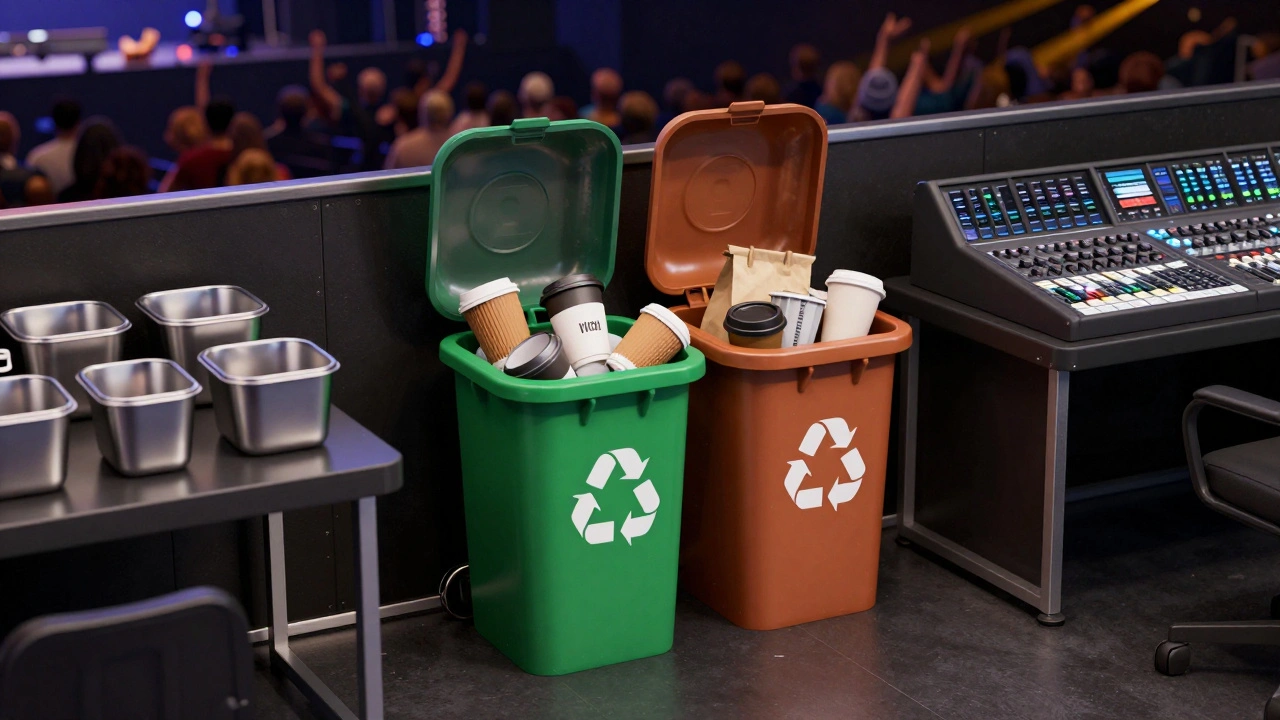
Life inside a tour vehicle generates trash constantly. Coffee cups, snack wrappers, and packaging materials add up quickly. Bringing reusable containers for catering reduces this stream significantly. Crew members need clear protocols to separate recyclables from general waste at each stop.
Zero Waste Strategy involves designing processes to eliminate all landfill-bound waste through reuse, recycling, and composting methods. Implementing this on a tour requires discipline. Every stop needs a designated person to oversee waste sorting. Landfills in foreign countries operate differently than those back home. Research disposal laws for the specific region you are visiting to avoid legal issues.
Accommodation and Local Sourcing
Hotels contribute to your footprint through water usage, laundry services, and mini-bar production. Extended stays in eco-certified accommodations can cut down unnecessary service cycles. Ask if the hotel offers linen reuse programs similar to what you see in standard rooms.
Food is another area ripe for optimization. Importing specialty ingredients into a country inflates the carbon cost. Instead, work with chefs who source meals within fifty kilometers of the venue. This supports the local economy and slashes food miles.
| Transport Mode | Approximate CO2 per Mile | Suitability |
|---|---|---|
| Economy Flight | 285 grams | Long-haul intercontinental |
| High-Speed Rail | 14 grams | Regional cross-border |
| Tour Bus | 240 grams | Domestic continental routing |
| Electric Van | 0 grams | Short distance city runs |
Looking at the data helps justify the cost. High-speed rail emits significantly less pollution than flying, though ticket prices may vary depending on the route. Electric vans remain the gold standard for short-distance support vehicles once infrastructure is available.
Merchandise and Supply Chains
Fans love souvenirs, but merchandise production creates supply chain emissions. T-shirts printed overseas ship across oceans just to be sold in Europe or North America. Local printing services at each location solve this problem efficiently. You might spend slightly more on setup, but shipping costs drop dramatically.
Circular Economy is an economic system aimed at eliminating waste and the continual use of resources through closed-loop resource flows. Applying this to merch means using durable packaging that customers can return or reuse. Digital tickets and apps also replace paper wristbands and physical passes.
Consider offering digital content instead of physical goods for certain items. Streaming passes, NFT memberships, or exclusive video content deliver value without producing plastic cards or metal tokens. The trend is shifting toward ownership experiences rather than tangible objects.
Budgeting for Sustainability
Green touring often carries a higher upfront cost. Eco-friendly hotels charge premiums. Trains require multiple tickets compared to bulk flight charters. However, these expenses come with long-term savings. Fuel prices fluctuate wildly, while electric transport offers stable operating costs.
Carbon Offset is a way to compensate for the emission of greenhouse gases by supporting projects that remove or prevent equivalent amounts of emissions elsewhere. Offsets should never be the first line of defense. They work best as a safety net after reduction efforts fail. Legitimate offset programs fund verified reforestation or renewable energy projects. Avoid vague pledges. Demand third-party verification documents from any provider.
Building Community Responsibility
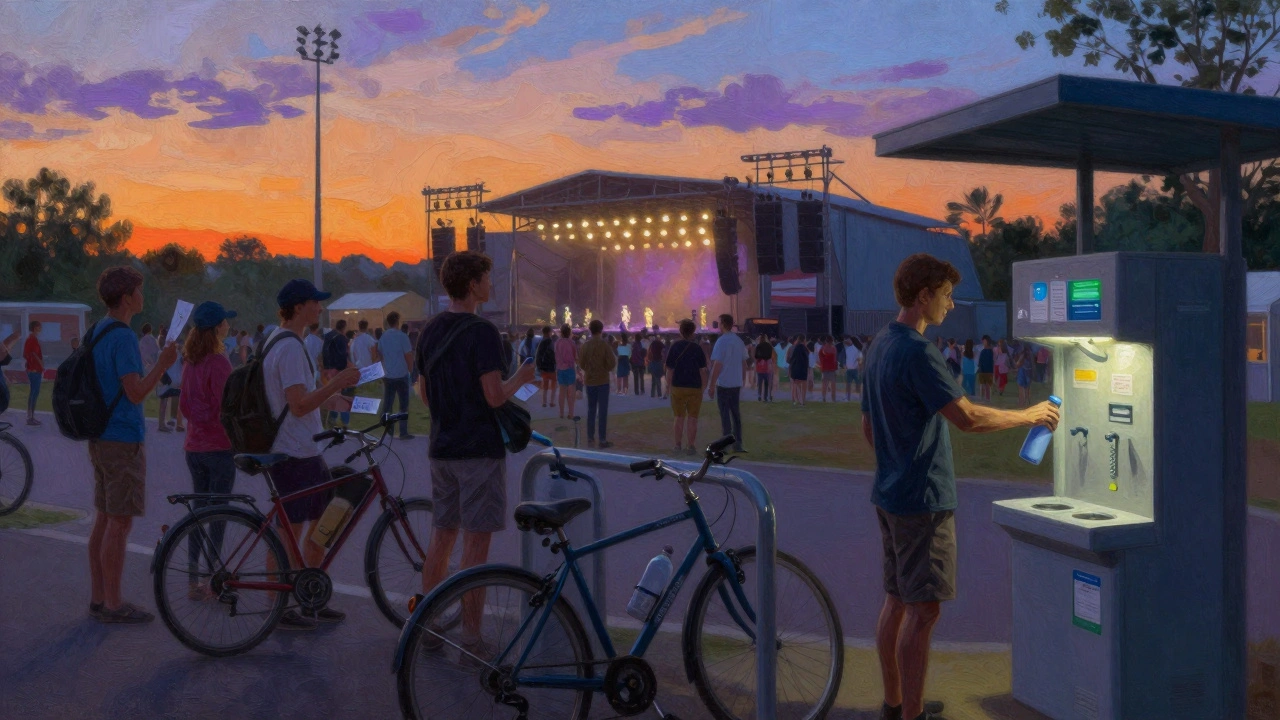
Artists hold influence over fans. When a headlining act commits to sustainability, the fanbase follows suit. Encourage audiences to arrive via public transit or bike racks set up at the venue. Provide water refill stations so people bring reusable bottles.
This approach strengthens the relationship between performer and city. Locals appreciate when touring acts respect the neighborhood environment rather than disrupting it with noise and trash. Positive feedback loops happen when communities feel the tour contributes something good.
Sharing your strategy openly invites collaboration. Other bands will adopt similar measures seeing your success. Industry-wide shifts require pioneers willing to risk the extra complexity early on.
Next Steps for Implementation
Start with an audit of your last tour. Track every expense related to travel and lodging. Identify the biggest emitters immediately. Contact your tour manager to draft a sustainability policy for the next booking cycle. Small teams can implement changes faster than large corporations because decision-making is localized.
Frequently Asked Questions
Is sustainable touring more expensive?
Initial costs are often higher due to greener transport and accommodation options. However, fuel volatility and long-term operational savings balance out budgets over several years.
Can I offset all my tour emissions?
Offsets can cover remaining emissions, but prioritization should focus on reducing travel distance and switching to rail before purchasing carbon credits.
What is the best way to handle merchandise waste?
Use local printing hubs to minimize shipping, utilize biodegradable packaging, and encourage digital alternatives where possible to eliminate physical inventory buildup.
Do fans care about eco-touring?
Market research indicates growing audience demand for ethical practices. Artists adopting sustainability often see increased brand loyalty among younger demographics.
Which transport mode has the lowest carbon footprint?
Trains, specifically high-speed rail networks in Europe and Asia, produce significantly fewer emissions than planes or diesel-powered buses.