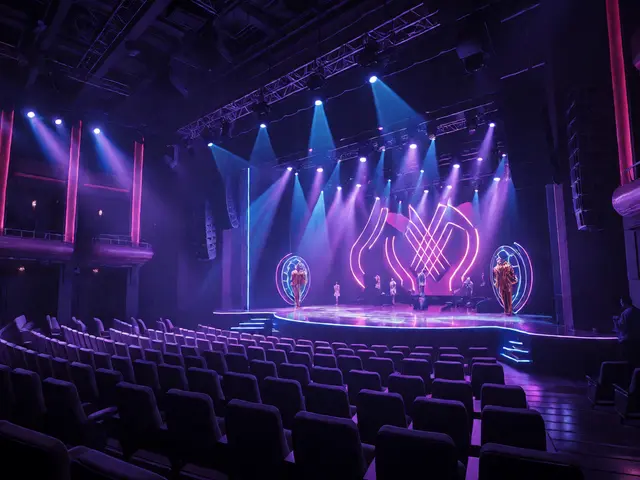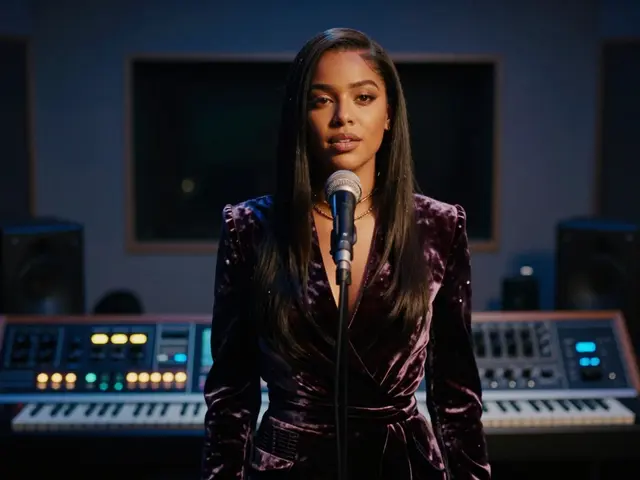
When you listen to a modern R&B track, the melody hits your ears, but the visuals hit your heart. Alli Starr is a visual artist and director whose work redefines how audiences connect with contemporary R&B music through cinematic imagery. Unlike traditional music videos that simply illustrate lyrics, Starr’s approach treats the screen as a second instrument. She uses light, texture, and movement to give songs a physical body. This isn't just about looking pretty; it's about extending the emotional lifespan of a song long after the audio fades.
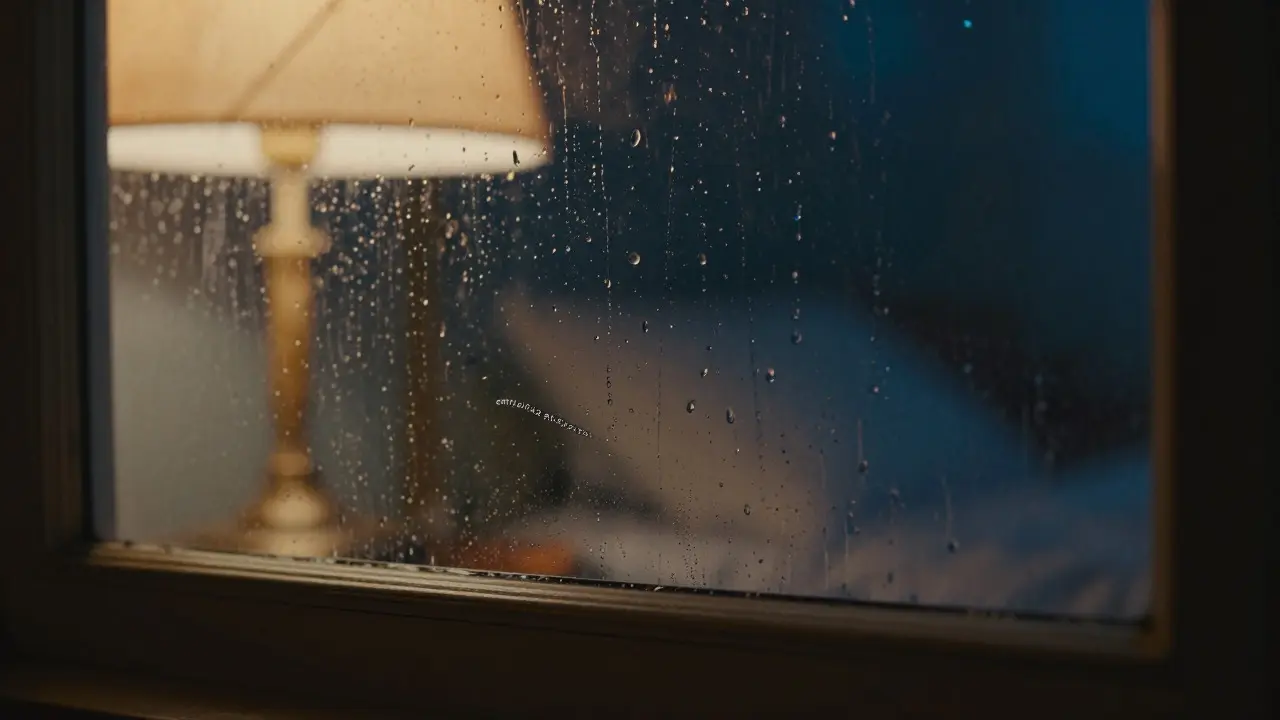
The core problem in today's music consumption is distraction. We scroll past clips on social media without truly feeling them. Starr solves this by creating what she calls "emotional anchors." These are specific visual moments designed to trigger a memory or sensation in the viewer. When paired with a vulnerable vocal performance, these anchors transform passive listening into active participation. You don't just hear the sadness in the chorus; you see it reflected in the way rain hits a window pane or the slow fade of a neon sign. This technique keeps the song alive in your mind for days, not minutes.
The Architecture of Mood: Light and Color Theory
To understand how visuals extend emotion, you have to look at how Starr manipulates light. In R&B, where nuance is everything, harsh lighting can feel aggressive. Starr prefers soft, diffused sources that mimic natural human interaction. Think of the glow of a bedside lamp or the sun setting through sheer curtains. This creates an intimate atmosphere that invites the viewer closer to the subject.
- Warm Tones: Used for memories and nostalgia. Amber and gold hues suggest safety and comfort, often appearing in verses that reflect on past relationships.
- Cool Blues: Reserved for isolation and introspection. Deep indigos and cyans create distance, mirroring the emotional gap between characters in a song.
- High Contrast: Employed during climaxes. The sharp difference between light and shadow mirrors the internal conflict of the lyrics.
This isn't random decoration. It's a language. If a singer expresses longing, the color palette shifts to cooler tones. If they find resolution, warmth floods the frame. This synchronization ensures the visual narrative never contradicts the audio, instead amplifying it. For fans who watch these videos on repeat, this consistency builds a deeper cognitive link between the image and the feeling.
Movement as Metaphor: Choreography Without Dancers
You might expect dance sequences in R&B videos, but Starr often strips away explicit choreography. Instead, she focuses on micro-movements. A hand trembling slightly while holding a glass. The sway of hair in a breeze that doesn't seem strong enough to cause it. These subtle actions convey tension better than full-body dance routines ever could.
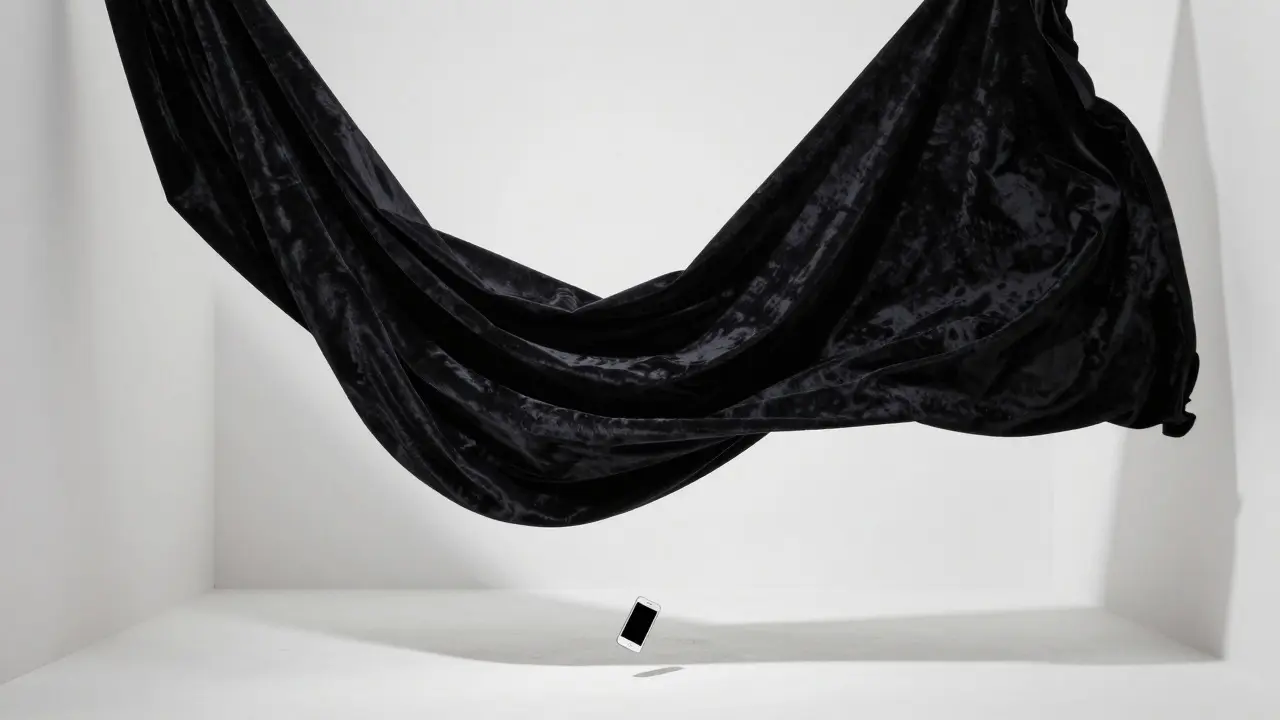
Consider the concept of "weight." In many of her projects, objects behave with exaggerated gravity. A door closes slowly, taking ten seconds instead of two. A phone falls and bounces once before stopping dead. This manipulation of time and physics externalizes the internal state of the character. When a song feels heavy, the visuals feel heavy too. The audience subconsciously accepts this weight because their eyes are tracking the slow, deliberate motion. It forces the viewer to slow down their breathing, aligning their physiological response with the tempo of the track.
| Technique | Visual Element | Emotional Trigger | R&B Context |
|---|---|---|---|
| Lighting Shift | Transition from warm amber to cool blue | Nostalgia turning into regret | Bridge sections of ballads |
| Micro-Motion | Trembling hands or slow blinks | Anxiety and vulnerability | Intimate verse performances |
| Texture Focus | Close-ups of fabric or skin | Sensory intimacy | Sensual or romantic tracks |
| Temporal Stretch | Slow-motion falling objects | Weight of consequence | Climactic choruses |
Texture and Tangibility: Making Sound Feelable
Sound is invisible. How do you make a listener *feel* a sound? By giving it texture. Starr frequently uses close-up shots of materials that resonate with the sonic quality of the song. If the production features crisp, high-frequency percussion, the camera might focus on the sharp edge of a glass shattering or the snap of a dry twig. If the bass is deep and rumbling, the visuals might show thick velvet drapes moving in unison or water rippling in slow circles.
This sensory cross-wiring is crucial for digital consumption. On a smartphone screen, where audio quality varies, visual texture provides a consistent baseline for emotional engagement. Even if the headphones are cheap, the tactile quality of the image remains intact. This makes the art accessible across different devices and environments. It turns a low-fidelity audio experience into a high-fidelity emotional one.
The Role of Negative Space in Narrative
In photography and film, negative space is the empty area around the subject. Many directors fear emptiness, filling every corner with props or background activity. Starr does the opposite. She leaves large portions of the frame blank. A figure might stand in the center of a vast, white room. Or a face might be framed by nothing but a solid wall of color.
Why? Because emptiness invites projection. When the background is neutral, the viewer's mind fills the void with their own experiences. This personalization is key to extending the song's life. One fan sees their ex-lover in the empty chair; another sees their own loneliness. The visual doesn't dictate the meaning; it opens a door for the viewer to walk in. This ambiguity prevents the video from becoming stale. You can watch the same clip fifty times and find new layers each time because the canvas is partially yours to paint.

Integration with Digital Platforms
Visual storytelling doesn't end when the video file stops playing. Starr designs her visuals with platform-specific constraints in mind. For short-form content like TikTok or Instagram Reels, she identifies "clip-able" moments. These are three-to-five-second bursts of high emotional density that stand alone without context. A single tear rolling down a cheek in perfect sync with a vocal break. A sudden shift in lighting that matches a beat drop.
These fragments circulate independently, acting as advertisements for the full experience. They hook the viewer with a quick emotional spike, prompting them to seek out the full song and video. This strategy extends the song's reach beyond its initial release window. While the audio trend might fade in weeks, the visual fragment continues to resurface in feeds, keeping the emotional association fresh. It creates a loop where the visual reminds you of the song, and the song reinforces the visual memory.
Building a Lasting Emotional Archive
Ultimately, the goal of this visual approach is to build an archive of feelings. Music is ephemeral; it exists only in the moment of playback. But images persist. They become part of your mental library. When you encounter a similar color palette or composition later, your brain retrieves the associated emotion. This is the true extension of the song's life. It moves from being a temporary auditory event to a permanent visual-emotional reference point.
For artists working in R&B, this partnership with visual directors like Starr is no longer optional. It's essential. The genre relies heavily on mood and atmosphere, and visuals are the most direct way to communicate those elements to a distracted audience. By treating the video as an equal partner to the audio, we ensure that the emotional impact isn't lost in translation. It stays with us, vivid and tangible, long after the last note fades into silence.
What makes Alli Starr's visual style unique in R&B?
Starr focuses on micro-movements and negative space rather than elaborate choreography or busy backgrounds. Her use of light and texture is synchronized precisely with the sonic qualities of the music, creating a unified sensory experience that emphasizes intimacy over spectacle.
How do visuals help a song stay relevant longer?
Visuals create "emotional anchors" that viewers associate with specific memories. Because images are persistent and can be revisited easily on social media, they serve as constant reminders of the song's emotional core. This keeps the track top-of-mind even when the audio isn't actively playing.
Why is negative space important in music videos?
Negative space allows viewers to project their own experiences onto the image. By leaving parts of the frame empty, the director avoids dictating a single interpretation. This personalization makes the content more relatable and encourages repeated viewing as audiences discover new meanings.
Can visual techniques improve audio perception on mobile devices?
Yes. Since smartphone speakers often lack depth, visual textures (like close-ups of fabrics or liquids) provide a tactile substitute for rich audio frequencies. This sensory cross-wiring ensures the emotional impact remains strong regardless of the device's hardware limitations.
How do short-form clips extend a song's lifecycle?
Short, high-density visual fragments circulate on platforms like TikTok and Instagram independently of the full video. These clips act as hooks that trigger curiosity, driving users back to the full song. This continuous resurfacing keeps the emotional association active in the public consciousness for months.