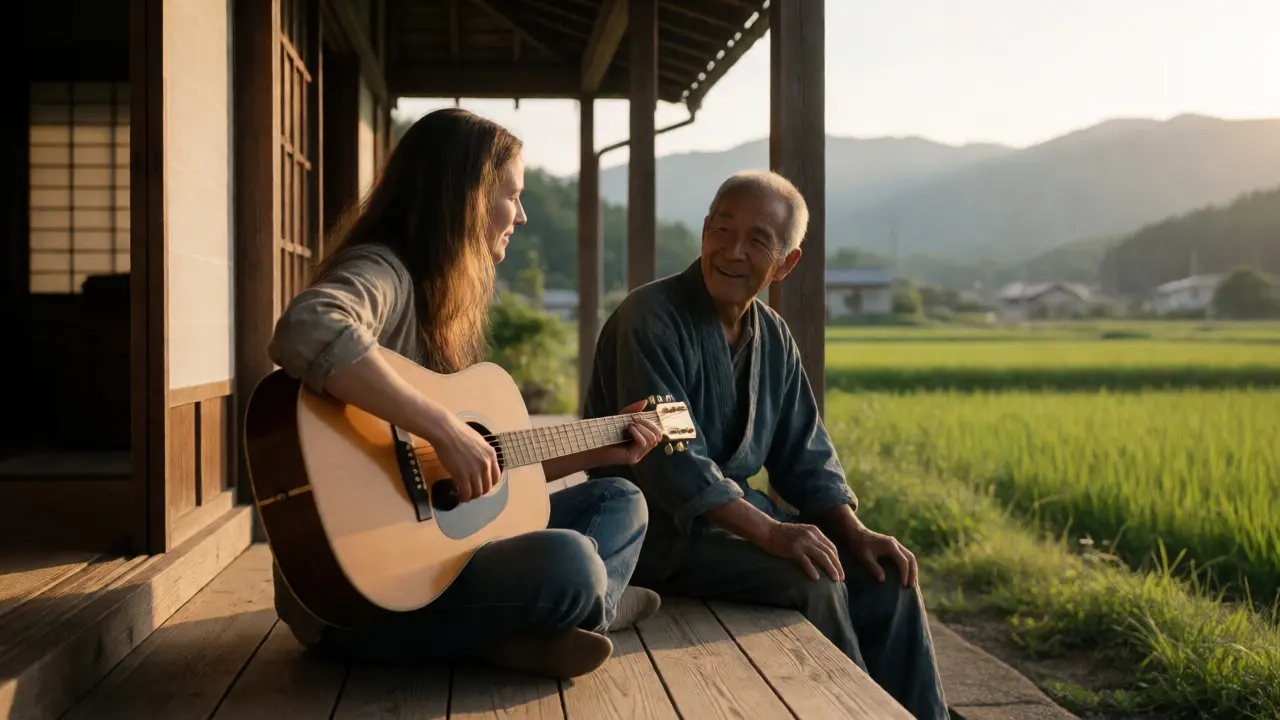
Imagine packing your bags for a two-week vacation and deciding to stay for five years. That’s exactly what happened to Alli Starr, an American musician who landed in Fukushima Prefecture not as a tourist, but as a witness to resilience. You might think the nuclear disaster of 2011 defined this region forever. But if you talk to the locals today, you’ll hear a different story-one where music is becoming the bridge back to normalcy. Alli didn’t just observe; she joined in. Her journey highlights how art isn’t just entertainment; it’s a vital tool for rebuilding trust and spirit in communities scarred by trauma.
The Decision to Stay When Others Left
Most visitors to post-disaster zones leave with photos and good intentions. Alli stayed with instruments and open ears. Why? Because she noticed something critical: the physical infrastructure was being rebuilt, but the emotional infrastructure was crumbling. People were isolated. The stigma of radiation fear kept neighbors apart more than the actual contamination levels did. By choosing to live in Minamisoma City, one of the hardest-hit areas, Alli signaled that life could return here. She wasn’t there to save anyone. She was there to play alongside them. This distinction matters. It shifts the dynamic from charity to partnership. When you sit on a porch in rural Japan and play guitar with an elderly farmer who hasn’t smiled in months, you’re doing more than performing. You’re validating his existence.
Music as a Non-Verbal Language of Trust
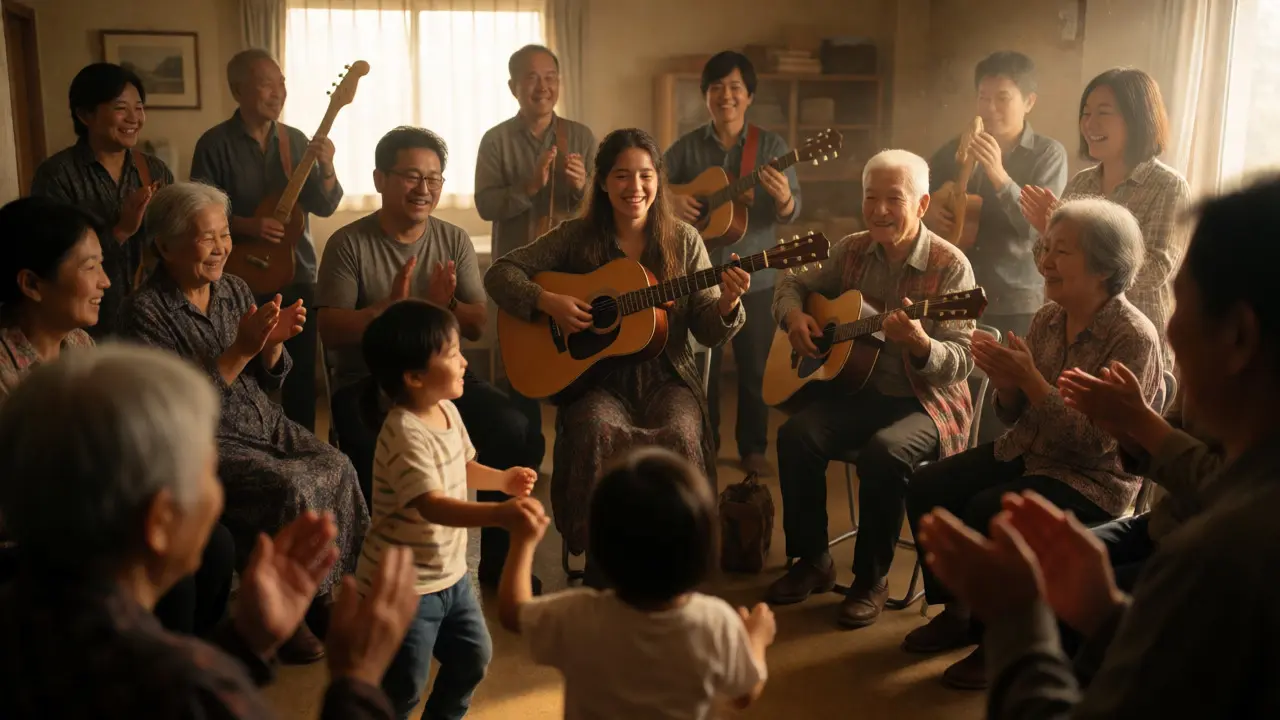
Language barriers can be intimidating, especially when dealing with complex topics like radiation safety and displacement. Alli found that melodies bypassed these hurdles instantly. A chord progression doesn’t need translation. It evokes feeling directly. In her early days, she organized small jam sessions in community centers that had been converted into temporary housing units. These weren’t concerts. They were gatherings. Children who were afraid to go outside because their parents worried about air quality started dancing. Elders who felt forgotten remembered songs from their youth. This process aligns with principles of music therapy, which uses musical interventions to address cognitive, social, and emotional needs. Alli applied this intuitively. She learned that rhythm creates a shared heartbeat. When a group plays together, they synchronize. That synchronization reduces anxiety and builds a sense of belonging. It’s science meeting soul.
| Engagement Type | Primary Audience | Observed Outcome | Frequency |
|---|---|---|---|
| Community Jam Sessions | Mixed ages (children to elders) | Reduced social isolation; increased neighborly interaction | Weekly |
| School Workshops | Elementary students | Improved emotional expression; decreased fear-based anxiety | Monthly |
| Elder Care Performances | Seniors in care facilities | Memory recall; improved mood metrics | Bi-weekly |
| Festival Collaborations | General public & tourists | Rebranding of local identity; economic stimulation | Seasonal |
Overcoming Stigma Through Artistic Visibility
One of the biggest hurdles for Fukushima residents was the "radiation stigma." Outsiders assumed the land was dead. Locals felt judged. Alli used her platform to challenge this narrative. She collaborated with local artisans, chefs, and farmers to create multimedia performances that showcased the beauty of the region. Instead of focusing solely on the disaster, she highlighted the harvest festivals, the cherry blossoms, and the traditional folk songs unique to the Tohoku region. This strategy worked. Tourists began visiting again, not out of pity, but out of curiosity and respect. When people see joy, they believe in possibility. Alli’s presence proved that artists could drive tourism and perception change faster than government brochures ever could. She turned the region’s pain into a narrative of strength, inviting the world to listen rather than look away.
Building Sustainable Community Networks
Staying long-term meant Alli couldn’t rely on short-term grants or volunteer burnout. She needed structure. She helped establish the Fukushima Sound Collective, a network linking local musicians with international volunteers. This wasn’t just about playing gigs. It was about mentorship. Young Japanese musicians got exposure to Western genres and performance techniques. International volunteers gained insight into Japanese culture and discipline. The exchange went both ways. For example, Alli taught songwriting workshops where participants wrote lyrics about their personal experiences with displacement. These songs became anthems for the community. They were recorded and shared online, reaching audiences far beyond Japan. This digital footprint amplified the local voice, allowing Fukushima residents to tell their own stories without media filters. It empowered them. And empowerment is the core of true healing.
Challenges Faced by Foreign Artists in Rural Japan
It wasn’t all harmonious chords. Living in rural Japan as a foreigner comes with distinct challenges. Visa regulations are strict. Social norms around noise and etiquette differ significantly from Portland, Oregon. Alli faced moments of cultural misunderstanding. Once, a loud practice session disturbed a neighbor who valued silence above all else. Instead of getting defensive, she invited him over for tea and explained her purpose. He ended up attending the next concert. Patience paid off. Another challenge was funding. Most arts grants in Japan favor classical or traditional forms. Contemporary folk-rock took time to gain acceptance. Alli navigated this by partnering with local businesses-cafes, bookstores, and breweries-that wanted to attract younger crowds. She created a symbiotic ecosystem. The businesses got foot traffic; she got venues. This model proves that sustainability requires adaptability. You can’t just impose your way of life; you have to weave it into the existing fabric.
The Ripple Effect on Mental Health
Research consistently shows that creative engagement lowers cortisol levels and boosts serotonin. Alli witnessed this firsthand. Residents reported sleeping better after participating in group singing activities. Anxiety related to health concerns diminished when focus shifted to artistic creation. This aligns with findings from the World Health Organization, which recognizes the role of the arts in health and well-being. For children growing up in shadow of the reactor, music provided a safe space to process confusion and fear. They didn’t need to understand isotopes; they needed to feel heard. Alli’s commitment ensured that this space remained open. She didn’t treat mental health as a clinical issue to be fixed by doctors alone. She treated it as a communal resource to be cultivated through connection. This holistic approach is often missing in disaster recovery plans, which prioritize concrete and steel over spirit and song.
Lessons for Global Disaster Recovery
What does Alli’s story mean for other communities facing crisis? First, human connection accelerates recovery. Second, external actors must listen before they lead. Third, culture is infrastructure. Just as we rebuild roads, we must rebuild rituals. Whether it’s a hurricane in Florida or an earthquake in Turkey, the aftermath looks similar: broken buildings and broken spirits. Alli Starr’s decade-long experiment in Fukushima offers a blueprint. Don’t just send supplies. Send skills. Don’t just fund projects. Fund relationships. The goal isn’t to erase the past but to integrate it into a new future. Music helps do that. It allows us to carry grief and hope in the same pocket. If you’re looking to make an impact in your own community, consider how art can serve as a catalyst. You don’t need to move to Japan. You just need to pick up an instrument and start listening.
Why did Alli Starr choose to stay in Fukushima?
She recognized that while physical reconstruction was underway, emotional and social healing required sustained presence. She wanted to help rebuild community bonds through shared artistic experiences rather than short-term aid.
How does music help in post-disaster recovery?
Music acts as a non-verbal communication tool that reduces stress, fosters social cohesion, and provides a safe outlet for processing trauma. It bridges language and cultural gaps, allowing diverse groups to connect emotionally.
What is the Fukushima Sound Collective?
It is a community organization founded with Alli Starr’s involvement that connects local Japanese musicians with international volunteers. It facilitates workshops, performances, and cross-cultural exchanges to support regional revitalization.
Did Alli Starr face cultural barriers in Japan?
Yes, she encountered differences in noise etiquette, social hierarchy, and artistic expectations. She overcame these by prioritizing humility, learning local customs, and building personal relationships with neighbors and local business owners.
Is this initiative still active in 2026?
Yes, the programs initiated by Alli Starr and the Fukushima Sound Collective continue to operate. They have expanded to include digital outreach and have inspired similar models in other regions affected by natural disasters.