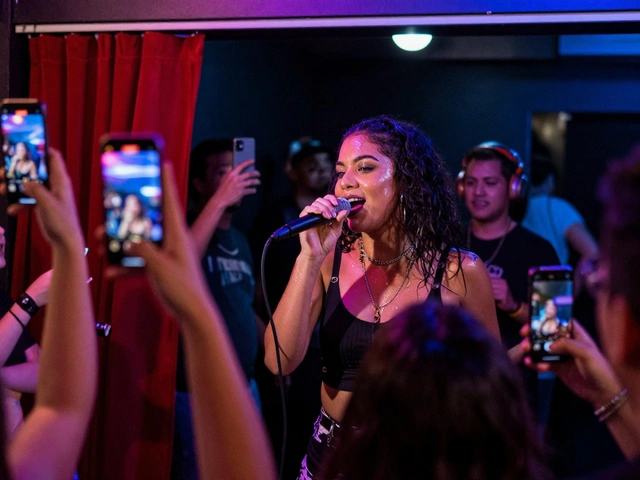
Most musicians burn out by year three. They chase every gig, release every demo, and treat their audience like a vending machine-insert coin, get content, repeat. Then the money stops, the fans vanish, and the artist is left with a pile of merch they can’t sell and a bank account that looks like it lost a fight. Alli Starr is an independent R&B and pop artist who has cracked the code on balancing high-visibility touring with low-friction revenue streams through strategic residencies and calculated releases. Her approach isn’t about working harder; it’s about designing a system where your energy input matches your financial output.
The Trap of Constant Motion
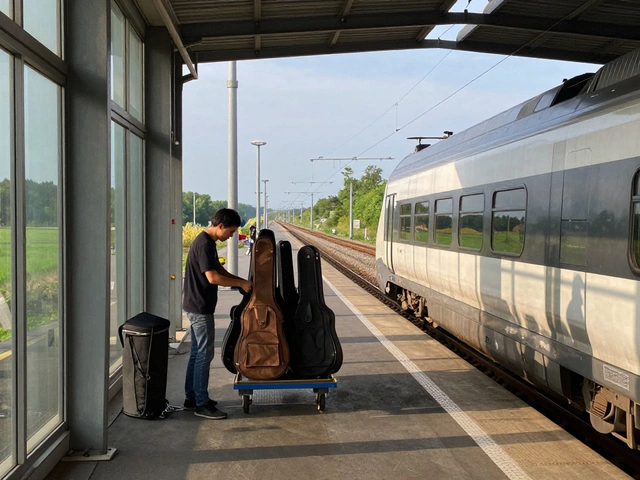
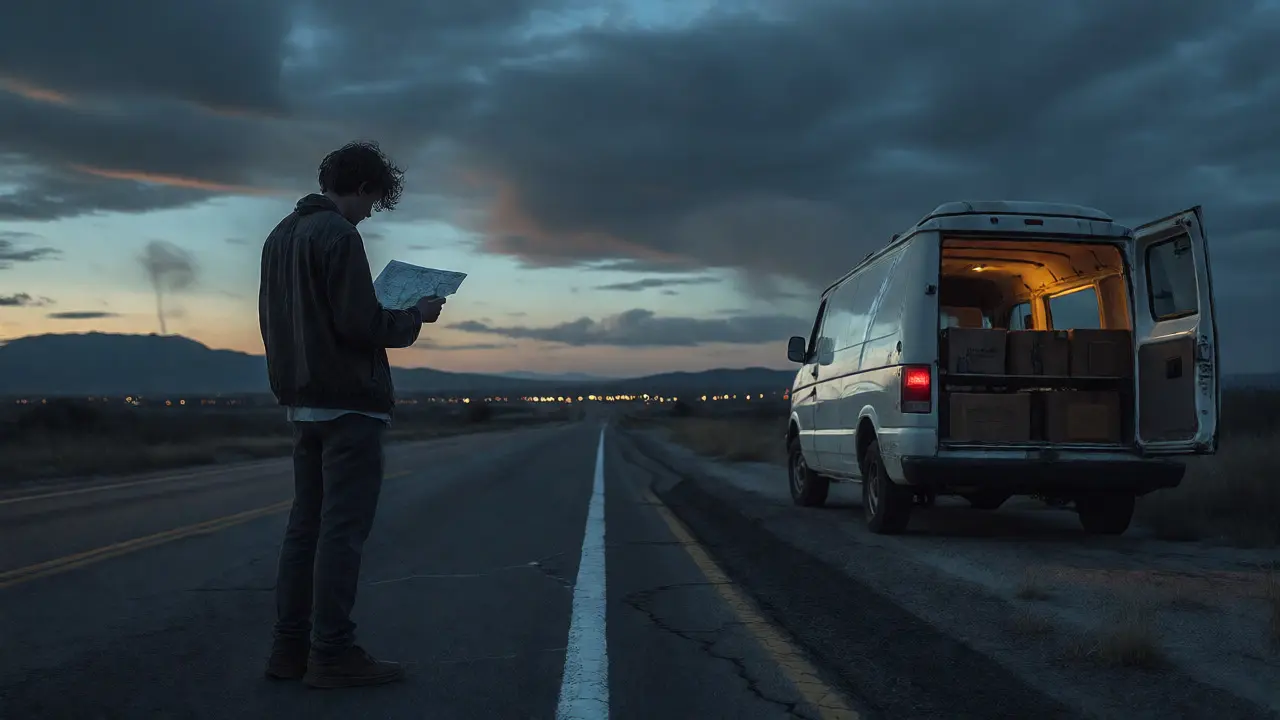
If you’re an emerging artist, you’ve likely been told to "just keep touring." The logic seems sound: more shows mean more exposure, which means more fans, which means bigger shows. But for many indie artists, this linear path leads to diminishing returns. You spend $500 on gas and lodging to play for 15 people in a bar in Tucson. You sell two t-shirts. You’re down $450. Multiply that by ten cities, and you’ve funded someone else’s vacation while your own savings drained away.
Alli Starr noticed this pattern early in her career. She realized that constant motion without anchor points was unsustainable. Instead of treating every city as a one-off transaction, she began looking for ways to build depth rather than just breadth. This shift from "coverage" to "community" changed how she structured her calendar. It wasn’t about playing everywhere; it was about being present somewhere long enough to matter.
Why Residencies Beat One-Off Tours
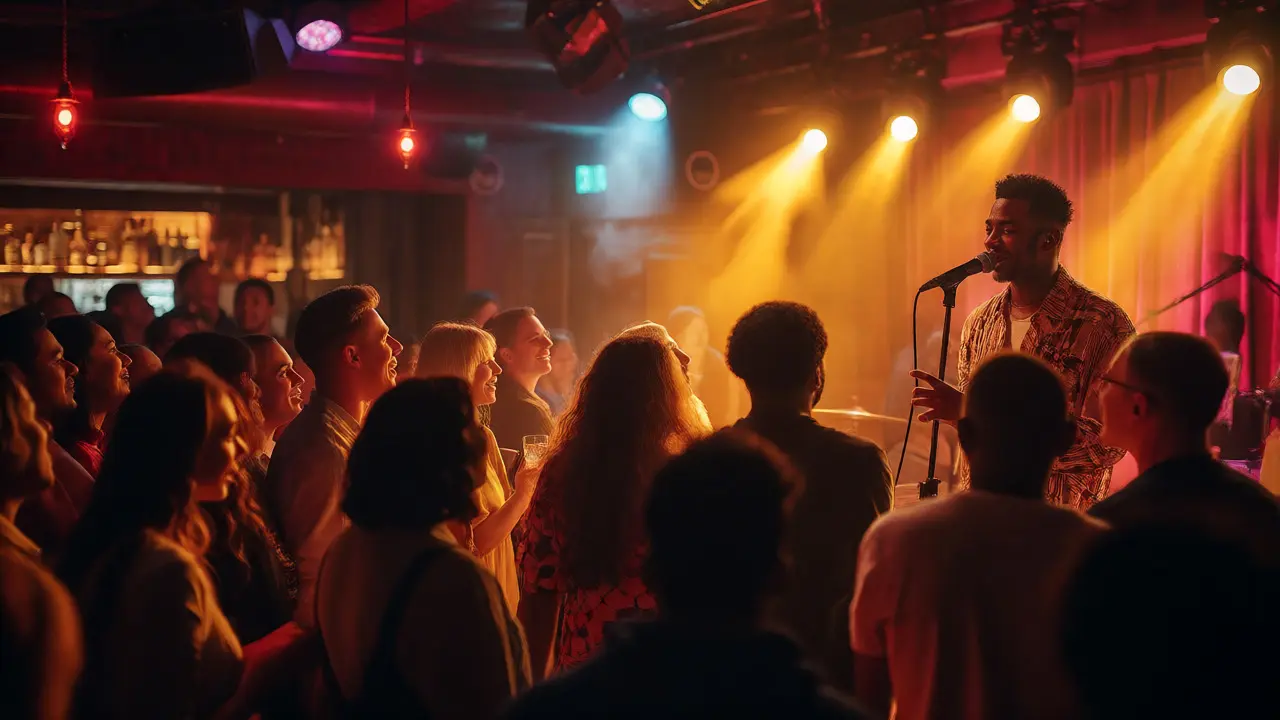
A residency is often misunderstood as something only Vegas headliners do. In reality, for independent artists, a residency is simply a series of shows in one location over a set period. Think four nights at a mid-sized venue in Austin, or weekly performances at a lounge in Los Angeles. Why does this work better than a traditional tour?
- Lower Overhead: You unpack once. Hotel costs drop because you negotiate weekly rates or stay with friends. Gear stays in one place, reducing wear and tear.
- Deeper Fan Connection: People see you multiple times. The first night they might be curious. By the fourth night, they’re bringing friends. Trust builds faster when presence is consistent.
- Better Data: You learn what songs hit hard in that specific market. You adjust your setlist nightly, refining your performance in real-time.
Alli used residencies to test new material before releasing it globally. If a song didn’t land during her Tuesday night set in Atlanta, she knew she needed to tweak the arrangement before putting it on Spotify. This feedback loop turned her live shows into R&D labs, saving her from wasting marketing budget on tracks that didn’t resonate.
Strategic Releases That Fuel the Engine
Releasing music randomly is like throwing darts blindfolded. Alli Starr treats each release as a fuel injection for her touring engine. She doesn’t drop albums every six months. Instead, she uses singles and EPs to create spikes of interest that justify booking residencies.
Here’s the sequence she follows:
- Tease: Release a snippet or visualizer 4-6 weeks before the physical/digital drop.
- Drop: Release the track, but don’t push hard yet.
- Tour/Residency: Book a small residency in key markets where pre-save numbers were highest.
- Amplify: Use clips from those live performances to promote the next single.
This cycle keeps the algorithm happy. Streaming platforms reward consistency, but not necessarily volume. A well-timed release that drives traffic to a live event creates a stronger signal than a standalone track that dies after two weeks. By aligning her release schedule with her travel plans, Alli ensures that every dollar spent on promotion has a tangible destination: ticket sales or merch purchases.
Diversifying Revenue Without Diluting Brand
It’s easy to panic when streaming royalties look like pennies. Many artists start selling everything-coffee mugs, phone cases, random collaborations-to make ends meet. This dilutes the brand. Alli focused on high-margin, low-volume products tied directly to her artistic identity.
| Stream | Effort Level | Profit Margin | Brand Impact |
|---|---|---|---|
| Streaming Royalties | Low (Passive) | Very Low | Neutral |
| Merchandise | Medium (Logistics) | High | Positive if curated |
| Live Performance | High (Travel/Energy) | Variable | Critical for trust |
| Licensing/Sync | Medium (Networking) | Very High | Expands reach |
Alli leveraged sync licensing opportunities by keeping her masters clean and her catalog organized. When a brand wanted to license a track for a commercial, she could respond quickly. This passive income covered her studio time, allowing her to take risks on creative projects that might not have immediate ROI. She didn’t need to chase every dollar; she built systems that generated dollars while she slept.
Mental Health as a Business Asset
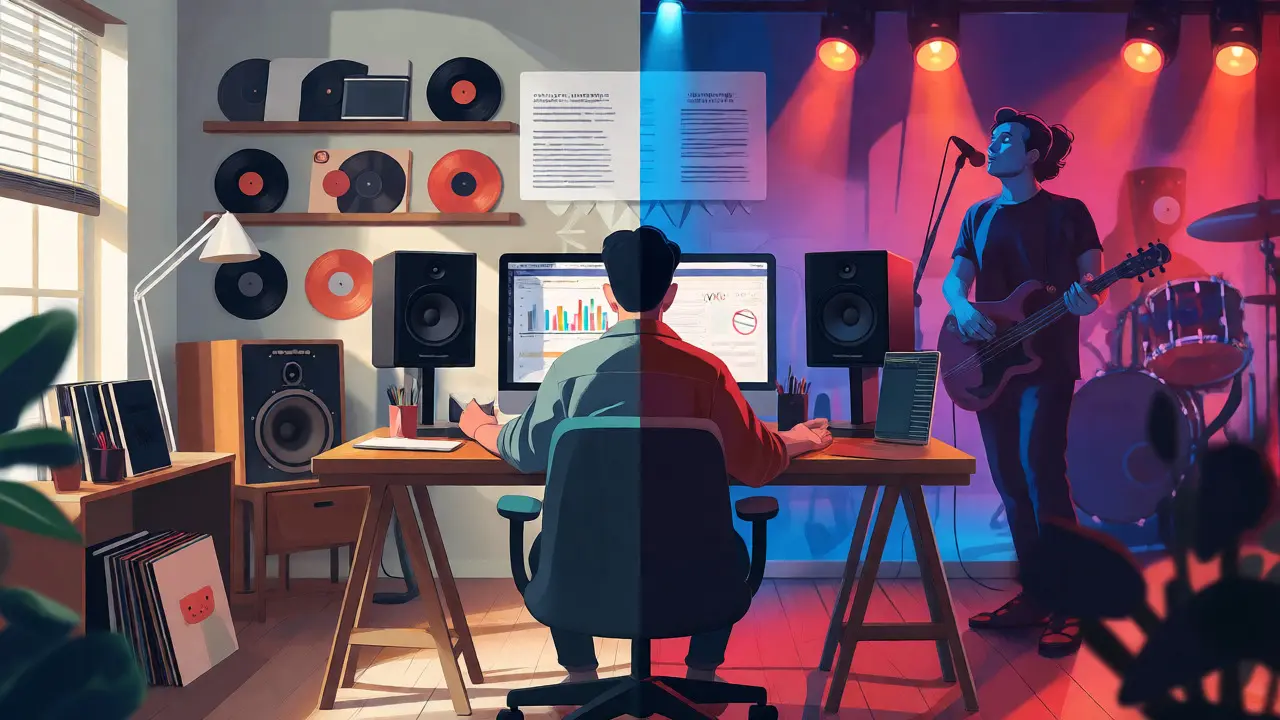
We rarely talk about the emotional cost of touring. For many artists, the loneliness of hotel rooms and the pressure to perform "happy" despite internal chaos leads to burnout. Alli treats her mental health as part of her business infrastructure. She builds rest days into her itineraries not as optional extras, but as non-negotiable contract terms.
This isn’t self-indulgence; it’s efficiency. An exhausted artist makes bad decisions. They overspend on drinks, skip networking opportunities, and deliver flat performances. By prioritizing sustainability, Alli ensures that when she steps on stage, she’s actually present. Fans feel that difference. Authenticity sells tickets better than any Instagram ad.
Building a Community, Not Just a Fanbase
The final piece of Alli’s puzzle is community ownership. Instead of relying solely on social media algorithms, she nurtures direct connections. Email lists, Discord servers, and local fan clubs allow her to bypass intermediaries. When she announces a residency, she knows exactly who to invite first.
This direct line reduces customer acquisition costs. You don’t need to pay Facebook $500 to find ten people who will buy a ticket. You already know them. They’ve been following your journey, attending your smaller shows, and engaging with your content. These are your superfans. Treat them like partners, not consumers.
What is the main benefit of artist residencies over traditional tours?
Residencies significantly lower travel and accommodation costs while allowing artists to build deeper relationships with local audiences. Unlike one-off tours, residencies provide repeated exposure in a single market, leading to higher merch sales and stronger word-of-mouth referrals.
How should independent artists plan their release schedules?
Artists should align releases with planned live events. Use teasers to generate buzz, release the track, and then book residencies in markets showing high engagement. This creates a cohesive narrative that drives both streaming numbers and ticket sales simultaneously.
Why is diversifying revenue important for sustainable growth?
Relying on a single income stream, like streaming, leaves artists vulnerable to platform changes. Diversification through merchandise, licensing, and live performances ensures financial stability and allows artists to reinvest in their craft without constant financial stress.
How does mental health impact an artist's career longevity?
Burnout leads to poor performance quality and bad business decisions. Prioritizing rest and mental well-being ensures consistent delivery, maintains fan trust, and prevents costly breaks or cancellations that can damage an artist's reputation.
What role does community building play in modern music careers?
Direct community channels like email lists reduce reliance on volatile social media algorithms. They enable targeted marketing, lower customer acquisition costs, and foster loyal superfans who support launches and tours consistently.