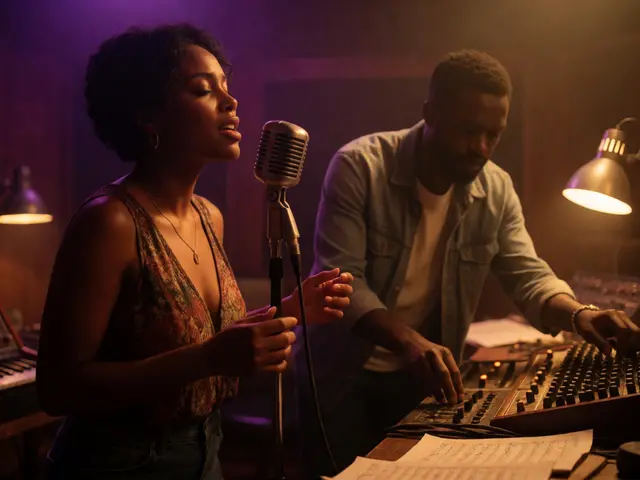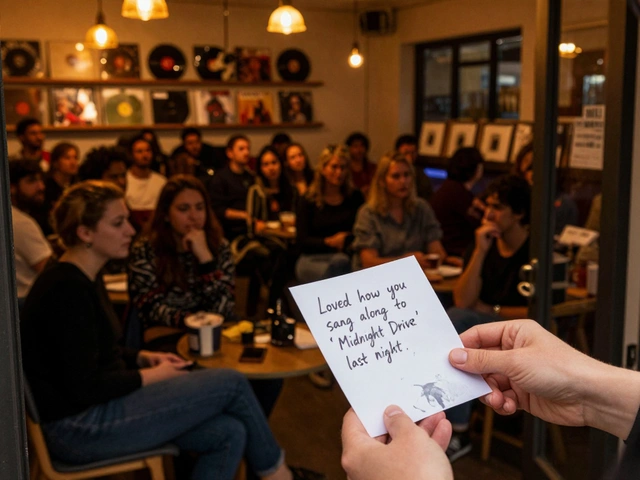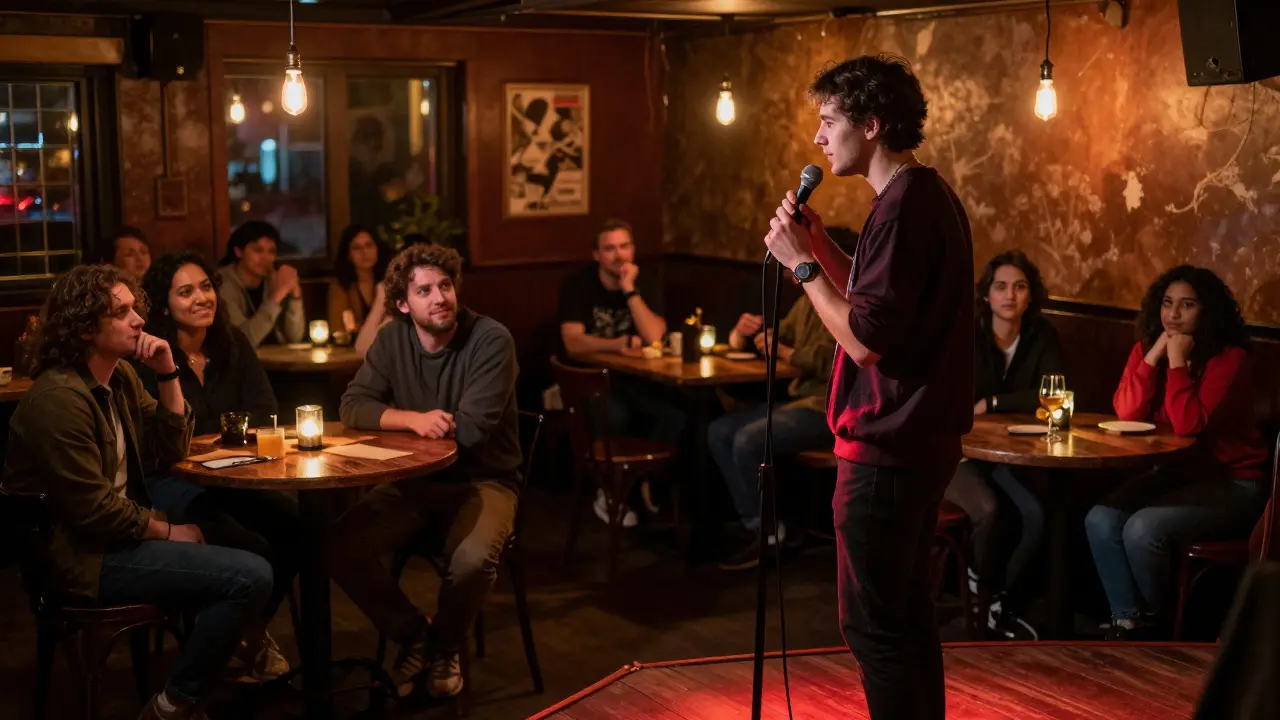
Most people assume that discovering new local talent is a matter of luck. You go to a bar, you hear something good, and maybe you tell a friend. But in Portland, Oregon, a city known for its vibrant independent arts scene, the path from an empty room at an open mic to a fully funded residency is often invisible. Enter Alli Starr. She didn't just find artists; she built a system to keep them here. Her approach challenges the idea that community impact happens by accident. It happens by design.
The Problem with "Just Showing Up"
For years, the standard advice for emerging musicians was simple: play everywhere. The logic seemed sound. More gigs mean more exposure. More exposure means more fans. But this model has a fatal flaw. It treats artists as interchangeable parts in a machine rather than unique voices that need specific environments to grow. When you rely solely on volume, you burn out quickly. You spend more money on gas and gear repairs than you make in tips. And when you finally break through, you often leave the city that raised you for bigger markets like Nashville or New York.
Alli Starr recognized this leaky bucket early on. She saw talented players disappearing into the commute or moving away because they couldn't afford rent while playing three nights a week for $50 a night. The solution wasn't just another show. It was a structured pathway. This is where the concept of Artist Residency, a program providing artists with time, space, and resources to create work without immediate commercial pressure comes into play. Unlike a gig, a residency offers stability. It allows an artist to experiment, fail, and refine their craft without the clock ticking down every set.
Building the Bridge: Open Mics as Entry Points
You can't skip the basics. Every major artist in Portland started somewhere small. Open mics remain the critical first step, but Alli’s method changes how they are perceived. Instead of viewing them as chaotic showcases where everyone fights for attention, she frames them as diagnostic tools. Who connects with the audience? Who handles feedback well? Who shows up consistently even when the room is half-empty?
This phase isn't about perfection. It's about reliability. In her model, consistency is the primary metric. If you show up every Tuesday for six months, you're already ahead of 90% of the field. This builds a database of potential candidates. It also builds trust within the community. Audiences start to recognize faces. They start to feel invested in the growth of specific individuals. This creates a micro-economy of support that doesn't depend on ticket sales alone. It depends on relationships.
The Middle Layer: Mentorship and Infrastructure
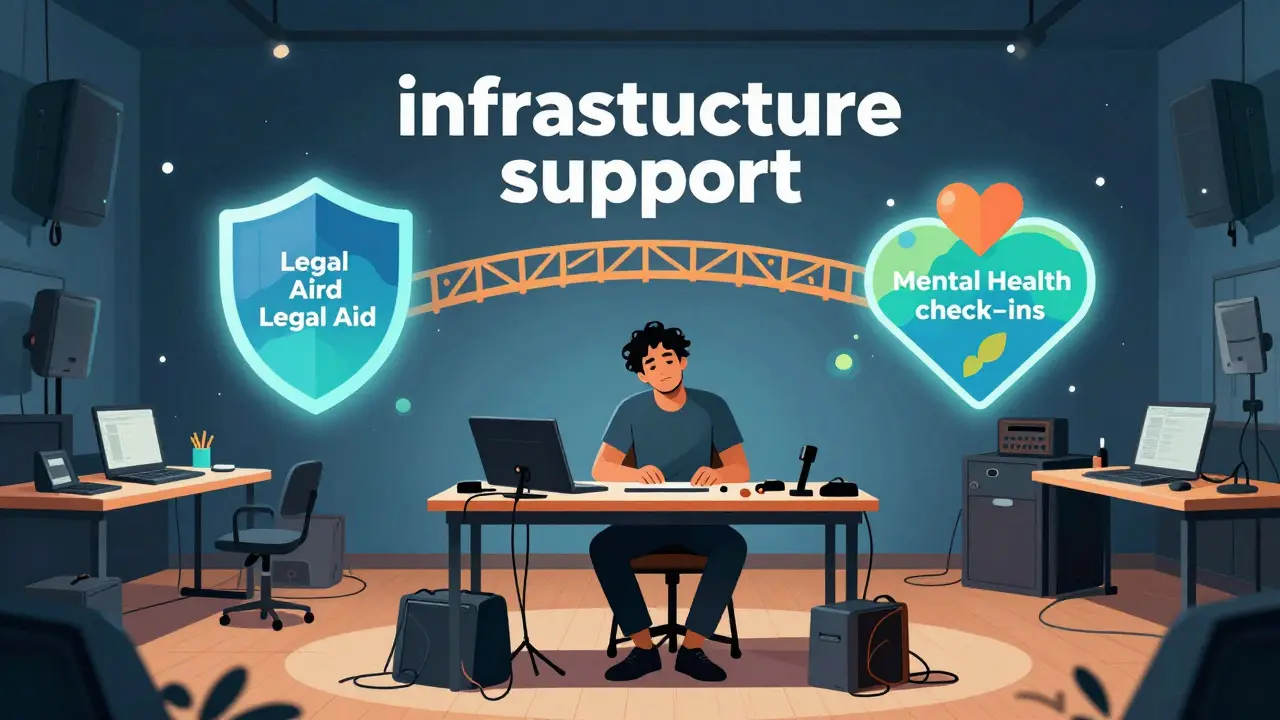
Between the open mic and the residency lies the most dangerous gap. This is where many careers stall. You have skill, but you lack direction. You have passion, but no business plan. This is where Alli’s intervention becomes crucial. She introduces what she calls "infrastructure support." This isn't just about booking shows. It includes access to shared rehearsal spaces, legal aid for contracts, and mental health check-ins.
Consider the difference between a solo act struggling to book a venue and a group that has a dedicated manager and a clear revenue stream. The latter has a higher survival rate. By providing these non-musical supports, the focus shifts back to the art. Artists don't have to be accountants, lawyers, and therapists all at once. They can just be musicians. This reduction in cognitive load allows for deeper creative exploration. It turns a hobby into a sustainable profession.
Residencies: The Accelerator
Once an artist has proven their reliability and received foundational support, they become eligible for a residency. This is the heart of Alli’s model. A residency provides a guaranteed income floor, usually for a period of three to six months. During this time, the artist is not expected to perform nightly. Instead, they are expected to create. They might write an album, develop a multimedia performance, or tour regionally.
The key attribute of this phase is autonomy. The artist controls the output. This contrasts sharply with the traditional label deal, which often demands quick returns on investment. Here, the return on investment is long-term cultural capital. The artist stays in Portland. They build a network locally. They mentor the next generation of open-mic regulars. This creates a circular economy of talent. The seniors give back, and the juniors get a roadmap. It’s a self-sustaining loop that reduces the brain drain typically seen in mid-sized cities.
Measuring Impact Beyond Ticket Sales
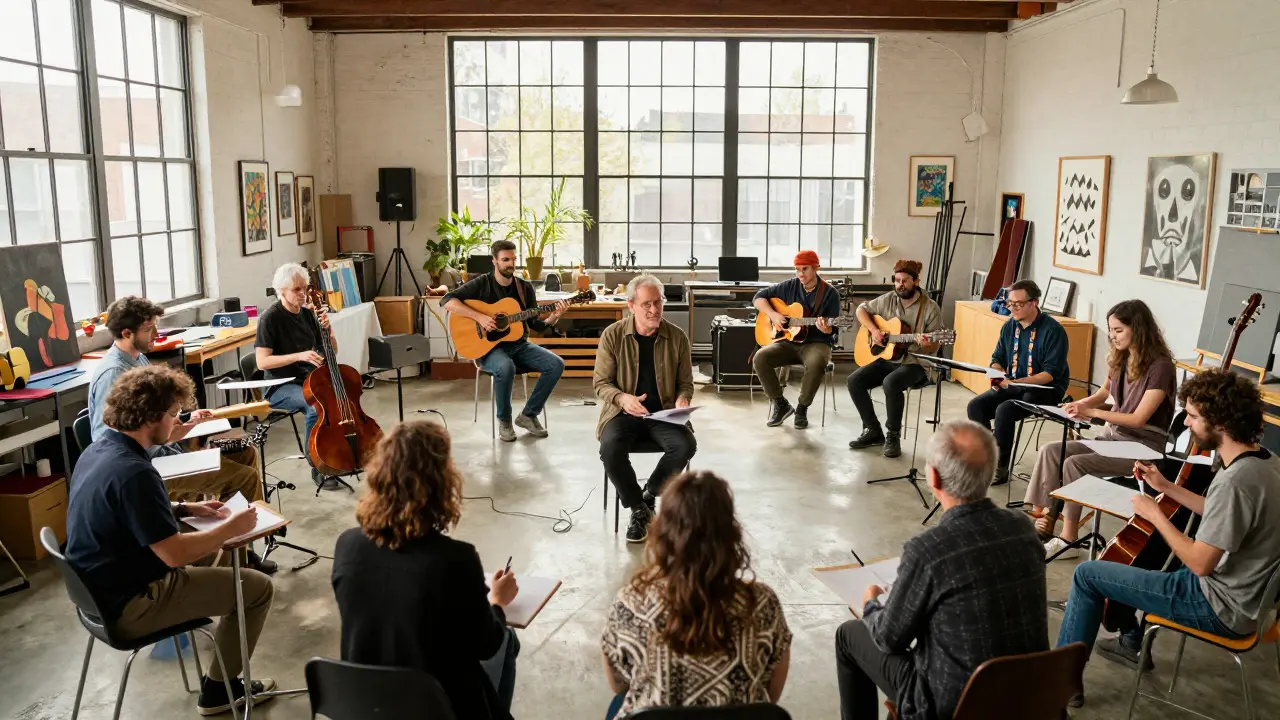
How do you know if this works? If you only look at box office numbers, you’ll miss the point. The real metrics are retention rates and cross-disciplinary collaboration. Are local artists staying in the state? Are musicians collaborating with visual artists and writers? These are signs of a healthy ecosystem. When artists feel secure enough to take risks, innovation follows. You see new genres emerge. You see audiences broaden. The community becomes richer not just financially, but culturally.
This model requires patience. It doesn't produce instant hits. It produces lasting careers. For a city like Portland, which prides itself on being a haven for creatives, this is essential. Without it, the scene remains a revolving door. With it, it becomes a home.
| Feature | Traditional Gigging | Starr Pathway Model |
|---|---|---|
| Primary Goal | Immediate income/exposure | Sustainable career development |
| Time Horizon | Short-term (nightly) | Long-term (years) |
| Support Structure | Minimal/None | Mentorship + Financial Floor |
| Risk Level | High (artist bears all cost) | Moderate (shared risk via residency) |
| Community Retention | Low (high turnover) | High (artists stay and invest) |
Why This Matters for Other Cities
You might think this model only works in Portland. That’s a common misconception. Any city with a strong sense of place and a desire to retain talent can adapt this framework. The core components-consistent entry points, infrastructure support, and financial safety nets-are universal. The specific venues and funding sources will change, but the logic remains the same. Stop treating artists as temporary visitors. Start treating them as permanent residents who contribute to the local economy in ways that aren't always visible on a balance sheet.
Alli Starr’s pathway proves that community impact isn't a vague ideal. It's a logistical challenge. It requires planning, funding, and commitment. But the result is a city where art isn't just consumed; it's cultivated. And that makes all the difference.
What is the main difference between an open mic and a residency?
An open mic is a short-term performance opportunity focused on immediate audience engagement and exposure. A residency is a longer-term arrangement that provides financial stability and dedicated time for creation, allowing artists to work without the pressure of nightly earnings.
How does Alli Starr’s model help artists stay in Portland?
By providing a financial floor through residencies and reducing the administrative burden with infrastructure support, artists can sustain a livelihood locally. This removes the economic pressure to move to larger markets, fostering long-term community roots.
Is this model only for musicians?
While the example focuses on music, the structure applies to other performing and visual arts. The key is creating a pipeline from informal practice spaces to supported professional environments, regardless of the specific medium.
What role does mentorship play in this pathway?
Mentorship bridges the gap between raw talent and professional readiness. It helps artists navigate business aspects like contracts and marketing, ensuring they are prepared for the responsibilities of a sustained career before entering a residency.
How can other cities replicate this approach?
Cities should identify existing informal gathering spots, formalize them as entry points, and establish funding mechanisms for mid-career support. The focus should shift from one-off events to continuous developmental tracks that prioritize artist retention.