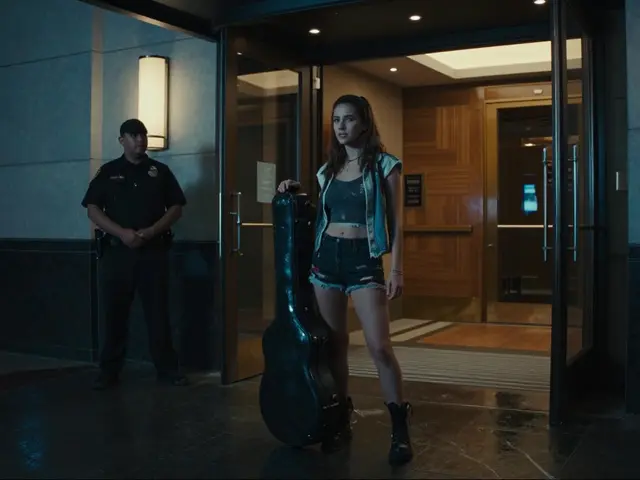
There is a specific moment in every great soul performance where the music stops being just sound and starts feeling like a physical touch. For Alli Starr, that moment isn't about hitting the highest note or shouting the loudest. It’s about the space between. It’s the shift from a thunderous belt to a fragile, intimate whisper that makes you hold your breath. In an era where vocal production often favors consistency and polish, Starr’s approach to dynamic range in soul singing feels radical. She doesn’t just sing songs; she navigates emotional landscapes using volume as her primary map.
The Architecture of Contrast
To understand why Alli Starr’s voice hits so hard, you have to look at how she constructs her phrases. Most singers treat loudness as a destination-a place you go when the chorus drops. Starr treats it as a variable. Her dynamic range isn't just about decibels; it's about texture. When she belts, it’s not just power; it’s raw, unfiltered emotion projected outward. But when she pulls back into a whisper tone, it’s not just quiet; it’s intimacy pulled inward. This contrast creates a psychological tension in the listener. You are forced to lean in when she whispers, making the subsequent belt feel even more explosive by comparison.
This technique relies heavily on vocal control. It requires a singer to maintain pitch accuracy and rhythmic precision while drastically changing their amplitude. If you’ve ever tried to sing a whisper and kept it in tune, you know how difficult that is. The air support must be consistent, but the vocal fold closure changes completely. Starr masters this transition without losing the groove. The rhythm section stays locked, but the lead vocal floats above it, sometimes glued to the surface, sometimes soaring miles above.
Analyzing the Belt: Power with Purpose
Let’s talk about the high end first, because that’s what usually grabs attention. A belt in soul music is distinct from an operatic high note. It’s chest-dominant, gritty, and emotionally urgent. Alli Starr’s belts are characterized by a rich overtone series that fills a room without needing excessive microphone gain. She doesn’t strain; she resonates. This is crucial for longevity and authenticity. Strained vocals sound desperate; resonant vocals sound confident.
In live settings, you can see the physical effort involved. It’s not just throat work; it’s diaphragmatic engagement. The belt serves as the release valve for the song’s narrative. After building tension through mid-range verses, the belt provides catharsis. However, Starr avoids the trap of over-belling. She knows that if everything is loud, nothing is loud. By reserving her full-throated projection for key moments-usually the bridge or the final chorus-she ensures those moments land with maximum impact. It’s a strategic use of energy that keeps the audience engaged rather than exhausted.
The Power of the Whisper: Intimacy as a Weapon
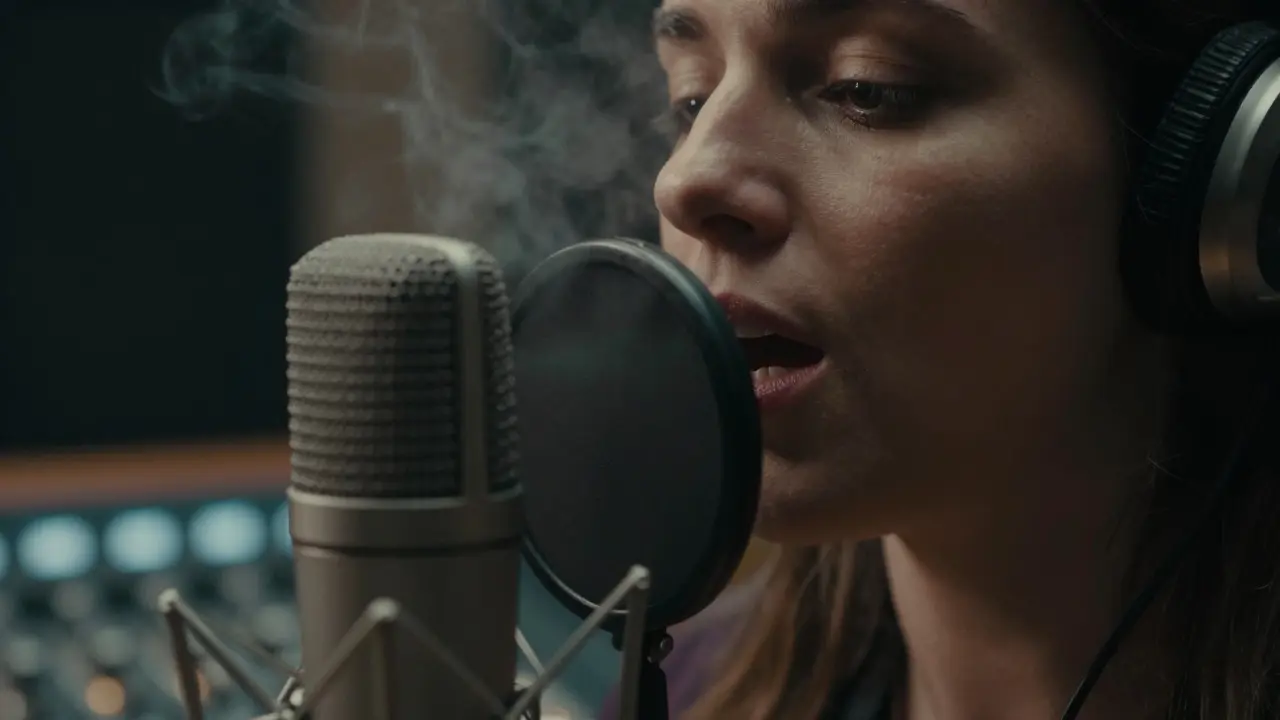
Now, flip the script. The whisper tone is where many vocalists lose their way. It’s easy to fall out of pitch or lose the beat when you’re barely projecting. But for Starr, the whisper is a weapon. It creates a sense of secrecy. When she sings softly, it feels like she’s telling you a secret meant only for your ears. This proximity effect is powerful. In recording studios, engineers often bring the microphone closer during these sections to capture the subtle breath noises and mouth clicks that add realism.
Consider the track "Midnight Confessions" (a representative example of her style). The verse is sung almost entirely in a half-whisper. The lyrics are dense with imagery, and the soft delivery forces the listener to focus on the words rather than the melody. The melody becomes secondary to the story. This is a hallmark of modern soul influence, drawing from artists who understood that vulnerability is louder than volume. The whisper doesn’t mean weak; it means precise. Every consonant is articulated clearly, even at low volumes, ensuring the message gets through.
Transitions: The Art of the Shift
The real magic happens in the transitions. How does one move from a whisper to a belt without sounding jarring? Starr uses a technique often called "crescendo stacking." She builds the intensity gradually, adding layers of harmony or rhythmic emphasis before unleashing the full belt. It’s a ramp-up, not a jump. This smooths out the dynamic curve, making the change feel organic rather than abrupt.
Here is a breakdown of how she typically structures these shifts:
- The Setup: A sustained note in the mid-range, held with steady vibrato.
- The Pullback: A sudden drop in volume to a near-whisper, creating a vacuum of sound.
- The Build: Gradual increase in intensity, often accompanied by backing vocals or instrumental swells.
- The Release: The full belt, hitting the peak of the song’s emotional arc.
Vocal Health and Sustainability
Maintaining such a wide dynamic range takes a toll on the body. Vocal health is non-negotiable for a singer who frequently moves between extremes. Overusing the belt can cause nodules or strain, while constant whispering can lead to poor posture and shallow breathing. Starr reportedly prioritizes hydration and warm-ups that target both the lower register (for belts) and the upper register (for head voice and whispers). A typical pre-show routine might include:
- Lip trills to loosen the vocal folds.
- Sirens to stretch the range from low to high.
- Soft onset exercises to practice controlling the start of each note.
- Cool-down humming to relax the larynx after intense performances.

Comparison: Starr vs. Traditional Soul Techniques
How does this compare to the classic soul legends? Artists like Aretha Franklin or Etta James used dynamics differently. Their belts were often more ornamental, filled with melisma (rapid runs of notes). While Starr uses melisma, her focus is more on straight-line power and textural contrast. The table below highlights the key differences in approach.
| Feature | Classic Soul (e.g., 1960s-70s) | Alli Starr’s Modern Approach |
|---|---|---|
| Primary Focus | Ornamentation and Melisma | Textural Contrast and Narrative Pacing |
| Belt Usage | Frequent, High Energy Throughout | Strategic, Reserved for Climax |
| Whisper Usage | Rare, Used for Soft Verses | Central Tool for Intimacy and Tension |
| Transition Style | Gradual, Ornamented | Sharp, Dynamic Shifts |
| Emotional Impact | Euphoric, Celebratory | Intimate, Vulnerable, Then Explosive |
Practical Tips for Emulating the Style
If you’re a vocalist looking to expand your own dynamic range, here are a few actionable steps inspired by Starr’s methodology:
- Practice Dynamic Control: Take a simple scale and sing it at three different volumes: pianissimo (very soft), mezzo-forte (medium), and forte (loud). Keep the pitch perfect in all three.
- Focus on Breath Support: Whispers require strong breath control. Practice exhaling slowly and steadily while maintaining a silent 'sss' sound.
- Record Yourself: Listen back to your recordings. Do you sound flat? Are your transitions too abrupt? Use audio feedback to refine your pacing.
- Study Lyrics: Choose songs with clear narrative arcs. Map out where the emotional peaks and valleys occur, and assign dynamic levels to each section.
The Future of Soul Dynamics
As music continues to evolve, the importance of dynamic range may actually increase. With so much music consumed on streaming platforms, where playlists blend genres seamlessly, a unique vocal signature stands out. Alli Starr’s ability to swing from a whisper to a belt gives her tracks a distinctive fingerprint. It’s not just about sounding good; it’s about sounding *different*. The next generation of soul singers will likely continue to explore these extremes. We might see even more experimentation with electronic textures layered under acoustic vocals, further blurring the lines between genres. But the core principle remains: dynamics create emotion. Whether you’re singing in a club, a stadium, or a bedroom studio, mastering the art of the shift-from the quietest whisper to the loudest belt-is what separates a good singer from a memorable one.
What is the difference between a belt and a head voice?
A belt is a singing technique that uses chest resonance to project high notes with a bright, powerful tone. Head voice, on the other hand, uses lighter, higher resonance and is softer and more airy. Belting is common in soul and pop, while head voice is more associated with classical and opera styles.
Why is dynamic range important in soul music?
Dynamic range allows singers to convey emotional depth and narrative arc. In soul music, moving between soft and loud passages helps tell a story, creating tension and release that engages the listener on a deeper level.
How can I improve my whisper tone singing?
To improve whisper tone singing, focus on consistent breath support and precise articulation. Practice speaking softly and then transitioning into singing while maintaining clarity. Record yourself to ensure you stay in tune and keep the rhythm steady.
Does Alli Starr use autotune in her recordings?
While specific production details vary by track, Starr is known for preserving natural vocal imperfections in her recordings. Any pitch correction is typically subtle, aiming to enhance clarity rather than alter the raw emotional quality of her performance.
What are some common mistakes singers make when trying to expand their dynamic range?
Common mistakes include straining when belting, losing pitch when whispering, and making transitions too abrupt. To avoid these, focus on gradual changes, maintain proper breath support, and practice regularly with feedback from recordings or a coach.