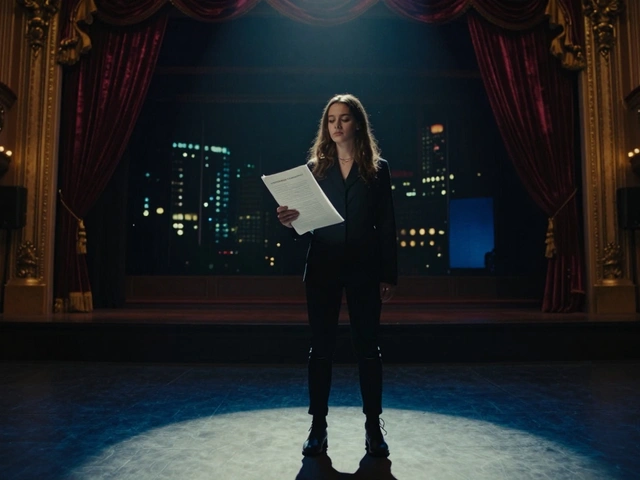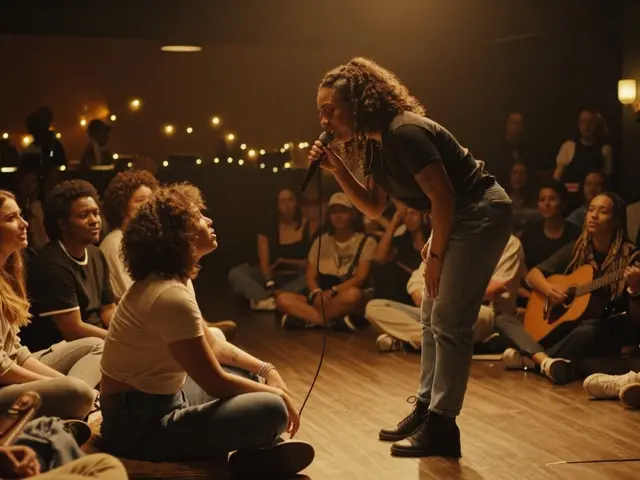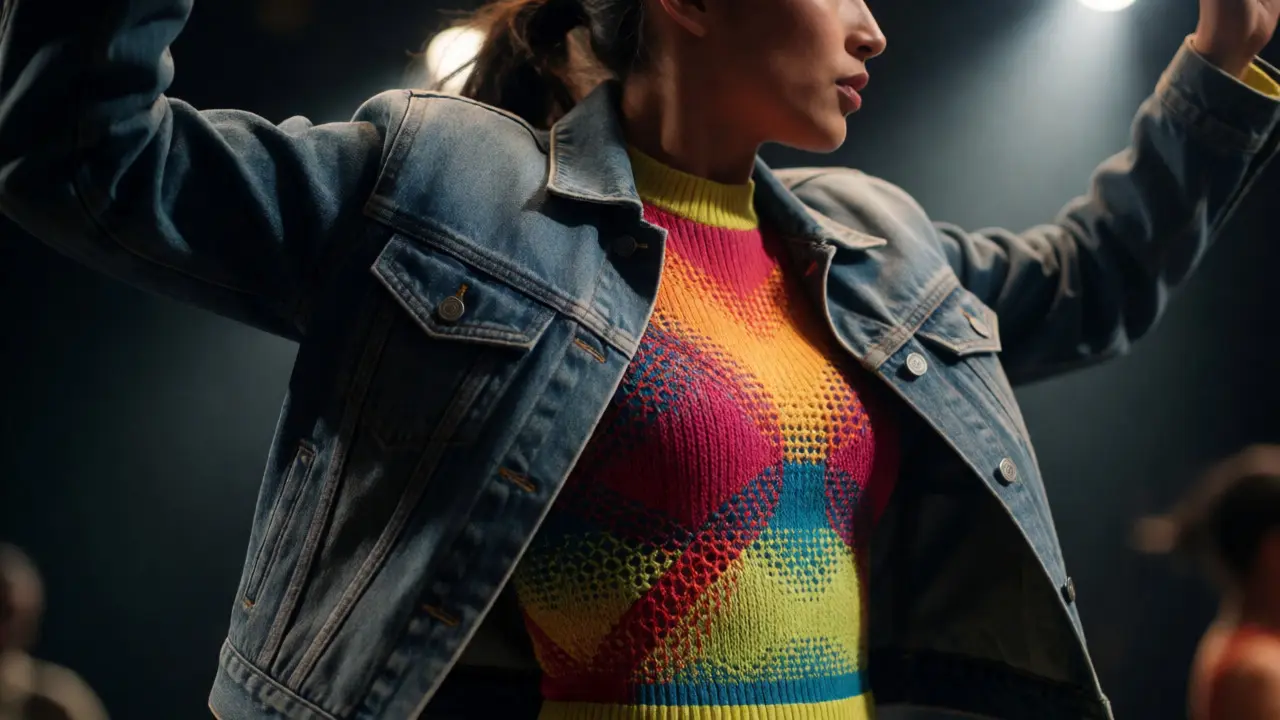
You step onto the stage. The lights hit you. The crowd roars. But halfway through your set, you realize your jacket is too stiff to raise your arms fully, or your shoes are sliding on a sweaty floor. It’s not just about looking good; it’s about moving like you mean it. This is where Alli Starr comes in. She isn’t just wearing clothes; she’s engineering her presence. Her approach to functional fashion proves that what you wear directly impacts how you perform.
Most artists treat wardrobe as an afterthought-a visual layer painted over the music. Alli treats it as part of the instrument. If you’re a performer, whether you’re busking in Portland or headlining a festival, understanding this shift can change your entire stage game. Let’s break down why her method works and how you can apply it.
The Physics of Stage Presence
Fashion on stage isn’t static. It’s kinetic. When Alli Starr moves, her clothes move with her, not against her. This isn’t accidental. It’s a calculated choice based on the physics of movement. Traditional stage outfits often prioritize silhouette over mobility. Think of heavy sequins that weigh down shoulders or tight skirts that restrict hip rotation. These choices look great in photos but kill your energy in real time.
Alli’s wardrobe avoids these traps. She selects fabrics with high stretch recovery and low friction coefficients. Why does this matter? Because when you dance or jump, fabric that binds creates micro-resistance. Over a 45-minute set, that resistance adds up to fatigue. You spend energy fighting your clothes instead of projecting your voice. By choosing materials that glide, you conserve physical resources for vocal control and audience engagement.
This concept links directly to stagecraft. Stagecraft includes lighting, sound, and set design, but also the performer’s body mechanics. Your outfit is the first interface between your body and the environment. If it fails, the illusion breaks. Alli understands that a loose sleeve catching on a mic stand is more than a nuisance-it’s a distraction that pulls you out of character.
Material Science Meets Aesthetic Boldness
How do you balance bold visuals with practical needs? Alli Starr uses material science to solve this. She doesn’t sacrifice color or pattern for comfort. Instead, she finds modern textiles that offer both. For example, technical knits now come in vibrant prints that were previously only available in rigid cottons. These knits breathe better and move easier, allowing for complex choreography without overheating.
| Fabric Type | Mobility Rating | Heat Retention | Durability |
|---|---|---|---|
| Traditional Cotton | Low | High (when wet) | Moderate |
| Synthetic Spandex Blend | High | Low | High |
| Technical Mesh | Very High | Very Low | Moderate |
| Vintage Denim | Low | High | Very High |
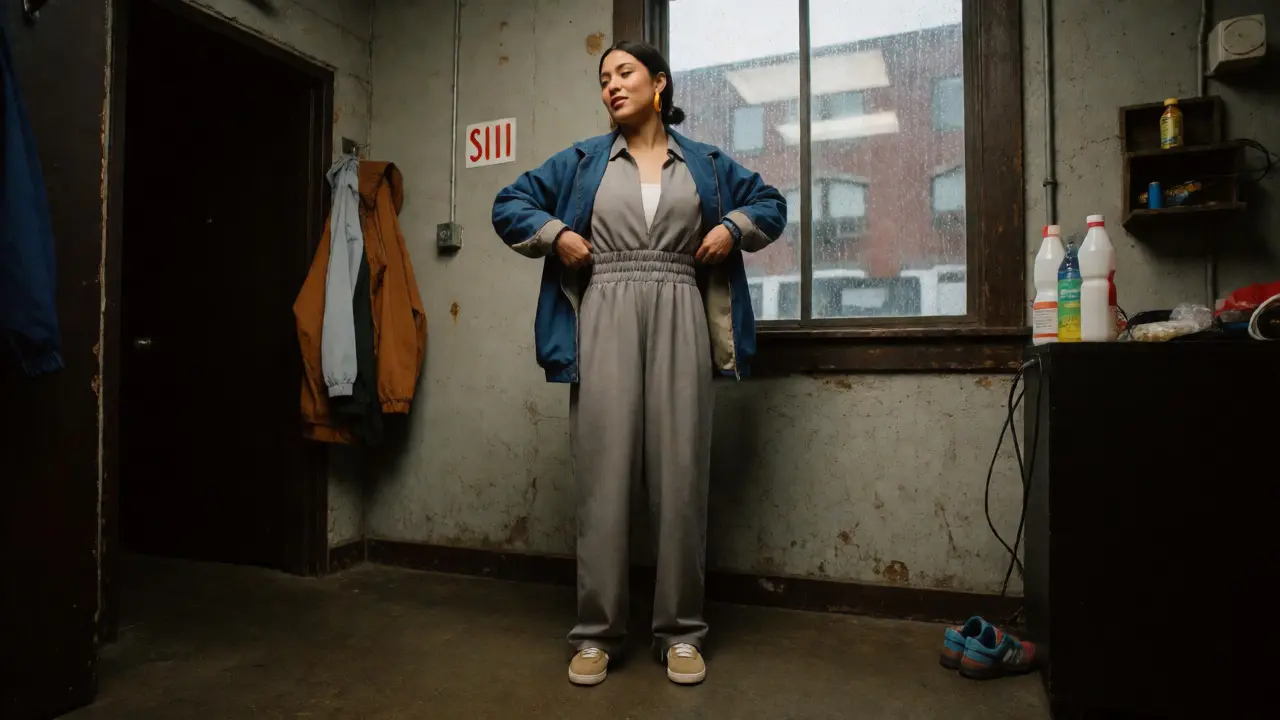
Notice the trend? Alli leans toward blends that mimic the drape of natural fibers but perform like athletic wear. This hybrid approach allows her to maintain a distinct aesthetic-often retro-inspired or streetwear-adjacent-without compromising agility. She might pair a vintage-looking denim jacket with moisture-wicking inner layers. The result looks effortless but is technically optimized.
This strategy requires research. You can’t just grab anything off the rack. You need to test fabrics under stage conditions. Simulate the heat. Jump around. See if seams rip. Alli’s team likely does exactly this, turning wardrobe fitting into a stress test rather than a vanity exercise.
Practicality Under Pressure
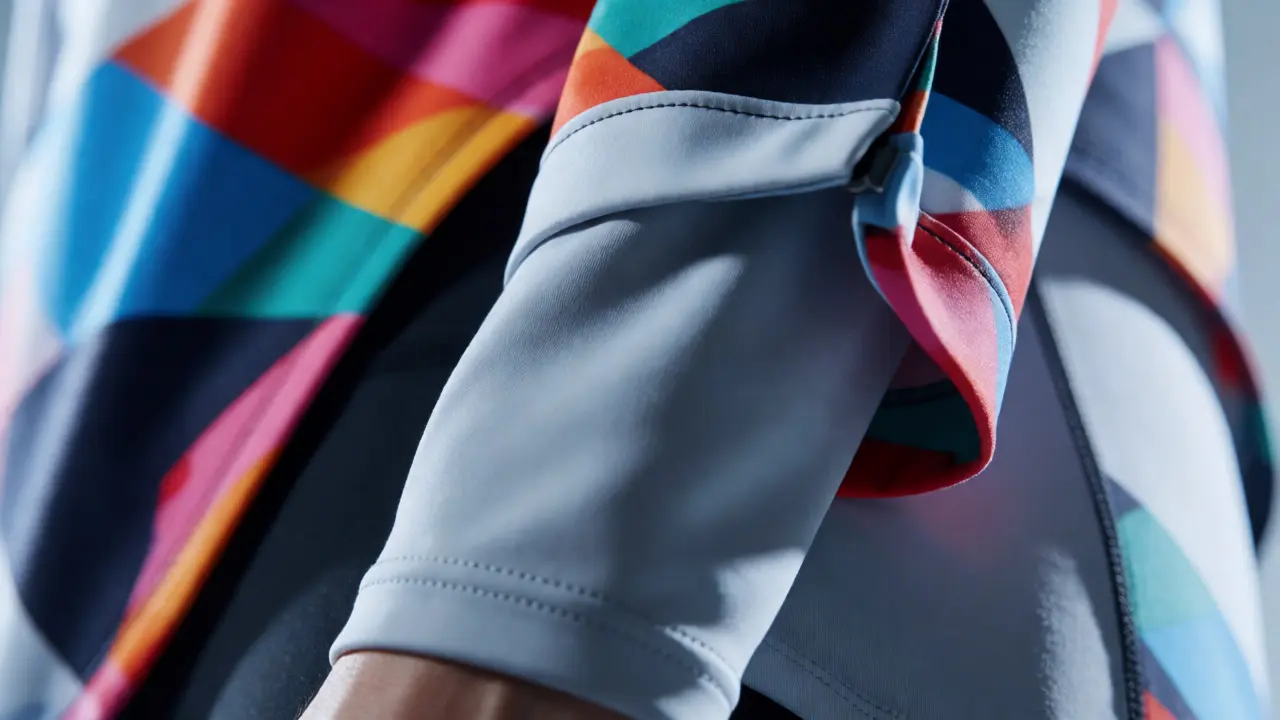
Live performances are chaotic. Sweat, spills, quick changes, and equipment interactions happen fast. A wardrobe that supports performance must withstand this chaos. Alli Starr’s choices reflect a deep understanding of logistical realities. She avoids intricate fasteners like tiny buttons or long zippers that snag. Instead, she opts for magnetic closures, elastic waists, or slip-on designs. These features save seconds during costume changes, which can be critical in tight tour schedules.
Consider the interaction with equipment. Many performers struggle with cables tangling in loose hems or jewelry catching on mic stands. Alli’s silhouettes are streamlined enough to minimize these risks. If she wears accessories, they are secured tightly or designed to detach easily. This reduces the cognitive load. You shouldn’t have to think about whether your necklace is swinging into your face while you’re trying to hit a high note.
Moreover, durability matters. Touring gear takes a beating. Washing machines on the road aren’t always gentle. Alli selects pieces that hold their shape and color after repeated cleaning cycles. This isn’t just about saving money; it’s about consistency. Fans expect to see the iconic look. If the outfit fades or stretches out by week three of a tour, the brand image suffers. Investing in quality construction pays dividends in reliability.
Identity Through Utility
Some critics argue that prioritizing function dilutes artistic expression. They claim that “athleisure” or technical fabrics lack soul. Alli Starr disproves this. Her style shows that utility can enhance identity, not erase it. By choosing clothes that fit her movement style, she amplifies her persona. If she’s energetic and sharp, her clothes snap and flow in sync with those movements. If she’s smooth and rhythmic, her fabrics drape and sway accordingly.
This alignment creates a cohesive narrative. The audience perceives the performer as unified-body, voice, and visual all telling one story. Dissonance occurs when the outfit fights the performance. Imagine a rock singer in a ballgown struggling to climb stairs. It looks awkward because the visual cue contradicts the action. Alli avoids this by ensuring every element serves the show.
She also considers context. A club show demands different functionality than an outdoor festival. In Portland, where rain is common, waterproof layers or quick-dry materials become essential. Alli adapts her base wardrobe to local conditions without losing her core aesthetic. This flexibility makes her style relatable and adaptable, showing fans that she’s grounded in reality, not just fantasy.
Building Your Own Functional Wardrobe
You don’t need a stylist budget to adopt this mindset. Start small. Audit your current stage outfits. Ask yourself: Where do I feel restricted? What causes me discomfort? Do my clothes allow me to express emotion physically? Write down specific pain points. Maybe your jeans pinch when you squat. Maybe your shirt rides up when you reach overhead.
- Test before you buy: Wear potential items at home while rehearsing. Move exactly as you will on stage.
- Prioritize footwear: Shoes determine stability. Break them in thoroughly. Consider grip on different surfaces.
- Layer strategically: Use thin, breathable base layers to manage sweat without adding bulk.
- Secure accessories: Tape down jewelry or choose items with secure clasps to prevent loss or injury.
Look for brands that specialize in performance wear but offer stylish cuts. Many contemporary designers now blend fashion with athletics. Explore options that use four-way stretch fabrics. Check reviews for durability and comfort. Remember, the goal is invisibility-you should forget you’re wearing the clothes so you can focus on the art.
Finally, document what works. Keep a log of outfits used per venue type and weather condition. Note any malfunctions or discomforts. Over time, you’ll build a reliable kit that supports your growth as a performer. Alli Starr didn’t achieve this overnight; it came from iterative testing and honest feedback from her own body.
Why is fabric choice important for stage performers?
Fabric choice affects mobility, temperature regulation, and durability. Poorly chosen fabrics can restrict movement, cause overheating, or fail during intense performances, distracting the artist and reducing overall stage impact.
How does Alli Starr incorporate functionality into her fashion?
She selects materials with high stretch and breathability, avoids restrictive fasteners, and ensures silhouettes allow full range of motion while maintaining a distinct visual identity aligned with her musical style.
Can functional fashion still be stylish?
Yes. Modern textile technology allows for vibrant colors, patterns, and cuts that match traditional fashion aesthetics while offering superior performance characteristics like moisture-wicking and elasticity.
What are common mistakes performers make with wardrobe?
Common mistakes include ignoring footwear traction, choosing non-breathable fabrics that trap heat, using delicate fasteners that break easily, and failing to test outfits under actual performance conditions.
How should performers prepare their wardrobe for touring?
Performers should pack versatile layers, backup items for critical pieces, repair kits, and ensure all garments are tested for durability and comfort across various venues and climates.