
Imagine standing in a packed club in Seoul at 10 PM, then landing in Berlin the next morning with only a six-hour layover. For Alli Starr is a contemporary R&B artist known for her emotionally resonant live performances and strategic global touring approach., this isn’t just a travel log; it’s a test of musical intuition. Her recent tour across Asia and Europe reveals a sophisticated method for curating setlists that respect local tastes while maintaining her artistic identity. It’s not about playing the same songs everywhere. It’s about reading the room, even when the room is 5,000 people strong.
The Core Philosophy: Emotional Continuity Over Regional Clichés
Many artists fall into the trap of thinking they need to change their sound drastically for different continents. They might add a K-pop flair for Korea or a techno edge for Germany. Alli takes a different route. She focuses on emotional continuity. Her core message-vulnerability and connection-translates universally. Whether in Tokyo or Paris, the audience comes for the feeling, not just the genre tag.
This approach relies heavily on song sequencing. Instead of starting with her biggest hit immediately, she often opens with a mid-tempo track that sets a reflective mood. This builds trust before the energy spikes. It’s a subtle shift from the "hit-first" model common in pop, aligning more closely with the traditional structure of an R&B album experience.
Analyzing the Asian Leg: Intimacy and Digital Engagement
In East Asia, particularly South Korea and Japan, fan culture is highly organized and digitally driven. Alli’s setlists here reflect a deep understanding of this ecosystem. She frequently includes acoustic versions of her singles, performed with minimal backing tracks. This creates an intimate atmosphere that mirrors the close-knit nature of Asian fan communities.
A key tactic here is the "digital bridge." During these shows, she encourages fans to use specific hashtags and share short video clips directly to her social media channels. This isn't just marketing; it’s part of the performance. The setlist often includes a dedicated segment where she interacts with real-time comments, making the digital audience feel physically present. This dual-layered engagement keeps the energy high without requiring massive production changes.
The European Shift: Energy and Cultural Nuance
When the tour moves to Europe, the vibe shifts. European audiences, particularly in cities like London, Berlin, and Amsterdam, tend to value authenticity and atmospheric depth over pure spectacle. Alli adjusts her setlist by extending instrumental breaks and incorporating more improvisation. This allows her band to showcase their musicianship, which resonates well with European music scenes that have a strong jazz and soul heritage.
Noticeably, the tempo of the second half of the show picks up. While the Asian leg might end on a quiet, emotional note to encourage reflection, the European leg often concludes with a high-energy ensemble piece. This reflects the cultural expectation of a celebratory ending to a night out. It’s a small tweak, but it makes a significant difference in how the crowd leaves the venue.

Logistics and Adaptation: The Behind-the-Scenes Reality
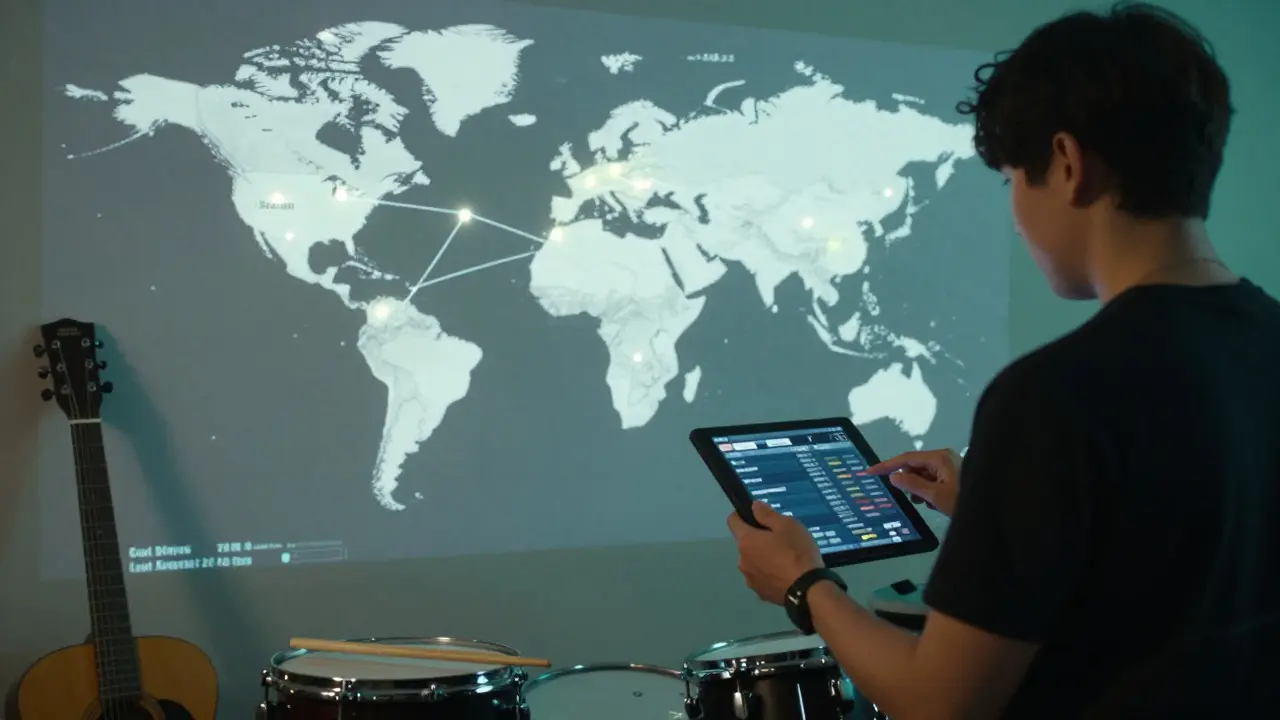
Touring globally isn’t just about music; it’s about logistics. Alli’s team uses data analytics to predict crowd demographics for each city. They look at streaming numbers, ticket sales, and even local radio play. If a song has been heavily rotated on Korean radio, it gets prioritized in the Seoul set. If a B-side is trending on German playlists, it finds its way into the Berlin slot.
This data-driven approach doesn’t mean the art is compromised. On the contrary, it ensures that every song chosen has a proven connection to that specific audience. The challenge lies in balancing this data with spontaneous moments. Sometimes, the data says one thing, but the room feels another. Alli trusts her instincts in those moments, proving that technology supports, but doesn’t replace, human connection.
| Region | Primary Focus | Key Musical Adjustments | Engagement Tactic |
|---|---|---|---|
| East Asia (Korea/Japan) | Intimacy & Digital Connection | Acoustic arrangements, slower pacing | Real-time social media interaction |
| Western Europe (Germany/UK) | Authenticity & Musicianship | Extended improvisation, higher energy finale | Band showcases, storytelling between songs |
| North America (Home Base) | Full Spectrum Experience | Standard full-band production, all eras represented | Nostalgia trips, deep cuts |
The Role of Visuals and Production in Global Contexts
Setlists aren’t just audio; they’re visual experiences too. In Korea, LED screens often display lyrics in both English and Korean, ensuring accessibility. In Europe, the lighting design tends to be more moody and shadow-heavy, complementing the deeper emotional tones of the ballads. These production choices are tailored to match the sonic adjustments. A bright, flashy light show might feel out of place during a stripped-back acoustic moment in Seoul, whereas a dark, pulsing beat might fit perfectly in a Berlin warehouse.
This synchronization of sound and sight is crucial. It tells the audience that the artist has prepared specifically for them. It’s a form of respect. When fans see that effort, their loyalty deepens. They don’t just buy a ticket; they buy into a curated experience that feels personal, even in a stadium setting.
Lessons for Emerging Artists
If you’re an emerging artist planning your first international dates, Alli’s strategy offers clear takeaways. First, research your audience’s listening habits. Don’t guess what they want; look at the data. Second, keep your core identity intact. Changing your genre entirely for a new market can confuse your existing fanbase. Third, invest in flexibility. Have a few alternate versions of your key songs ready. An acoustic version, a remix, or a simplified arrangement can save a set if the technical setup is limited or if the room energy dips.
Finally, engage with the local scene. Attend open mics, meet local producers, or simply talk to fans before the show. These interactions provide context that no spreadsheet can capture. They help you understand the nuances of the culture you’re entering. It turns a transactional event-a concert-into a relational one.
Frequently Asked Questions
Does Alli Starr change her setlist significantly for different countries?
Yes, but subtly. She adjusts song order, tempo, and production elements rather than swapping entire genres. The core catalog remains consistent, but the delivery adapts to regional preferences for intimacy or energy.
How does data analytics influence her touring decisions?
Her team uses streaming data, radio play, and ticket sales to identify which songs resonate most in specific cities. This helps prioritize tracks that have already built a local following, ensuring a stronger immediate connection with the audience.
What is the main difference between her Asian and European show structures?
Asian shows focus on acoustic intimacy and digital engagement, often ending on a reflective note. European shows emphasize musical improvisation and higher energy finales, reflecting local tastes for authentic musicianship and celebratory endings.
Why is emotional continuity important in her setlist strategy?
Emotional continuity ensures that the narrative arc of the show remains coherent regardless of location. By focusing on universal themes of vulnerability and connection, she avoids alienating fans who expect a consistent artistic voice, while still allowing for regional variations in expression.
How do visual elements support her setlist changes?
Visuals are tailored to match the sonic mood. In Asia, bilingual lyrics and softer lighting enhance intimacy. In Europe, moodier lighting and dynamic visuals complement the improvisational and energetic aspects of the performance, creating a cohesive sensory experience.