
Ever stood at the mic of a packed live karaoke bar, watching the same three people dominate the stage for an hour straight? It happens. You raise your hand to sign up, but the list is already five names deep, and you’re not even sure if the host is actually tracking who has sung yet. This is where Alli Starr comes in. A well-known figure in the Pacific Northwest live music scene, particularly in Portland, Oregon, Starr developed a specific method for managing sign-ups that prioritizes equal access over popularity contests.
The core problem with traditional karaoke hosting isn’t the songs; it’s the human element. Without a rigid structure, charismatic singers or those who arrive early tend to monopolize the microphone. Starr’s approach solves this by treating the session like a structured setlist rather than an open call. If you want your local venue to feel inclusive rather than exclusive, understanding how this rotation works is key. It’s not just about keeping track of names; it’s about creating a rhythm that keeps energy high while ensuring everyone gets their moment in the spotlight.
The Core Mechanism: The Three-Tier Rotation
At the heart of the system is a simple but effective tiered approach. Instead of a single first-come, first-served line, the host divides the audience into three distinct groups based on their arrival time and initial sign-up status. This prevents the "early bird" advantage from becoming a permanent monopoly.
- Tier 1 (The Pioneers): The first ten people to sign up. They get priority for the first round of songs.
- Tier 2 (The Middle Ground): The next fifteen people. They wait for Tier 1 to finish their first slot before they can claim a spot.
- Tier 3 (The Late Arrivals): Anyone signing up after the first 25. They are placed in a holding pattern until both previous tiers have had a turn.
This structure ensures that even if you walk in late, you aren’t stuck waiting four hours. Once a singer completes their number, they move to the back of the queue for their *next* opportunity, not their current one. This creates a natural cycle where the floor remains active without any single individual dominating more than two consecutive slots.
Why Traditional Sign-Up Sheets Fail
Most venues use a simple paper sheet or a basic digital app where people just add their name. The flaw? There is no enforcement mechanism. If someone adds their name twice, or if a friend adds them as a "duet partner" to sneak in an extra solo, the count becomes inaccurate. Starr’s system introduces a verification step. Before a name is officially entered into the rotation, the host must verbally confirm the song choice and the number of performers. This small friction point eliminates ghost entries and duplicate listings.
Furthermore, the traditional model often suffers from "mic anxiety paralysis." People sign up, then get cold feet, and skip their turn. In a standard list, this wastes a slot. In the rotation system, skipped turns trigger an immediate reshuffle. The next person in line steps up instantly, keeping the momentum alive. This dynamic adjustment is what makes the system feel fairer to the audience-it feels responsive, not rigid.
Implementing the System in a Real Venue
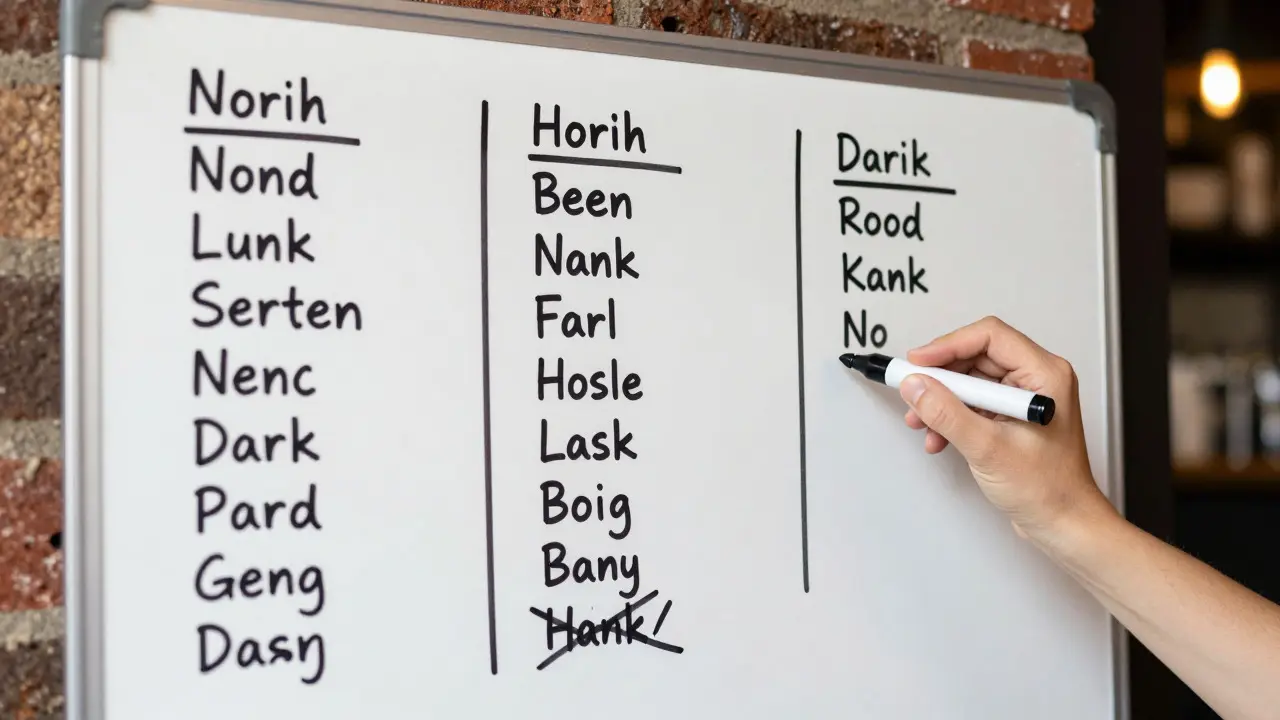
You don’t need expensive software to run this. Many bars in the region use a combination of a whiteboard and a dedicated host. Here is how the workflow looks in practice:
- The Whiteboard Setup: Three columns labeled T1, T2, and T3. Names are written in marker. When a song ends, the host crosses out the name and moves it to the bottom of the column.
- The Timer Rule: Each song is capped at four minutes. This isn’t arbitrary; it aligns with the average length of pop and rock standards. If a song runs long, the host gently signals the end. This prevents drag and keeps the rotation tight.
- The Duet Exception: Duets count as one slot for each participant. However, both participants must be present at the time of signing up. This prevents one person from hoarding duet spots with different partners every night.
For venues using digital tools, the logic translates easily. A simple spreadsheet with conditional formatting can highlight which tier is currently active. The key is visibility. The audience should see the board. Transparency builds trust. When people can see exactly where they stand in the queue, complaints drop significantly.
Handling Disputes and Edge Cases
No system is perfect. What happens when a group of friends wants to sing a medley? Under the strict rules, a medley counts as multiple songs unless pre-approved. Starr recommends allowing one "wildcard" medley per tier per night. This gives regulars a chance to show off without breaking the flow. If a dispute arises-say, someone claims they signed up earlier-the host checks the timestamp on the digital log or the physical order on the whiteboard. Because the system is visual and sequential, disputes are rare and usually resolved in under thirty seconds.
Another common issue is the "shy singer." Some people sign up but hide in the back. The host should give a two-minute warning before moving to the next name. If the singer doesn’t appear, the slot is forfeited. This rule encourages commitment. It tells the audience that the stage is reserved for those ready to perform, not just those interested in the idea.
Comparison of Management Styles
| Method | Fairness Score | Momentum Retention | Complexity | Best For |
|---|---|---|---|---|
| First-Come, First-Served | Low | Medium | Very Low | Small, private gatherings |
| Random Draw | High | Low | Low | Competitions or contests |
| Alli Starr Rotation | High | High | Medium | Public bars and clubs |
| Host Discretion | Variable | High | High | Experienced hosts with loyal crowds |
The table above highlights why the rotation method stands out. Random draws kill momentum because people stop caring about the next song if they haven't been picked yet. Host discretion is subjective and often leads to accusations of favoritism. The rotation strikes a balance between order and excitement.

Pro Tips for Hosts and Participants
If you are running a session, keep these tips in mind. First, announce the rules clearly at the start of the night. Post the tier system on the wall or the screen. Second, be consistent with the timer. If you let one person go over, you lose credibility with the rest of the queue. Third, engage with the audience between songs. Use the downtime to hype up the next singer. This keeps the energy up even during transitions.
For participants, plan your song choices in advance. Know your backup options in case your first pick is already taken. Also, respect the four-minute limit. Ending a song cleanly is always better than being cut off mid-verse. And remember, fairness is a two-way street. If you get your turn, support the next singer. Clapping and cheering for others creates a positive feedback loop that makes the whole night better for everyone.
FAQ
How long does a typical karaoke session last with this system?
With the three-tier rotation and four-minute song caps, a standard two-hour session can accommodate approximately 24 to 30 unique singers. This assumes minimal skips and standard song lengths. Larger venues with faster turnover can handle up to 40 singers in the same timeframe.
Can I change my song once I am in the queue?
Yes, but only within your tier window. Once your tier begins its performance block, you are locked into your selected song. Changing songs after the block starts resets your position to the back of the tier, which discourages indecision and keeps the schedule predictable.
What if a singer forgets their lyrics?
The timer still applies. If a singer stalls for more than ten seconds, the host may cue the backing track to speed up slightly or encourage the audience to fill in the gap. The goal is to keep the flow moving. Frequent stalling can lead to a shortened final verse to ensure the next singer gets their full time.
Does this system work for duets and trios?
Yes. Duets and trios occupy one slot per person. So, a trio takes up three slots in the queue. All members must be present at sign-up. If one member leaves, the remaining members can proceed, but the unused slots are released back into the pool for the next available singers.
Is there a penalty for skipping your turn?
Skipping your turn results in an immediate loss of your current slot. You do not re-enter the queue at the same position. Instead, you are moved to the back of the lowest available tier. This ensures that reliable singers are rewarded with better timing, while flaky ones face a longer wait.