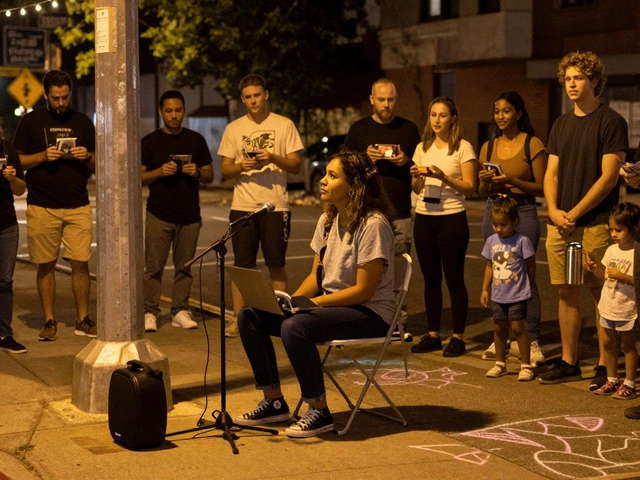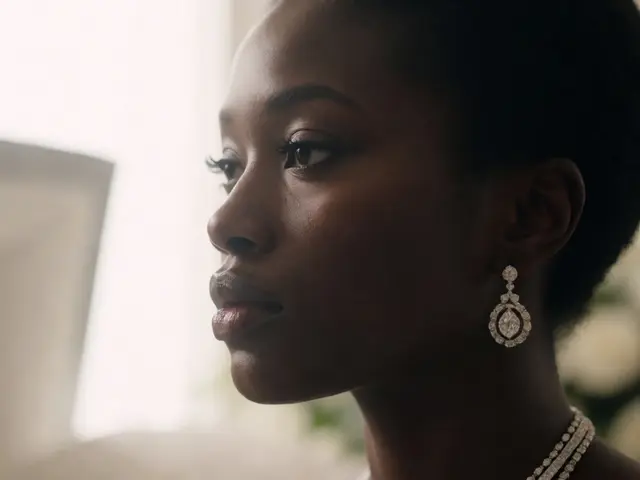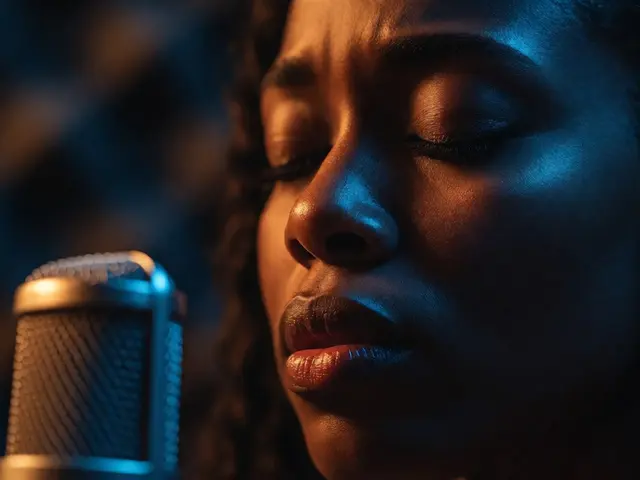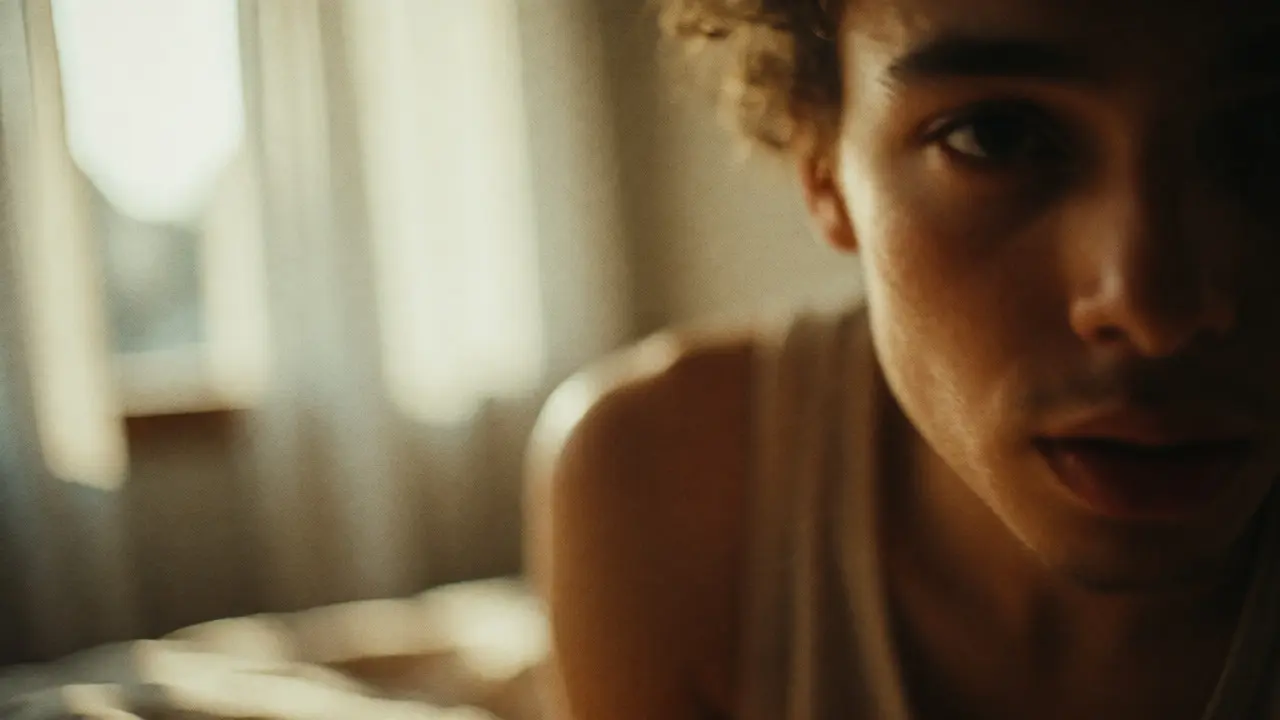
You scroll past a thousand images a day. Most of them blur together into a digital soup of generic portraits and over-saturated filters. But then you stop. Maybe it’s the way the light hits a shoulder blade, or the specific grain of the film stock, or just the unapologetic gaze of the subject. That halt? That’s branding in action. For R&B artists today, the sound is only half the battle. The other half is how they look when they aren’t singing. Alli Starr is an emerging R&B singer-songwriter known for blending soulful vocals with a distinctively hazy, intimate visual aesthetic. Her work offers a masterclass in how to use photography direction to build a brand that feels less like a marketing campaign and more like a diary entry.
If you’re an artist, manager, or creative director trying to figure out how to make your visuals stick, Alli Starr’s approach provides a blueprint. It’s not about spending thousands on studio time. It’s about understanding mood, framing, and the subtle art of looking like yourself, but slightly more cinematic. Let’s break down how she does it, and how you can apply these principles to your own project.
The Core Aesthetic: Intimacy Over Perfection
Traditional pop photography often chases perfection. Skin is smoothed, teeth are whitened, and the background is usually a solid color or a blurred cityscape. Alli Starr’s visual language rejects this. Her imagery leans into lo-fi aesthetics, characterized by soft focus, natural lighting, and raw emotional expression. This isn’t accidental sloppiness; it’s a deliberate choice to signal authenticity.
Why does this work for R&B? Because the genre thrives on vulnerability. When listeners hear a track like "Lover Girl," they expect honesty. If the photo looks too polished, there’s a disconnect. The visual promise doesn’t match the auditory experience. By using grainy textures, slight motion blurs, and candid poses, Starr creates a sense of immediacy. You feel like you’re peeking into her room, not looking at a billboard.
This approach relies heavily on what we call "imperfection as a feature." In a world of AI-generated faces and heavy retouching, visible pores, stray hairs, and uneven lighting become markers of truth. They tell the audience: "This person is real, and their feelings are real." For emerging artists, this is a cost-effective way to stand out. You don’t need a high-end lens if you have a clear vision of intimacy.
Lighting Strategies: The Golden Hour and Beyond
Lighting is the primary tool for setting mood. Alli Starr’s team rarely uses harsh, direct flash. Instead, they favor diffuse, directional light sources. Think late afternoon sun filtering through sheer curtains, or the warm glow of a bedside lamp at night. This technique, often referred to as naturalistic lighting, mimics the way human eyes perceive ambient environments, creating a nostalgic and comfortable atmosphere.
Here’s why this matters for your brand:
- Warmth equals comfort: Warm tones (oranges, yellows) evoke feelings of safety and nostalgia, key emotions in R&B storytelling.
- Shadows add depth: Deep shadows hide details, inviting the viewer to imagine what’s happening outside the frame. This mystery keeps fans engaged.
- Consistency builds recognition: If every photo has that same soft, golden quality, fans start to associate that feeling with your name before they even read it.
A common mistake is mixing color temperatures wildly. One photo is cool blue from a window, the next is yellow from a bulb. It breaks the spell. Pick a palette. If you’re going for moody, stick to cooler blues and greens. If you’re going for romantic, stick to ambers and creams. Consistency in lighting is as important as consistency in melody.
Framing and Composition: Breaking the Rules
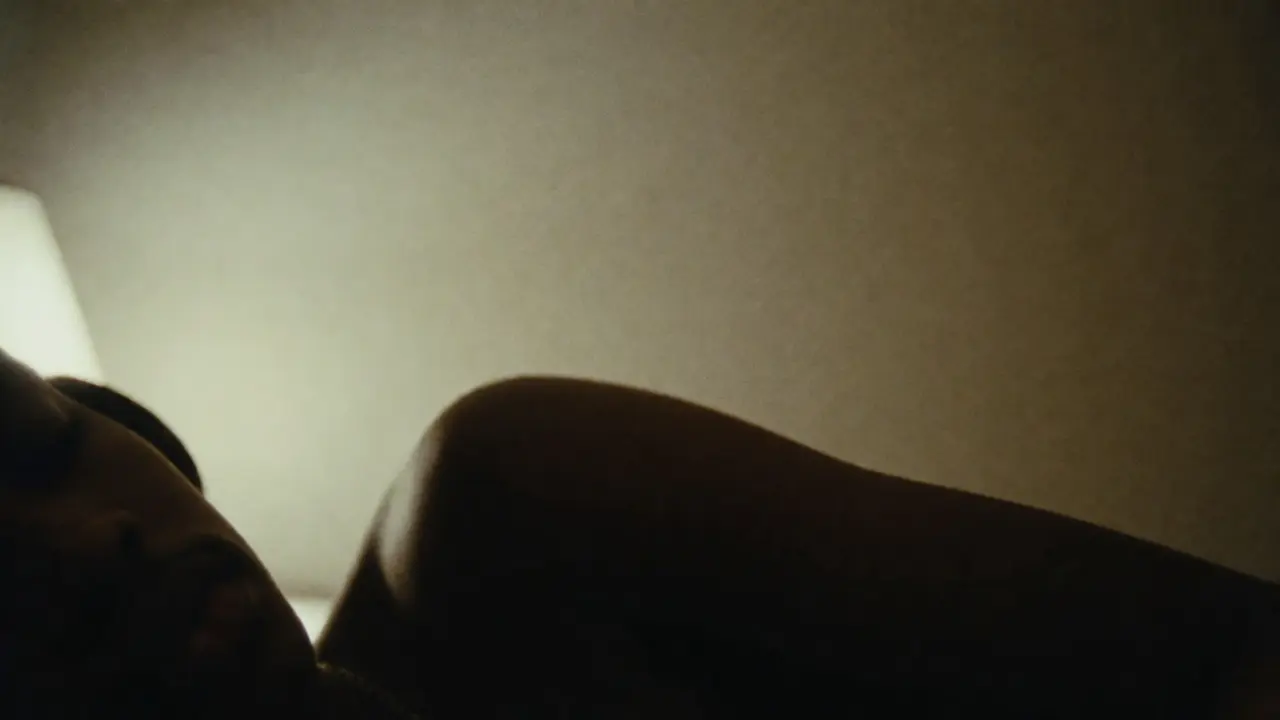
Standard portrait rules say: put the subject in the center, keep the horizon straight, and leave space for the head. Alli Starr’s visuals often ignore these guidelines. She might be cut off by the edge of the frame, or placed low in the composition, surrounded by negative space. This disorientation is intentional.
When you break compositional norms, you force the viewer to pause. Their brain tries to resolve the imbalance, which increases engagement time. In social media feeds, where users scroll rapidly, any second of extra attention is valuable. Furthermore, unconventional framing suggests spontaneity. It implies the moment was captured, not staged. This aligns perfectly with the modern demand for "authentic" content.
Consider the concept of negative space, defined as empty areas in an image that draw attention to the subject while providing context or emotional weight. In Starr’s photos, empty walls or blurry backgrounds aren’t just filler. They act as breathing room for the emotion. They allow the viewer to project their own feelings onto the scene. Is she sad? Lonely? Content? The emptiness lets the audience decide, making the connection personal.
Color Grading: The Signature Look
Once the shot is taken, post-production seals the deal. Alli Starr’s color grading typically features desaturated highlights and lifted blacks. This gives images a faded, vintage feel, reminiscent of old Polaroids or VHS tapes. This aesthetic choice ties directly into the musical influences of neo-soul and classic R&B.
| Attribute | Alli Starr Style | Pop Star Standard | Alternative Indie |
|---|---|---|---|
| Lighting | Natural, Diffuse, Low-Key | Studio, High-Key, Bright | Harsh Flash, Direct Sun |
| Color Palette | Muted Earth Tones, Sepia | Vibrant Neons, Primary Colors | High Contrast B&W, Desaturated |
| Composition | Candid, Off-Center | Symmetrical, Centered | Experimental, Abstract |
| Emotional Tone | Intimate, Nostalgic | Confident, Energetic | Detached, Intellectual |
| Texture | Film Grain, Soft Focus | Crisp, Digital Sharpness | Gritty, Noise-Heavy |
This table highlights how different genres use visual cues to signal their identity. Notice how the "Mood" column drives the technical choices. You can’t have an intimate mood with harsh flash lighting. They contradict each other. Aligning your technical execution with your desired emotional output is the core of effective brand building.
Wardrobe and Styling: Less is More
Fashion in music videos is often loud. Sequins, bold prints, oversized accessories. Alli Starr’s styling tends toward minimalism. Simple tanks, denim, neutral knits. The clothing doesn’t compete with the face or the mood. It supports the narrative of everyday life.
This simplicity serves two purposes. First, it makes the artist relatable. Fans see themselves in simple clothes. Second, it keeps the focus on the eyes and the expression. When the outfit is busy, the face gets lost. In close-up shots, which dominate Instagram and TikTok, the eyes are the primary point of contact. Keep the rest clean so the gaze lands.
Also, consider texture in clothing. Soft cottons and linens photograph well under natural light, adding to the tactile feel of the image. Avoid shiny synthetic fabrics unless you want a specific reflective effect. Matte materials absorb light gently, enhancing the soft-focus vibe.
Building Your Own Mood Board
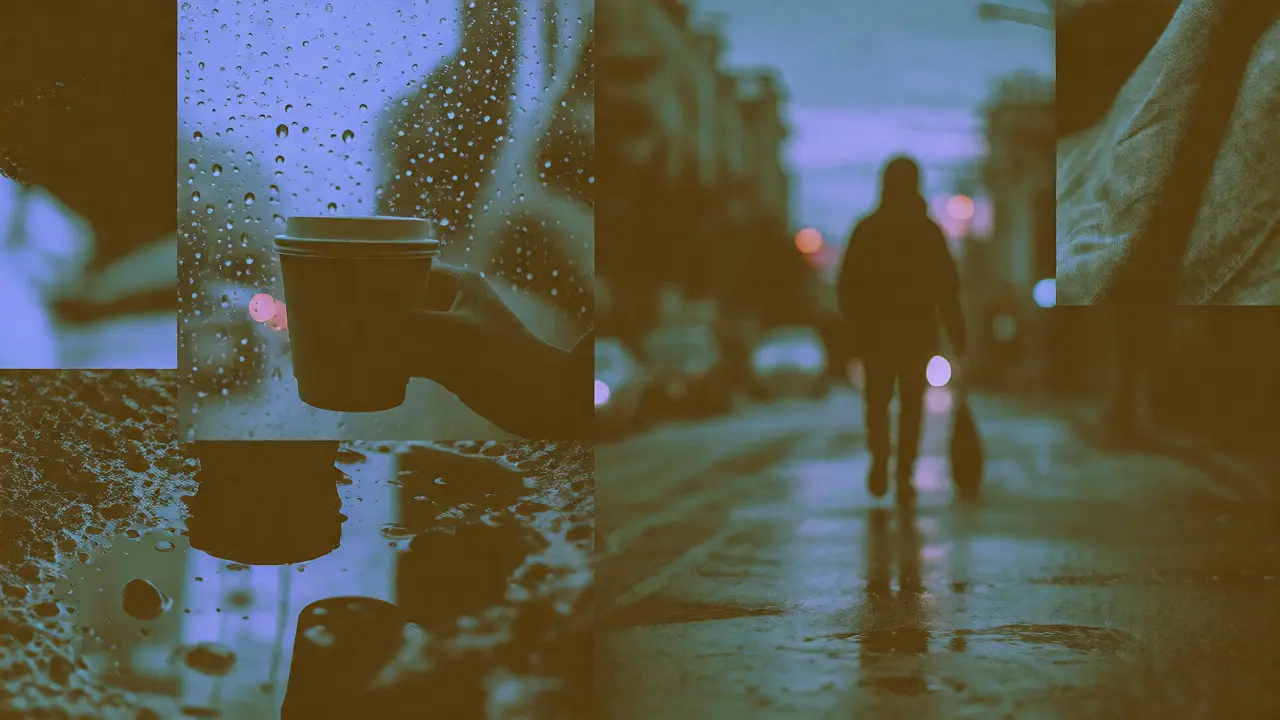
You don’t need to copy Alli Starr exactly. You need to find your version of this principle. Start by collecting images that give you the feeling you want to convey. Not just pretty pictures-pictures that make you feel something specific.
Ask yourself these questions when curating your references:
- Does this image feel safe or dangerous?
- Is it daytime or nighttime?
- Is the subject interacting with the environment or ignoring it?
- What colors appear most frequently?
Once you have 20-30 images, look for patterns. Do you keep picking photos with rain? With mirrors? With red lipstick? Those repetitions are your brand DNA. Share this board with your photographer. Words like "moody" are vague. Images are precise. Show them the exact shadow length you want. Show them the exact amount of grain you prefer.
Pitfalls to Avoid
Even with a clear vision, things go wrong. Here are common traps for new artists:
- Over-editing: Adding too many filters kills the natural texture. If your skin looks plastic, the intimacy dies.
- Inconsistent aspect ratios: Posting vertical stories alongside square posts without adjusting the crop can disrupt the flow of your profile grid.
- Ignoring the audio-visual link: If your music is upbeat but your photos are dark and brooding, confuse your audience. Match the energy.
- Chasing trends blindly: Just because everyone is doing fisheye lenses doesn’t mean it fits your voice. Stick to what serves your story.
Remember, consistency beats virality. A cohesive feed that slowly builds trust is worth more than one viral hit followed by confusion. Alli Starr didn’t blow up overnight. Her visual identity matured alongside her sound. Give yourself time to refine the look.
Next Steps for Artists
So, what do you do tomorrow? Don’t book a big studio session yet. Grab your phone. Go to a location with good natural light-a park bench, a bedroom window, a quiet street corner. Shoot ten rolls of film (or digital equivalents). Experiment with angles. Try shooting from below, from above, from behind. Look for reflections in puddles or windows.
Review the footage. Which shots made you feel something? Which ones looked like "you"? Delete the rest. Keep the ones that resonate. Post those. Watch the comments. Do people talk about the song, or the vibe? If they mention the vibe, you’re on the right track.
Visual branding isn’t a one-time task. It’s a continuous conversation between your art and your audience. Alli Starr shows us that you don’t need massive budgets to create a compelling world. You need clarity of vision, respect for mood, and the courage to be imperfect. Start small, stay consistent, and let the light do the talking.
How important is professional equipment for this style?
Professional cameras help, but they aren't mandatory. Many of Alli Starr's early visuals were likely shot on phones or basic DSLRs. The key is understanding lighting and composition, which can be mastered with any device. Lens quality matters for bokeh (background blur), but software can simulate this now.
Can I replicate this look indoors?
Absolutely. Indoor settings are actually ideal for the intimate, lo-fi aesthetic. Use window light during the day and lamps at night. Close proximity to the light source creates softer shadows. Messy rooms can even enhance the authentic feel if styled intentionally.
How often should I update my visual style?
Evolve gradually. Major shifts should coincide with album cycles or significant career milestones. Small tweaks, like changing color grades or props, can happen monthly. Drastic changes too quickly can confuse your existing fanbase.
Does this style work for male R&B artists?
Yes. Artists like Brent Faiyaz or Daniel Caesar use similar principles-moody lighting, casual styling, and intimate framing. Gender doesn't dictate the aesthetic; vulnerability and authenticity do. Adjust wardrobe and hair to fit your personal identity, but keep the core visual principles intact.
What apps are best for achieving this look?
VSCO, Lightroom Mobile, and Dazz Cam are popular for adding film grain and adjusting color temperature. Look for presets labeled 'Film', 'Vintage', or 'Cinematic'. Always adjust intensity to ensure it doesn't look overly processed.